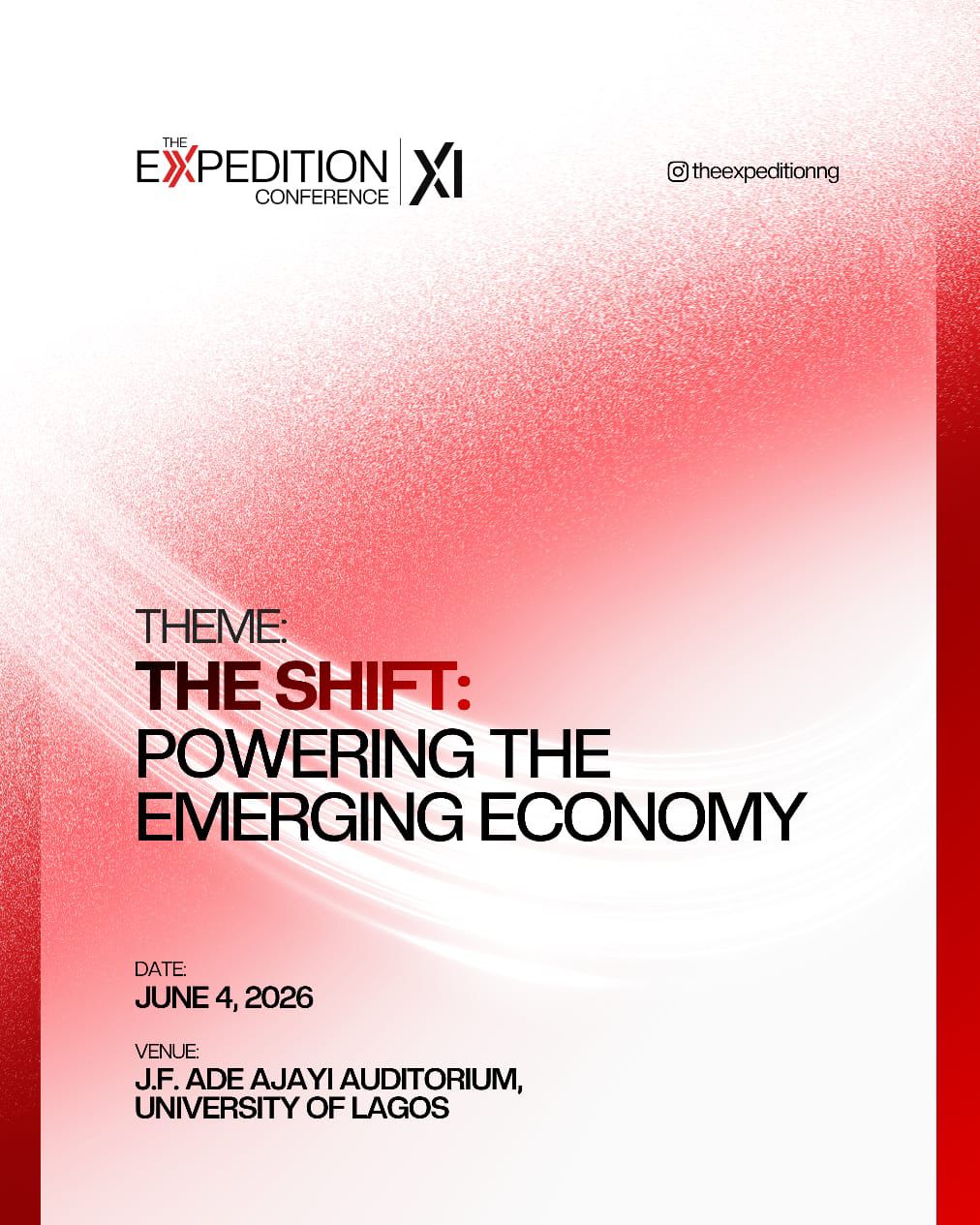
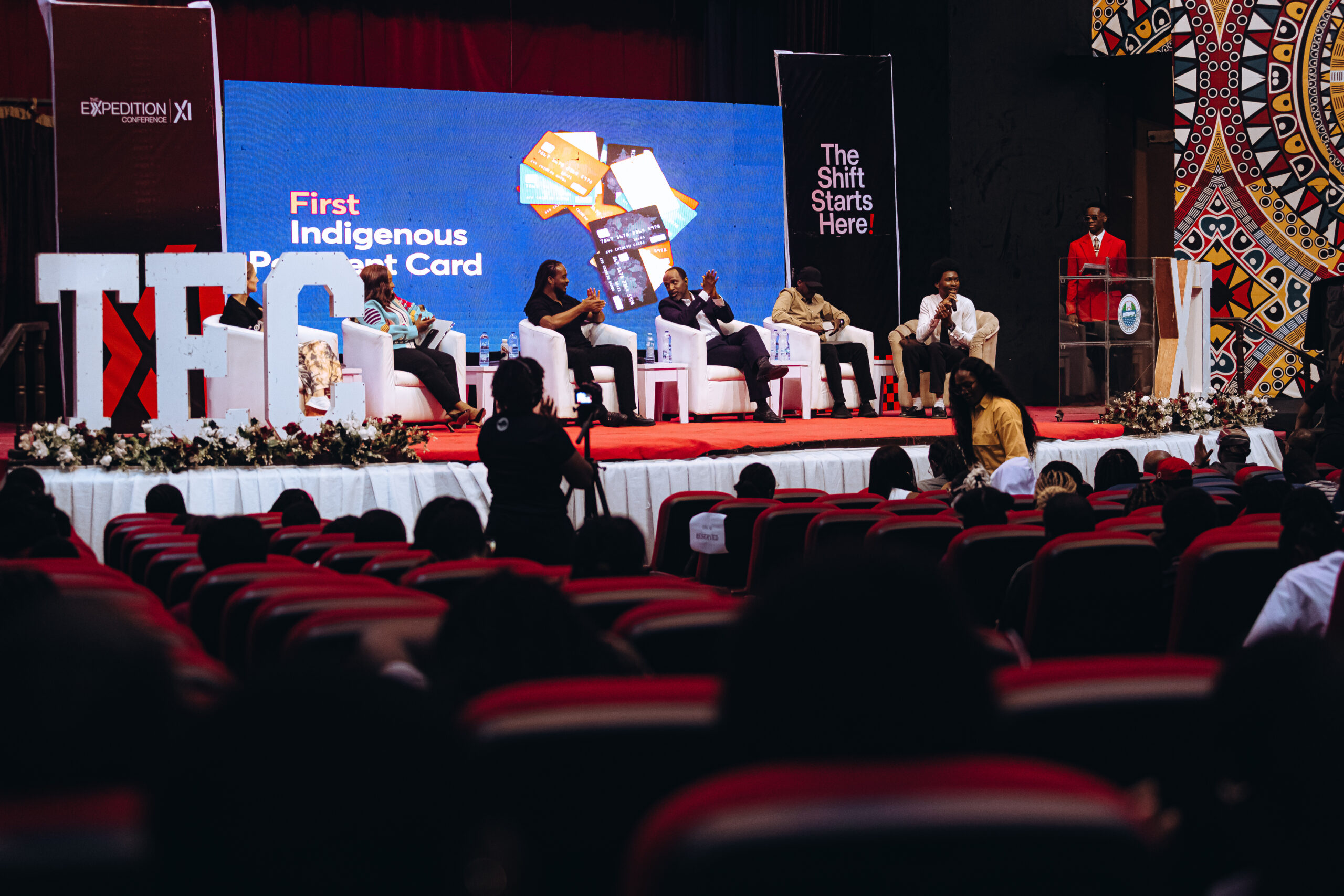
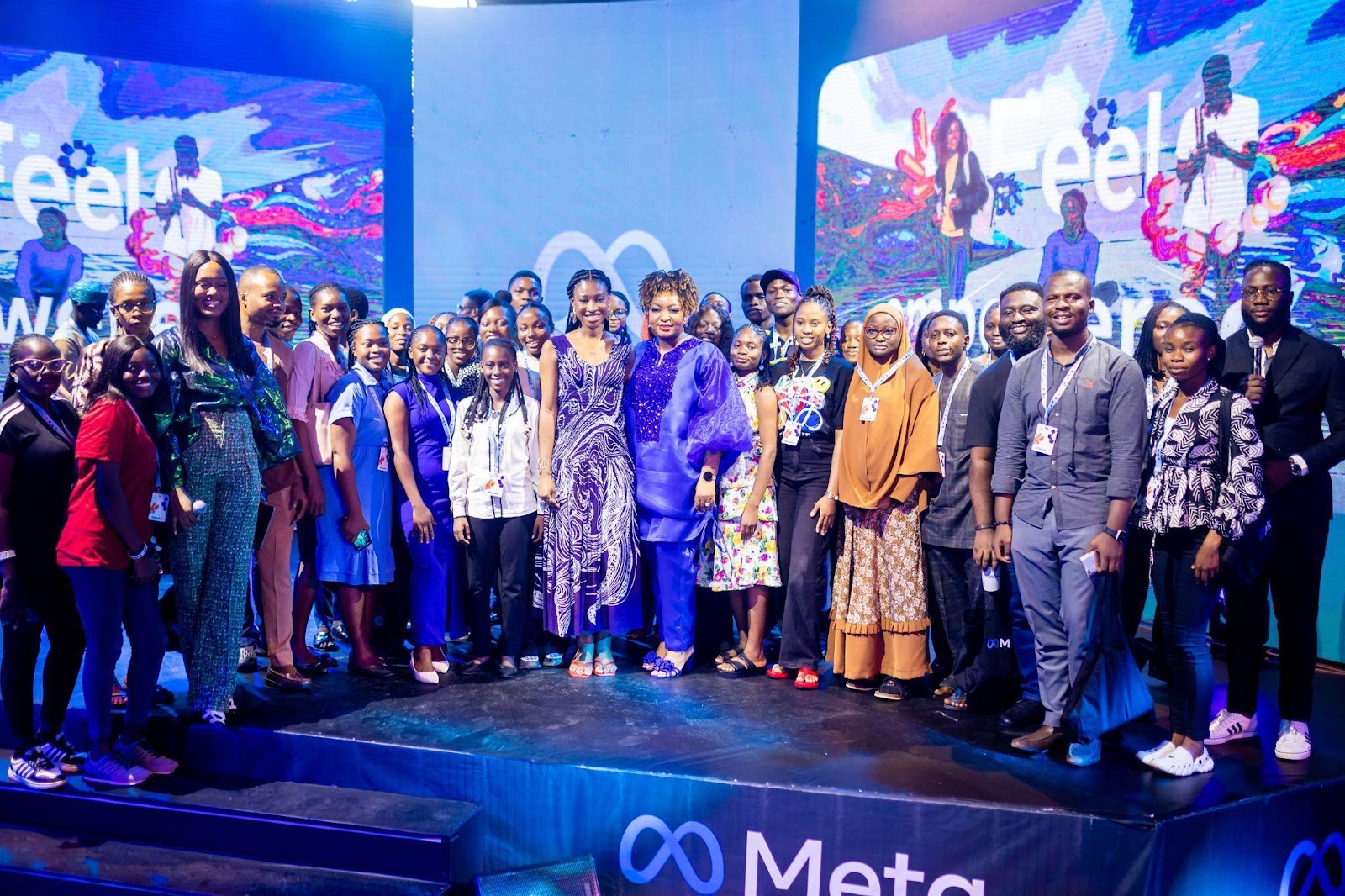
There is a particular kind of energy that only exists when a large group of people have collectively decided that something is about to change. It is not hype, not the manufactured excitement of a product launch or a concert encore. It is something quieter and more dangerous - a shared conviction. On June 4, 2026, that energy filled the J.F. Ade Ajayi Auditorium at the University of Lagos when The Expedition Conference returned for its eleventh year, and the theme it arrived with - “The Shift: Powering the Emerging Economy” - turned out to be less of a marketing headline and more of an accurate weather forecast for what the day became. This was not a conference about what Nigeria could be. This was a room of people who had already decided what Nigeria is becoming and showed up to coordinate.
That distinction is worth dwelling on. So many large-scale youth conferences in Africa are built on aspiration as a product - beautiful decks, inspiring stories, and a vague emotional charge that dissipates somewhere between the parking lot and the danfo ride home. The Expedition Conference XI, by most accounts, refused that formula. “The Shift” as a theme carried a very specific intellectual weight: it acknowledged that the terrain of Africa’s economy has already moved, that the old gatekeepers have already lost a significant portion of their authority, and that the people in that auditorium were not waiting for permission to participate. They were already building.
Image: BellaNaija
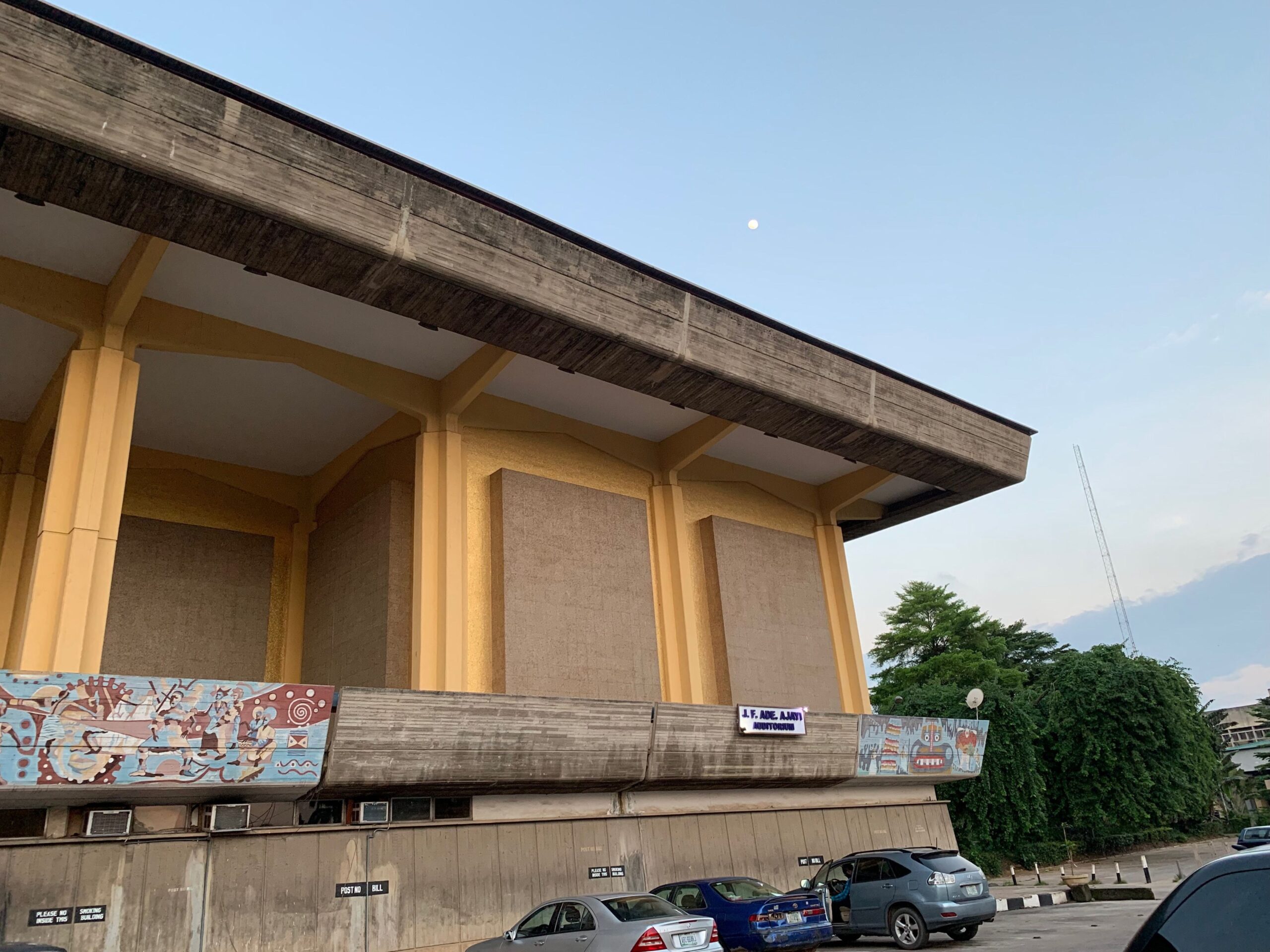
The Significance of That Specific Venue
It would be easy to treat the J.F. Ade Ajayi Auditorium as simply a large venue that fit 4,500 people. But the location carries a weight that is inseparable from what the conference was trying to say. Named after Professor Jacob Festus Ade Ajayi - one of Nigeria’s most towering academic figures, a historian whose work on African agency and self-determination fundamentally reshaped how the continent’s past was told to the world - the auditorium is not a neutral space. It is a room with an argument embedded in its walls: that African voices, African thought, and African frameworks are not supplementary to global knowledge but central to it. Hosting a conference about economic shift and emerging power inside that specific building is the kind of intentionality that either happens by accident or by design, and nothing about The Expedition Conference’s eleven-year track record suggests it happens by accident.
The University of Lagos itself occupies a particular cultural position in Nigeria’s imagination. UNILAG is where Nigeria’s sharpest professional classes have historically been forged - lawyers, engineers, media professionals, business leaders, and creatives have all passed through its corridors. Bringing 4,500 young professionals, entrepreneurs, and students into that environment creates a feedback loop of ambition. The setting does something to the conversation. It raises the floor of what people feel entitled to demand from themselves and from the systems they are navigating.
Image: Archnet.org
The Numbers That Tell the Real Story
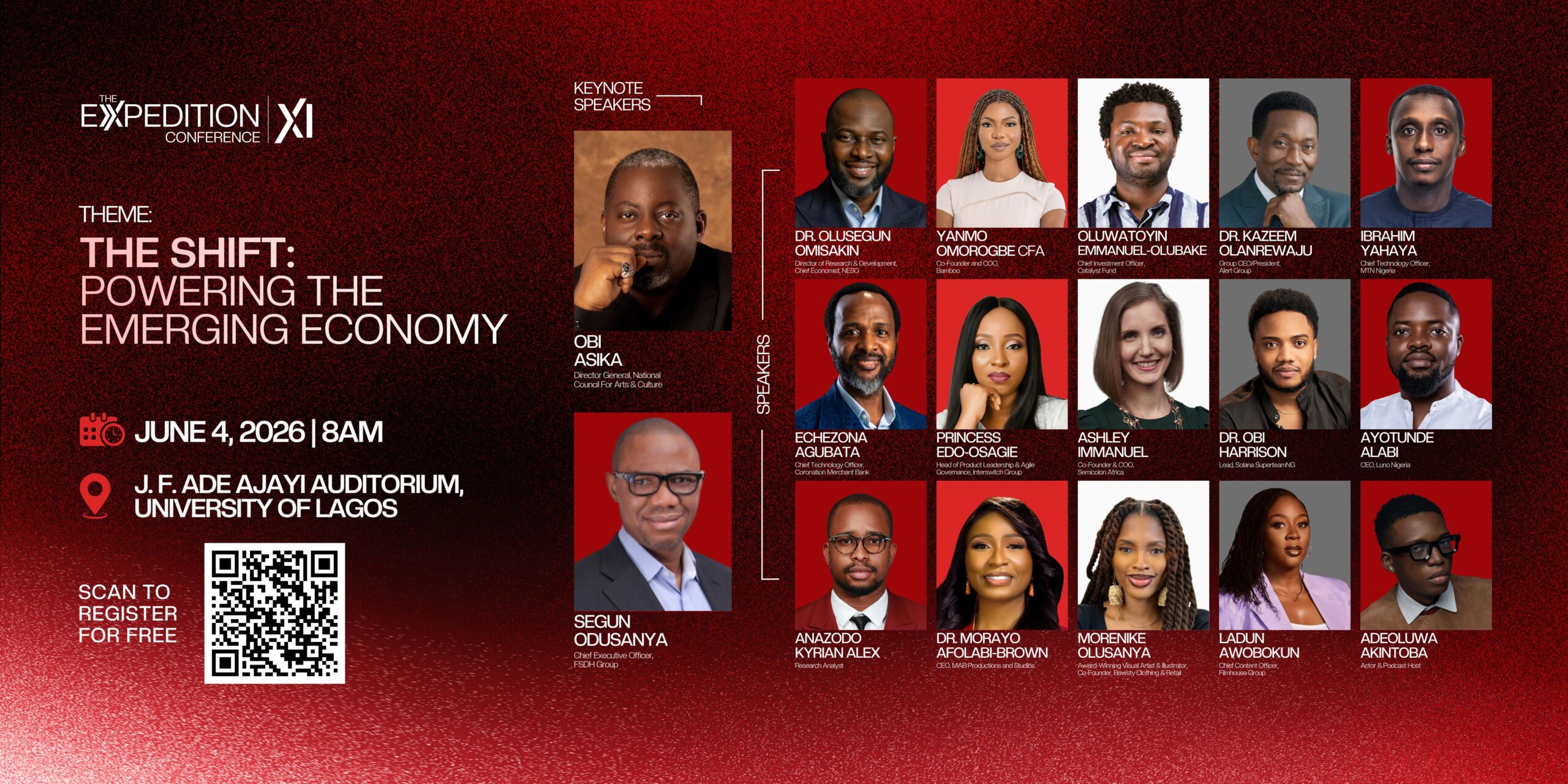
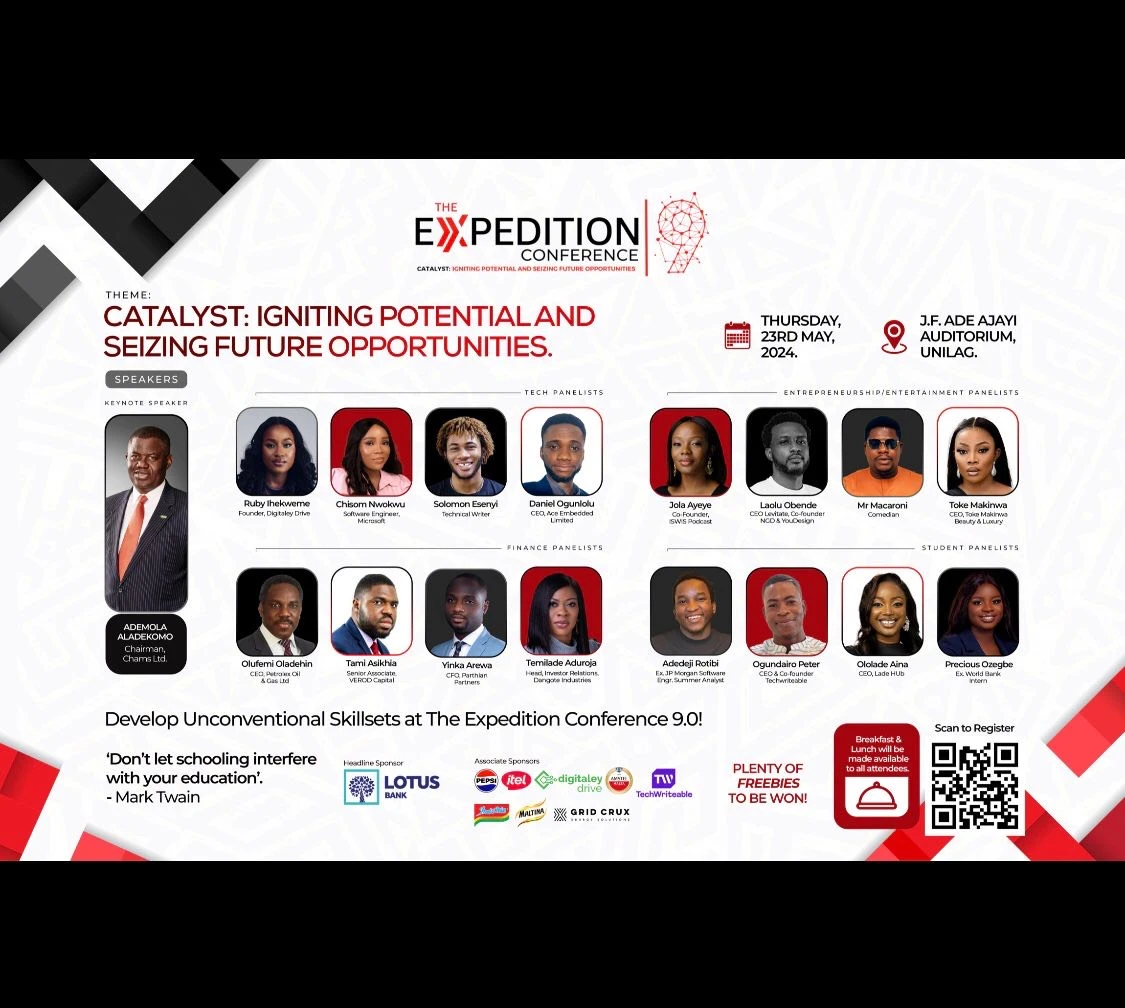
In Nigerian conference culture, attendance figures are often treated as vanity metrics - numbers inflated by free registration, inflated further by wishful press releases, and then quietly forgotten. The Expedition Conference XI’s claim of nearly 4,500 registrants deserves to be taken more seriously than that default skepticism might suggest, because it arrived alongside a structural breakdown: 18 panelists across multiple sessions, 2 keynote speakers setting the intellectual frame for the day, and a format that had clearly evolved over eleven iterations to prioritize substance over spectacle. When a conference in its eleventh year is still pulling those registration numbers, it is not riding a novelty wave. It has built genuine institutional trust, the hardest currency in Nigeria’s event economy.
Consider the competitive landscape. Lagos alone hosts dozens of conferences targeting young professionals and entrepreneurs every quarter. Many of them are well-funded, well-branded, and backed by corporate sponsors who understand that Nigeria’s young population - roughly 70 percent of its 220-plus million people are under 30 - is both an audience and a market. For The Expedition Conference to maintain its position at the top of that crowded field through eleven editions, organizers have had to consistently deliver something that participants feel they cannot get anywhere else. The numbers suggest they are still doing exactly that.
Ad SpaceIn-Article - 300x250
Advertisement
Who Was on That Stage and Why It Matters
A conference is ultimately only as good as the conversations it creates, and the architecture of The Expedition Conference XI - 18 panelists, 2 keynote speakers, and what appears to have been a thematically coherent program structure - suggests serious curation. In the world of African conferences, the panelist roster is where you learn the most about an event’s actual priorities. Is it a networking event dressed up as intellectual content? Is it a corporate activation with a few good sessions thrown in? Or is it a genuine attempt to bring practitioners, thinkers, and builders into the same room and let the friction generate something useful? From what The Expedition Conference has established over its decade-plus run, the answer has consistently leaned toward the latter.
The decision to anchor the day around two keynote speakers rather than diluting the focus with a sprawling lineup of celebrity appearances is also worth noting. In a media environment where events increasingly chase viral moments over meaningful exchanges - and Nigeria’s conference circuit is not immune to that pressure - keeping the keynote structure tight signals confidence. It says the organizers believe the ideas are strong enough to carry the room without relying on a famous face to do the heavy lifting. That is a position of genuine intellectual self-assurance, and it tends to produce better events.
Image: BellaNaija
Eleven Editions In: Where The Expedition Conference Sits in Nigeria’s Intellectual Calendar
To understand what The Expedition Conference has become, it helps to map it against the broader landscape of Nigerian intellectual and professional gatherings. Nigeria has a rich tradition of large-scale forums that attempt to bring together its young professional class - from the annual TEDxLagos events that have consistently produced compelling local conversations, to the Tony Elumelu Entrepreneurship Programme forums that carry enormous institutional weight, to newer entrants like the African Business Coalition’s youth summits. Each of these events occupies a different niche and serves a different appetite. The Expedition Conference has carved out something specific: it sits at the intersection of entrepreneurial ambition and cultural identity, consistently asking not just “how do we build businesses” but “what are we actually building toward.”
Eleven years is a genuinely impressive runway for an independent conference in Nigeria’s volatile economic climate. Between 2016 and 2026, the country has navigated multiple currency crises, a fuel subsidy removal that fundamentally restructured household economics, post-COVID recalibration of in-person events, and the ongoing brain drain that has seen some of its sharpest young minds relocate to Europe, North America, and other African markets like Ghana, Rwanda, and South Africa. The fact that The Expedition Conference has not only survived that decade but grown its audience suggests it has been nimble enough to stay relevant as the context shifted under it - which is, fittingly, exactly what its eleventh theme was about.
Image: Business Africa Online -
The Shift That Already Happened Before Anyone Said a Word
Here is the thing about “The Shift” as a conference theme in 2026: the timing is almost uncomfortably precise. Nigeria’s tech and creative economy has spent the last several years forcing a global reappraisal. Afrobeats - to take the most visible example - is no longer a genre that global music industry executives describe as “emerging.” It is simply the industry, with Nigerian artists like Burna Boy, Wizkid, Asake, and Davido commanding arena tours in Europe and North America, dominating Billboard charts, and reshaping what radio programmers on three continents play in peak hours. Nollywood, once dismissed as cheap and provincial, is now the subject of academic study, streaming platform investment, and international co-production deals that would have seemed absurd fifteen years ago. The fintech sector, led by companies like Flutterwave, Paystack - which Stripe acquired for over $200 million back in 2020, a signal the market has not forgotten - and newer entrants reshaping mobile payments across the continent, has produced a generation of builders who understand global capital markets without having left Lagos.
What The Expedition Conference XI did by gathering 4,500 people under the banner of “Powering the Emerging Economy” is name something that was already true but had not been formally acknowledged in a room that large. The shift in Nigeria’s economic and cultural authority has already happened. The conference did not cause it, predict it, or celebrate it from a distance. It convened the people who are living inside it and gave them a physical space to recognize each other. That is not a small thing. In a country where so much of the national conversation happens in fragments - across social media threads, WhatsApp groups, Twitter spaces, and group chats that dissolve by morning - a room of 4,500 people agreeing on a frame is a rare and genuinely powerful act of collective coherence. The J.F. Ade Ajayi Auditorium on June 4, 2026, was the largest possible version of that agreement, and the fact that it was held inside a building named after a man who spent his career insisting on African intellectual authority makes it exactly as deliberate as it sounds.
Ad SpaceIn-Article - 300x250
Advertisement
Share
Get the recap
Loved this story? Get more like it.
Join readers who get our weekly entertainment recap - the stories worth your time, delivered every Friday.
No spam. Unsubscribe anytime. By signing up you agree to our Privacy Policy.