
The FIFA-Argentina Scandal Claims Explained: What the Rumours Are Actually Alleging
Entertainment

The FIFA-Argentina Scandal Claims Explained: What the Rumours Are Actually Alleging

Miki AndersonMiki Anderson··7 min read
Advertisement

Table of Contents

The Scandal That Has Football Holding Its Breath
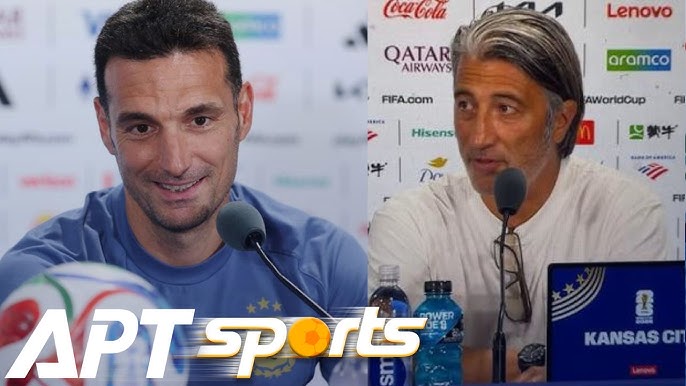
The FIFA-Argentina Scandal - The Scandal That Has Football Holding Its Breath

There is a particular kind of silence that settles over a sport when its governing body is accused of something it cannot easily dismiss. Football has been here before – most memorably during the seismic FIFA corruption case that erupted in May 2015, when American federal prosecutors indicted 14 individuals connected to FIFA on charges of racketeering, wire fraud, and money laundering. That moment fundamentally altered how fans and governments trusted the institution. Now, in the lead-up to and early stages of the 2026 World Cup – co-hosted by the United States, Canada, and Mexico in what is the largest edition of the tournament ever staged – a new wave of rumours has emerged, this time linking FIFA to Argentina in a series of claims that range from the eyebrow-raising to the genuinely explosive.

It is worth being clear upfront: these are alleged claims circulating in football media and fan communities, not proven facts backed by court verdicts. But the nature of the allegations matters precisely because they echo the structural vulnerabilities that have plagued FIFA governance for decades. Argentina, as the reigning two-time back-to-back World Cup champion having won Qatar 2022 with Lionel Messi lifting the trophy at last, carries enormous commercial weight in world football right now. That commercial weight, the rumours suggest, may have become something more complicated.
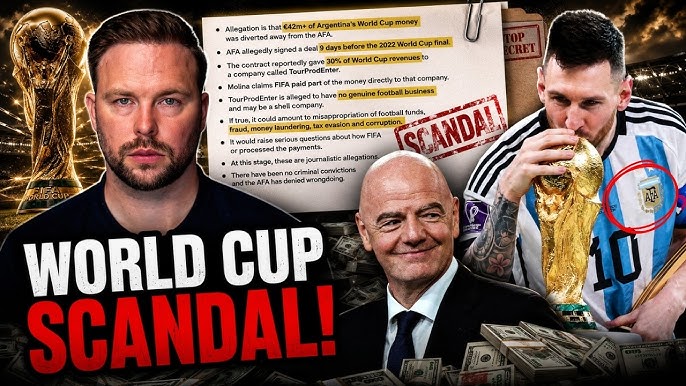
FIFA 2026 World Cup official announcement
Image: StadiumDB.com

Claims 1-3: The Institutional Allegations
The FIFA-Argentina Scandal - Claims 1-3: The Institutional Allegations

The first cluster of claims concerns the institutional relationship between FIFA leadership and the Argentine Football Association (AFA). The rumoured allegations suggest that officials within AFA were granted preferential access to tournament draw protocols, effectively giving them advance intelligence about bracket placement before the official public draw. In a 48-team tournament format – which the 2026 edition introduced for the first time – seeding and bracket placement carry even more statistical significance than in previous editions, because the expanded group stage creates more opportunities for strategic scheduling. If any confederation’s association had prior knowledge of draw outcomes, the competitive integrity of the entire competition would be compromised from day one.

The second claim escalates this considerably, alleging that financial transfers occurred between unnamed intermediaries and individuals with connections to FIFA’s tournament operations department. This echoes the exact mechanism described in the 2015 indictments, where “sports marketing companies” were used as vehicles to move bribe money. No specific figures have been publicly named in relation to this particular claim, but the structural similarity to past proven corruption is precisely what makes football journalists and reform advocates take it seriously. The third institutional claim is perhaps the most politically charged – it alleges that Argentina’s pathway through the knockout stages was influenced by scheduling decisions that consistently gave La Albiceleste logistical advantages, including shorter travel distances between match venues compared to rival nations competing in the same bracket.
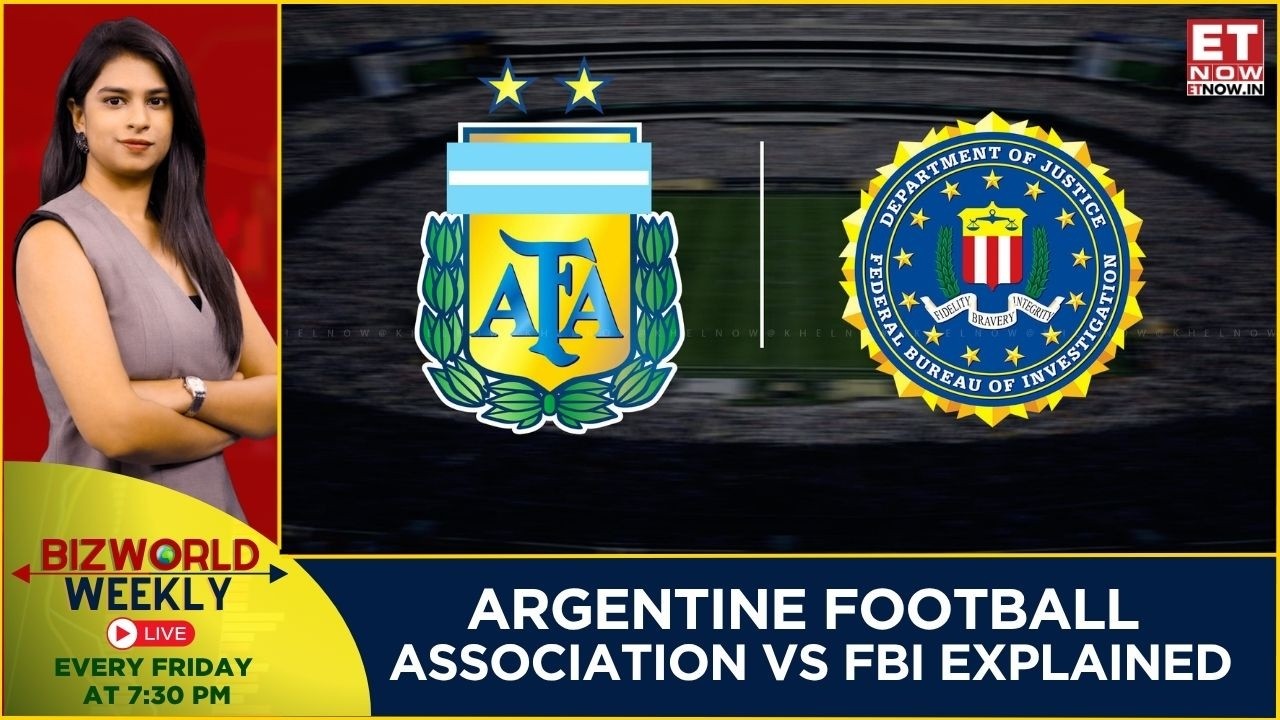
Argentina Football Association official branding
Image: Footy Headlines

Claims 4-6: Match Manipulation and Referee Controversies
The FIFA-Argentina Scandal - Claims 4-6: Match Manipulation and Referee Controversies

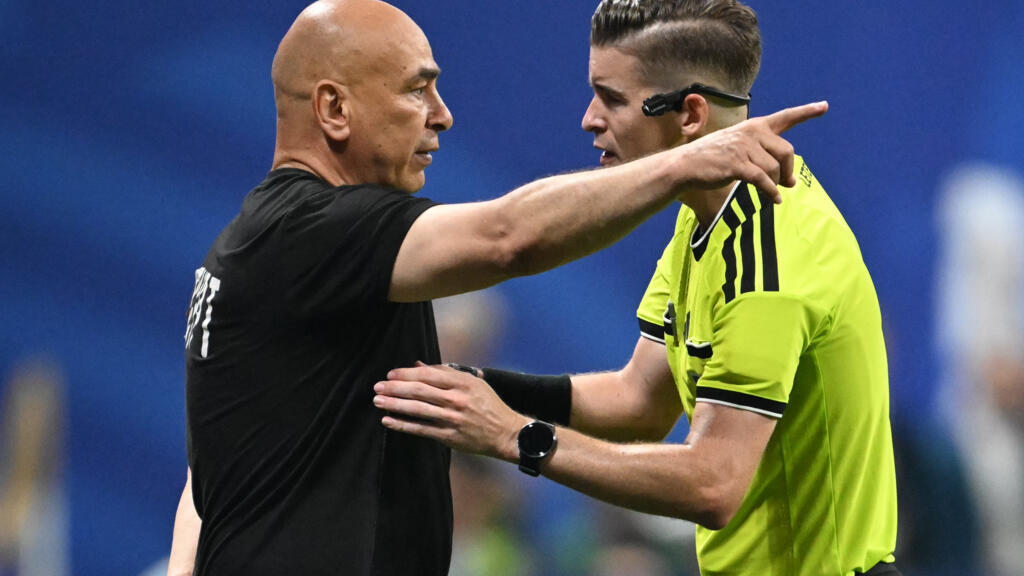
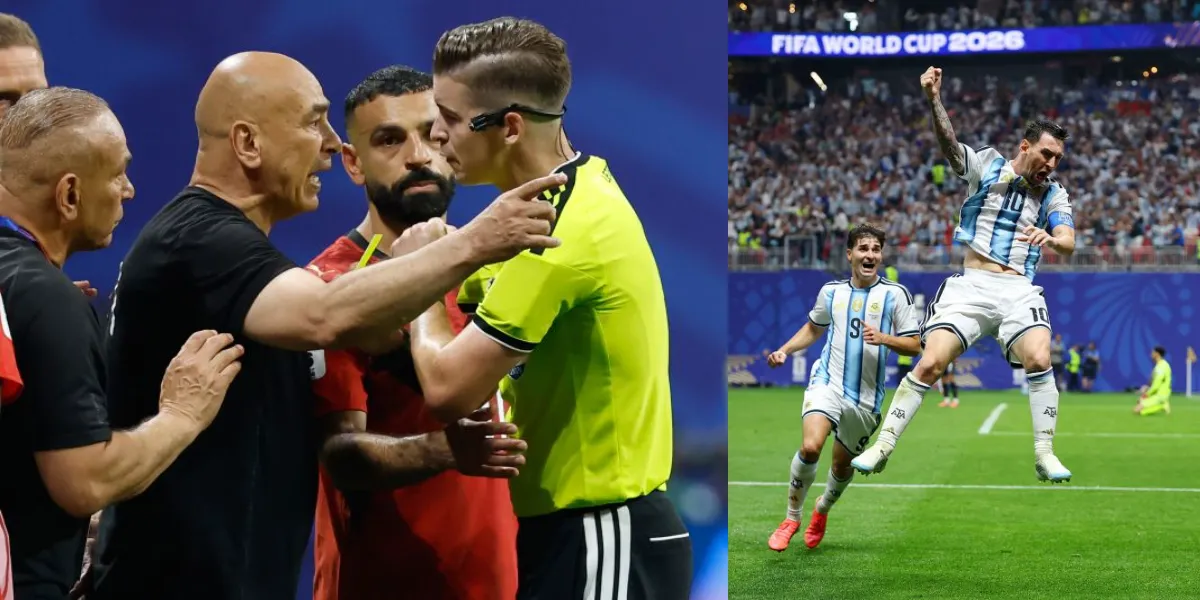
The fourth claim moves from administrative corridors into the actual fabric of matches, alleging that refereeing appointments for Argentina’s fixtures were not made through the standard neutral selection process that FIFA publicly mandates. Specifically, the rumour suggests that referees with documented sympathies or prior relationships with Argentine football were disproportionately assigned to high-stakes matches involving the national team. VAR technology was supposed to be the great equaliser when it was introduced ahead of the 2018 World Cup in Russia, removing the most egregious human errors from decisive moments. But if the appointments process itself is compromised, even VAR cannot fully correct for systemic bias in how a game is managed from the first whistle.

Claim five alleges that at least one specific match involving Argentina featured a pre-agreed defensive refereeing posture – meaning officials were allegedly instructed to apply a more lenient standard to physical challenges made by Argentine players. Claim six, which is the most dramatic of the refereeing-related allegations, asserts that a penalty decision in a knockout round match was reversed or influenced after half-time following a communication that should not have taken place. It is important to note that none of these claims have been substantiated with published evidence as of this writing, but they have generated enough traction on football forums and in South American sports media to prompt calls from rival national federations for an independent audit of match official assignment procedures throughout the tournament.
Advertisement

Claims 7-9: Money, Influence, and the Messi Factor

The FIFA-Argentina Scandal - Claims 7-9: Money, Influence, and the Messi Factor

The seventh claim involves commercial interests rather than on-field conduct, and it may ultimately be the most structurally dangerous to FIFA’s credibility. The allegation is that sponsors with significant financial ties to Lionel Messi’s personal brand portfolio – Messi became one of the most commercially valuable athletes on the planet following his Inter Miami move and the Qatar 2022 triumph – applied commercial pressure on FIFA’s sponsorship partnerships division to ensure certain broadcast and scheduling outcomes that would maximise Argentina’s visibility during primetime slots in North American and European markets. This is not illegal in isolation, but if commercial considerations genuinely influenced competitive decisions, it constitutes a profound betrayal of the sport’s integrity.

Claim eight alleges that a senior FIFA official met privately with AFA leadership during the tournament in a setting that was not disclosed on any official itinerary, raising questions about what was discussed and what, if anything, was agreed. Claim nine – and this one has attracted particular attention from investigative sports journalists – alleges that internal communications exist within FIFA’s operational infrastructure that document at least one instance where Argentina’s competitive interests were explicitly considered in what should have been a purely administrative decision. The existence of such communications, if verified, would represent documentary evidence of the kind that federal prosecutors found so valuable during the 2015 case. As of now, no such documents have been publicly released or leaked.

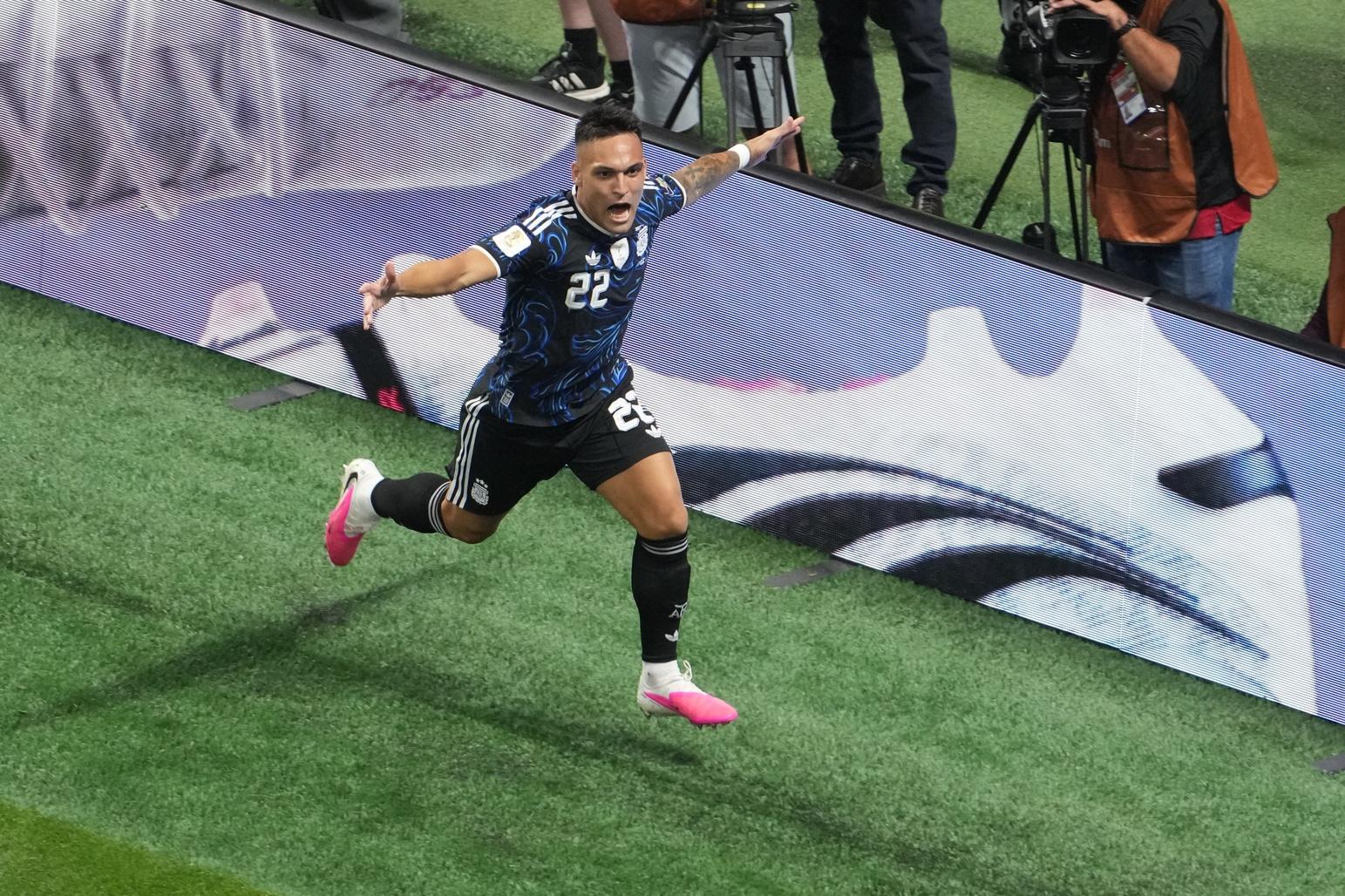
Lionel Messi Argentina World Cup 2026
Image: Fanatics

What This Means for African Football Nations

The FIFA-Argentina Scandal - What This Means for African Football Nations

Here is where this story becomes intensely personal for African football fans, and it is a dimension that most Western outlets covering these rumours have entirely missed. Africa has been waiting – genuinely, patiently, and with increasing frustration – for a continental team to win the FIFA World Cup. The 2026 tournament, with its expanded 48-team format, gave African nations the most slots in World Cup history: nine guaranteed berths for CAF (the Confederation of African Football), up from five in previous editions. Nations like Nigeria, Senegal, Morocco, Egypt, and the Ivory Coast entered the tournament cycle with real ambitions, backed by genuine talent pipelines. Morocco’s historic run to the semi-finals at the 2022 Qatar World Cup was not a fluke – it was the culmination of years of structural investment in their football program, and it demonstrated conclusively that African football has reached a competitive tier that demands serious respect.

If the allegations in this scandal are even partially true, they represent a direct injury to African nations competing in the same bracket. If refereeing standards were unequally applied, if scheduling disadvantaged certain nations based on commercial rather than sporting criteria, then the nine African nations who earned their spots through gruelling CAF qualifying campaigns were competing on a tilted surface they never consented to. Nigeria’s Super Eagles, Senegal’s Lions of Teranga, and Morocco’s Atlas Lions all put in the qualifying work. Their fans – across Lagos, Dakar, and Casablanca, watching matches at 2am local time because of time zone differences – deserve assurance that every team entered that tournament on equal footing. The question of FIFA fairness is not an abstract Western football debate. It is deeply, concretely African.

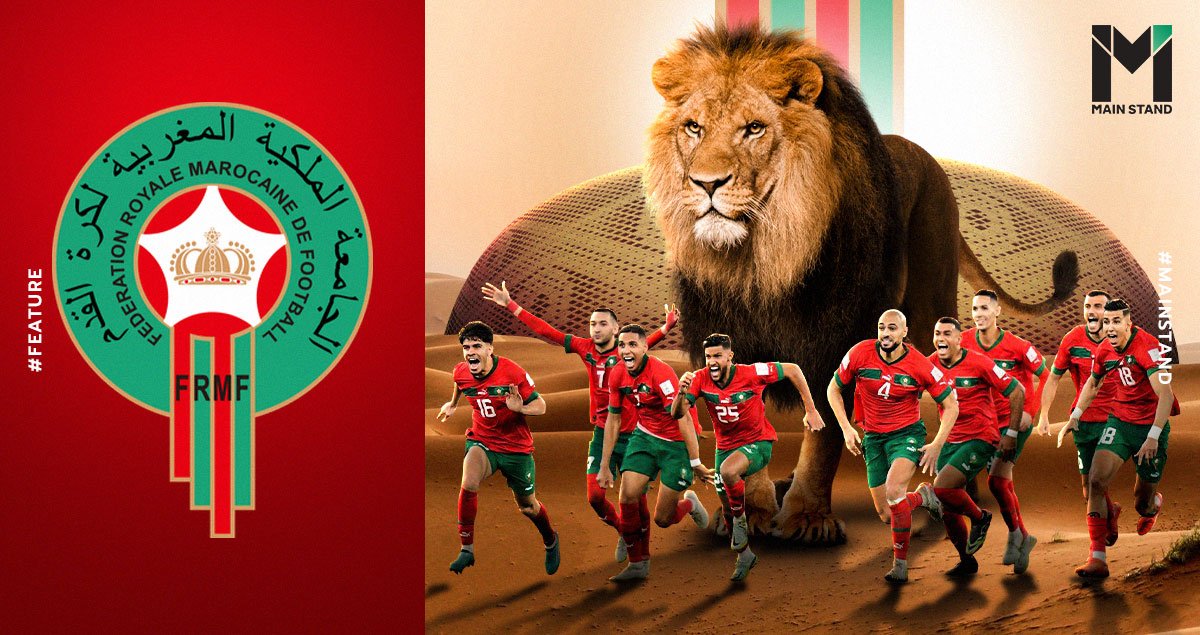
Morocco national football team World Cup
Image: Main Stand

Argentina’s Legacy and the Price of a Second Empire

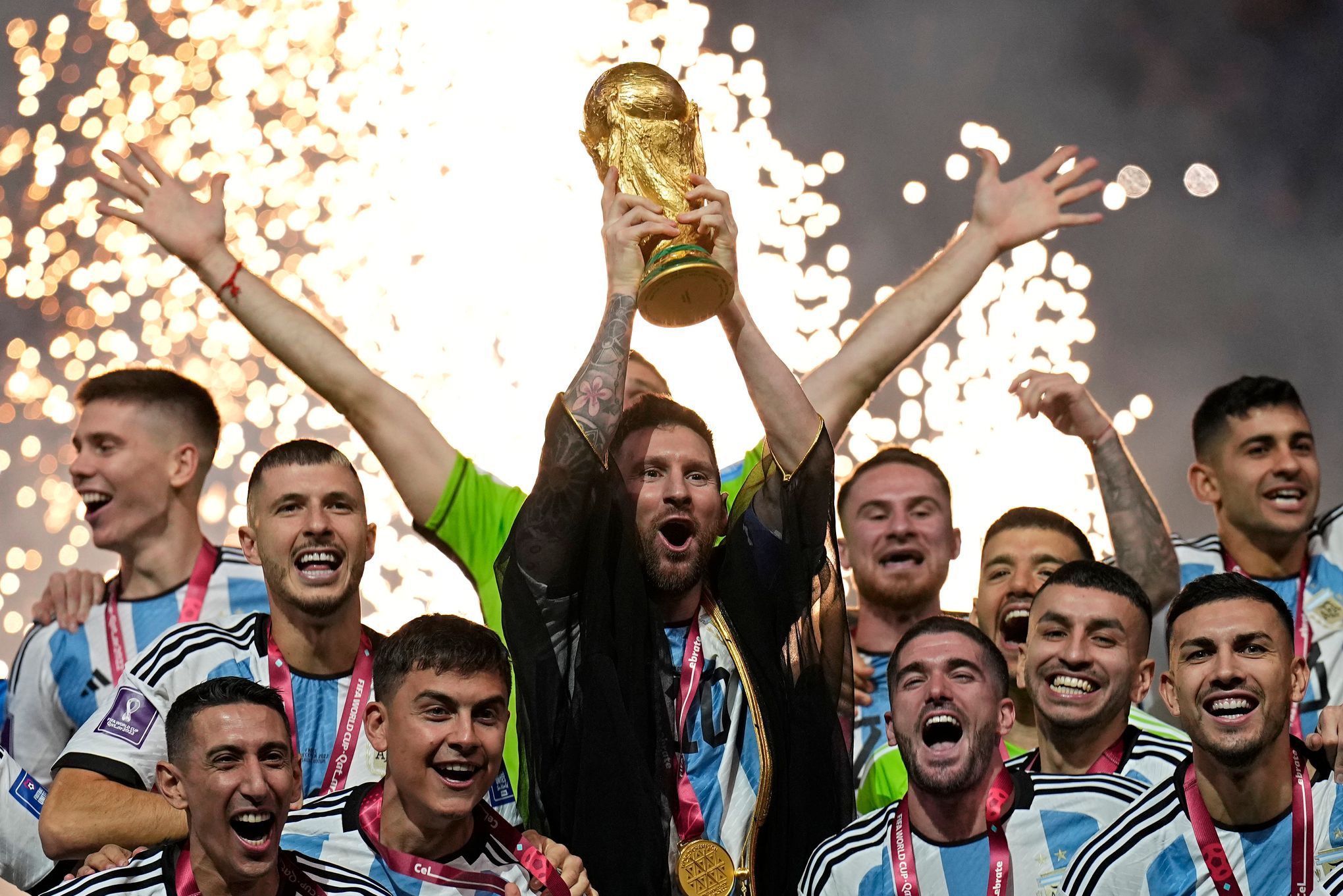
Argentina’s 2022 World Cup victory was genuinely earned. Watch the final against France again – 120 minutes of extraordinary football, settled only on penalties, with Kylian Mbappe producing one of the great individual performances in World Cup final history in a losing cause. Messi’s tears at the final whistle were real. The joy was real. That matters because what these rumours risk doing, if they deepen without resolution, is retroactively poisoning a triumph that millions of people experienced as pure and legitimate. That is a cost the sport itself cannot easily absorb, particularly at a moment when women’s football is surging globally, when African leagues are attracting serious investment, and when football genuinely needs institutional credibility to protect all of that growth.

FIFA under Gianni Infantino has worked hard, rhetorically at least, to distance the institution from the catastrophic governance failures exposed in 2015. The 2026 World Cup expansion was itself positioned as a reform – more teams, more nations included, more of the world with skin in the game. If these allegations gain documented traction, that reform narrative collapses entirely. What the football world needs now is not defensive press releases but a transparent, independently verified investigation – one with the authority to compel document disclosure and the credibility to report without political interference. Anything less leaves the rumours to grow, and in the age of social media, rumours that go unaddressed do not die quietly. They become the story.

Advertisement
Share
Get the recap

Loved this story? Get more like it.

Join readers who get our weekly entertainment recap - the stories worth your time, delivered every Friday.

No spam. Unsubscribe anytime. By signing up you agree to our Privacy Policy.

The FIFA-Argentina Scandal Claim... | Sidomex Entertainment