Table of Contents
- The Visionary Behind the Camera
- Crafting Authentic Nigerian Romance
- Production Design as Storytelling
- Collaborative Creative Process
- Elevating Nollywood Standards
- Impact on African Cinema
The Visionary Behind the Camera
In an industry where visual storytelling often takes a backseat to dialogue-heavy narratives, Anita Ashiru has emerged as a distinctive voice in Nollywood, proving that production design can be just as powerful as any script. Her latest romantic film “Call of My Life” stands as a testament to her meticulous approach to creating immersive visual worlds that serve the story while celebrating Nigerian culture and aesthetics. Ashiru, who wore multiple hats as both writer and creative visionary on the project, has crafted what many consider one of the most visually cohesive romantic films to emerge from Nollywood in recent years. Her background in both screenwriting and visual arts has uniquely positioned her to understand how every element within the frame contributes to the emotional journey of the characters.
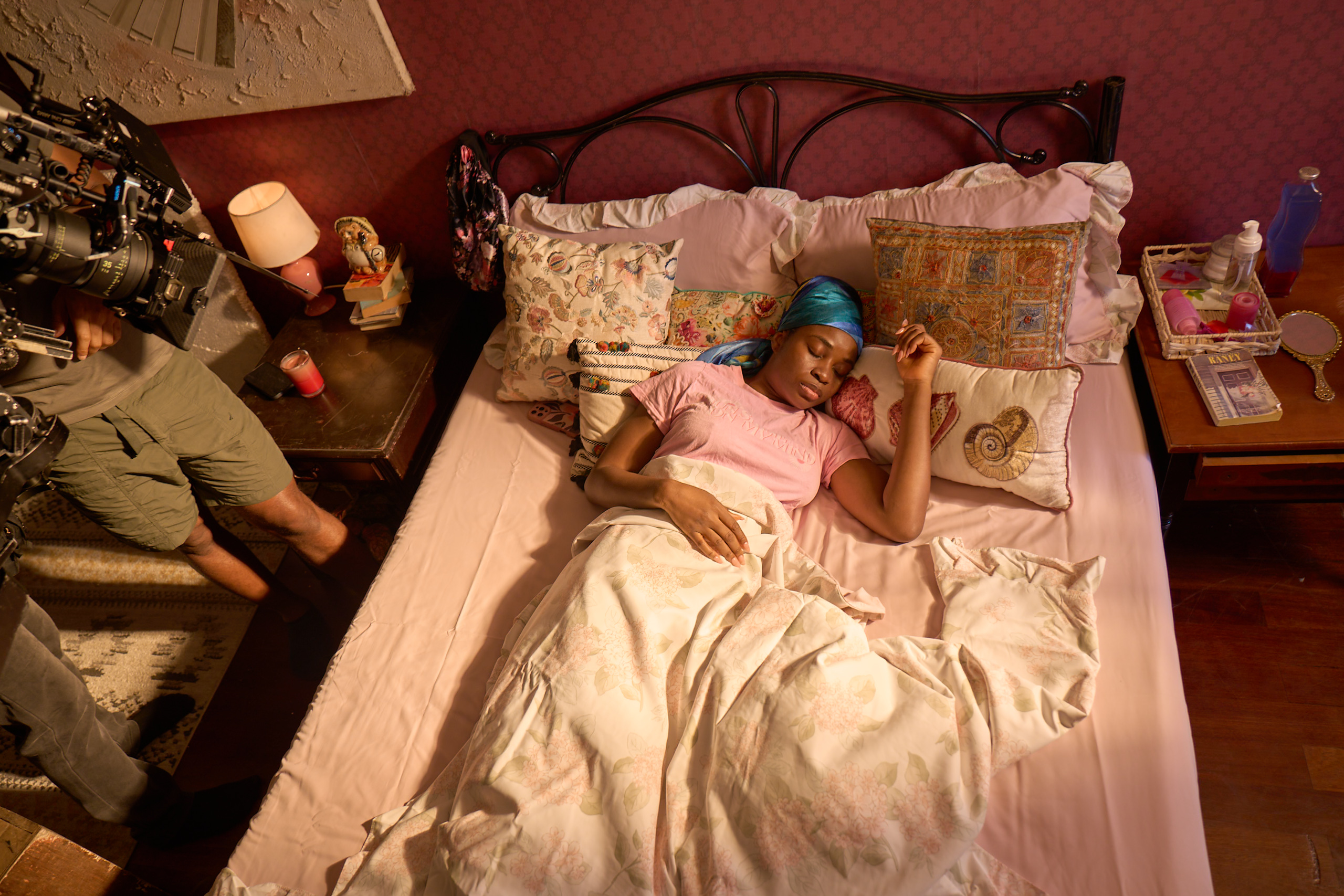
What sets Ashiru apart from many of her contemporaries is her holistic approach to filmmaking, where she views production design not as decoration but as an integral part of the narrative structure. Having written the screenplay for “Call of My Life,” she possessed an intimate understanding of every character’s emotional arc and how their physical environments could reflect and enhance their internal struggles and triumphs. This dual perspective allowed her to weave visual motifs throughout the film that would have been impossible to achieve through a traditional writer-director collaboration. Her attention to detail extends beyond the obvious - from the carefully chosen color palettes that shift with the emotional tone of each scene to the strategic placement of cultural artifacts that ground the story in authentic Nigerian experiences.
Crafting Authentic Nigerian Romance

The visual language of “Call of My Life” deliberately challenges Western-centric notions of cinematic romance by centering African aesthetics and sensibilities without falling into stereotypical representations. Ashiru’s production design choices reflect a deep understanding of contemporary Nigerian life, incorporating elements that speak to both urban sophistication and cultural heritage. The film’s locations span from bustling Lagos cityscapes to intimate family compounds, each space carefully curated to feel lived-in and authentic rather than constructed for the camera. Her approach to set decoration emphasizes the beauty found in everyday Nigerian life - from the vibrant fabrics that appear throughout various scenes to the architectural details that showcase the country’s diverse building styles and interior design traditions.

The costume design, working in harmony with the overall visual concept, plays a crucial role in establishing character relationships and social dynamics without relying on exposition. Ashiru collaborated closely with costume designers to ensure that every wardrobe choice supported the broader visual narrative she was constructing. The result is a film where clothing becomes another layer of storytelling, with colors, textures, and styles shifting to reflect character development and relationship dynamics. This attention to visual continuity creates a cohesive aesthetic experience that elevates the romantic elements of the story while maintaining cultural authenticity and avoiding the trap of creating a sanitized version of Nigerian life for cinematic consumption.
Production Design as Storytelling
Ashiru’s approach to production design goes far beyond creating beautiful backgrounds for her characters to inhabit. Every room, every piece of furniture, and every decorative element serves a specific narrative purpose, contributing to character development and plot progression in subtle but meaningful ways. The protagonist’s living spaces evolve throughout the film, reflecting their emotional journey through carefully orchestrated changes in lighting, arrangement, and decorative elements. This evolution of space mirrors the character’s internal growth, creating a visual subtext that operates independently of dialogue while supporting the overall narrative arc.

The technical execution of these design concepts required extensive pre-production planning and coordination with various department heads to ensure visual consistency across all elements of the production. Ashiru worked closely with cinematographers to understand how different lighting setups would interact with her chosen color schemes and textures, ensuring that the production design would translate effectively on camera. Her background as a writer proved invaluable during this process, as she could articulate not just what she wanted visually, but why each element was necessary for the story’s emotional impact. This level of intentionality in design choices creates a viewing experience where audiences may not consciously notice every detail, but they feel the cumulative effect of a carefully constructed visual world.