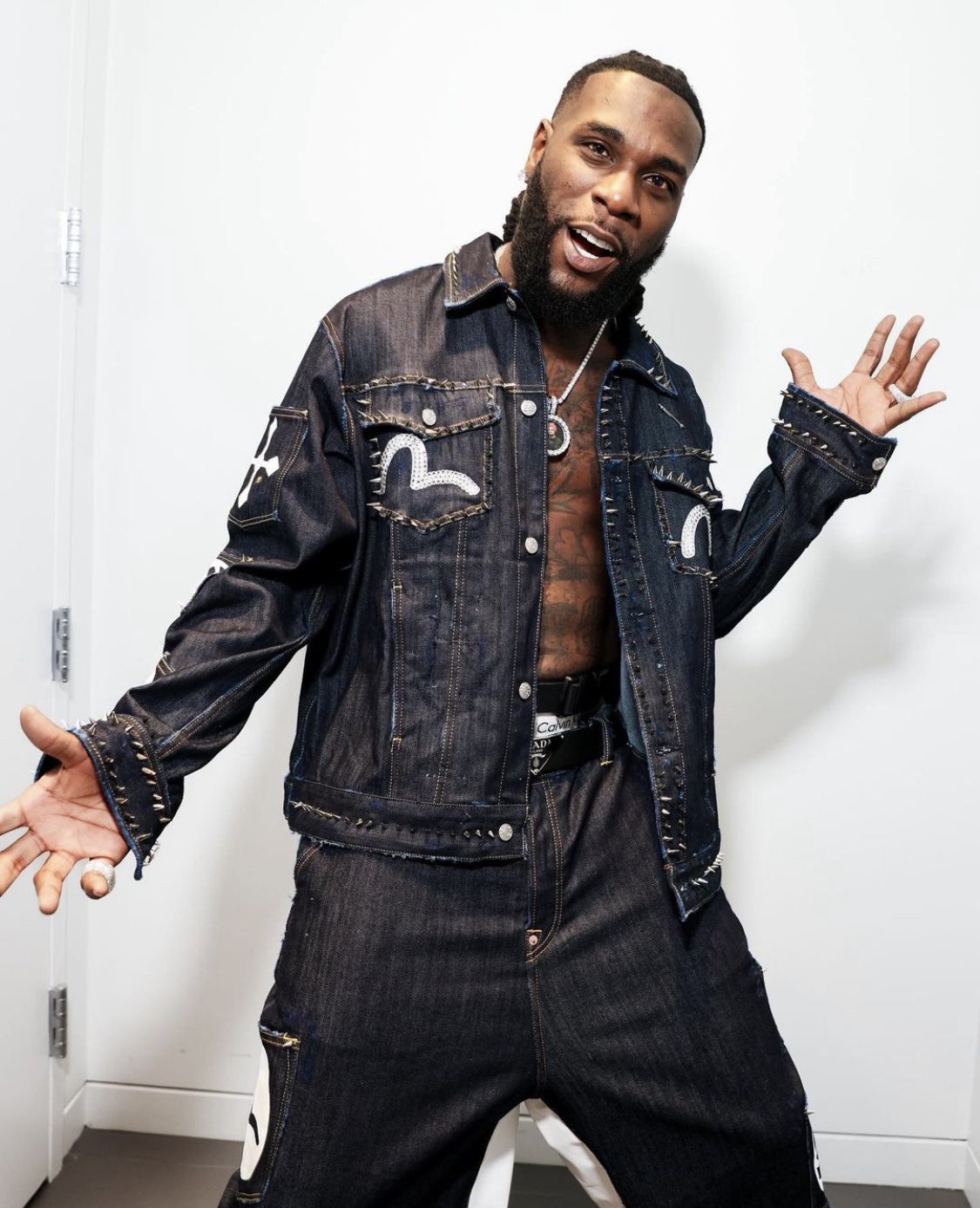

When Damini Ebunoluwa Ogulu calls himself the African Giant, he is not posturing. The Port Harcourt-born singer, rapper, and songwriter known as Burna Boy spent more than a decade fighting his way into rooms that Afrobeats was not supposed to enter, then knocked the doors down on his way through. He is the first solo Nigerian artist to win a Grammy, the first Nigerian to headline Madison Square Garden, and the first Afrobeats artist to sell out London Stadium. None of that arrived by accident.
This Burna Boy biography traces the arc from a rebellious teen kicked out of UK school to a stadium-filling global pop force, with full context on his age, net worth, family, discography, awards, and the cultural impact that has made him one of the most consequential African artists of his generation.
| Quick Facts: Burna Boy | |
|---|---|
| Full Name | Damini Ebunoluwa Ogulu |
| Stage Name | Burna Boy (also known as African Giant) |
| Date of Birth | July 2, 1991 |
| Age | 34 (as of 2026) |
| Place of Birth | Port Harcourt, Rivers State, Nigeria |
| Nationality | Nigerian |
| Profession | Singer, Songwriter, Rapper, Record Producer |
| Years Active | 2010 - present |
| Genre | Afro-Fusion, Afrobeats, Reggae, Dancehall, Hip-Hop |
| Net Worth (est.) | $40 million (2026) |
| Partner | Not publicly known (previously linked to Stefflon Don, 2019-2022) |
| Children | None publicly known |
| Education | Corona Secondary School (Agbara); University of Sussex, UK (did not complete) |
| Record Label | Spaceship Entertainment / Atlantic Records / Bad Habit |
| Manager | Bose Ogulu (his mother) |
| Social Media | Instagram: @burnaboygram | X: @burnaboy |
Table of Contents
Early Life and Background
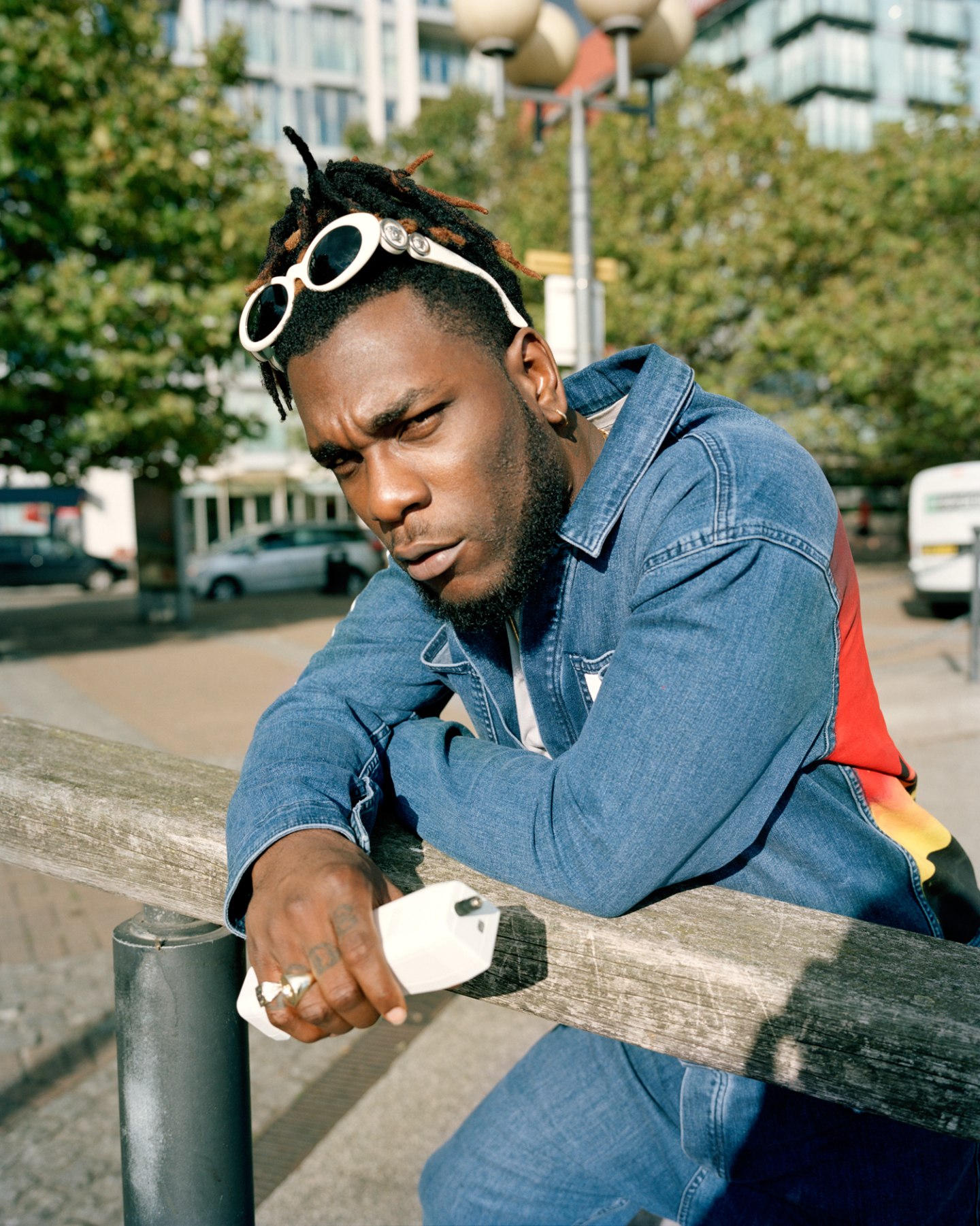
Damini Ebunoluwa Ogulu was born on July 2, 1991, in Port Harcourt, the oil-capital city in southern Nigeria’s Rivers State. His family was middle-class but unusually steeped in Nigerian music history. His maternal grandfather, Benson Idonije, was a renowned music critic and the first manager of Fela Anikulapo Kuti, the architect of Afrobeat. That bloodline mattered. Burna Boy did not stumble into music as an outsider trying to break in. He grew up inside the conversation.
His father, Samuel Ogulu, ran a welding business. His mother, Bose Ogulu, worked as a translator and would eventually become his manager - a role she still occupies and one that has anchored every major label and tour decision of his career. Burna Boy has an older sister, Ronami, and a younger sister, Nissi Ogulu, who is herself an artist, engineer, and the designer behind some of his album visuals.
Music was everywhere in the home. He has said in interviews that he was listening to Fela Kuti records before he understood what they meant, and that his grandfather’s library was the closest thing he had to a formal music education. He started rapping at age 10 and recording on basic equipment by his early teens. Port Harcourt, with its mix of oil-town wealth, militant unrest, and creole music traditions, gave him a worldview that was distinctly different from the Lagos-centric Afrobeats scene he would later disrupt.
Education
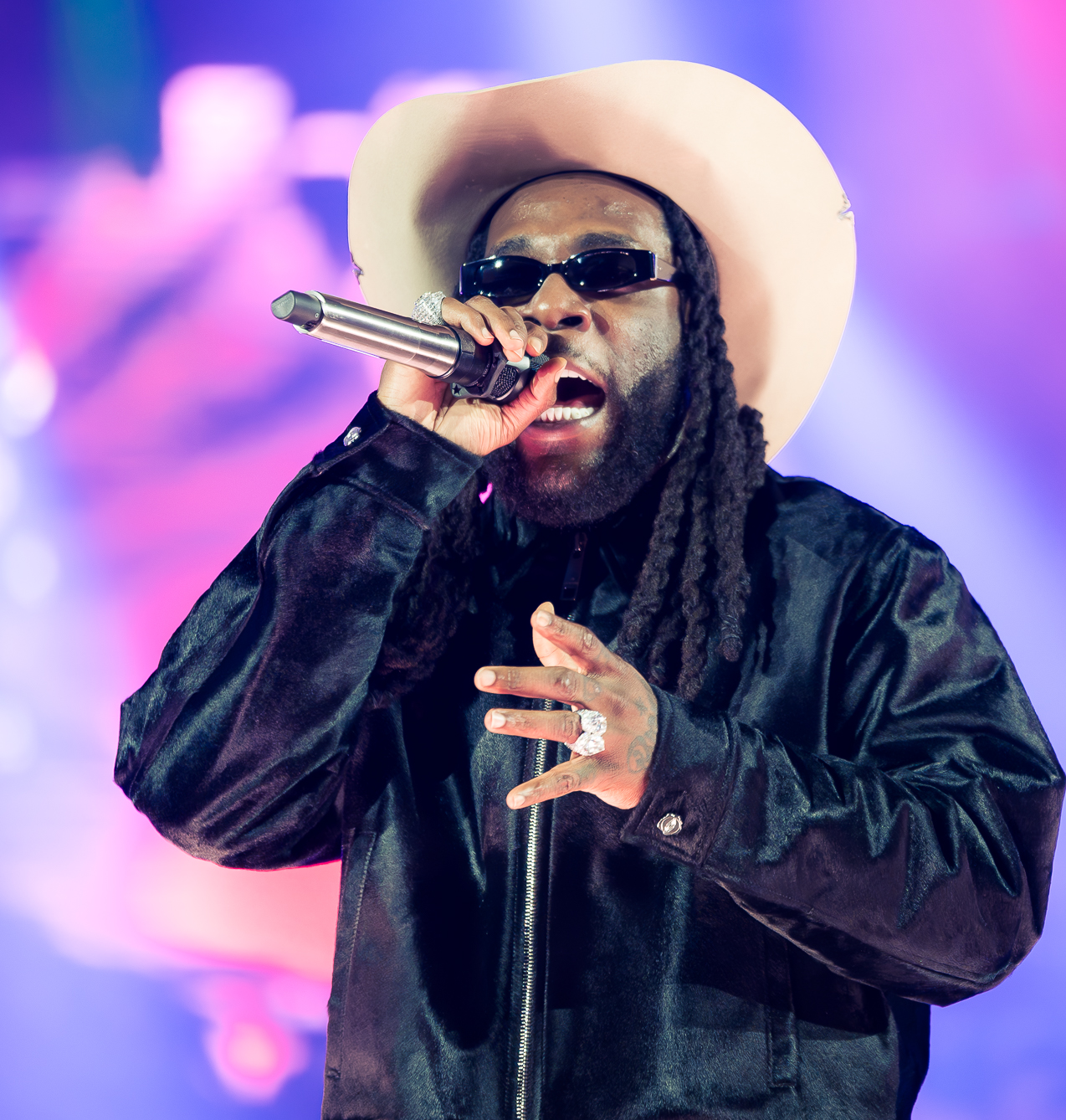
Burna Boy attended Corona Secondary School in Agbara, Ogun State, a respected Nigerian boarding school. He completed his secondary education there before relocating to the United Kingdom for further studies. He enrolled briefly at Sussex Downs College in East Sussex, then went on to the University of Sussex, where he studied media technology and production.
He did not finish his degree. He has said publicly that he was sent home from the UK after run-ins that he describes as racial profiling, and that the experience hardened a worldview that already had been forming in Port Harcourt. He returned to Nigeria around 2010 with no fallback plan beyond music, which by then he was already pursuing seriously. The dropout was a hinge moment. From that point forward, the project was full-time.
Career Beginnings
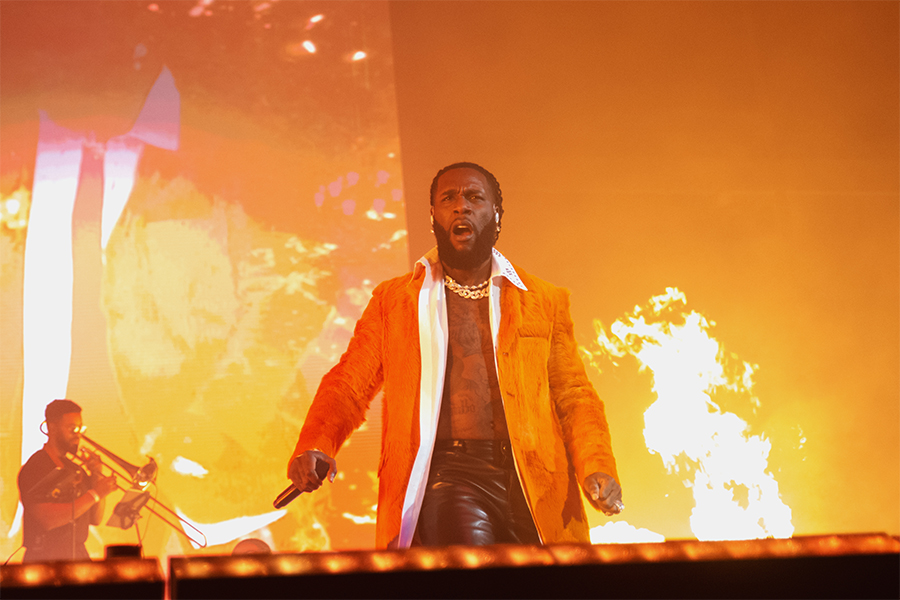
Back in Nigeria, Burna Boy signed with Aristokrat Records, a Port Harcourt-based label founded by Efe Ogbeni. His first major single, “Like to Party,” dropped in 2012. The song was a slow burn but became a defining track of the early-2010s Nigerian club era. It established the template he would refine for years: dancehall-inflected delivery, a hook built for the streets, and a confidence that did not need to apologize.
His debut studio album, L.I.F.E (Leaving an Impact for Eternity), released in August 2013, sold out its physical run on the first day and announced him as a serious commercial force. He was 22 years old. The album was not the radio-friendly Afropop that dominated the era. It was rougher, more lyrical, and deliberately uncommercial in places. Critics flagged his potential. Fans flagged his swagger.
The next few years were turbulent. He left Aristokrat Records over creative and business disputes, briefly aligned with Bayelsa-based label Cash Money AP, then formed his own imprint, Spaceship Entertainment, in 2015. His second studio album, On a Spaceship, released that same year, was a transitional record - longer, more experimental, less commercially focused. Industry insiders started writing Burna Boy off as a talent who could not commercialize his vision. They were premature.
The Breakthrough
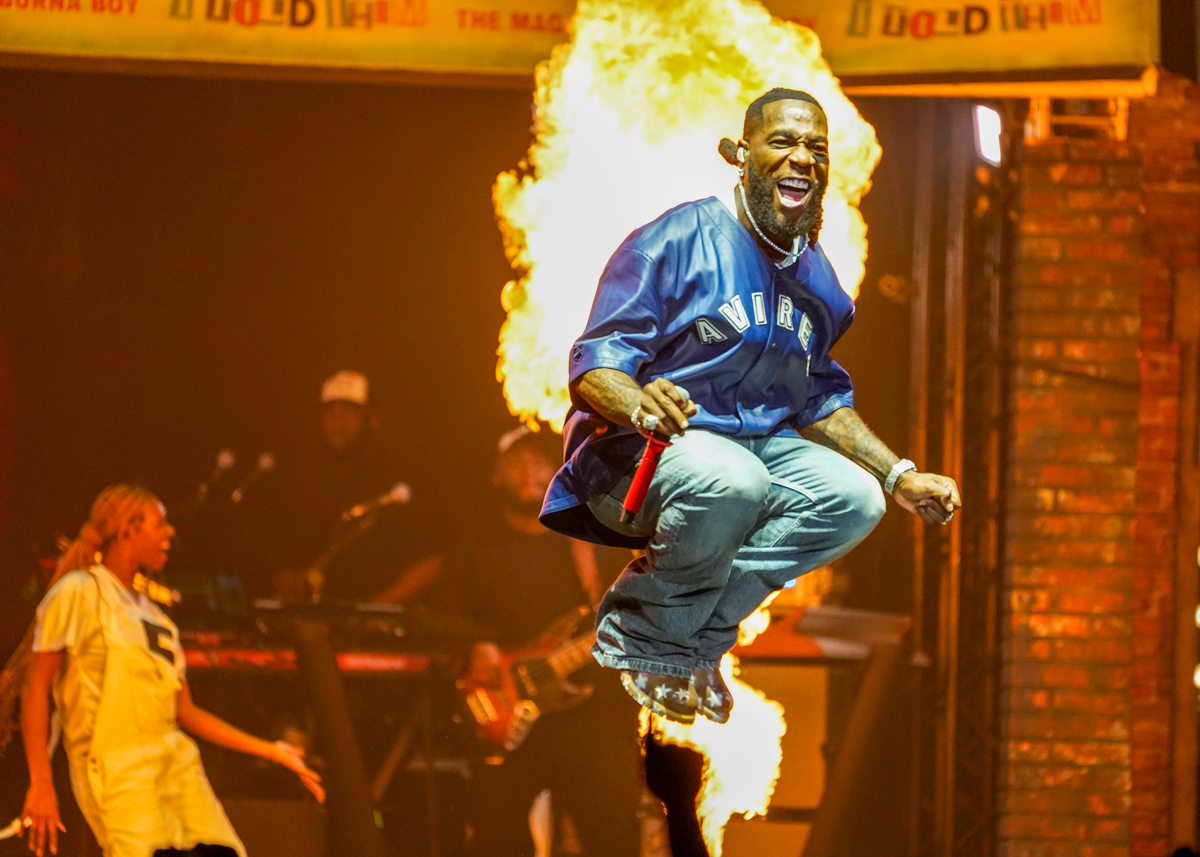
The turning point arrived in mid-2018 with a song called “Ye.” Recorded in part as a freestyle and released ahead of his third studio album Outside, the track exploded after Kanye West unrelated to it released an album by the same name - causing massive search confusion that funneled millions of new listeners to Burna Boy’s track. He could have collapsed under the controversy. Instead, he used it. “Ye” became one of the defining Afrobeats songs of the late 2010s and the moment Burna Boy stopped being a Nigerian artist and became a global one.
Outside (2018), released on Bad Habit / Atlantic Records, marked his entry into the international major-label system. The album was confident, lean, and unmistakably his. It contained “Ye,” “Gbona,” and “On the Low,” each of which charted internationally. By the end of 2018, he was performing on Coachella’s secondary stages, drawing crowds that included Beyoncé and JAY-Z.
The Beyoncé connection mattered. In 2019, she invited Burna Boy to contribute to The Lion King: The Gift, the companion album to her live-action Lion King soundtrack. His track “Ja Ara E” cemented his presence in the global pop conversation. By the time he released African Giant in July 2019, he was no longer arguing for a seat at the table. He was setting it.
Career Highlights and Major Works
African Giant (2019)
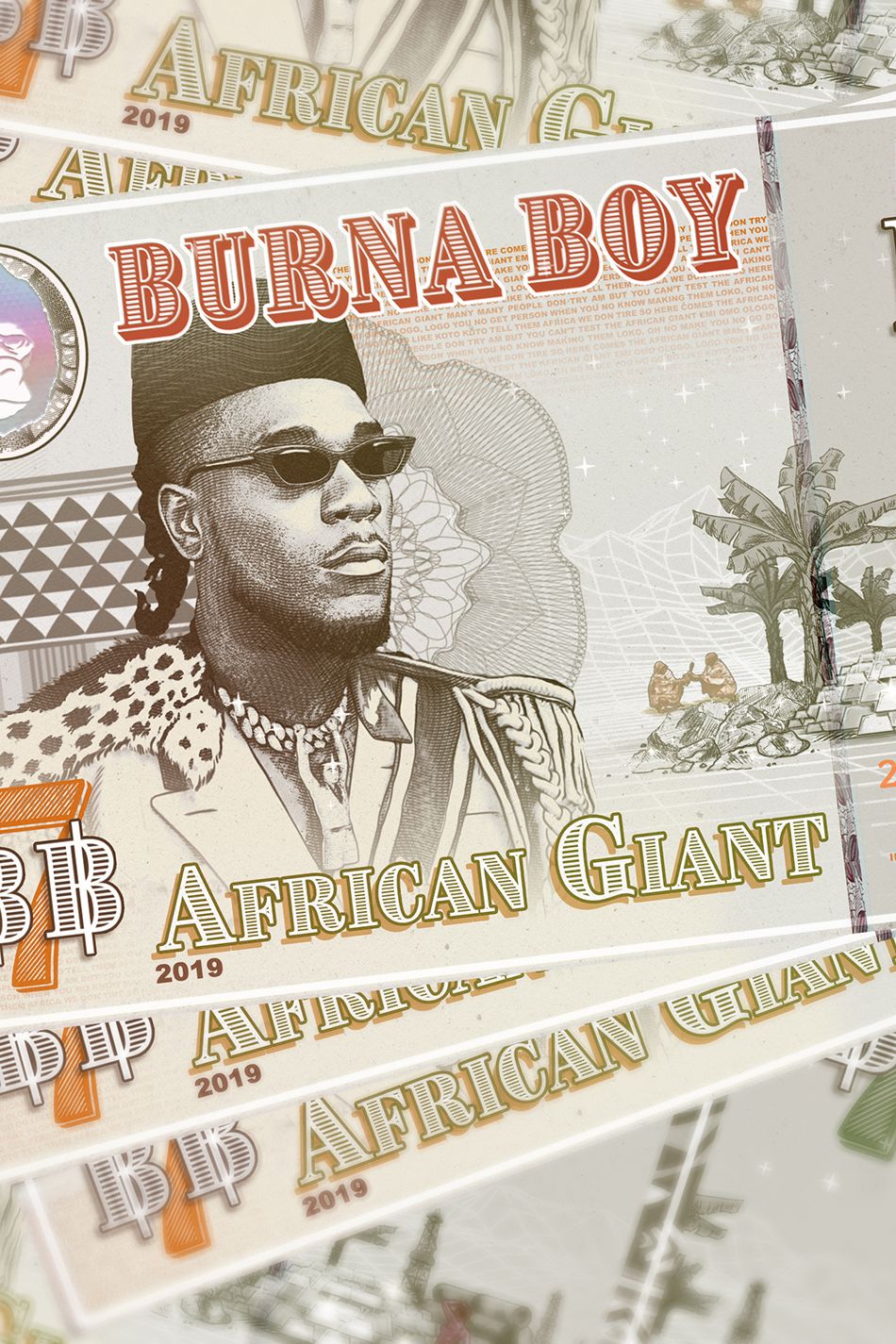
African Giant was Burna Boy’s manifesto. Nineteen tracks long, deliberately Pan-African in collaborations (Damian Marley, Angelique Kidjo, Future, Jorja Smith), and unapologetically political, the album positioned him as the spokesman for a generation of African artists demanding global respect. It earned him his first Grammy nomination, for Best World Music Album at the 2020 ceremony. He did not win - Angelique Kidjo did, beating him to it - but the nomination itself was historic.
Twice as Tall (2020) and the Grammy Win
If African Giant was the announcement, Twice as Tall was the coronation. Released August 14, 2020, the album was co-executive produced by Sean “Diddy” Combs and Bose Ogulu. It featured collaborations with Chris Martin, Stormzy, Sauti Sol, and Naughty by Nature. In March 2021, Twice as Tall won the Grammy Award for Best Global Music Album - making Burna Boy the first solo Nigerian artist ever to win a Grammy in any category. His acceptance speech, delivered from Lagos, was watched live across Africa.
Love, Damini (2022)
His sixth studio album, Love, Damini, dropped on his 31st birthday in July 2022. It was longer, more introspective, and commercially the most successful album of his career to that point. The album powered a global stadium tour that included his historic Madison Square Garden headline show on April 28, 2022 - the first time a Nigerian artist had headlined the venue. He followed it with the first Afrobeats-led sell-out of London Stadium on June 3, 2023, drawing roughly 80,000 fans.
I Told Them… (2023) and No Sign of Weakness (2025)
I Told Them…, released August 2023, leaned harder into hip-hop than any prior Burna Boy project. It featured GZA, RZA, J. Cole, 21 Savage, and Dave, and pushed his Afro-Fusion label into rap territory. Critics were divided on the album’s cohesion but praised its ambition. He followed it in 2025 with No Sign of Weakness, a return to Afrobeats fundamentals that re-anchored him after the rap detour.
Major Collaborations
Burna Boy has built a collaboration resume that few African artists can match. Beyond his label-mates and African peers, he has worked with Ed Sheeran (“For My Hand”), Sam Smith, Stormzy, Future, Dave, Sia, Stefflon Don, and Becky G. His feature on Wizkid’s “Ginger” (Made in Lagos, 2020) is one of the most-streamed Afrobeats collaborations of all time. See more biographies on Sidomex Entertainment.
Awards and Achievements
Burna Boy’s awards shelf is the most decorated of any Nigerian artist in history. The list includes:
| Year | Award | Category | Result |
|---|---|---|---|
| 2021 | Grammy Awards | Best Global Music Album (Twice as Tall) | Won |
| 2020 | Grammy Awards | Best World Music Album (African Giant) | Nominated |
| 2024 | Grammy Awards | Best Global Music Performance (“City Boys”) | Nominated |
| 2019 | BET Awards | Best International Act | Won |
| 2020 | MTV EMA | Best African Act | Won |
| 2021 | MOBO Awards | Best African Act | Won |
| 2023 | BRIT Awards | Best International Song (“Last Last”) | Nominated |
| 2019, 2022 | Headies Awards | Multiple, including Album of the Year | Won |
| 2023 | NAACP Image Awards | Outstanding International Song | Won |
Beyond traditional awards, his historic firsts speak louder. First solo Nigerian Grammy winner. First Nigerian artist to headline Madison Square Garden. First Afrobeats artist to sell out London Stadium. First Nigerian artist to debut in the Billboard 200 Top 20 (Love, Damini).