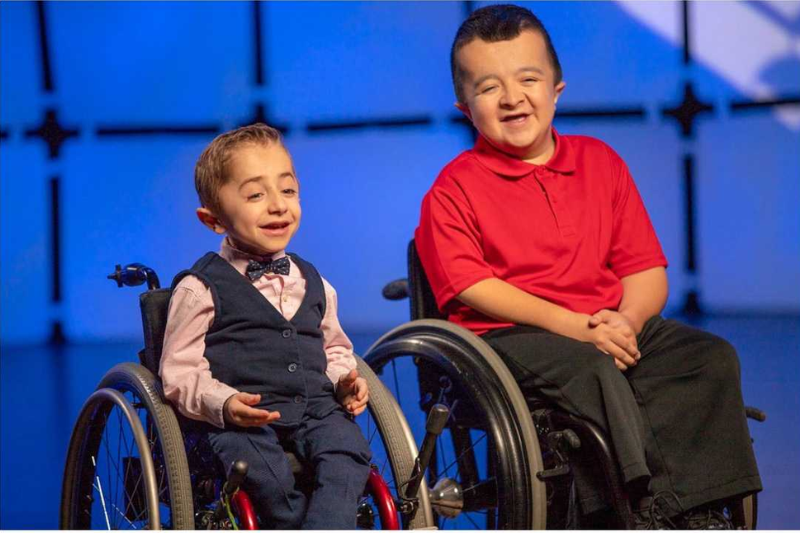
Shriners Hospitals for Children has long been a beacon of hope, providing life-changing care to children with severe medical conditions at no cost to their families. Known for their heartfelt commercials featuring young ambassadors like Alec Cabacungan and Kaleb-Wolf De Melo Torres, Shriners has inspired millions.
However, controversy surrounds the institution, leading many to question its practices. Here, we look into the so-called Shriners Hospital scandal, and the allegations, and uncover the truth behind the claims.
Who Are Alec and Kaleb?
Alec Cabacungan
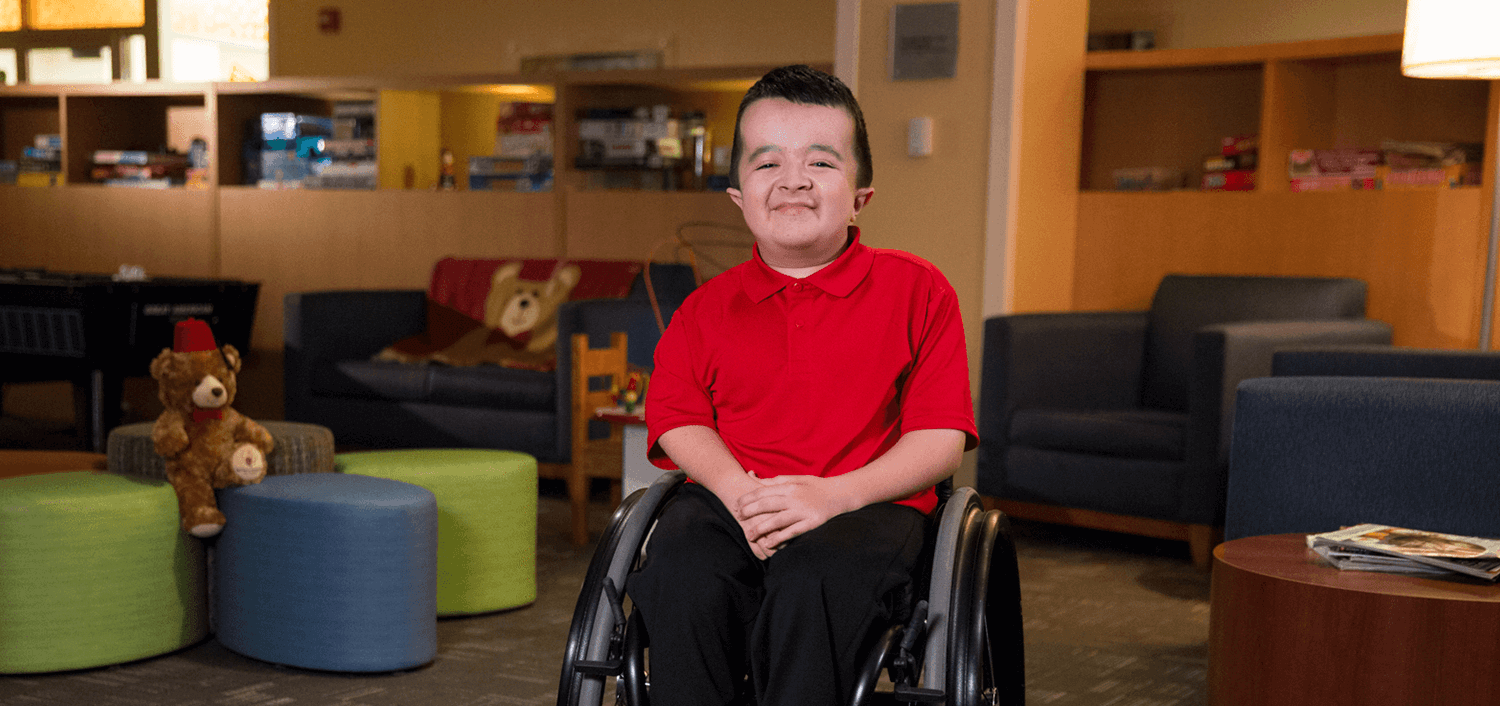
Alec Cabacungan, born with Osteogenesis Imperfecta (commonly known as brittle bone disease), has been a Shriners patient since birth. His condition causes fragile bones that break easily, yet Alec has never let it define him. He has undergone numerous surgeries and treatments at Shriners, becoming one of the hospital’s most recognized faces.
Role: Alec rose to fame as a patient ambassador, appearing in commercials to share his journey and encourage donations.
Public Figure: Beyond his commercials, Alec is now a motivational speaker and has collaborated with brands like Nike and McDonald’s.
Fun Fact: Alec is a sports enthusiast and hopes to become a sports broadcaster.
Kaleb-Wolf De Melo Torres
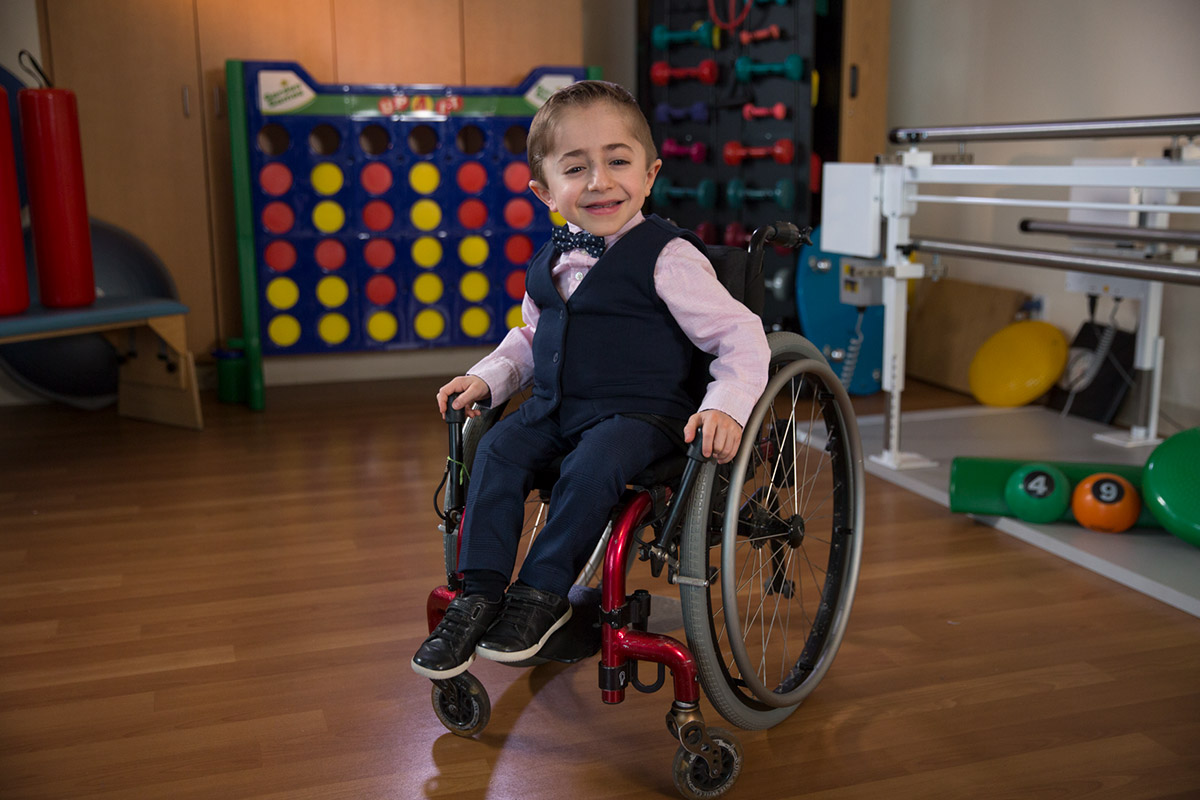
Kaleb-Wolf De Melo Torres, also born with Osteogenesis Imperfecta, shares a similar story. He has undergone intensive treatment and become an essential part of Shriners’ fundraising campaigns. His infectious smile and resilience have won hearts worldwide.
Role: Like Alec, Kaleb is a prominent ambassador who is frequently featured in commercials.
What Is the Shriners Hospital Scandal?
Despite its good work, Shriners Hospitals for Children has faced criticism over its advertising methods, leading to what is now referred to as the Shriners Hospital scandal. Here’s a breakdown of the allegations:
1. Exploitation Claims: Critics argue that Shriners’ commercials exploit children with disabilities to solicit donations. The use of children with visible physical impairments (e.g., missing limbs or speech impediments) has led some to accuse the organization of using sympathy as a marketing tool.
2. Scripted Commercials: Shriners has been accused of scripting their commercials in a way that feels unnatural, with some claiming that children are reading lines written for adult actors. This has raised questions about whether the ambassadors’ voices are being authentically represented.
3. Financial Transparency: Shriners Hospitals has faced scrutiny over its financial practices, with some questioning how donations are allocated. Concerns about high administrative costs and salaries for executives have added to the skepticism.
Shriners’ Response
Shriners denies these allegations, emphasizing their commitment to transparency and patient care. They argue that their commercials are designed to highlight real stories of hope and resilience, inspiring donors to contribute to their mission.
Do Alec and Kaleb Get Paid for Their Commercials?
One of the most frequently asked questions is whether Alec and Kaleb are compensated for their roles in Shriners commercials. The answer remains unclear, as Shriners has not publicly disclosed this information. However, some reports suggest Alec’s net worth is between $500,000 and $1 million, hinting at potential compensation or earnings from other ventures.
Alec’s Partnerships: Alec has partnered with brands like Pepsi and McDonald’s, which may contribute to his reported net worth.
Kaleb’s Earnings: There’s little information available about Kaleb’s financial situation, leading to ongoing speculation.