
Table of Contents
- An Unexpected Musical Journey
- From Folk Darling to Children’s Champion
- Raffi’s Influence and Enduring Legacy
- Artistic Evolution and Personal Growth
- Industry Reaction and Fan Response
- What’s Next for Marling
An Unexpected Musical Journey

In what might be the most surprising album release of the year, Laura Marling has caught the music world completely off guard with “Laura Sings Raffi,” a collection of covers dedicated to the beloved children’s entertainer Raffi Cavoukian. The British folk singer-songwriter, known for her introspective lyrics and sophisticated guitar work, announced the project with characteristic understated confidence, describing it as “a logical next step” in her artistic evolution. This unexpected pivot from her typically adult-oriented indie folk material to children’s music represents one of the most intriguing career moves in recent memory. The album arrives without the usual fanfare of promotional campaigns or advance singles, dropped directly onto streaming platforms in true surprise-release fashion.

The 12-track collection features Marling’s distinctive interpretations of Raffi classics including “Baby Beluga,” “Down by the Bay,” and “Bananaphone,” transformed through her lens of fingerpicked acoustic arrangements and crystalline vocals. Rather than simply transposing the original melodies, Marling has approached each song with the same artistic rigor she brings to her original compositions, creating arrangements that feel both faithful to Raffi’s spirit and unmistakably her own. Her version of “Baby Beluga” strips away the original’s playful production in favor of gentle guitar arpeggios and layered harmonies that somehow make the whale’s story feel both more intimate and more universal. The result is an album that works equally well for children discovering these songs for the first time and adults revisiting them through Marling’s sophisticated musical perspective.
From Folk Darling to Children’s Champion

Marling’s journey from Mercury Prize-nominated folk artist to children’s music interpreter might seem unlikely, but it reflects a growing trend of established artists exploring new creative territories without fear of genre boundaries. The 34-year-old musician, who first gained attention as a teenager in the London folk scene, has never shied away from artistic risks throughout her decade-plus career. Her previous seven studio albums have consistently pushed the boundaries of contemporary folk music, incorporating elements of jazz, classical, and experimental music while maintaining her core identity as a storyteller and melodic craftsperson. This latest project represents perhaps her boldest creative leap yet, demonstrating the confidence that comes with artistic maturity and commercial independence.
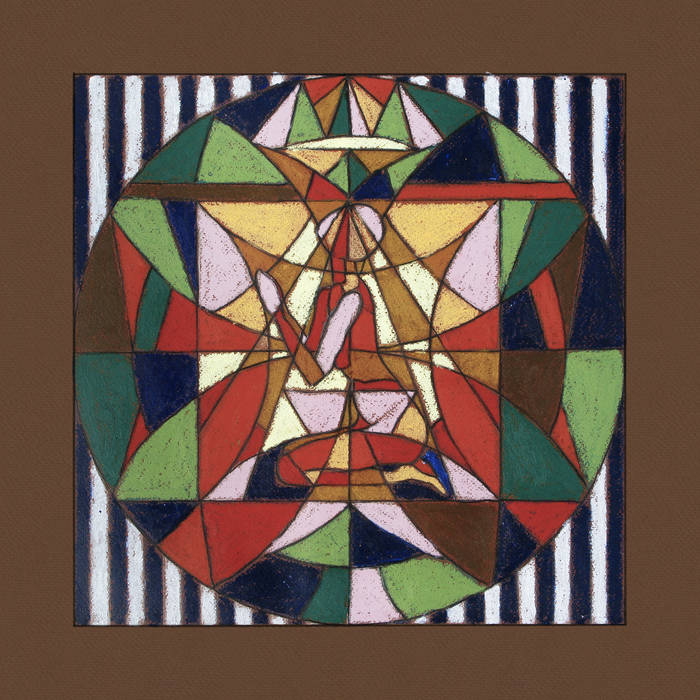
The decision to tackle Raffi’s catalog specifically speaks to Marling’s appreciation for timeless songcraft and meaningful lyrics. In recent interviews, she has spoken about rediscovering children’s music during the pandemic and being struck by its emotional directness and universal themes. Unlike much contemporary children’s entertainment, Raffi’s songs deal with environmental consciousness, kindness, and wonder about the natural world - themes that align closely with Marling’s own artistic values. Her arrangements emphasize these deeper meanings while preserving the joy and accessibility that made the originals so enduring. The result feels less like a novelty project and more like a natural extension of her ongoing exploration of what folk music can be and do.
Raffi’s Influence and Enduring Legacy

To understand the significance of Marling’s tribute, it’s worth considering Raffi Cavoukian’s remarkable impact on children’s music over the past four decades. The Egyptian-born, Canadian-raised musician became a global phenomenon in the 1980s with albums like “Baby Beluga” and “Rise and Shine,” selling millions of records and becoming a staple of childhood for multiple generations. His approach to children’s music was revolutionary in its respect for young audiences - he avoided talking down to children and instead created songs that celebrated their intelligence and curiosity. Raffi’s environmental activism and advocacy for children’s rights also set him apart from typical children’s entertainers, making him a respected figure beyond the music world.

Marling’s choice to honor this legacy comes at a time when Raffi’s influence is being reassessed by a new generation of parents and musicians. His songs have proven remarkably durable, continuing to resonate with families decades after their original release. By applying her interpretive skills to this material, Marling is essentially arguing for Raffi’s recognition as a serious songwriter whose work deserves the same critical attention given to other folk music pioneers. Her arrangements highlight the sophisticated melodies and thoughtful lyrics that might be overlooked in more production-heavy versions, revealing the craft behind songs often dismissed as simple children’s fare. This artistic validation feels particularly timely as streaming platforms and playlist culture have created new opportunities for children’s music to reach wider audiences.