
Table of Contents
- False Claims Emerge on Social Media
- University Responds to Viral Misinformation
- The Power and Peril of Social Media in Nigeria
- Celebrity Culture and Campus Safety Concerns
- Lessons in Digital Responsibility
False Claims Emerge on Social Media
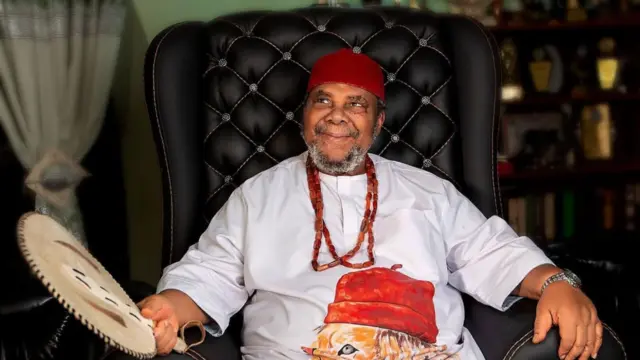
The power of social media to spread information at lightning speed has once again proven to be a double-edged sword, particularly when false narratives gain traction among Nigerian entertainment circles. This week, Ladoke Akintola University of Technology (LAUTECH) found itself at the center of a viral misinformation campaign that threatened to damage both the institution’s reputation and the broader conversation around celebrity safety on university campuses. The incident began when a Twitter user named Rasaq Hammed posted claims suggesting that the university had been closed due to alleged attacks on celebrities, sparking widespread concern and confusion across Nigerian social media platforms. What followed was a perfect example of how quickly unverified information can spread in our interconnected digital age, particularly when it involves the intersection of celebrity culture and educational institutions.
The allegations quickly gained momentum as they circulated through various entertainment news channels and social media platforms, with many users sharing and commenting on the supposed incident without verifying the information. The story particularly resonated within Nigerian entertainment circles, where discussions about celebrity safety and public appearances have become increasingly relevant. As the claims spread, they began to take on a life of their own, with various versions of the story emerging and additional details being added by different users, despite the lack of any official confirmation from the university or relevant authorities.
University Responds to Viral Misinformation

In response to the growing concern and media attention surrounding the false claims, LAUTECH officials moved quickly to address the misinformation and set the record straight. The university’s administration issued official statements categorically denying any incidents involving celebrities on their campus and confirming that normal academic activities were proceeding without interruption. Their swift response highlighted the importance of institutional communication in the digital age, where false narratives can quickly spiral out of control if left unchecked. The university’s public relations team worked diligently to counter the spread of misinformation across multiple platforms, reaching out to major Nigerian entertainment blogs and news outlets to ensure accurate information was being disseminated.
The institution’s response also shed light on the broader challenges that Nigerian universities face in managing their public image in an era of instant communication and viral content. University officials emphasized their commitment to maintaining a safe and secure environment for all students, staff, and visitors, while also addressing concerns about how quickly false information can impact institutional operations. Their measured approach to debunking the claims demonstrated the delicate balance that educational institutions must strike between addressing misinformation and avoiding further amplification of false narratives.
The Power and Peril of Social Media in Nigeria

This incident serves as a compelling case study in how social media platforms have fundamentally transformed the landscape of information sharing in Nigeria’s entertainment industry. The speed at which the false claims about LAUTECH spread across Twitter, Instagram, and other platforms demonstrates both the incredible reach of social media and the potential for misinformation to cause real-world consequences. Nigerian social media users, particularly those engaged with entertainment content, have become accustomed to receiving breaking news and celebrity updates through these channels, often without the traditional gatekeeping mechanisms that once characterized mainstream media. This shift has democratized information sharing but has also created new challenges in terms of verification and accuracy.
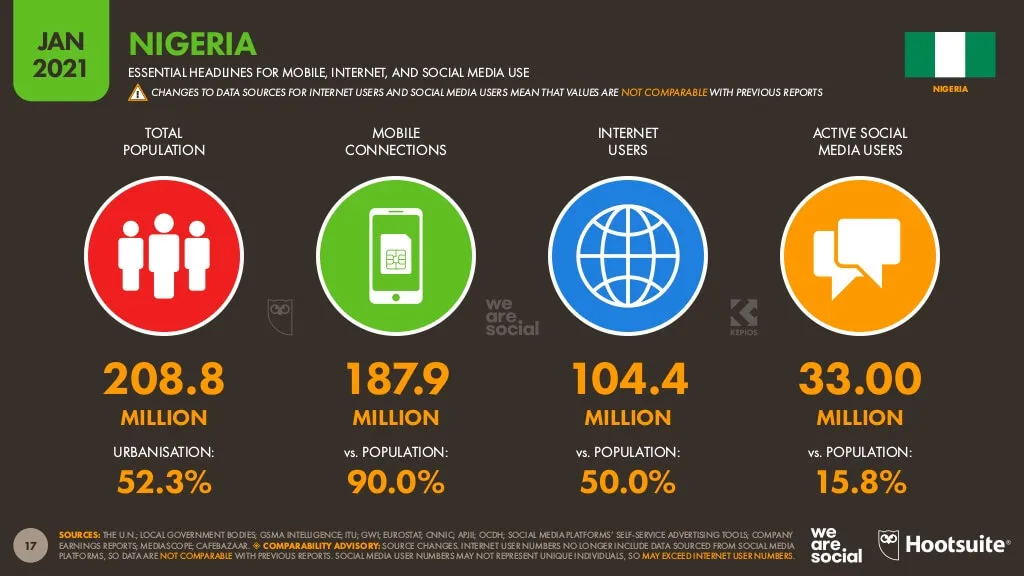
The entertainment industry in Nigeria, particularly with the global rise of Afrobeats and Nollywood, has created an environment where celebrity-related news travels incredibly quickly across social networks. Fans and entertainment enthusiasts are eager to share and discuss the latest developments, sometimes prioritizing speed over accuracy in their rush to be part of the conversation. This cultural phenomenon, while fostering vibrant online communities around Nigerian entertainment, also creates fertile ground for misinformation to take root and spread rapidly among engaged audiences who may not always pause to verify the information they’re sharing.