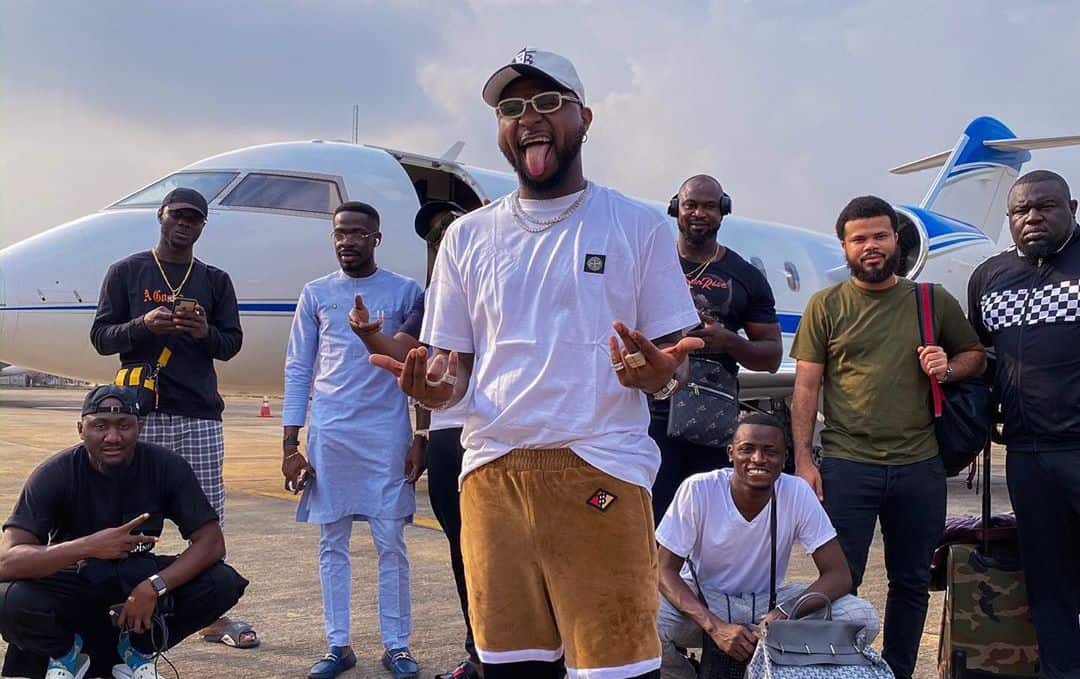
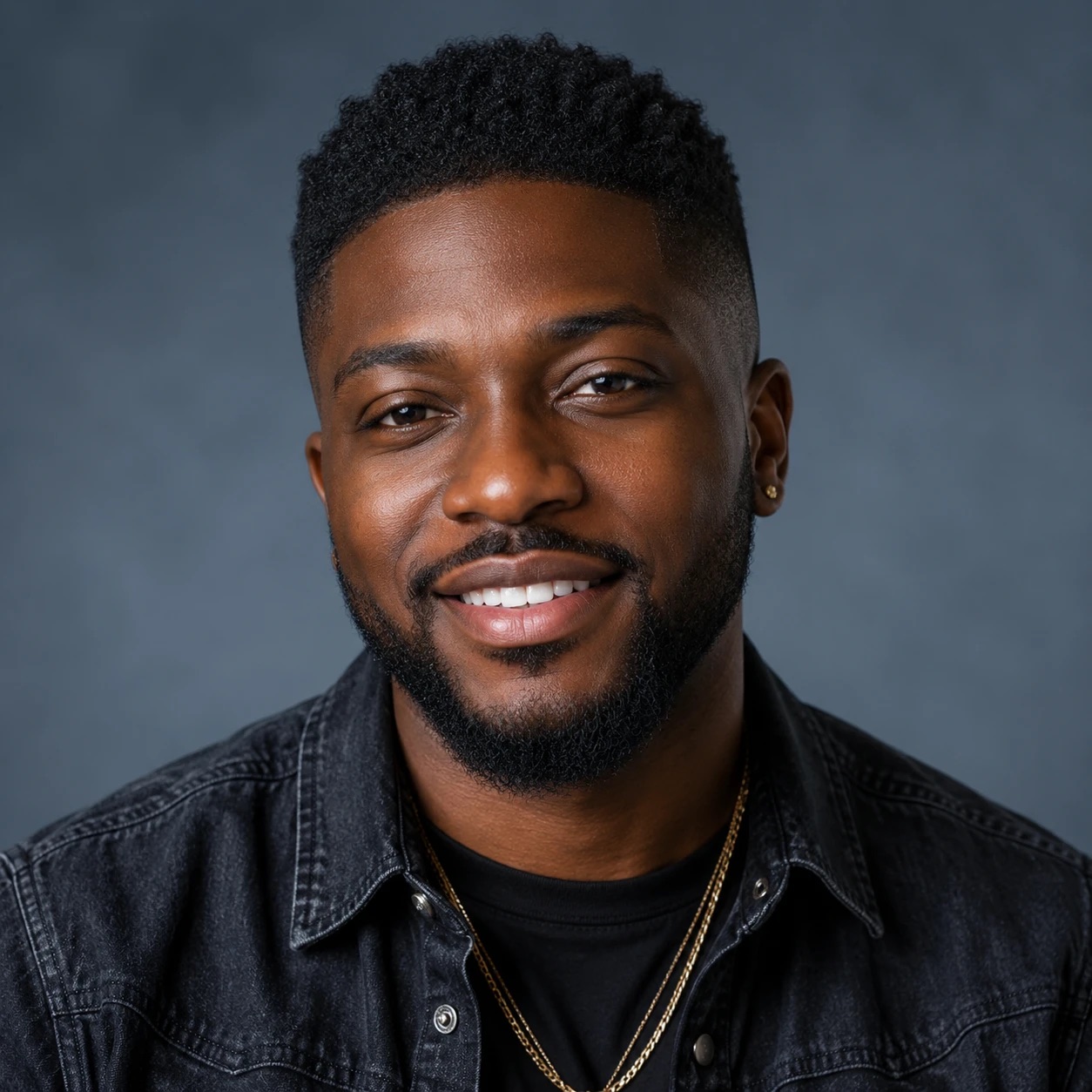
No African pop star of the streaming era has built more visibly in public than David Adedeji Adeleke. Born November 21, 1992, in Atlanta, Georgia, raised between the United States and Lagos, and operating under the name Davido since 2011, he has spent more than a decade turning a personal entourage into a working business. The hits are his. The empire is not solo. Behind the stadium tours, the Grammy nominations, the brand deals, and the cultural footprint of Afrobeats’ biggest commercial export sits a layered network of cousins, childhood friends, signees, producers, DJs, and family members who have shaped every chapter of the story.
To understand Davido without understanding his circle is to miss the point. The 30 Billion Gang movement, the DMW label, the HKN era before it, and the social-media-fueled loyalty culture that surrounds him are all functions of who he keeps close. Some of those people built him. Some he built. Some came up alongside him and walked away on good terms. A few left in public spectacle. Profiling the inner circle is profiling the artist.
The Family Layer: Adelekes by Blood
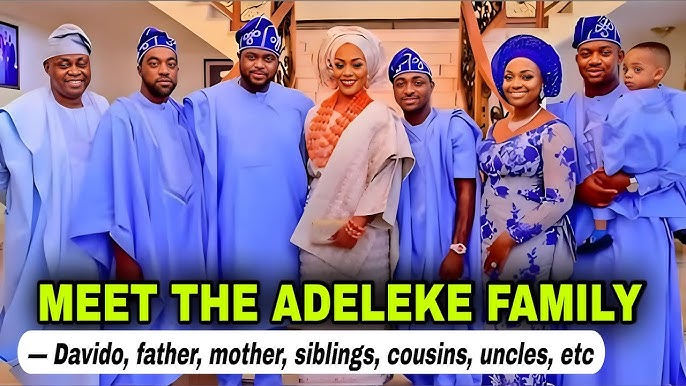
The first ring is family, and the family is not ordinary. Davido’s father, Adedeji Adeleke, is a Nigerian billionaire industrialist, the founder of Pacific Holdings and one of the wealthiest men in the country. The myth of the rich-kid rapper turning into a real-deal hitmaker has been part of Davido’s story since “Dami Duro” broke in 2011, and the family wealth gave him a launchpad almost no peer had. What gets discussed less is how the rest of the family operates around him.
His older brother, Adewale Adeleke, has long handled the business-mind side of the operation. Adewale’s initials gave the early label its name: HKN Music. Founded in 2012, HKN was Davido’s first attempt at building beyond himself, and it served as the early home for cousins and early signees before the project quietly gave way to DMW in 2016.
The Adeleke cousins matter on their own terms. B-Red, born Adebowale Adedeji, has been a recording artist in the camp since the HKN days and remains a fixture of the DMW family. Sina Rambo, born Oluwasina Adewale Ayomide Adeleke, also started at HKN and pursued his own music career, with a few publicized off-stage incidents along the way that occasionally pulled the family name into tabloid cycles. Neither has matched Davido’s commercial ceiling, but both anchor the blood-tier of the crew.
The political dimension sits one rung up. Davido’s uncle, Ademola Adeleke, became governor of Osun State in 2022 after a long career in PDP politics. The family’s political weight, combined with the entertainment empire, makes the Adelekes one of the most prominent multi-sector dynasties in Nigeria. That visibility has a cost: heightened scrutiny, security considerations, and the constant blur between personal life and public spectacle that defines life inside a famous Nigerian family.
HKN to DMW: The Label Pivot
The 2012-to-2016 stretch is critical for understanding how the empire was structured. HKN Music was the first vehicle. It signed Sina Rambo, served as the early platform for the cousins, and operated more like a family company than a competitive label. By 2016, Davido was a different kind of star, and the operation needed a different kind of brand.
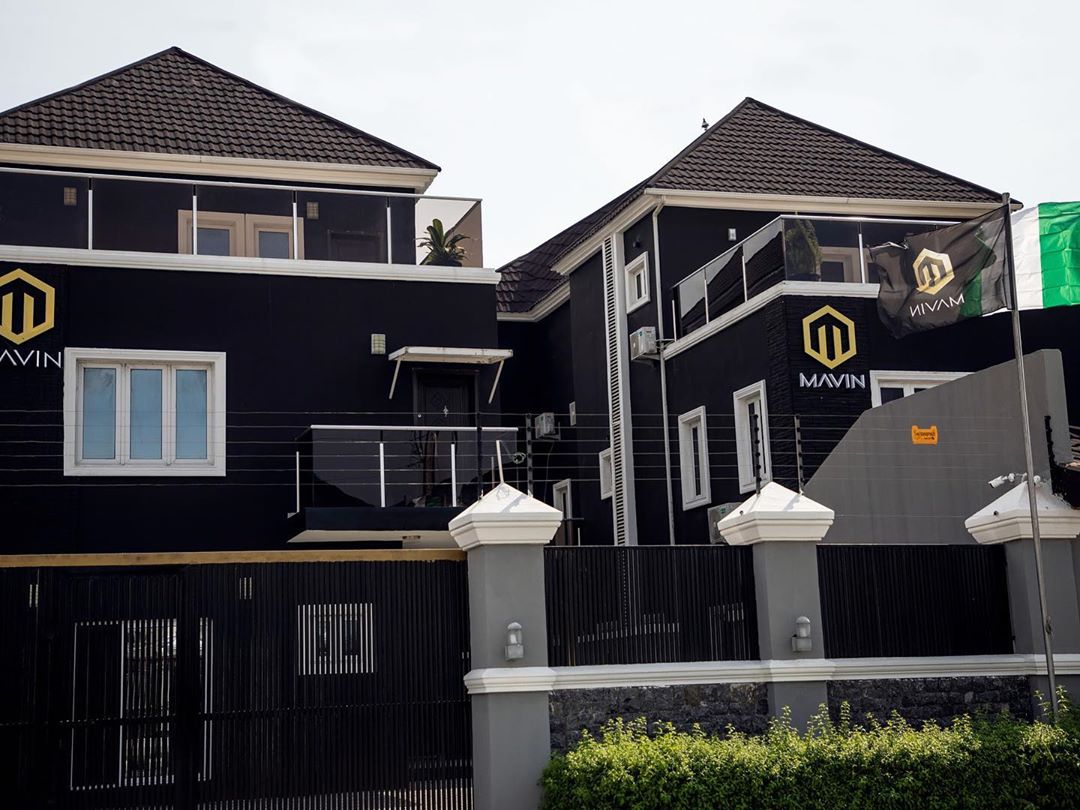
Davido Music Worldwide, launched in 2016, was that rebrand. DMW was tighter, more focused on identifying and developing signees with real commercial upside, and explicitly aligned with the “30 Billion Gang” identity that had already taken hold among fans. HKN didn’t disappear so much as recede. DMW became the active label, and 30BG became the cultural shorthand.
The “30 Billion” phrasing came from Davido himself, a flex turned mantra turned full-on movement. Fans adopted it. The crew lived it. By 2017, “30BG” was a self-identifying community of supporters and a marker of crew membership, and it gave Davido something few of his peers had: a fan brand strong enough to organize loyalty at scale.
The Signee Layer: The Hits, The Splits, The Current Roster
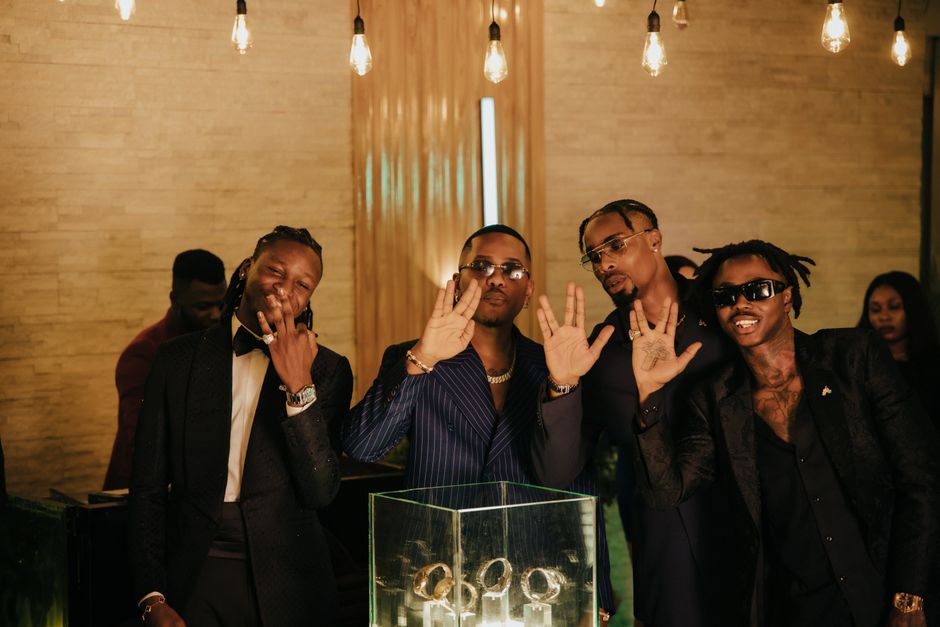
DMW’s commercial track record has been built on a handful of breakout signees, and the story of each one tells you something different about how Davido operates.
Mayorkun
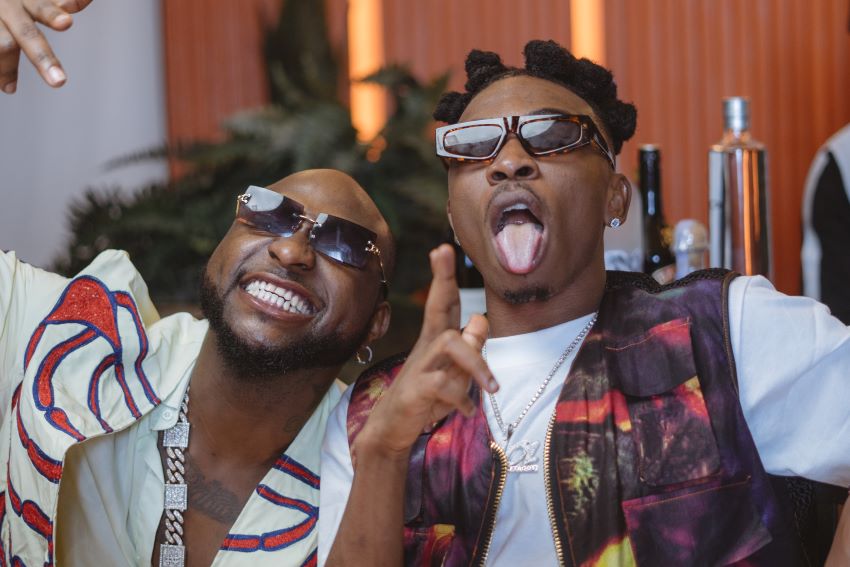
Adewale Mayowa Emmanuel, known as Mayorkun, was DMW’s biggest commercial breakthrough, and his backstory is part of why. Born in Lagos in March 1994 to the writer Toyin Adewale-Gabriel, he trained as an accountant at Lead City University in Ibadan and was on a conventional white-collar path before music pulled him off it, which is where the “from banker to Afrobeats star” framing comes from. Davido spotted him on social media in 2016, signed him to DMW, and within months “Eleko” announced him as far more than a protege. The hits stacked up quickly across the late 2010s and early 2020s, from the 2018 album “The Mayor of Lagos” to the 2020 smash “Geng,” and the nickname stopped reading as a boast and started reading as fact. In 2023, he formally went independent, leaving DMW on what appeared to be friendly terms and building his own imprint. The split looked less like a fracture than a graduation, the kind of mature label exit the African industry does not always manage cleanly. He still tours under his own banner and stays close enough to Davido that a co-sign is a phone call away.
Peruzzi
Tobechukwu Victor Okoh, known as Peruzzi, joined DMW and quickly became its most important behind-the-scenes asset. He wrote or co-wrote a string of Davido smashes, including “Aye,” “Fia,” and “FEM,” and built his own artist career on top. Peruzzi went independent between 2022 and 2023, and the move was widely read as another amicable separation. His fingerprints remain on some of Davido’s most-streamed work.
Dremo
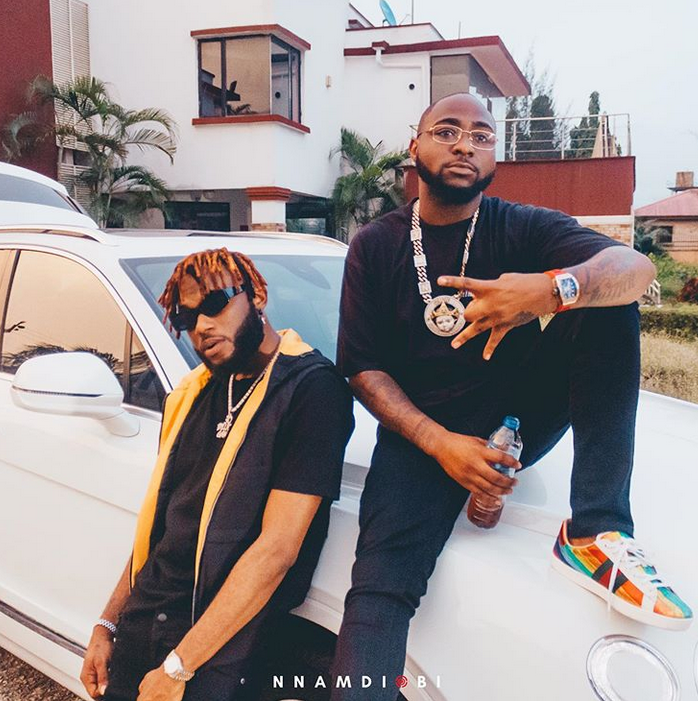
Adekunle Dapo Dremo had his breakout window between 2017 and 2019 as DMW’s rap voice. He has been less active in the DMW orbit in recent years, though the catalog he built during the peak years still circulates.
The Wider Roster
B-Red has been on the label across both the HKN and DMW eras. Ichaba, born Stephen Ichaba, signed on as a rapper and contributed to the crew’s hip-hop side. Yonda has put out singles and features under the DMW banner. Boy Spyce, a newer signee, represents the more recent generation, brought in to keep the roster current as older signees branched out.
The pattern that emerges is a label more interested in developing artists into franchises than in locking them down forever. Mayorkun and Peruzzi both left, both kept the relationships intact, and both still appear in 30BG conversations.
The DJ Layer
Every modern African superstar needs a DJ who can hold a global crowd, and Davido has cycled through a few.
DJ Aloma, born Adewale Akoja and known on stage as Aloma DMW, has had the longest official tenure. He travels with Davido on international runs, plays the sets, and functions as part touring DJ, part crew lieutenant. Aloma’s profile inside 30BG is high without being competitive with Davido’s, which is part of why the partnership has held.
DJ ECool, born Olalekan Bashir, was a longtime crew DJ whose relationship with Davido fractured publicly in 2018 before eventually being repaired. The split-and-return arc made ECool a case study in how DMW handles internal blowups: airing happens, time passes, reconciliation follows, the work resumes.
DJ Spinall sits in a different category. He’s a close friend and frequent collaborator rather than an employee, more peer than crew, and a fixture across multiple Afrobeats camps. He represents the kind of relationship Davido has with industry-tier DJs who move freely between artists.