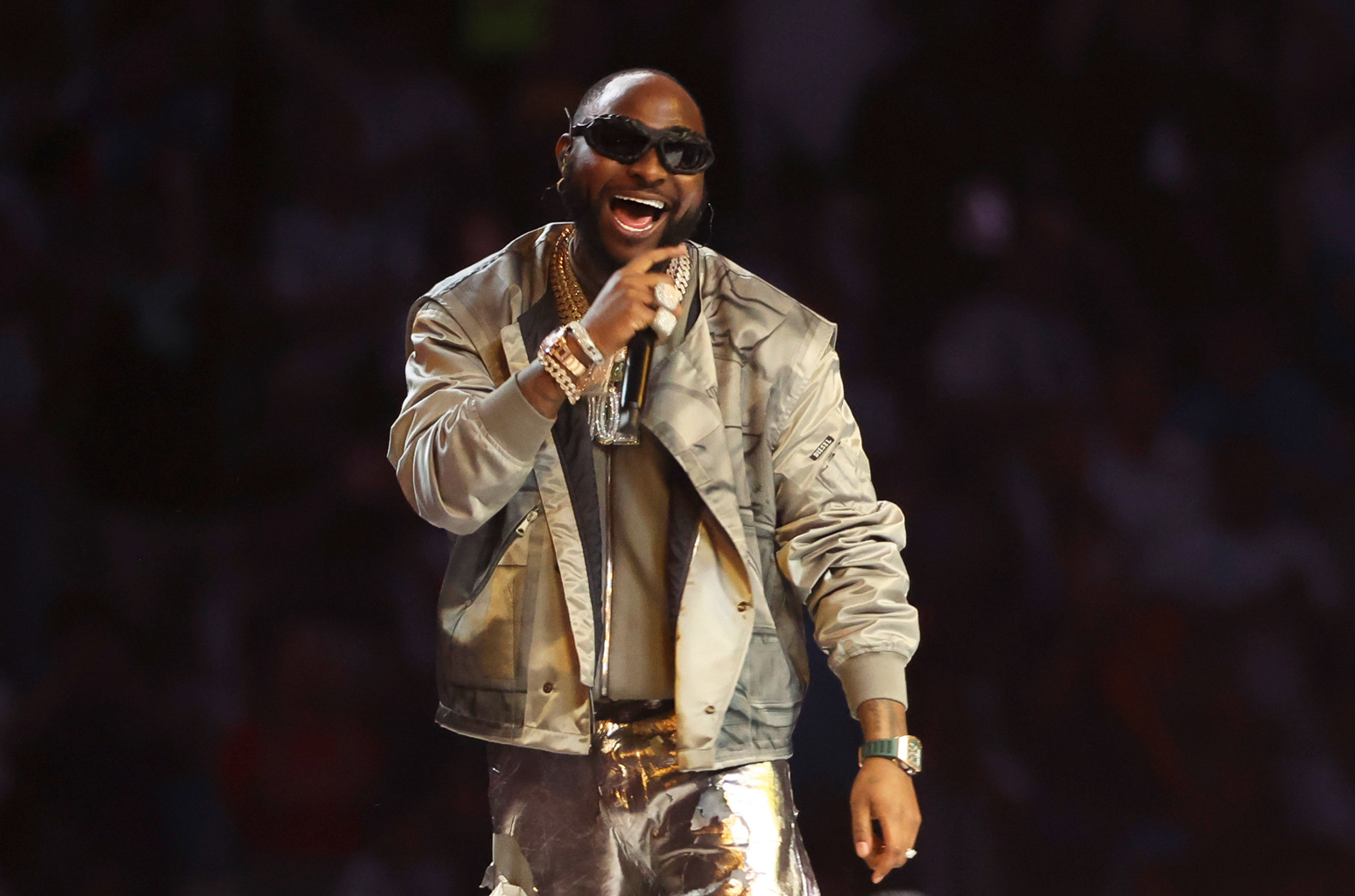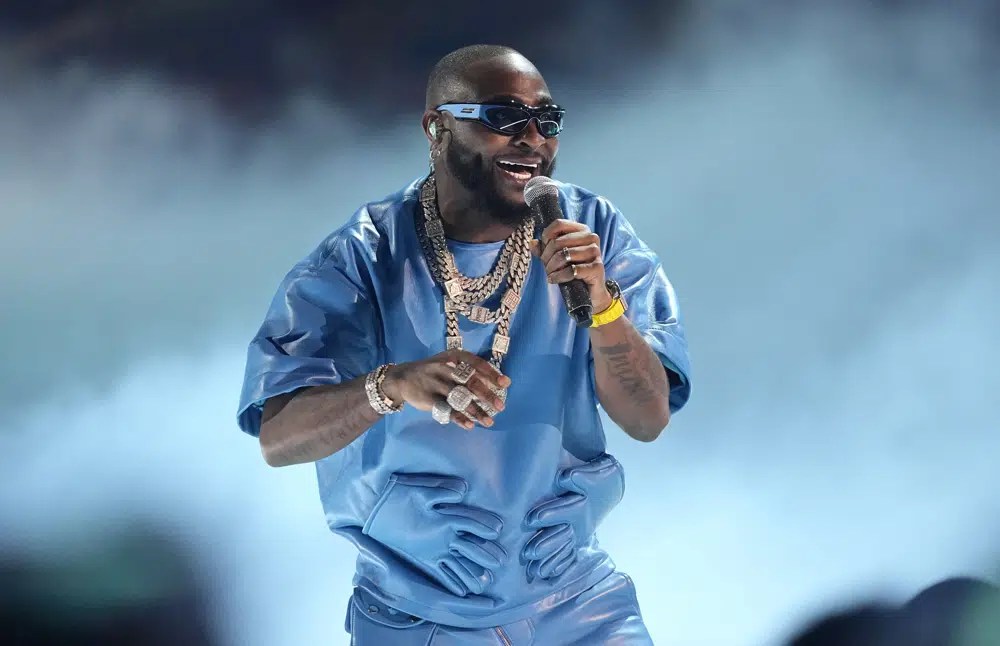

A four-word phrase, posted to social media with a crown emoji, did most of the talking before a single note arrived. “The journey to the throne begins,” Davido wrote, announcing that his next single, “I Know Who I Be,” would land on Friday, June 26, 2026. For an artist who has spent more than a decade at the center of Afrobeats, the choice of words was deliberate. This was not a casual drop. It was a statement of self, framed as the opening chapter of a new era. And the title itself carries the whole thesis: not “who I am becoming,” not “who I want to be,” but the settled certainty of a man who has already decided.
That certainty is the most interesting thing about the release. Davido has never been short on confidence - the energy, the booming ad-libs, the sense of a party arriving wherever he stands - but the title points somewhere more grounded than bravado. It reads less like a boast and more like a thesis sentence for an artist who has lived enough of his career in public to know exactly what he is, what he is not, and what he intends to do with the platform he built. To understand why a song with that name matters, it helps to look at where it sits in his catalogue, who he chose to make it with, and how it fits a longer arc that has been quietly redrawing his image.
A Single Built on a Declaration
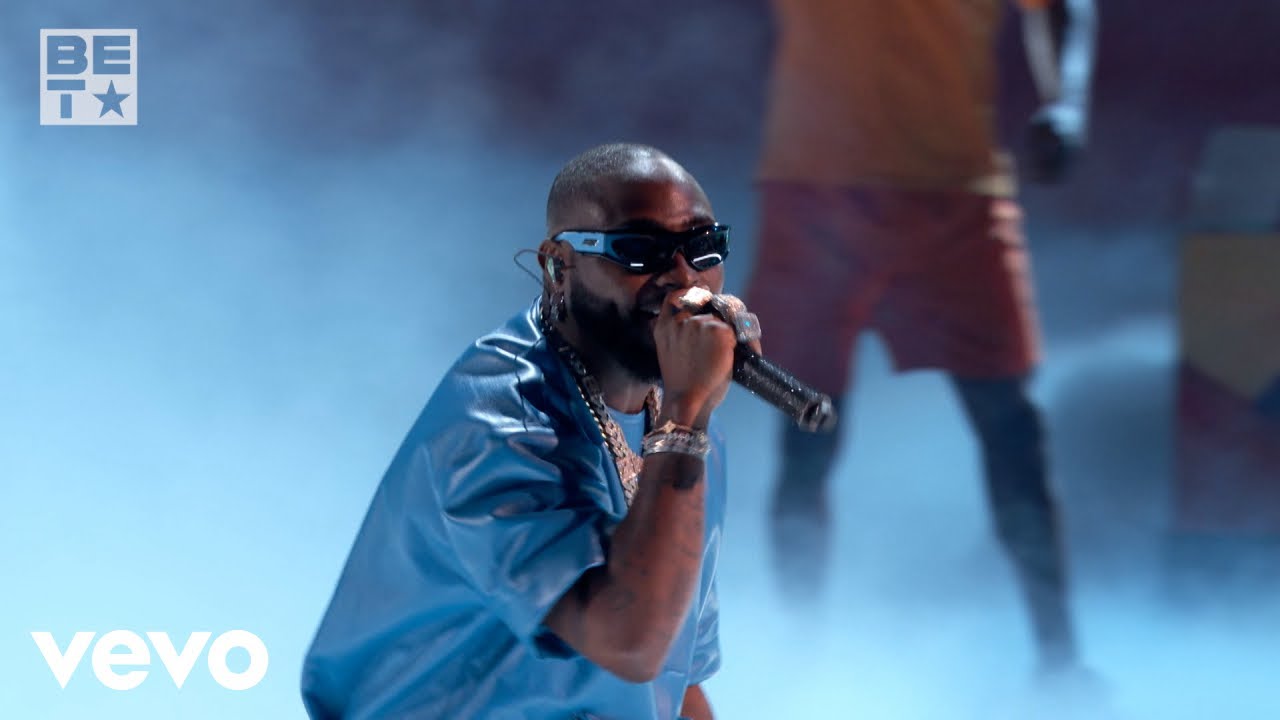
The basics are confirmed and worth stating plainly before anything else. “I Know Who I Be” is Davido’s first release of 2026, and it arrived after a stretch in which solo singles from him had been relatively scarce. His previous solo offering, “Be There Still,” came in March 2025, and the wider body of new music before this single traced back to his fifth studio album, released in April 2025. So the gap was real, and the announcement carried the weight of a return rather than a routine upload.
What makes the single stand out is its cross-border architecture. “I Know Who I Be” pairs Davido with two South African artists, Jazzwrld and GL_Ceejay, in a high-energy collaboration that connects the West African and Southern African pop ecosystems. It is the first time Davido and Jazzwrld have recorded together, and the two have been described as sharing a similar career trajectory, which lends the meeting a peer-to-peer quality rather than a headliner simply lending a verse to a newer name. The song went live on the major streaming platforms - Spotify, Apple Music and YouTube Music - so the rollout was built for immediate global reach rather than a slow regional burn.
The collaboration choice tells you something about how Davido is thinking. South Africa’s amapiano-adjacent sound and its log-drum-driven club music have become one of the most powerful currents in African pop, and a meeting between a Nigerian superstar and rising South African voices is a continental handshake as much as a track. It places “I Know Who I Be” inside a broader pattern of pan-African crossover that has defined the most successful Afrobeats records of recent years. Davido is not standing apart from that movement. He is putting his name on it and routing it through a song titled after self-possession.
The Weight of a Title
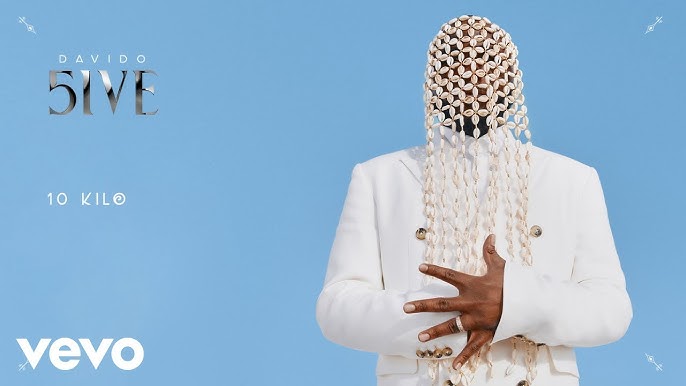
Plenty of songs announce themselves with confidence. Far fewer build their entire identity around a single declarative phrase, and fewer still come from an artist whose public life has tested that declaration repeatedly. “I Know Who I Be” works because of who is saying it. Davido has navigated extraordinary highs and devastating lows in full view of his audience, and the title lands differently coming from a man who has had to reassemble his sense of self more than once.
There is a long tradition in his catalogue of songs that double as identity statements. “Stand Strong” leaned into faith and resilience. “If” turned generosity and devotion into an anthem that traveled far beyond Nigeria. Even the party records carry an undertone of a man insisting on his own joy. “I Know Who I Be” reads as the most direct entry in that lineage. Where earlier songs implied the message, this one says it outright in the title, which is a small but telling escalation. The artist is no longer hinting at the theme of self-definition. He is making it the headline.
The “journey to the throne” framing reinforces this. A throne implies a kingdom already established, a position to be claimed rather than invented from nothing. For an artist often discussed alongside a small handful of peers at the very top of Afrobeats, the language is a quiet refusal to cede ground. It says: the competition for the crown is real, and I am entering it on my own terms, knowing precisely what I bring. The single becomes the soundtrack to that posture, and the title becomes its motto.
From Pop Hitmaker to Identity-Driven Artist

To appreciate the shift, you have to remember where Davido began. He emerged as a maker of immediate, unmistakable hits - songs engineered for the dancefloor and the speaker stack, built on melody and momentum rather than introspection. “Fall” became one of the longest-charting Nigerian pop songs in international markets and helped carry Afrobeats into rooms it had not reached before. “Fia” delivered swagger and heat. These were records that worked on impact, and Davido’s gift for the instantly catchy hook made him one of the genre’s most reliable hitmakers.
The catalogue that followed widened the frame. His debut album-era material established the party-starter, but the projects that came after showed a man stretching the definition of what a Davido record could carry. “A Good Time” doubled down on accessibility and crossover ambition. “A Better Time” expanded the guest list to a roster of global names and signaled an artist with international scale on his mind. Then came the album that reframed the conversation, a more reflective body of work that arrived after a period of real loss and was widely received as the sound of an artist processing grief, faith and survival rather than simply chasing the next club anthem. “Unavailable,” with its amapiano-laced groove, became one of his biggest international moments and proved he could evolve his sound without losing his audience. “Feel” showed his ear for atmosphere.