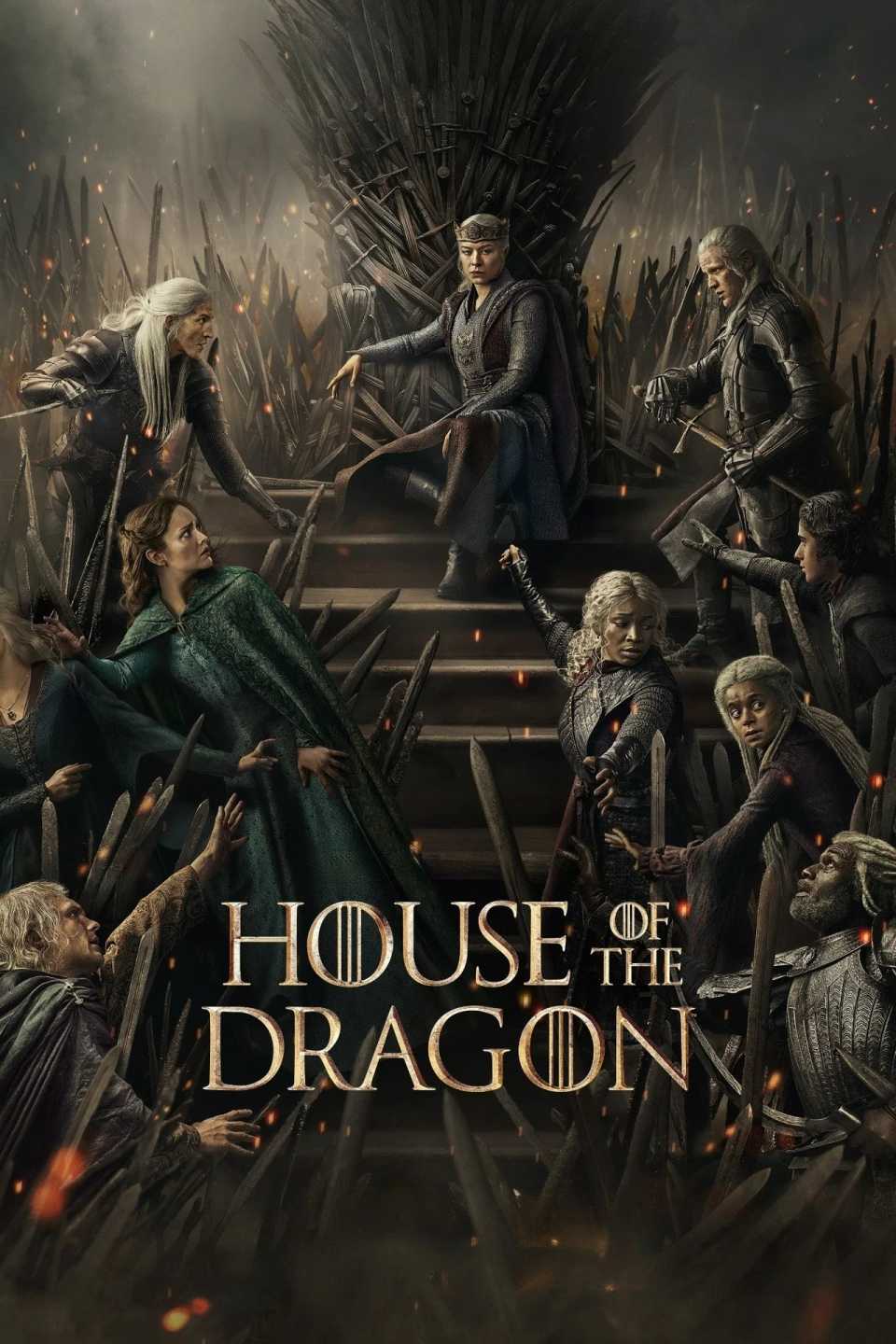

Somewhere in Lagos right now, a group chat is arguing about whether a fire-breathing dragon should have changed the outcome of a civil war that never actually happened. Screenshots fly. Someone drops a theory thread that runs forty messages deep. Another person threatens to leave the group if anyone spoils the next episode. This is a Tuesday, and the show at the centre of it all is set in a snow-locked imaginary kingdom with no obvious connection to anyone’s daily life in Surulere or Wuse. And yet the passion is real, loud, and entirely African.
That scene repeats across the continent, from Accra to Nairobi to Johannesburg, every time a major fantasy series drops a new season. Once written off as niche escapism for a specific kind of Western viewer, epic fantasy has quietly become one of the most reliable engines of shared conversation among Nigerian audiences. The dragons, the warring houses, the prophecies and the betrayals have found a home in a place few studio executives in Los Angeles ever planned for. Understanding why says a great deal about how African viewers consume stories in 2026, and about the kind of stories the continent is now positioned to tell back.
The Show That Turned a Genre Into a Habit
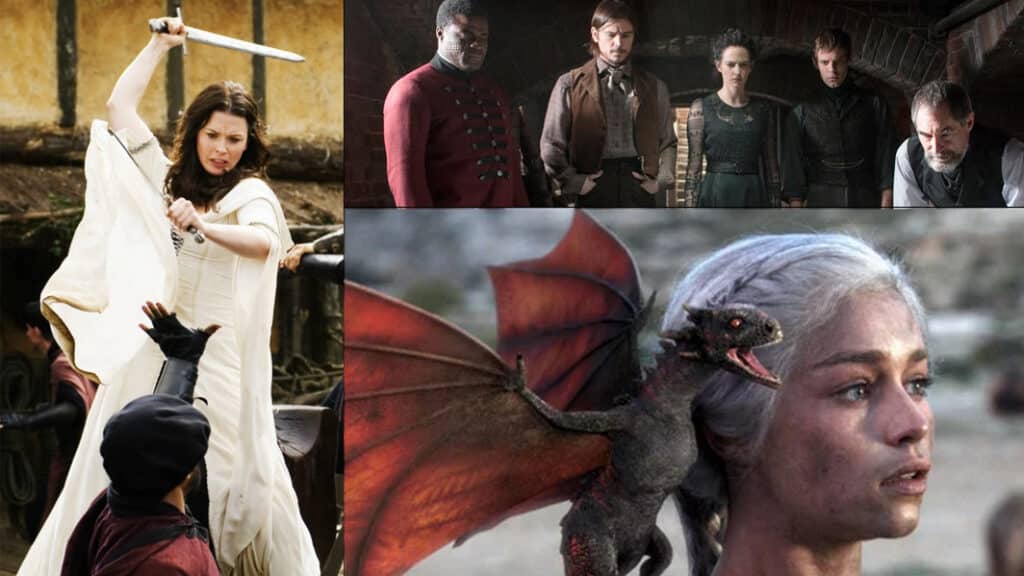
The flagship example is impossible to ignore. The HBO series that follows the Targaryen dynasty returned for its third season on 21 June 2026, rolling out weekly toward an early-August finale, and it arrived with the kind of anticipation usually reserved for a heavyweight title fight. Built from George R. R. Martin’s prequel chronicle of the same fictional dynasty, the series trades on civil war, succession crises, and the slow-motion collapse of a royal family that cannot stop devouring itself. Showrunner Ryan Condal has confirmed the saga will close with a fourth and final season, which gives the current run the weight of a story heading somewhere definite rather than spinning out indefinitely.
What makes the franchise matter for African audiences is less the plot than the ritual it created. Its predecessor, the original saga of warring kingdoms, taught a generation of viewers worldwide to treat a fantasy show as appointment viewing, something to be watched, dissected, defended, and meme-ed in real time. By the time the dragon-focused prequel arrived, that habit was fully formed in Nigeria. The arguments about who deserves a throne, who betrayed whom, and which character had it coming feel less like fandom and more like a national pastime during the weeks a season is live. The show did not invent African fantasy fans. It gave them a recurring event around which to gather.
It also normalised something subtler. A continent often told that its stories must be small, local, and grittily realistic watched a wildly expensive, unapologetically grand drama and recognised the appetite for spectacle as its own. There is nothing parochial about wanting to see a dragon torch a castle. The hunger for scale, for myth, for stakes larger than any single life, turns out to be entirely portable.
How Streaming Quietly Opened the Gates
None of this would matter if the shows were impossible to reach, and for years they nearly were. The single biggest driver of fantasy’s African boom is unglamorous and infrastructural: legal streaming finally caught up. The Targaryen series streams across the continent on Showmax, the Africa-focused platform that carries HBO content for the region, with subscription tiers that start low enough to put a flagship global series within reach of a far wider audience than premium cable ever did. A monthly plan priced from around 1,200 naira sits in a completely different universe from an imported satellite package, and that price gap is the whole story.
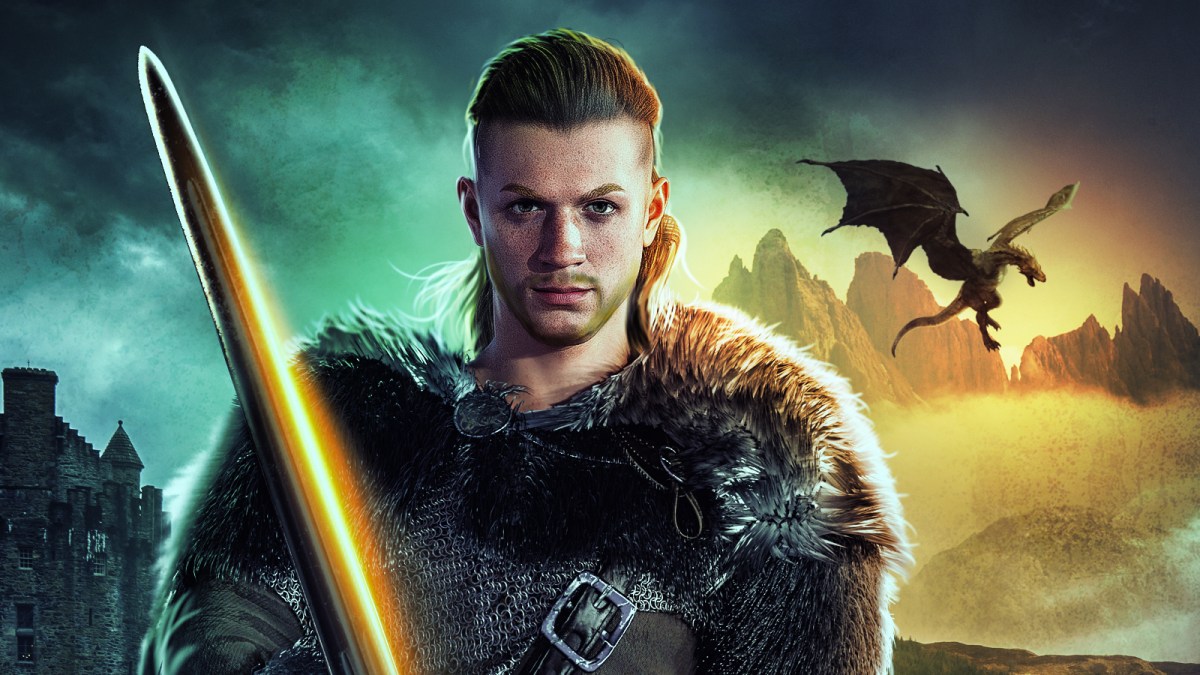
The wider fantasy shelf has filled out alongside it. Netflix carries its own continent-spanning fantasy in the monster-hunter saga adapted from a Polish book series, a show that has run for multiple seasons and remains one of the platform’s most recognisable genre titles. Prime Video has poured staggering sums into its Tolkien prequel, a production whose multi-season commitment has been reported as likely to run into the region of a billion dollars across its lifetime, making it one of the most lavish television experiments ever attempted. The same platform’s adaptation of another long fantasy book cycle ran for three seasons before being cancelled in 2025, a reminder that even huge budgets do not guarantee survival. For African viewers, the practical upshot is simple: a smartphone, a data bundle, and a modest subscription now unlock a library of epic fantasy that a decade ago would have required piracy, patience, or a plane ticket.
Mobile-first access matters enormously here. Most Nigerian viewers meet these shows on a phone screen during a commute or a late night, not on a home cinema setup. The platforms know it, and the genre survives the shrink. A dragon still reads as a dragon at six inches, and the weekly-episode model that fantasy favours suits a viewer who wants a reliable reason to renew a subscription rather than binge and cancel.
Universal Themes Dressed in Foreign Clothes

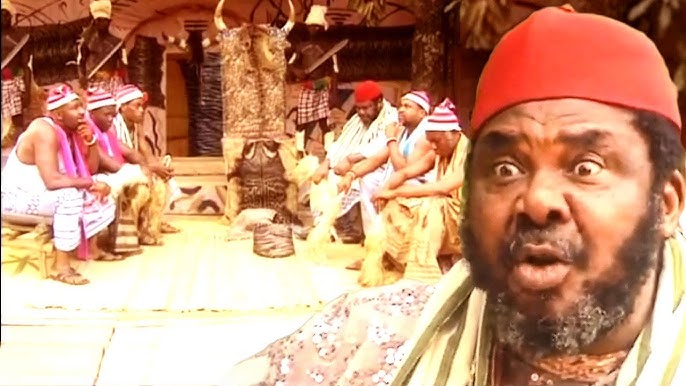
Strip away the snow and the invented heraldry, and the stories at the heart of epic fantasy are uncomfortably familiar to anyone who has watched a Nigerian family negotiate inheritance, or followed a Nollywood drama about a contested chieftaincy. Succession is the genre’s obsession, and succession is something African audiences understand in their bones. Who inherits, who is passed over, which child the patriarch favours, how a family’s wealth becomes its curse - these are the engines of countless Nigerian films and real-life sagas, and they are the engines of the dragon series too.
The continent’s own storytelling traditions are saturated with the supernatural. Folktales carry talking animals, vengeful spirits, witches, shape-shifters, and gods who meddle in human affairs. A culture raised on Yoruba cosmology, Igbo masquerade lore, and the moral universe of the village storyteller does not need to be taught that magic can carry serious meaning. Epic fantasy, for all its medieval-European trappings, is operating in a register African audiences already trust. The dragons are new. The idea that the world contains forces larger than people, and that ambition invites cosmic consequences, is ancient and homegrown.