Table of Contents
- Why This Cast Announcement Is Bigger Than It Looks
- Odunlade Adekola as Baba Segi: The Right Call
- The Four Wives: Mercy Aigbe, Iyabo Ojo, Bimbo Ademoye, and Omowunmi Dada
- EbonyLife and the Business of Literary Adaptation
- What Lola Shoneyin’s Novel Actually Demands From Its Cast
- The Baba Segi Paradox: Why This Specific Ensemble Carries the Weight of the Story
Why This Cast Announcement Is Bigger Than It Looks
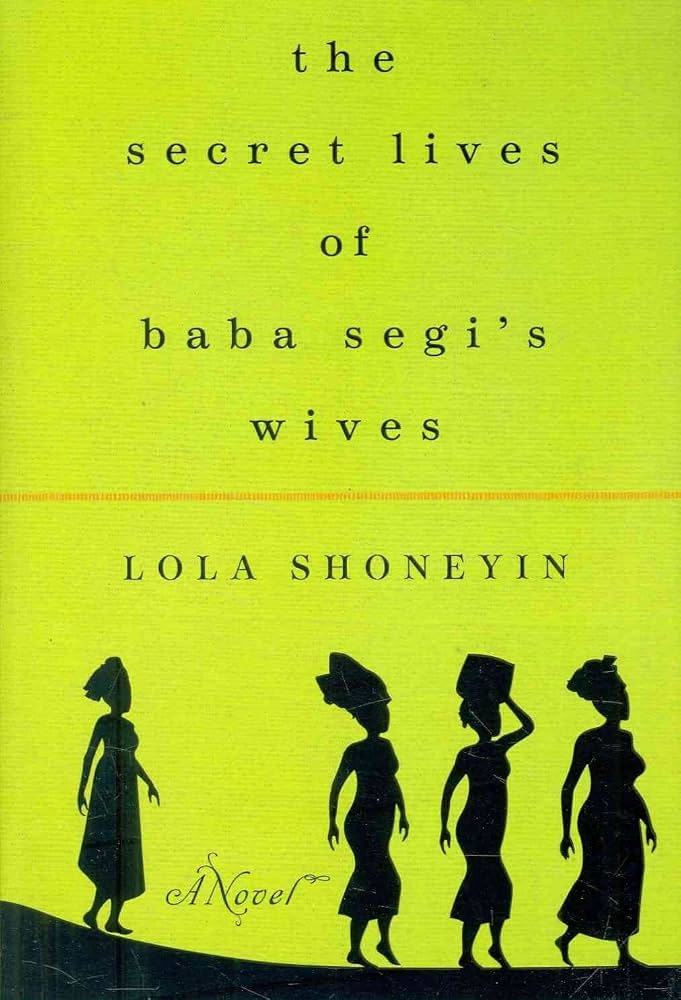
There is a version of this story where the announcement of a Nollywood cast is just another press release - names dropped, social media reacts, and everyone moves on by the following Tuesday. The cast announcement for EbonyLife’s adaptation of The Secret Lives of Baba Segi’s Wives is not that version. What Mo Abudu and her team have done here is assemble a lineup that reads less like a casting decision and more like a deliberate argument: that African literature, adapted with the right budget, the right producer, and the right faces, can stand alongside anything coming out of international prestige television. Lola Shoneyin’s 2010 novel has spent over a decade being taught in university literature courses, passed between book clubs, and quietly discussed as one of the most important works of contemporary Nigerian fiction. The fact that it is finally getting a screen adaptation is significant on its own. The fact that EbonyLife is doing it with this particular cast makes it genuinely historic.
To understand why this matters, you have to appreciate what kind of ground EbonyLife has been laying for the past several years. Since producing Fifty in 2015 and then taking the groundbreaking step of landing a multi-title deal with Netflix - the first African content deal of that scale - Mo Abudu has been methodically building the case that Nigerian stories, told with ambition and proper investment, are globally competitive. The Chief Daddy franchise, Blood Sisters, and The Man of God have each added layers to that argument. But Baba Segi’s Wives is different in kind, not just scale. It is an adaptation of a canonical novel, which carries a different set of expectations and a different kind of scrutiny. Fans of Shoneyin’s book will be watching extremely closely, and EbonyLife knows it.
Odunlade Adekola as Baba Segi: The Right Call
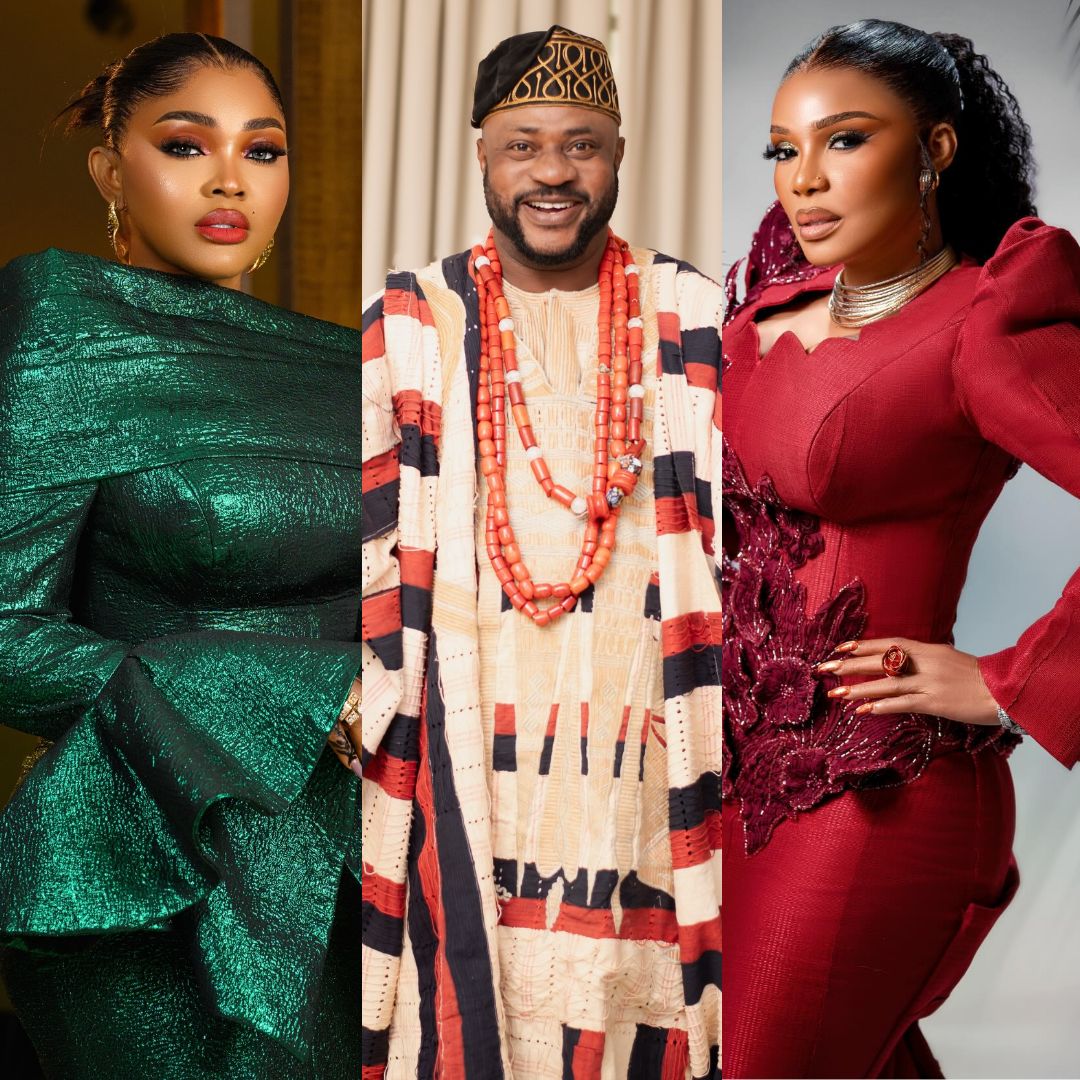
Of all the casting choices in this production, Odunlade Adekola as the titular patriarch is the one that will generate the most conversation - and rightly so. Baba Segi is one of the most complex male characters in recent Nigerian literary history: a man who is simultaneously ridiculous and pitiable, domineering and deeply insecure, built up by a culture that has handed him power he does not fully understand. Playing him requires a performer who can carry comic weight while also landing emotional gut-punches in the same scene. Odunlade Adekola, who has been one of the most commercially successful and prolific actors in the Yoruba film industry for well over a decade, is arguably the only actor working in that space right now who has that specific range in abundance.
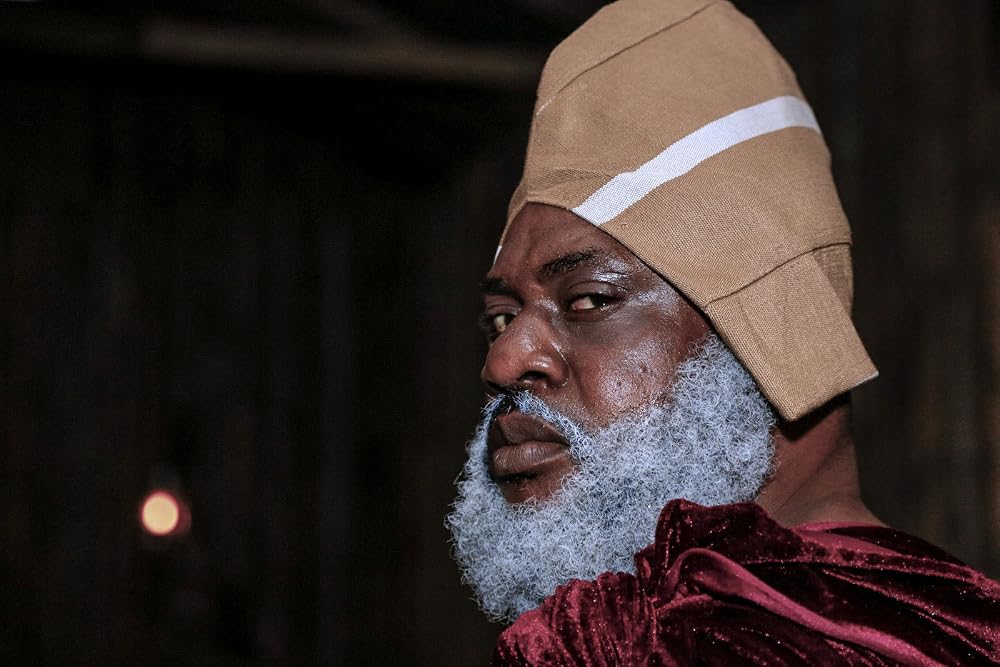
His filmography, which runs into hundreds of titles across Yoruba home video productions and mainstream Nollywood features, demonstrates exactly the kind of tonal flexibility that Baba Segi demands. In films like Omo Elemosho and his numerous collaborations with director Adebayo Tijani, Adekola has shown the ability to take a character who could easily become a caricature and find the human being underneath. That is precisely what Baba Segi needs. The character is written to make readers laugh uncomfortably and then feel guilty for laughing. If Adekola can translate that onto screen, this could genuinely be the defining role of his career - and one of the most memorable male performances in recent Nollywood history.
The Four Wives: Mercy Aigbe, Iyabo Ojo, Bimbo Ademoye, and Omowunmi Dada

The wives are, in truth, the real story of Shoneyin’s novel. Baba Segi is the title character, but it is the four women sharing his roof and his bed - each with radically different personalities, histories, and agendas - who drive the narrative. Casting them required finding four performers who could hold their own individually while also creating the kind of combustible ensemble chemistry that the story depends on. Mercy Aigbe and Iyabo Ojo, both veteran actresses with massive personal brands and loyal followings, are the biggest names in the wives’ lineup. Bimbo Ademoye, who has been on a consistent upward trajectory since her breakout roles in the mid-2010s, brings a sharp dramatic instinct that has made her one of the more exciting performers of her generation. And Omowunmi Dada, perhaps the most formally trained actress in the group, adds a layer of theatrical precision that the ensemble needed.
What is particularly interesting about this quartet is what they represent off screen as well as on it. Mercy Aigbe and Iyabo Ojo are both women who have lived very publicly through the kind of social scrutiny and personal turbulence that Shoneyin’s novel explores in fictional form - questions of womanhood, judgment, resilience, and the way Nigerian society positions women within the context of marriage. That lived experience does not automatically make someone a great actress, but it does mean that both women are bringing something genuine to a narrative that demands authenticity above all else. Bimbo Ademoye, meanwhile, has built her reputation on playing characters that are layered and difficult to pin down, which is exactly what the junior wives in Shoneyin’s story require. Each of these women has something specific and necessary to offer this production.