

How Nigeria's Credit Revolution is Reshaping Entertainment and Celebrity Culture
Entertainment

How Nigeria's Credit Revolution is Reshaping Entertainment and Celebrity Culture

Miki AndersonMiki Anderson··6 min read
Advertisement

Table of Contents

The Credit Boom Transforms Entertainment

How Nigeria Credit Revolution - The Credit Boom Transforms Entertainment

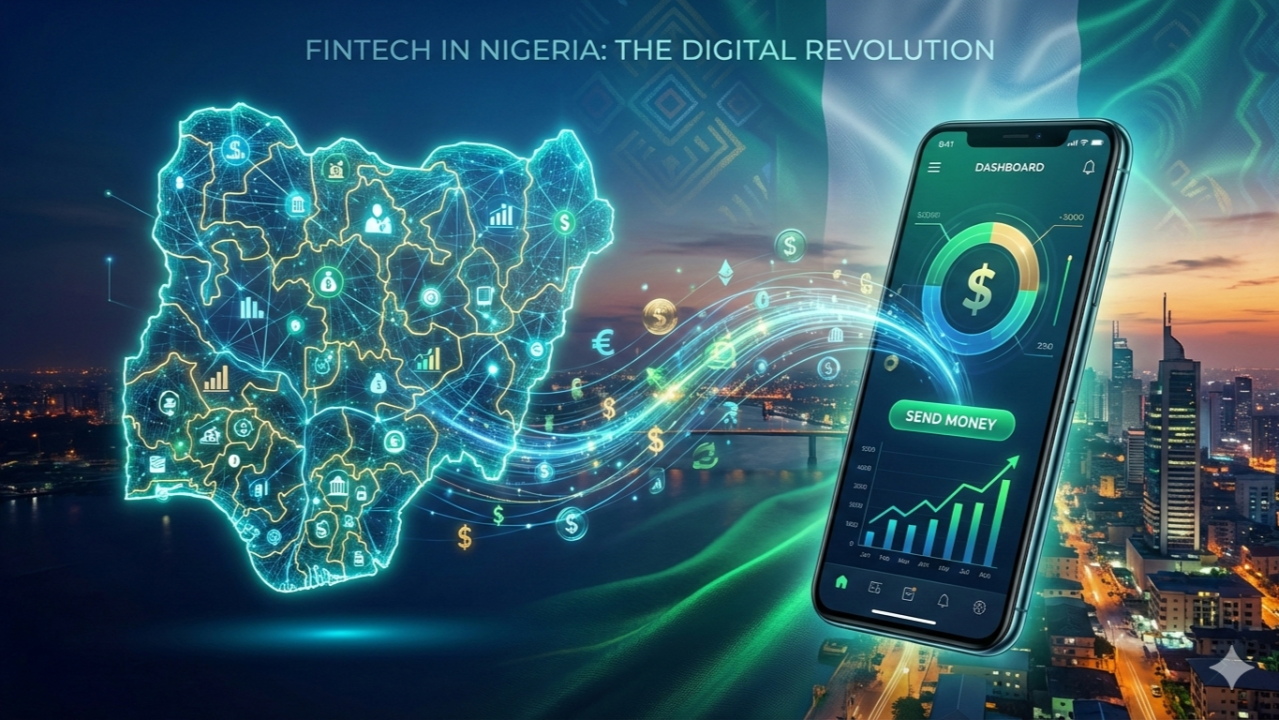
Nigeria’s financial landscape is experiencing a seismic shift that’s rippling through every corner of the entertainment industry. As traditional banking systems evolve and fintech companies proliferate across Lagos, Abuja, and beyond, the country’s creative professionals are finding themselves at the center of a credit revolution that could either catapult their careers to new heights or create unprecedented financial vulnerabilities. This transformation is particularly significant for an industry that has historically operated on cash-based transactions and informal financing arrangements, making access to formal credit both a tantalizing opportunity and a potential minefield.

Modern Lagos skyline representing Nigeria's fintech boom
Image: Startups & Places

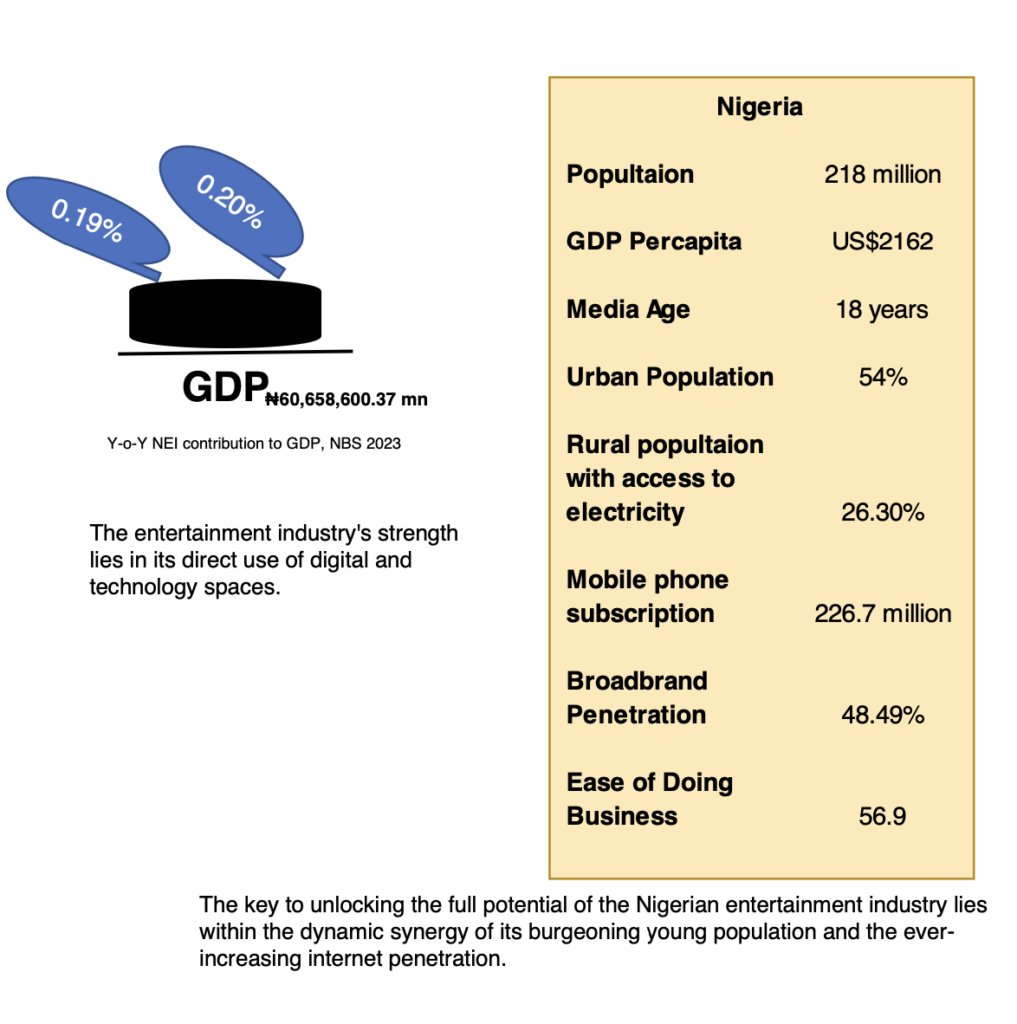
The entertainment sector, which includes everything from Afrobeats superstars to Nollywood productions and emerging digital content creators, represents one of Nigeria’s most dynamic economic forces. With the industry contributing billions of naira to the national economy and serving as a cultural export powerhouse, the intersection of credit accessibility and creative entrepreneurship has become a fascinating case study in modern African capitalism. The question isn’t whether credit will transform Nigerian entertainment – it’s whether the industry can harness these new financial tools without falling into the debt traps that have ensnared creative professionals in other markets around the world.

Celebrities Embrace the Fintech Wave
How Nigeria Credit Revolution - Celebrities Embrace the Fintech Wave

Nigerian celebrities have become unlikely ambassadors for the country’s fintech revolution, with major stars like Davido, Wizkid, and Genevieve Nnaji either investing in or partnering with financial technology companies. This trend reflects a broader understanding among entertainment professionals that traditional banking relationships often failed to serve their unique income patterns and business needs. Many artists and actors experience irregular cash flows, with large payments followed by extended periods of lower income, making them ideal candidates for the flexible credit products that fintech companies are designing specifically for the gig economy.

Nigerian entertainment stars and financial technology collaboration
Image: People of Color in Tech

The appeal of these new financial services extends beyond simple convenience. For many entertainers, access to credit represents the difference between seizing career-defining opportunities and watching them slip away due to cash flow constraints. A musician might need funding to shoot a music video that could break them into international markets, while an actor might require capital to produce their own content rather than waiting for traditional production houses to greenlight their projects. These fintech platforms are positioning themselves as enablers of creative ambition, offering everything from equipment financing to production loans with terms that acknowledge the unique nature of entertainment industry revenues.

Nollywood’s Production Financing Revolution
How Nigeria Credit Revolution - Nollywood's Production Financing Revolution

Nollywood, as Africa’s largest film industry by volume, has perhaps felt the impact of Nigeria’s credit revolution more acutely than any other entertainment sector. Traditionally, film financing in Nigeria relied heavily on personal savings, family loans, or partnerships with established distributors who could provide upfront capital in exchange for distribution rights. This system, while functional, often limited the scope and ambition of projects, with many talented filmmakers unable to access the resources needed to compete on international platforms like Netflix, Amazon Prime, or to qualify for major film festival circuits.

The emergence of specialized entertainment financing platforms has begun to democratize film production in ways that seemed impossible just a few years ago. Independent producers can now access equipment financing, post-production credit, and even gap financing for projects that have secured partial funding from traditional sources. This has led to a noticeable increase in production values across Nollywood, with films like “The Woman King” and “Lionheart” demonstrating the industry’s capacity to compete globally when adequate resources are available. However, this access to credit has also introduced new pressures, as filmmakers must now balance creative vision with debt service requirements, leading some industry veterans to express concerns about the commercialization of what has traditionally been a more artistically driven medium.

Advertisement

Afrobeats Artists Find New Financial Freedom

How Nigeria Credit Revolution - Afrobeats Artists Find New Financial Freedom

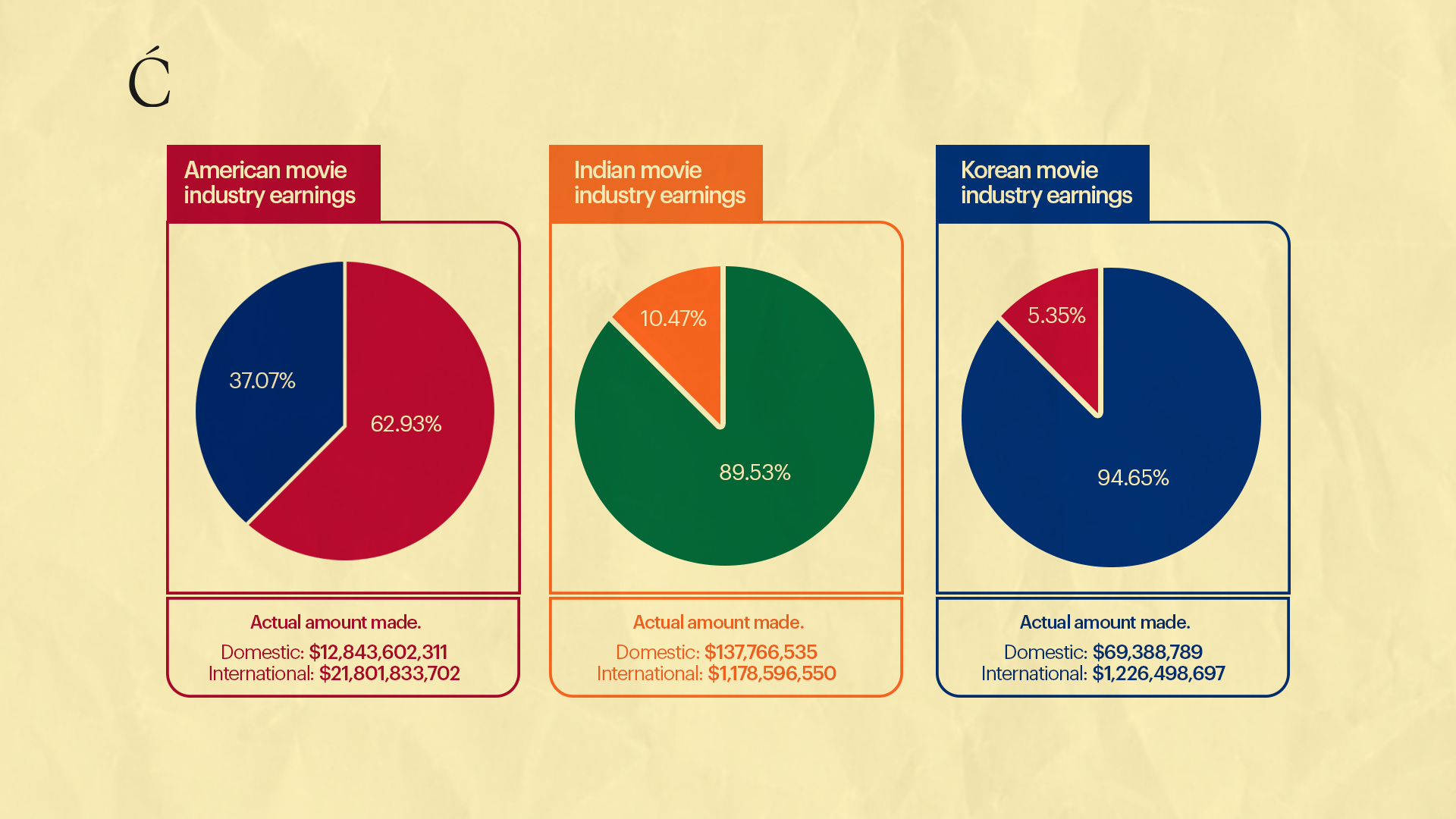
The global explosion of Afrobeats has created unprecedented opportunities for Nigerian musicians, but it has also highlighted the importance of having access to working capital at crucial career moments. The new credit landscape has proven particularly transformative for emerging artists who might previously have been forced to accept exploitative record deals simply to access the funds needed for professional recordings, marketing campaigns, or tour support. Now, many artists are choosing to remain independent while using credit facilities to finance their careers, retaining ownership of their masters and building sustainable businesses around their creative output.

Nigerian Afrobeats musicians in modern recording studio
Image: MusicTech

This shift has implications that extend far beyond individual artist careers. As more musicians gain access to production and marketing capital without surrendering equity to traditional labels, the power dynamics within the Nigerian music industry are evolving rapidly. Streaming platforms have also played a role in this transformation, as artists can now point to verifiable streaming revenues when applying for credit, creating a more transparent and predictable income stream that lenders understand. The success stories are compelling – artists who have used credit strategically to invest in their careers are seeing returns that justify the risks, while those who have overextended themselves serve as cautionary tales for the broader creative community.

The Risks Facing the Entertainment Industry

How Nigeria Credit Revolution - The Risks Facing the Entertainment Industry

Despite the obvious benefits, the intersection of entertainment and easy credit access has created new vulnerabilities that industry professionals are still learning to navigate. The entertainment business is inherently unpredictable, with even established stars experiencing career fluctuations that can make debt service challenging during lean periods. Unlike traditional businesses with steady cash flows, entertainment careers can be subject to changing public tastes, industry disruptions, or personal controversies that can dramatically impact earning potential almost overnight.

Nigerian entertainment professionals discussing business challenges
Image: Communiqué

Financial literacy has emerged as a critical concern, as many creative professionals who excel in their artistic disciplines may lack the business education needed to make informed decisions about leverage and debt management. Some industry observers have noted troubling patterns of over-borrowing, particularly among younger artists who may not fully appreciate the long-term implications of their financial commitments. The cultural pressure to maintain certain lifestyle standards – luxury cars, expensive jewelry, lavish parties – can also create dangerous incentives to use credit for consumption rather than investment, leading to debt spirals that can derail promising careers before they fully mature.

The Future of Nigerian Entertainment Finance

As Nigeria’s credit revolution continues to evolve, the entertainment industry finds itself at a crossroads that will likely determine its trajectory for the next decade. The most successful players are those who view credit as a strategic tool for building sustainable businesses rather than simply accessing lifestyle upgrades. This maturation process is being accelerated by mentorship programs, financial literacy initiatives, and the growing sophistication of entertainment industry professionals who understand that creative success and business acumen must go hand in hand.

Modern Nigerian entertainment industry technology and finance integration
Photo by Ninthgrid / Pexels

Looking ahead, the integration of blockchain technology, cryptocurrency, and other emerging financial tools promises to create even more opportunities for Nigerian entertainers to monetize their talents and build wealth. NFTs, fan tokens, and direct-to-consumer financing models are beginning to gain traction, suggesting that the current credit revolution is just the beginning of a broader transformation in how creative professionals think about money, ownership, and career development. The question is no longer whether Nigerian entertainment will be transformed by financial innovation, but whether the industry can maintain its cultural authenticity and artistic integrity while embracing these powerful new economic tools. The answer will likely determine not just the financial success of individual entertainers, but the global influence and cultural impact of Nigerian creativity in the decades to come.

Advertisement
Share
Get the recap

Loved this story? Get more like it.

Join readers who get our weekly entertainment recap - the stories worth your time, delivered every Friday.

No spam. Unsubscribe anytime. By signing up you agree to our Privacy Policy.

How Nigeria's Credit Revolution... | Sidomex Entertainment