Table of Contents
- The Allegations Surface
- Driver’s Measured Response
- Context Behind the Claims
- Industry Reactions and Professional Standards
- Impact on Both Careers Moving Forward
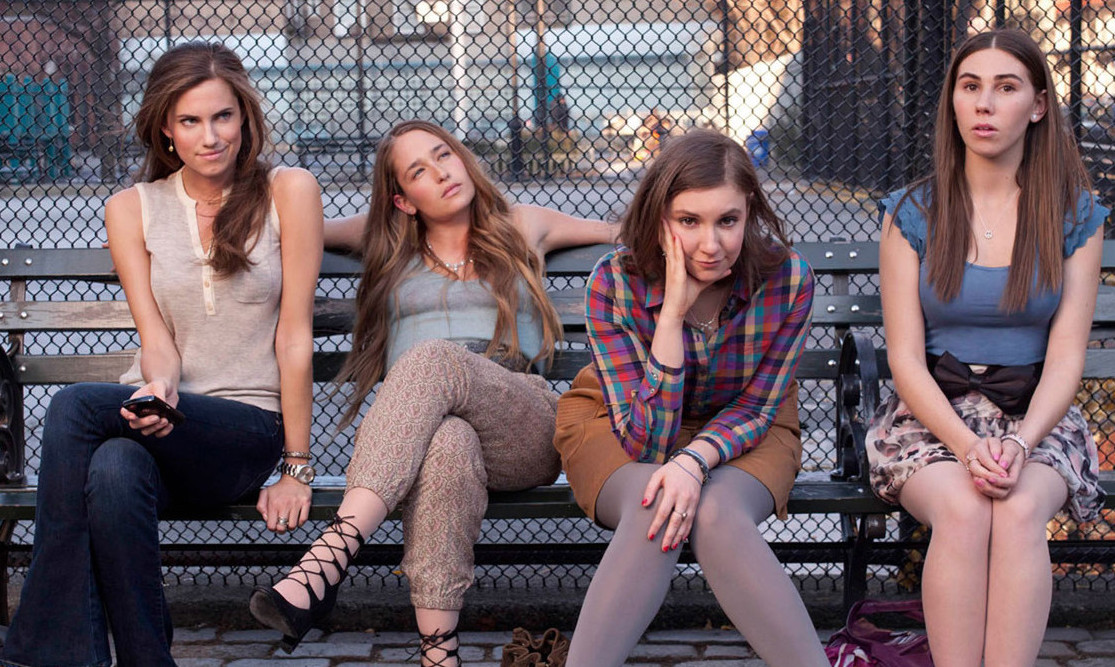
The entertainment industry has been buzzing with renewed interest in an old controversy as Adam Driver finally addresses claims made by Lena Dunham regarding his alleged on-set behavior during their collaboration on HBO’s critically acclaimed series “Girls.” The allegations, which first surfaced in various industry circles, have taken on new significance as both actors have evolved into major Hollywood figures with vastly different career trajectories since their time working together on the groundbreaking HBO series.
The Allegations Surface
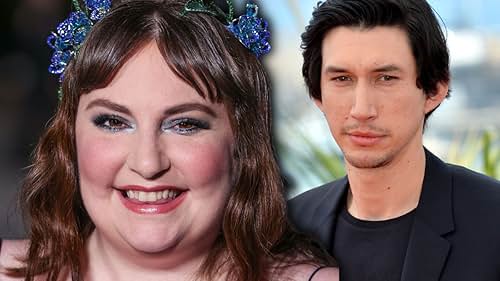
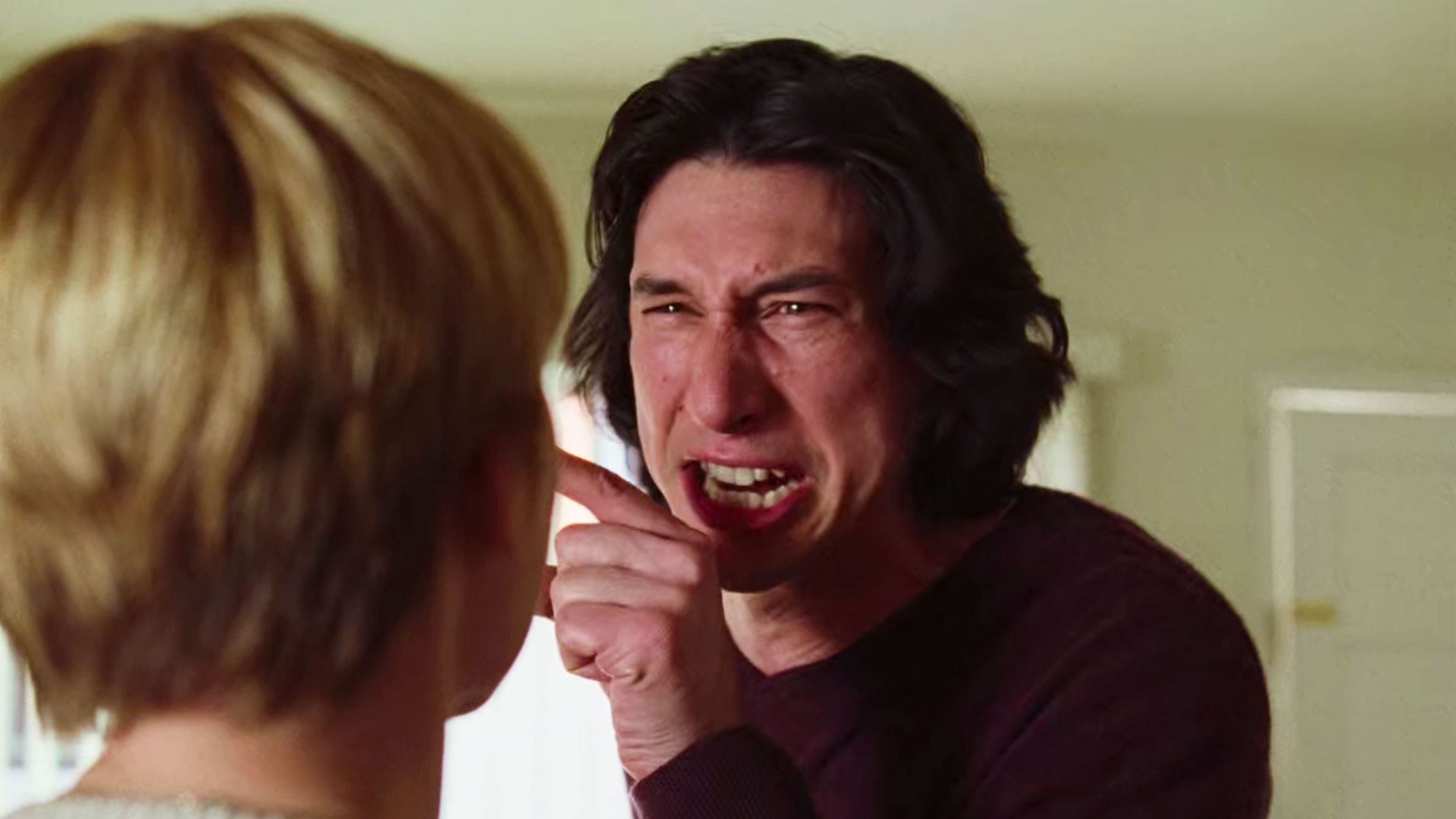
Lena Dunham, the creator and star of “Girls,” had previously suggested in interviews and industry conversations that Driver exhibited what she characterized as violent outbursts during their time filming the series together. These claims painted a picture of an actor struggling with intensity and method acting techniques that allegedly created tension on set. The allegations gained traction partly because they aligned with Hollywood’s broader conversations about workplace behavior and the sometimes blurred lines between artistic passion and professional conduct. Dunham’s comments suggested that Driver’s approach to his craft sometimes manifested in ways that made other cast and crew members uncomfortable, though she never provided specific detailed incidents in her public statements.
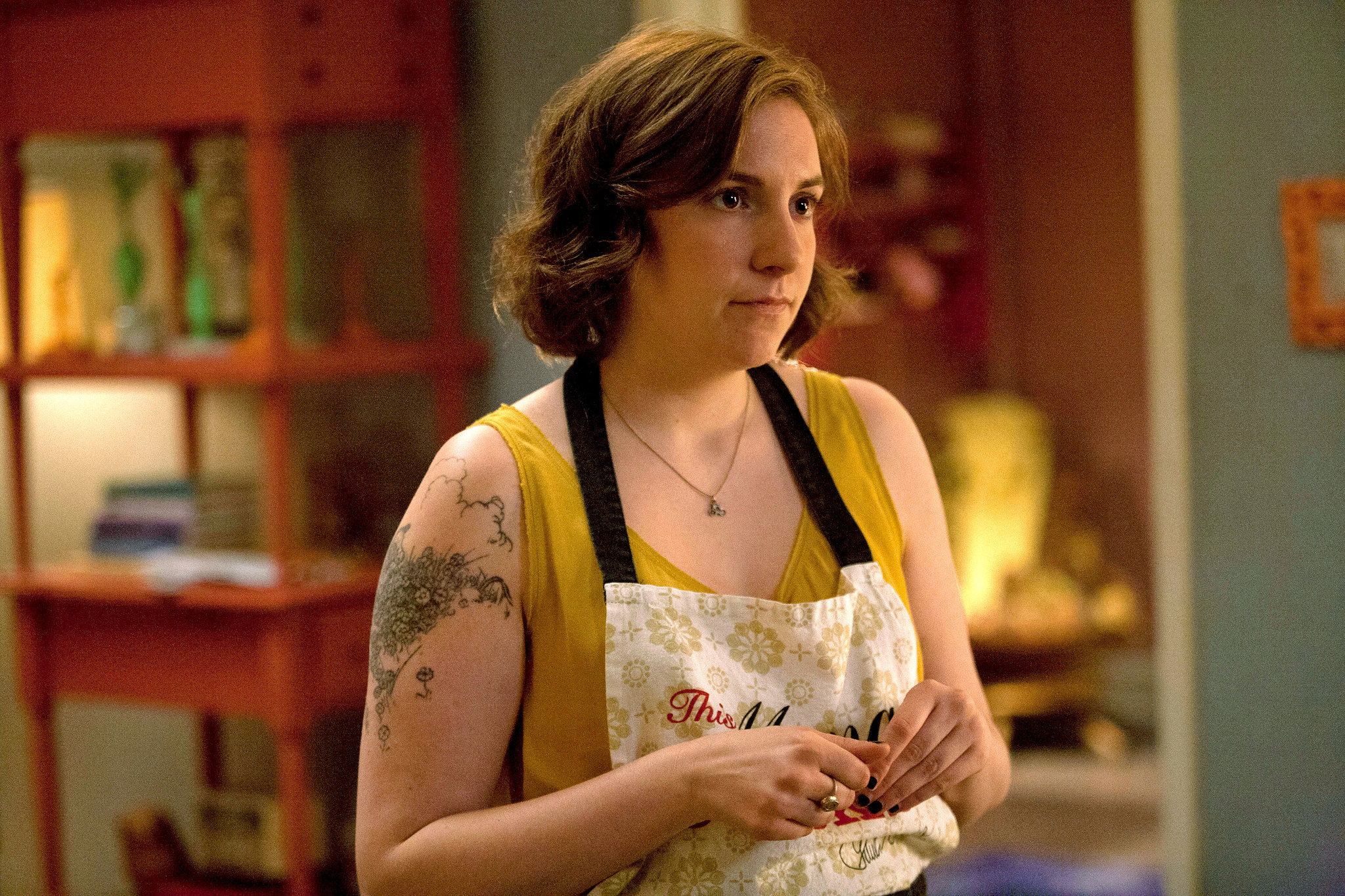
The timing of these resurfaced allegations is particularly interesting given both actors’ current positions in Hollywood. Driver has since become one of the most respected character actors of his generation, starring in major franchises like “Star Wars” and earning critical acclaim for performances in films like “Marriage Story” and “BlacKkKlansman.” Meanwhile, Dunham has faced her own share of controversies and has been working to rebuild her reputation in the industry after several public missteps and criticisms of her past statements and actions.
Driver’s Measured Response
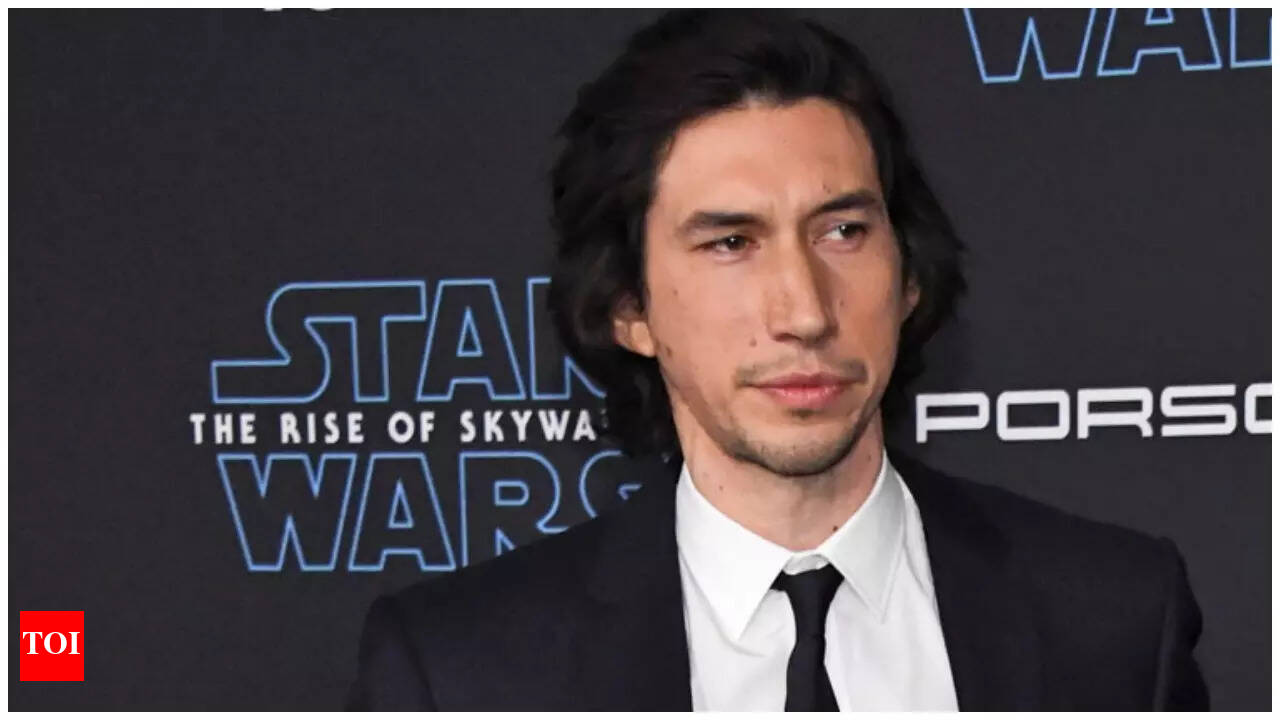
In addressing these long-standing allegations, Driver has maintained his characteristic measured and thoughtful approach to public discourse. Rather than launching into a defensive tirade or completely dismissing Dunham’s perspective, the actor has acknowledged that his intense preparation methods and commitment to character development might have been misinterpreted by some colleagues. Driver is well-known throughout the industry for his methodical approach to acting, often staying in character between takes and employing various techniques to maintain emotional authenticity in his performances. This dedication to craft, while generally praised by directors and fellow actors, can sometimes create an atmosphere that feels charged or intense for those not familiar with such approaches.

Sources close to Driver’s representation suggest that the actor views this situation as an unfortunate misunderstanding rather than malicious intent on either side. The actor has reportedly expressed that he regrets if his professional methods ever made anyone on set feel uncomfortable, while also maintaining that his behavior never crossed into actual violence or inappropriate conduct. This nuanced response reflects Driver’s general approach to public relations - thoughtful, professional, and focused on moving forward rather than engaging in prolonged public disputes.
Context Behind the Claims
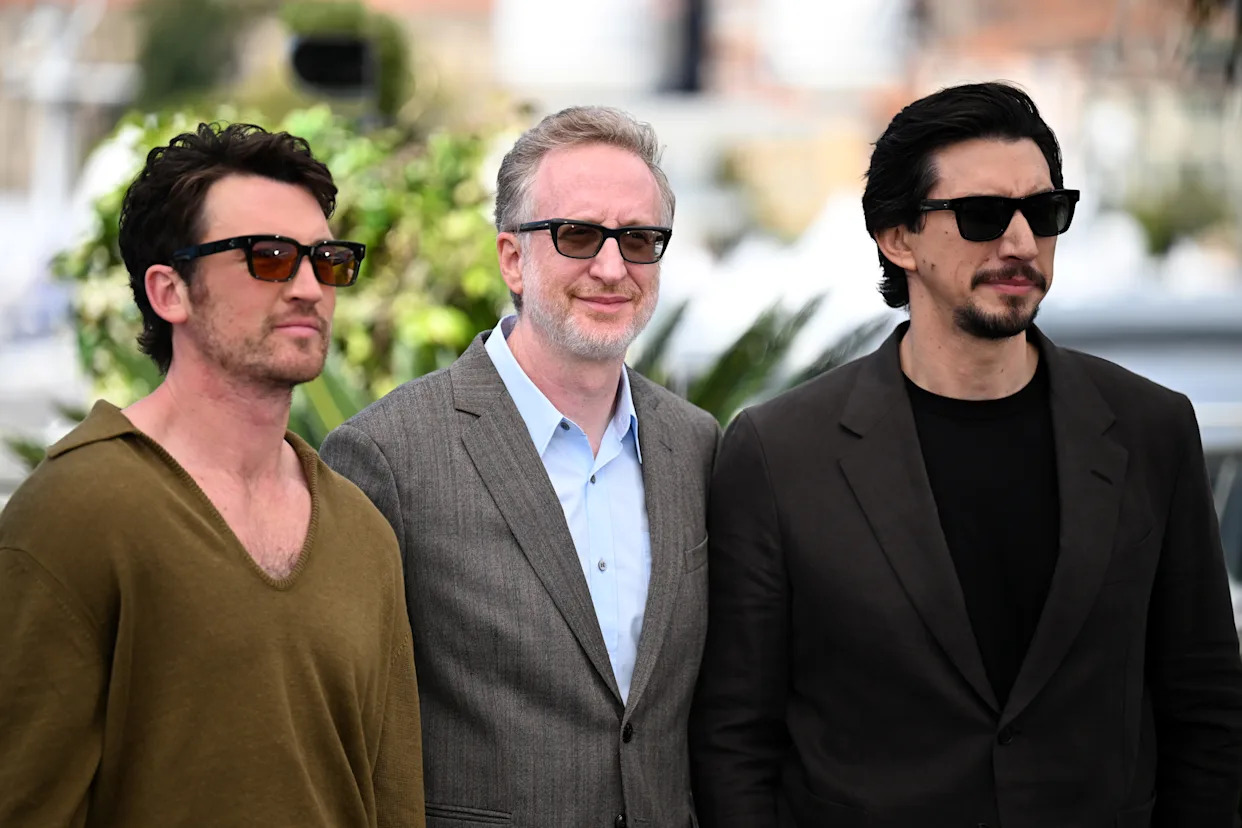
To understand the full scope of this situation, it’s important to consider the context in which these interactions took place. “Girls” was filmed during a particularly intense period in television production, when HBO was pushing boundaries with content and encouraging raw, authentic performances from its cast. The show itself dealt with heavy emotional themes and required actors to tap into vulnerable, sometimes dark emotional spaces. Driver’s character, Adam Sackler, was particularly complex - a volatile, passionate individual whose relationships were marked by intensity and unpredictability. The blurring of lines between character and actor during such emotionally demanding productions is not uncommon in the industry.