Voice Acting

How to Become a Voice Actor: Training, Demo Reels, and Landing Your First Job

Tristan Melo|
Ad SpaceArticle Top - 728x90
Advertisement

What Is Voice Acting and Why Is It Booming?
Voice acting is the art of using your voice to bring characters, narratives, and messages to life without ever appearing on screen. If you have ever wondered how to become a voice actor, the good news is that the industry has never been more accessible. The global voiceover market was valued at approximately $4.4 billion in 2023 and is projected to reach over $7 billion by 2030, driven by explosive growth in podcasts, audiobooks, e-learning content, video games, and streaming animation.

Unlike on-camera acting, voice over work allows performers to work from virtually anywhere. The rise of remote recording has transformed the profession, enabling voice actors in small towns to compete for the same jobs as those based in Los Angeles or New York. Major studios now regularly cast talent through online auditions, and independent creators on platforms like YouTube and TikTok constantly need fresh voices for their content.

What makes voice acting particularly appealing is the diversity of work available. A single voice actor might record a commercial in the morning, narrate an audiobook chapter in the afternoon, and voice a character for an indie video game in the evening. This variety keeps the work engaging and allows performers to develop multiple income streams within the same profession.

However, becoming a successful voice actor requires more than just having a pleasant voice. It demands genuine acting ability, technical skills, business savvy, and relentless self-promotion. This guide walks you through every step of the process – from understanding the different types of voiceover work to setting up your home studio, producing a demo reel, and landing your first paying gig.

Types of Voice Over Work

Before you dive into training, it helps to understand the major categories of voice over work and where the opportunities lie. Each type has its own requirements, pay scales, and audition processes.

Animation and Cartoons

Animation voice acting is what most people think of first, and it remains one of the most competitive segments of the industry. Studios like Disney, DreamWorks, Nickelodeon, and Cartoon Network cast for both major feature films and ongoing television series. Animation requires strong character acting skills – the ability to create distinct, memorable voices and maintain them consistently across dozens of recording sessions. Pay for series regulars on network animation can range from $1,000 to $4,000 per episode, while feature film roles for established actors can command six or even seven figures.

Commercials

Commercial voiceover is the bread and butter of the industry for many working voice actors. Television commercials, radio spots, online ads, and corporate videos all require voice talent. The style has shifted dramatically in recent years – the deep, booming “announcer voice” has largely been replaced by a conversational, authentic tone. National television commercials are among the highest-paying voiceover jobs, with union rates starting around $3,000 for a 13-week cycle. Regional and local spots pay less but are far easier to book.
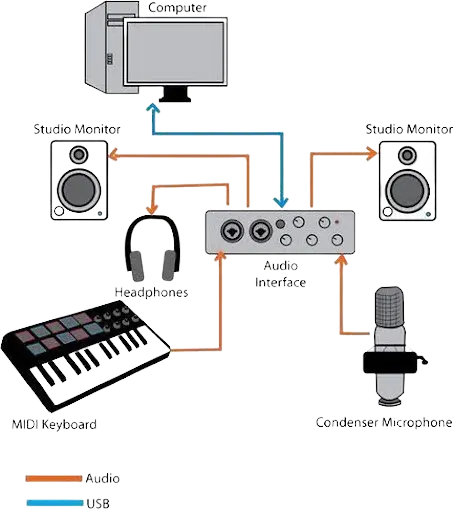
Overhead view of a home voice acting studio setup with microphone, audio interface, and recording equipment
Image: Ooberpad

Audiobooks

Audiobook narration is one of the fastest-growing segments of voice acting. The audiobook market generates over $6 billion in annual revenue, and platforms like Audible release thousands of new titles every month. Narrating audiobooks requires exceptional stamina – a single book might take 20 to 40 hours of recording time – plus the ability to voice multiple characters convincingly. Pay structures vary widely. ACX (Audible’s production platform) offers three models: per-finished-hour rates (typically $100 to $400 PFH for newer narrators), royalty share arrangements, and royalty share plus a reduced upfront payment. Experienced narrators working directly with publishers can earn $250 to $500 or more per finished hour.

Video Games

Video game voice acting has exploded alongside the gaming industry itself, which now generates more revenue than film and music combined. AAA game titles like The Last of Us, God of War, and Baldur’s Gate 3 feature extensive voice casts and performance capture. Video game VO often requires intense emotional range – screaming, crying, fighting sounds, and sustained dialogue that can be physically demanding. Union rates for video game voice acting start at approximately $900 for a four-hour session, though non-union rates vary widely.

E-Learning and Corporate Narration

Often overlooked by newcomers, e-learning and corporate narration represent a massive and reliable income source. Companies need voice talent for training modules, explainer videos, phone systems (IVR), internal communications, and product tutorials. The work may not be glamorous, but it pays consistently and often leads to repeat bookings. Rates typically range from $250 to $1,500 per project depending on length and usage rights.

Training, Coaching, and Building Your Skills
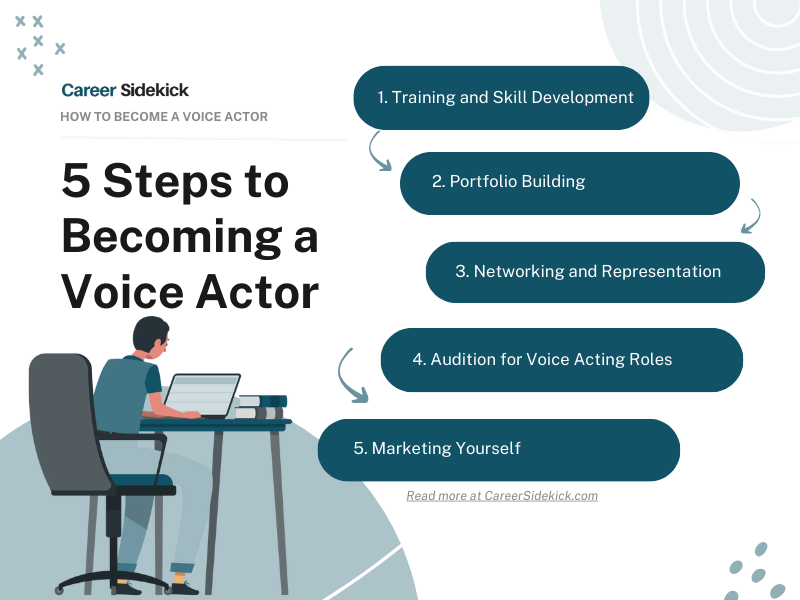
Talent alone will not make you a successful voice actor. Training is essential, and it should be ongoing throughout your career. Here is how to build a strong foundation.

Acting Classes Come First

Voice acting is acting – just without the camera. Before enrolling in any voiceover-specific training, make sure you have a solid grounding in general acting technique. Take classes in improvisation, scene study, and cold reading at local theaters or acting studios. Understanding how to break down a script, identify objectives, and make strong choices will separate you from the hundreds of people who think voice acting is just about reading words aloud in a nice voice.

Voice Over Coaching

Once you have acting fundamentals in place, invest in specialized voiceover coaching. Working with an experienced VO coach is the single most valuable investment you can make in your career. A good coach will help you identify your strengths, develop your range, learn microphone technique, and prepare you for the realities of the business. Expect to pay between $75 and $300 per hour for private coaching sessions. Some highly sought-after coaches charge even more.

Look for coaches who are working voice actors themselves and who have a track record of developing successful students. Some well-regarded coaching programs include those offered by Pat Fraley, Nancy Wolfson at Braintracks Audio, Dave Fennoy, and Crispin Freeman (especially for animation). Many coaches now offer remote sessions via Zoom or Source-Connect, making top-level instruction accessible regardless of your location.
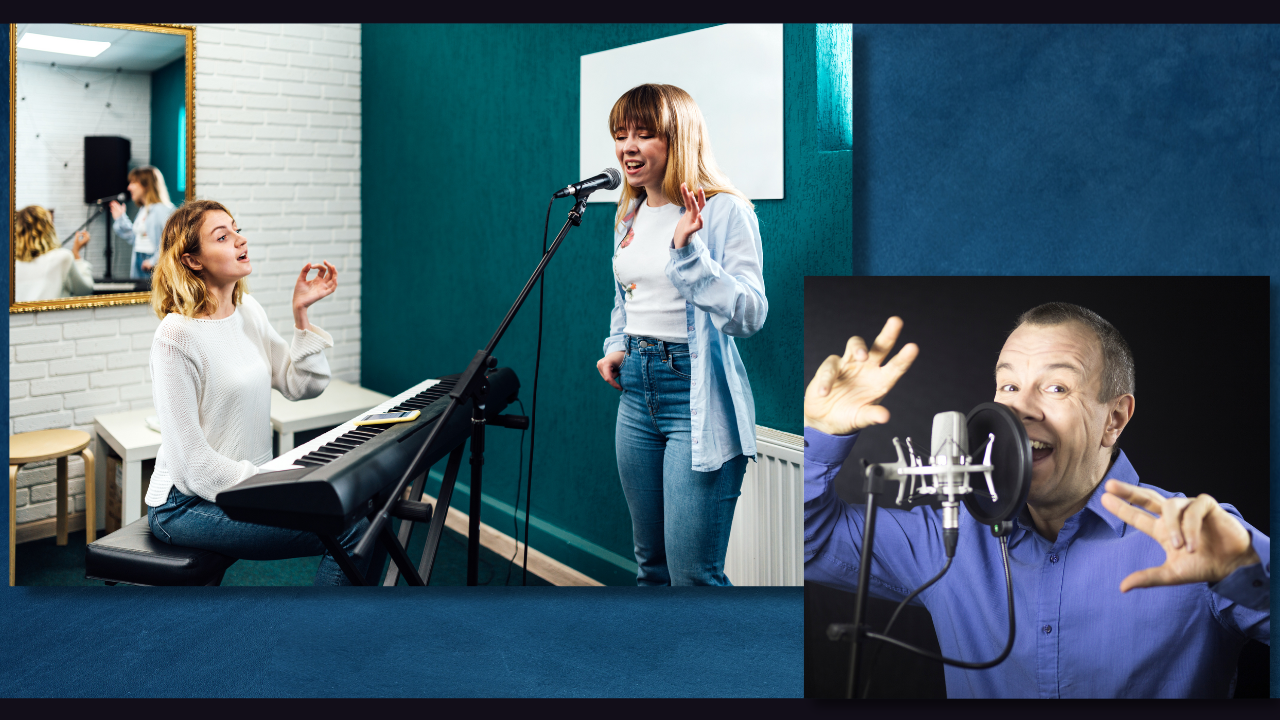
Voice acting coach working with a student in a professional recording studio
Image: Tony Chen

Online Courses and Workshops

Several reputable online platforms offer structured voiceover training. Gravy for the Brain provides a comprehensive library of tutorials from industry professionals. Edge Studio offers both online and in-person workshops across various VO genres. The VO School, run by Jamie Muffett, provides group classes and a supportive community for developing voice actors. Many of these programs cost between $30 and $100 per month for membership-based access, or $200 to $800 for intensive workshops.

Practice Every Day

Beyond formal training, daily practice is critical. Read aloud for at least 30 minutes every day – scripts, news articles, children’s books, ad copy, anything. Record yourself and listen back critically. Practice cold reads, where you perform a script you have never seen before with minimal preparation. This is exactly the skill you will need in auditions. Build a practice library by collecting scripts from online resources, transcribing commercials you hear on television, or using practice scripts provided by coaching platforms.

Setting Up Your Home Studio ($300 – $2,000)

In today’s voiceover industry, a home studio is not optional – it is essential. The vast majority of auditions and a growing number of professional recordings are done from home. The good news is that you can build a functional home studio at various budget levels.

Budget Setup ($300 – $500)

At the entry level, you need four things: a decent USB microphone, recording software, headphones, and some form of acoustic treatment. The Audio-Technica AT2020 USB ($100 – $130) is an excellent starter microphone that delivers surprisingly professional results for its price. Pair it with a free digital audio workstation (DAW) like Audacity or GarageBand (Mac only), a pair of Audio-Technica ATH-M50x headphones ($150), and a basic reflection filter or portable vocal booth like the Kaotica Eyeball ($200). This setup will handle auditions and smaller projects while you build your career.

Professional Setup ($1,000 – $2,000)

As you start booking work, you will want to upgrade to an XLR microphone and audio interface combination for better sound quality and more control. The industry-standard microphones for voiceover include the Neumann TLR 102 ($700), Sennheiser MKH 416 ($1,000 – used for much commercial and promo work), and the more affordable Rode NT1 ($270). You will need an audio interface to connect the XLR mic to your computer – the Focusrite Scarlett 2i2 ($170) or Universal Audio Volt 2 ($190) are excellent choices. Upgrade to a professional DAW like Adobe Audition ($23/month), Reaper ($60 for a personal license), or Pro Tools. Add a quality mic stand, pop filter, and XLR cable, and you are looking at a studio that can handle broadcast-quality work.

Acoustic Treatment Is Non-Negotiable

The most important factor in your recording quality is not your microphone – it is your room. A $1,000 microphone in an untreated room will sound worse than a $200 microphone in a well-treated space. At minimum, you need to reduce reflections and outside noise. Many voice actors convert a closet full of clothes into a recording space (the clothing acts as natural absorption). Others build a dedicated booth using moving blankets, acoustic foam panels, or rigid fiberglass panels. Companies like VocalBooth.com sell portable and permanent booth solutions ranging from $500 to $5,000, but DIY solutions can achieve excellent results for much less.
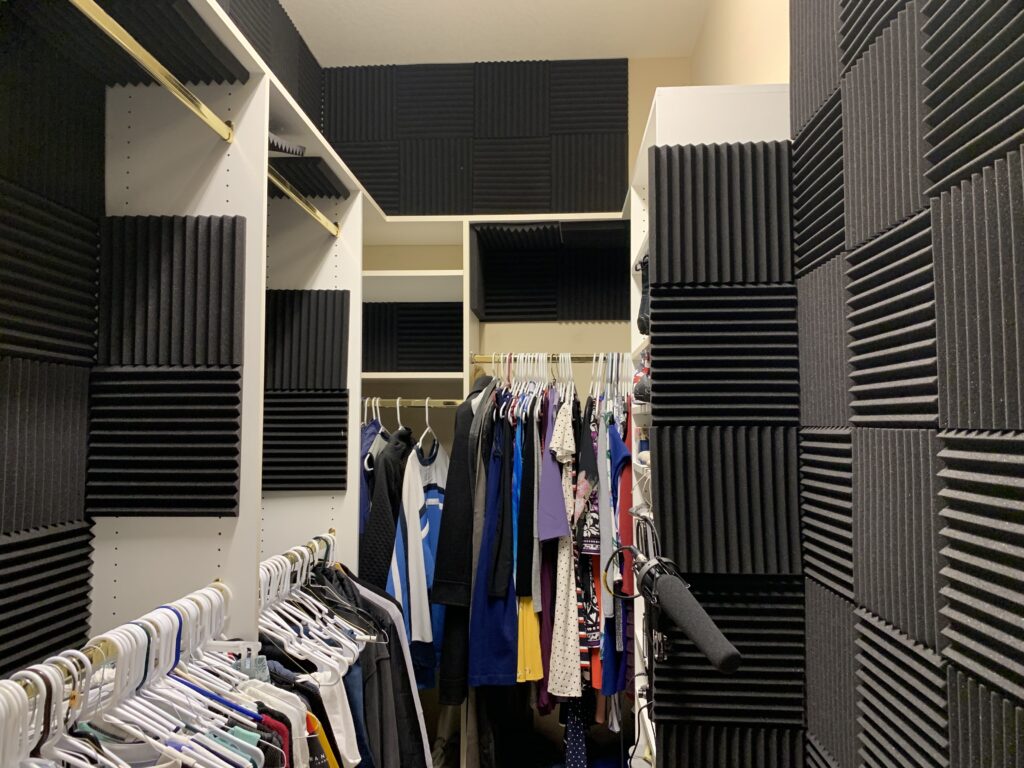
Home voice recording booth set up inside a walk-in closet with acoustic treatment and professional microphone
Image: Wheels Up Media

Producing a Professional Demo Reel

Your demo reel is your calling card – it is the first thing agents, casting directors, and potential clients will listen to when evaluating you. A poorly produced demo can end your chances before they begin, while a polished, professional demo opens doors.

Types of Demo Reels

Most voice actors need multiple demos tailored to different genres. The main categories include commercial demos (showcasing various advertising styles and tones), narration demos (corporate, documentary, and e-learning reads), character and animation demos (displaying your range of voices and characters), and audiobook demos (demonstrating your ability to narrate long-form content and voice multiple characters). Starting out, focus on the genre where you are strongest and expand from there.

Working with a Demo Producer

Do not produce your demo yourself, especially your first one. Hire an experienced demo producer who knows what casting directors and agents are looking for. A good demo producer will help you select scripts that showcase your strengths, direct your performance, handle all recording and post-production, and add appropriate music and sound effects. Expect to pay between $500 and $2,500 for a professionally produced demo, depending on the producer and genre. While that may seem like a significant investment, a bad demo is far more costly to your career than the price of a good one.

Demo Reel Best Practices

Keep each demo to 60 to 90 seconds – casting directors typically decide within the first 15 seconds whether they want to hear more. Lead with your strongest material. Include 6 to 8 different clips that demonstrate range without being repetitive. Make sure the production quality matches or exceeds broadcast standards. Update your demos every 12 to 18 months as your skills develop and the industry evolves.

When to Record Your Demo

This is critical: do not rush to produce a demo before you are ready. Recording a demo too early is one of the most common mistakes new voice actors make. You should have completed at least several months of consistent training, received positive feedback from a coach, and feel confident in your ability before investing in a professional demo. A premature demo will need to be re-recorded, costing you time and money, and could damage your reputation with agents and casting professionals who remember hearing subpar work.

Finding Agents and Representation

While many voice actors work successfully without agents, having representation can significantly expand your access to higher-paying jobs, especially in animation, major commercials, and video games.

How Voice Over Agents Work

Voice over agents submit your demos and profiles for jobs, negotiate rates on your behalf, and handle contract details. In return, they typically take a commission of 10% to 20% of your earnings on jobs they book for you. Legitimate agents never charge upfront fees – if someone asks you to pay to be represented, that is a scam.

Getting an Agent’s Attention

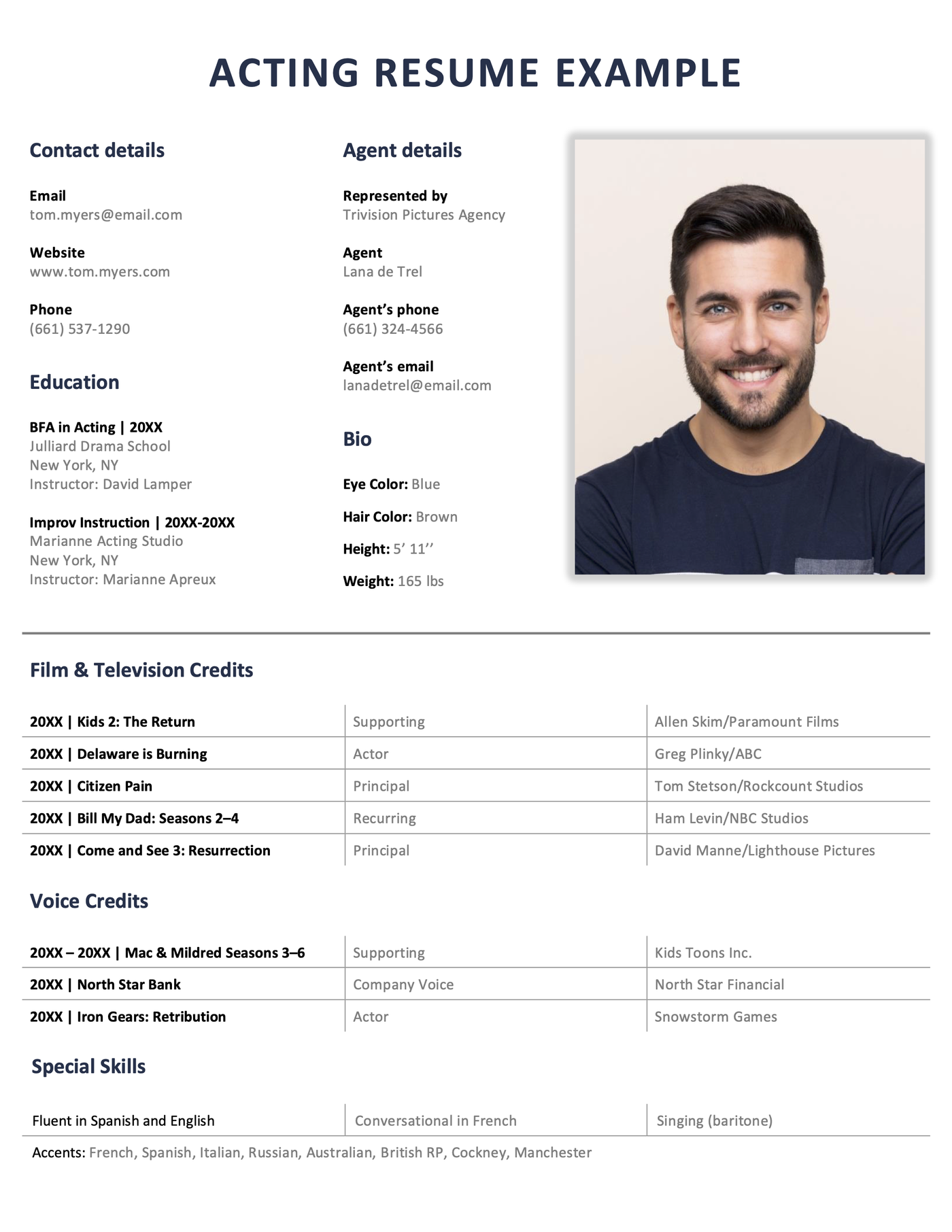
To approach agents, you need a professional demo reel, a clean and professional website showcasing your work, and ideally some booking history or training credentials. Research agencies in your market that represent voice talent – in Los Angeles, major VO agencies include Atlas Talent, CESD, Abrams Artists, and DDO Artists. In New York, look at Don Buchwald and Associates, Innovative Artists, and Stewart Talent. Many agencies accept demo submissions by email or through their website. Some hold open audition days or attend industry events where you can make personal connections.

Freelance Platforms and Online Marketplaces

For many voice actors, especially those starting out, online platforms provide a steady pipeline of work and the chance to build experience and credits.

Voices.com

Voices.com is the largest online voiceover marketplace, connecting talent with clients posting jobs across every genre. The platform uses a subscription model – a premium membership costs approximately $500 per year and gives you access to audition for posted jobs, a profile page, and various tools. Competition is fierce (popular jobs may receive 50 to 100 auditions), but consistent effort can yield results. Many voice actors report earning $5,000 to $50,000 or more annually through the platform once established.

Voice123

Voice123 operates similarly to Voices.com but uses a different matching algorithm that sends relevant jobs to your inbox based on your profile and vocal characteristics. Membership plans range from free (limited auditions) to premium tiers costing $300 to $600 per year. Many voice actors maintain profiles on both platforms to maximize their opportunities.

Voice actor browsing voiceover job listings on a laptop at their home office desk
Image: Backstage

Other Platforms Worth Exploring

Beyond the two major marketplaces, consider Backstage (which lists voiceover roles alongside on-camera work), Bodalgo (popular with European and international clients), Bunny Studio (which handles client management for you), and Fiverr (lower rates but high volume, useful for building experience). ACX is the primary platform for audiobook narration, connecting narrators with authors and publishers through Audible’s ecosystem.

Building Direct Client Relationships

While platforms are valuable, the most successful voice actors eventually build direct relationships with clients – production companies, advertising agencies, corporate communications departments, and content creators. Direct clients mean no platform fees, higher rates, and repeat business. Build these relationships through networking at industry events, maintaining an active social media presence, cold outreach to production companies, and delivering exceptional work that leads to referrals.

Union vs Non-Union Voice Acting

The question of whether to join a union is one that every aspiring voice actor must eventually face. Understanding the pros and cons of each path is crucial for making an informed decision.

SAG-AFTRA and Voice Acting

SAG-AFTRA (Screen Actors Guild – American Federation of Television and Radio Artists) is the primary union for voice actors in the United States. Union membership provides access to higher-paying jobs with established minimum rates, health and pension benefits (once you earn enough), residual payments for work that continues to air, and strong protections against exploitation and unfair working conditions. The initial joining fee is $3,000, plus annual dues based on your earnings (currently a minimum of approximately $240 per year).

The Non-Union Path

Many successful voice actors work exclusively in the non-union space, especially in the early stages of their careers. Non-union work has no restrictions on what jobs you can accept, no joining fees or dues, and a larger volume of available work (most online platform jobs are non-union). However, non-union rates are generally lower, there are fewer protections, and you will not have access to the highest-tier commercial and animation jobs.

Financial Core (Fi-Core) Status

Some voice actors choose Financial Core status, which allows them to work both union and non-union jobs. This is a controversial option within the industry – many casting directors and fellow actors view Fi-Core negatively, and it can limit your access to certain union opportunities. It is worth understanding this option exists, but carefully consider the social and professional implications before choosing this path.

When to Join the Union

The general advice from industry professionals is to stay non-union until you have built enough skills, credits, and a client base to sustain yourself at union rates. Joining too early can actually limit your opportunities by cutting off access to the larger non-union market before you are competitive enough to book union work consistently. Many voice actors reach a tipping point after one to three years of active work where the benefits of union membership clearly outweigh the limitations.

Realistic Income Expectations

Let us talk about money honestly, because unrealistic expectations are one of the biggest sources of frustration for aspiring voice actors.

Year One: $0 – $5,000

Your first year will likely involve more spending than earning. Between training, equipment, demo production, platform memberships, and marketing, you might invest $3,000 to $8,000 in getting started. Any income you earn will likely come from smaller projects – local commercials, small business explainer videos, or audiobook royalty share projects. Do not quit your day job during this phase.

Years Two to Three: $5,000 – $30,000

As you build skills, credits, and client relationships, your income should grow steadily. Voice actors who audition consistently (submitting 10 to 20 auditions per week), maintain professional quality, and actively market themselves can reasonably expect to reach $15,000 to $30,000 in annual VO income by their second or third year. This is still part-time income for most people.

Full-Time Professional: $50,000 – $200,000+

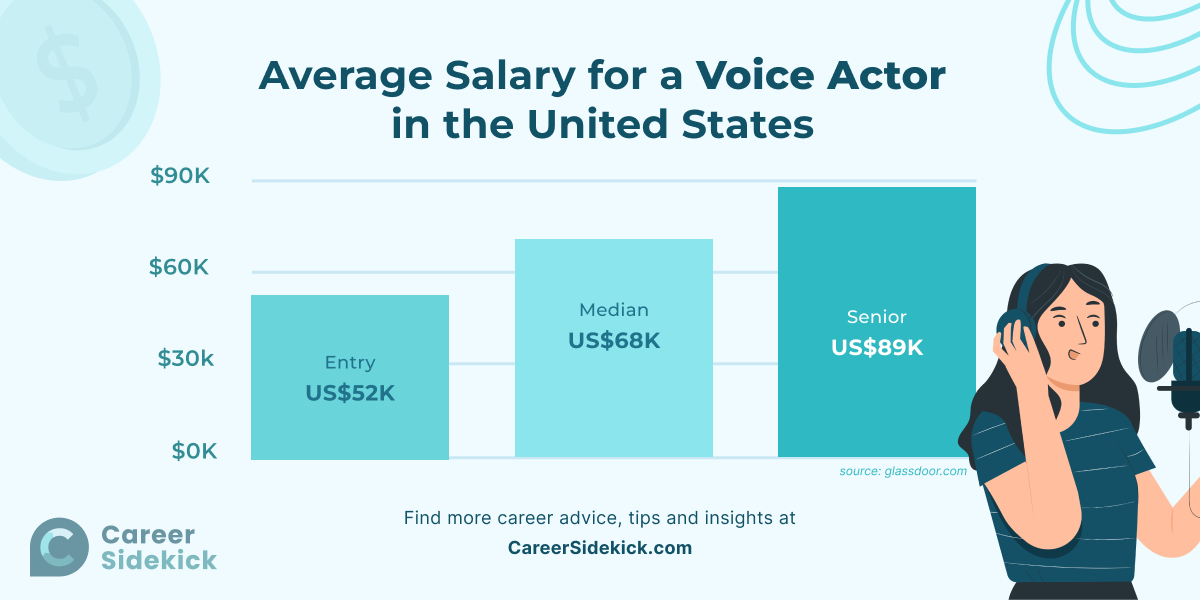
Full-time voice actors with established careers, strong client lists, and multiple revenue streams typically earn between $50,000 and $200,000 per year. The top tier of voice actors – those booking national commercials, series regular animation roles, major video game titles, and high-profile narration – can earn well into six figures. A small number of celebrity voice actors earn millions, but this is not a realistic benchmark for most professionals.

The Business Side

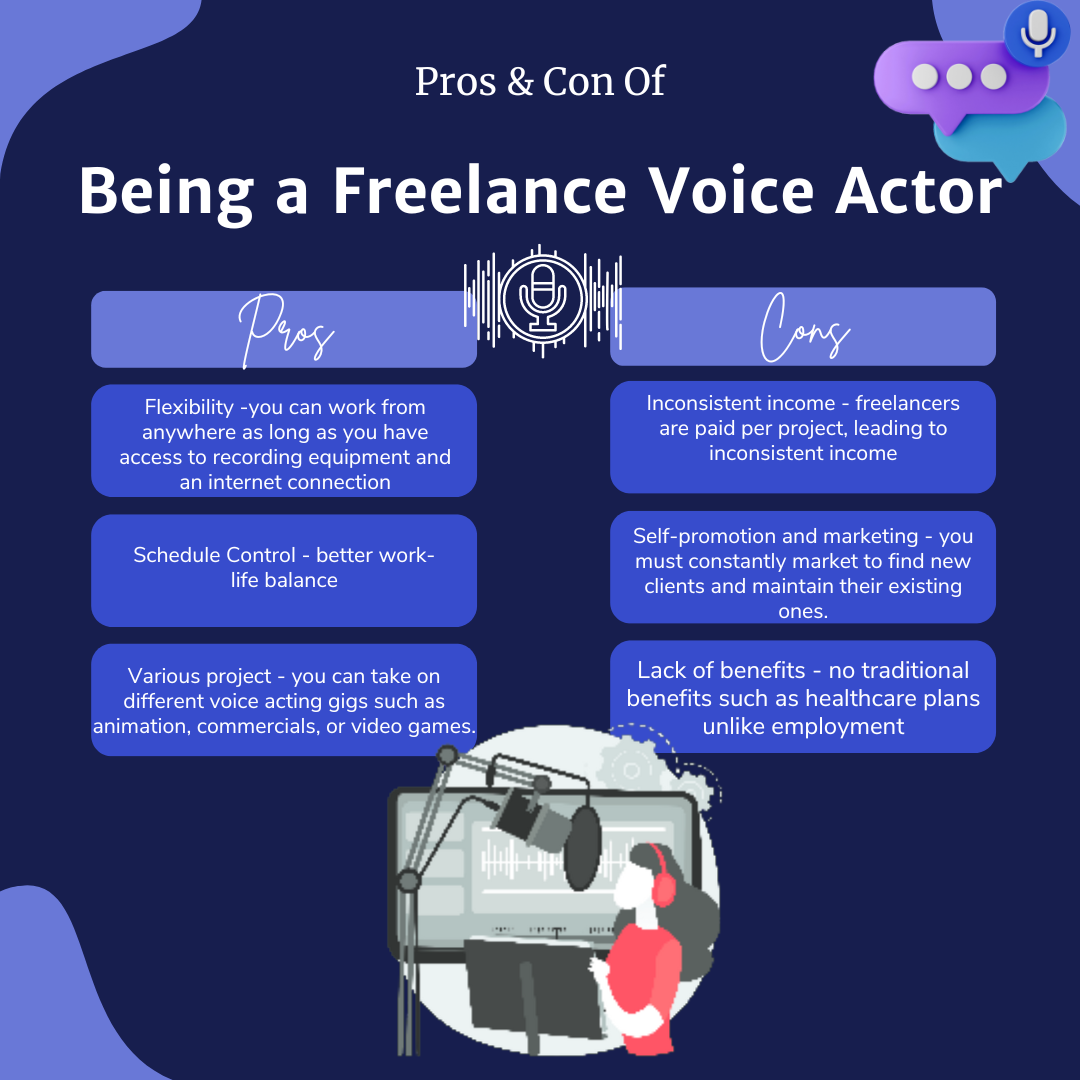
Remember that as a freelance voice actor, you are running a small business. Your gross income is not your take-home pay. Budget for self-employment taxes (approximately 15.3% in the US), ongoing training and coaching, equipment maintenance and upgrades, marketing and website costs, platform memberships, agent commissions, and health insurance. A voice actor earning $100,000 gross may take home $60,000 to $70,000 after expenses and taxes. Plan accordingly and maintain an emergency fund, especially in the early years when income is unpredictable.

Key Takeaways

  • Voice acting is real acting – invest in acting training before voiceover-specific coaching, and never stop developing your craft.
  • A functional home studio can be built for as little as $300 to $500, but acoustic treatment matters more than expensive microphones.
  • Never rush your demo reel – wait until a coach confirms you are ready, then invest in professional production.
  • Online platforms like Voices.com and Voice123 provide accessible entry points, but building direct client relationships leads to higher long-term earnings.
  • Realistic income expectations start near zero in year one and build gradually – plan to maintain other income sources for at least two to three years.
  • The union question has no one-size-fits-all answer – stay non-union until you can sustain yourself at union rates.
  • Treat your voice acting career as a business from day one, tracking expenses, marketing consistently, and investing in professional development.

Frequently Asked Questions

Do I need a unique or unusual voice to become a voice actor?

No. The most in-demand vocal quality in today’s market is actually a natural, conversational, relatable sound. While character voices are valuable for animation and video games, the majority of voiceover work – commercials, corporate narration, e-learning, audiobooks – requires authentic, clear delivery rather than distinctive or quirky voices. Focus on developing strong acting skills and the ability to connect with copy, and your natural voice will serve you well.

How long does it take to start making money as a voice actor?

Most voice actors begin earning some income within 6 to 12 months of serious training and effort, though the amounts are typically small. Reaching a sustainable part-time income ($15,000 to $30,000 per year) usually takes two to three years of consistent work. Achieving full-time professional income ($50,000 or more) typically requires three to five years of dedicated effort, ongoing training, and strategic business development. These timelines assume you are actively training, auditioning regularly, and treating your career like a business rather than a hobby.

Can I become a voice actor if I do not live in Los Angeles or New York?

Absolutely. The shift to remote recording has made location far less important than it was even a decade ago. Voice actors based in small towns across the country – and around the world – successfully book work from their home studios. While LA and New York still offer advantages for certain high-end work (particularly animation and major commercial campaigns that may require in-studio sessions), the vast majority of voiceover work can now be done remotely. Having a professional home studio and reliable internet connection matters far more than your zip code.

What is the biggest mistake new voice actors make?

The biggest mistake is rushing to produce a demo and start auditioning before developing sufficient skills. Many people hear they have a nice voice, record a quick demo, and start submitting auditions – only to face consistent rejection because their technique, direction-taking ability, and microphone skills are not yet professional grade. Invest in proper training first. A close second mistake is underinvesting in acoustic treatment for their recording space, resulting in audio quality that immediately disqualifies them from professional consideration.

Should I take a voice acting class or hire a private coach?

Both have value, and the best approach combines them. Group classes are excellent for learning fundamentals, getting comfortable performing in front of others, and building a supportive community of fellow voice actors. Private coaching provides personalized feedback tailored to your specific strengths and weaknesses, targeted direction on your demo preparation, and focused work on the genres where you want to specialize. If budget is a concern, start with group classes ($200 to $500 for a multi-week series) and add private coaching ($75 to $300 per session) once you have a foundation in place.

Ad SpaceIn-Article - 300x250
Advertisement
Share
How to Become a Voice Actor: Training, Demo Reels, and Landing Your First Job - Sidomex Entertainment