
Beartooth's Caleb Shomo Opens Up About Coming Out as Gay After 14-Year Marriage
Music

Beartooth's Caleb Shomo Opens Up About Coming Out as Gay After 14-Year Marriage

Jalen RossJalen Ross··6 min read
Advertisement

Table of Contents

A Brave Revelation That Shook the Metalcore World
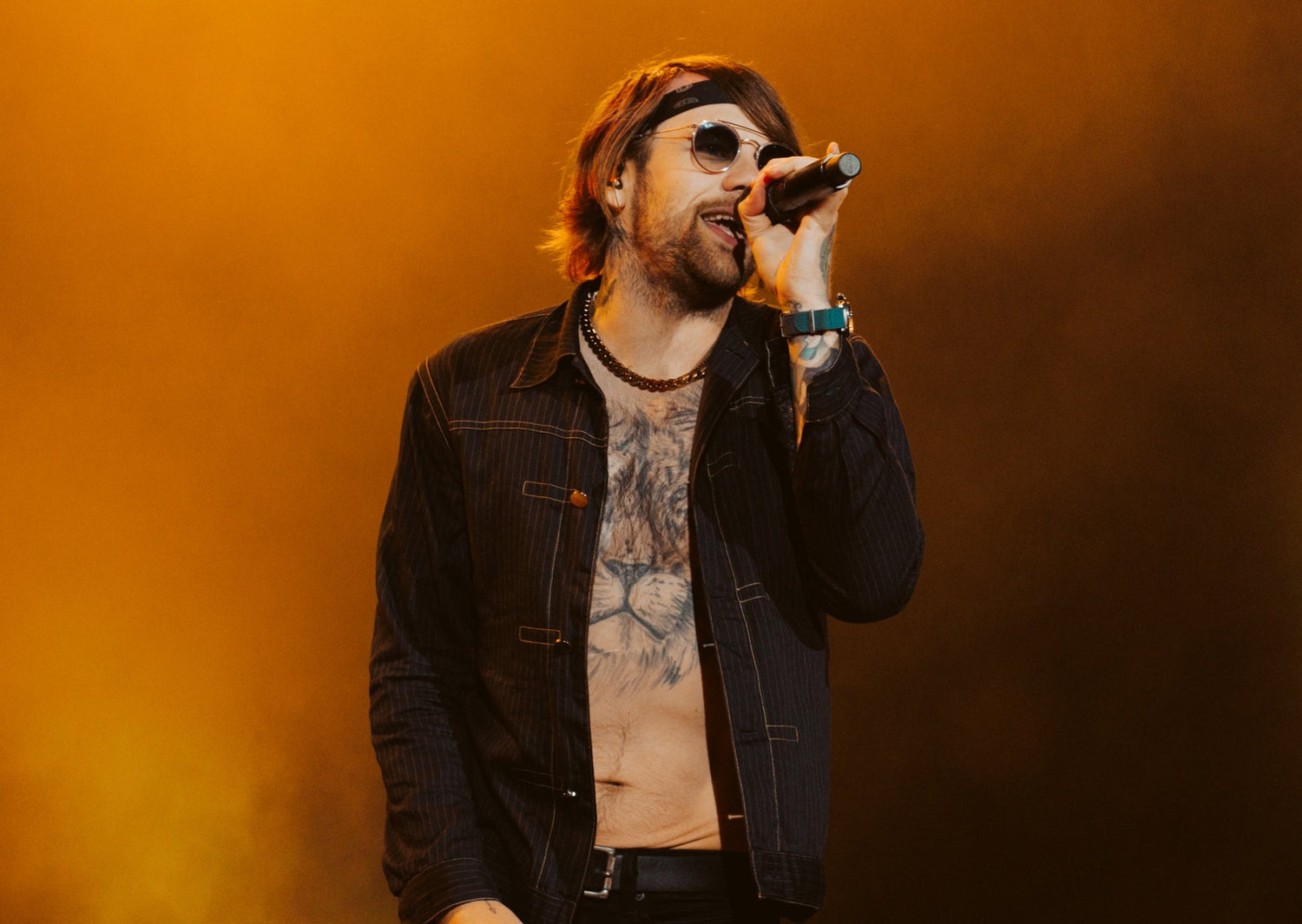
Beartooth Caleb Shomo - A Brave Revelation That Shook the Metalcore World

The metalcore community was stunned this week when Beartooth frontman Caleb Shomo courageously announced his truth to the world – he is gay. The 31-year-old musician, known for his powerful vocals and emotionally charged performances, took to social media to share what he described as the most difficult but necessary announcement of his life. His revelation comes after 14 years of marriage, during which he privately battled with his sexual identity while maintaining one of metal’s most successful careers. The announcement has sent ripples through the music industry, particularly within the metalcore and hardcore scenes where discussions about LGBTQ+ identity have historically been limited.
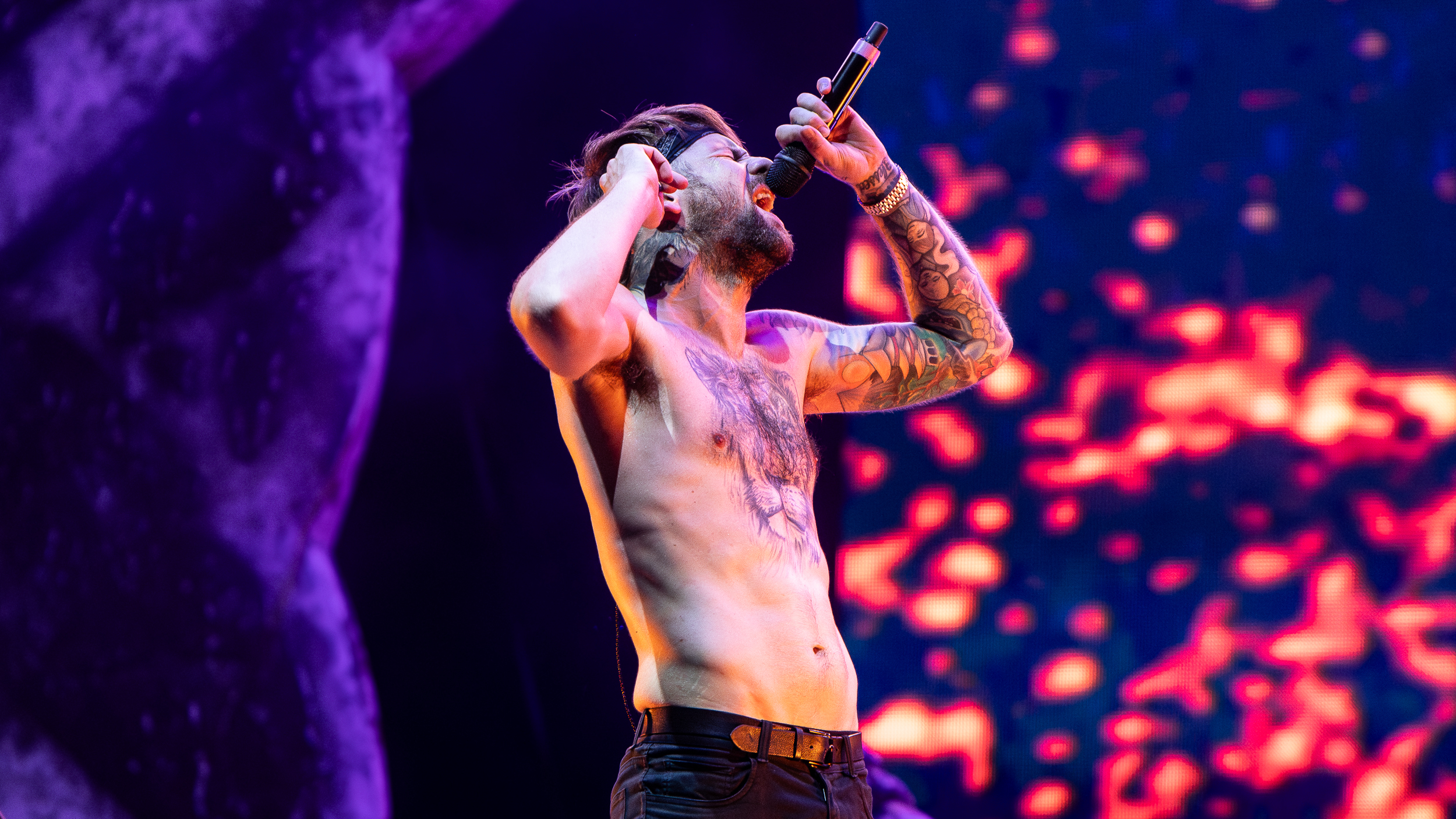
Caleb Shomo performing with Beartooth on stage
Image: The Rock Revival

Shomo’s decision to come out publicly represents a significant moment not just for his personal journey, but for representation within heavy music genres that have traditionally been dominated by hyper-masculine imagery and culture. His vulnerability in sharing this deeply personal aspect of his identity demonstrates the evolving landscape of rock and metal, where authenticity is increasingly valued over conforming to long-standing stereotypes. The timing of his announcement, coming at the height of Beartooth’s success and popularity, shows remarkable courage and commitment to living his truth regardless of potential professional consequences.

A Decade-Long Struggle with Identity and Addiction

Beartooth Caleb Shomo - A Decade-Long Struggle with Identity and Addiction

In his heartfelt statement, Shomo revealed the devastating personal cost of suppressing his true identity for over a decade. “I spent a decade burying feelings with alcohol,” he wrote, offering a raw glimpse into the destructive coping mechanisms he employed while grappling with his sexuality. This admission sheds new light on his previous struggles with mental health and substance abuse, issues he has been open about in interviews and through Beartooth’s emotionally charged lyrics. The connection between his internal conflict about his sexual identity and his battle with addiction provides context for the pain and anguish that has fueled much of his songwriting over the years.

Beartooth recording music in studio
Image: Wall Of Sound

The metalcore scene has long been a refuge for musicians dealing with personal demons, mental health struggles, and feelings of alienation. Shomo’s music with Beartooth has consistently explored themes of depression, anxiety, and self-destructive behavior, resonating with countless fans who found solace in his honest portrayal of internal battles. Now, understanding the specific nature of his struggle – the conflict between his public persona, his marriage, and his suppressed sexual identity – adds deeper meaning to songs that fans thought they already understood completely. His admission about using alcohol to numb these feelings highlights the dangerous intersection of internalized homophobia and addiction that affects many LGBTQ+ individuals, particularly those in industries or communities where coming out feels impossible.

An Unexpected Response from His Wife

Beartooth Caleb Shomo - An Unexpected Response from His Wife

Perhaps the most surprising aspect of this entire revelation has been the response from Shomo’s wife of 14 years, whose grace and understanding in this impossible situation has earned widespread admiration. Rather than responding with anger or bitterness, she released her own statement expressing support for her husband’s journey toward authenticity and self-acceptance. Her response has been praised by fans and LGBTQ+ advocates alike for demonstrating that love can transcend romantic relationships and evolve into different forms of deep care and respect. The couple’s handling of this incredibly difficult situation provides a model for how families can navigate the complexities of coming out later in life.

Caleb Shomo with his family
Image: Page Six

Their 14-year marriage, which produced children and weathered the demands of a touring musician’s lifestyle, was clearly built on genuine love and partnership, even as Shomo struggled with his sexual identity. His wife’s supportive response suggests that their relationship, while changing form, maintains the foundation of mutual respect and care that sustained them through years of marriage. This mature handling of what could have been a devastating situation speaks to both individuals’ character and their commitment to their family’s wellbeing above all else. The couple’s approach offers hope to other families facing similar situations and demonstrates that coming out doesn’t have to destroy the love that exists between people, even when it fundamentally changes the nature of their relationship.

Advertisement

Beartooth’s Rise and Shomo’s Creative Evolution

Beartooth Caleb Shomo - Beartooth's Rise and Shomo's Creative Evolution

Beartooth’s meteoric rise in the metalcore scene over the past decade now takes on additional significance when viewed through the lens of Shomo’s personal struggle. The band, which began as his solo project after leaving Attack Attack!, became a vehicle for expressing the intense emotional turmoil he was experiencing internally. Albums like “Disgusting” and “Aggressive” showcased a level of raw emotion and vulnerability that connected with fans worldwide, though the specific source of that pain remained hidden. Songs that dealt with themes of self-hatred, feeling trapped, and struggling with identity now carry additional weight and meaning for listeners who understand the full context of his experience.

Beartooth music album artwork collection
Image: Genius

The evolution of Beartooth’s sound and Shomo’s lyrics over the years can now be understood as part of his journey toward self-acceptance and authenticity. His writing process, which he has described as deeply therapeutic and essential to his mental health, served as both an outlet for his suppressed feelings and a way to connect with fans experiencing their own struggles. The band’s success, with multiple albums charting on the Billboard 200 and sold-out tours worldwide, created additional pressure to maintain his public persona while privately battling with his identity. This internal conflict likely contributed to the intensity and desperation that characterizes much of Beartooth’s most powerful music.

Breaking Barriers in Metal’s Masculine Culture

Beartooth Caleb Shomo - Breaking Barriers in Metal's Masculine Culture

Shomo’s coming out represents a watershed moment for LGBTQ+ representation in heavy music, a genre that has historically struggled with toxic masculinity and heteronormative expectations. While other genres have seen prominent artists come out and be embraced by their communities, metal and hardcore scenes have been slower to evolve on issues of gender and sexuality. His decision to live openly as a gay man while fronting one of metalcore’s most successful bands challenges long-held assumptions about what a metal frontman should be and opens doors for other LGBTQ+ musicians in heavy music genres.

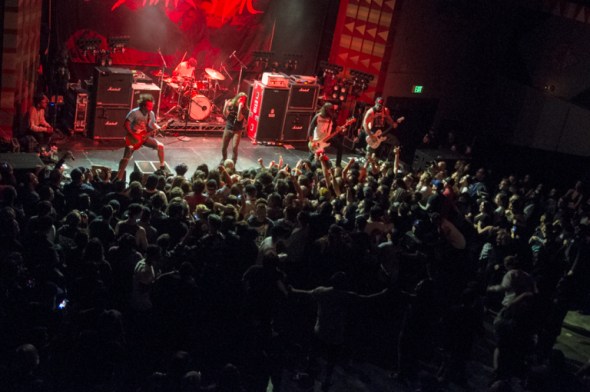
Metalcore concert audience at Beartooth show
Image: Showbams

The response from the metal community has been largely positive, with fellow musicians, industry professionals, and fans expressing support for Shomo’s courage and authenticity. This reception suggests that the metal scene may be more ready for LGBTQ+ representation than many assumed, particularly among younger fans who prioritize authenticity and inclusivity over traditional masculine stereotypes. Major metal festivals, record labels, and media outlets have voiced their support, indicating that the industry infrastructure is prepared to embrace openly LGBTQ+ artists. Shomo’s platform and influence within the scene position him to be a powerful advocate for other LGBTQ+ musicians who may be struggling with similar issues of identity and acceptance.

Looking Ahead: Music, Healing, and Authenticity

As Shomo embarks on this new chapter of his life, fans and industry observers are curious about how his newfound openness will influence Beartooth’s future music and his personal artistic expression. Living authentically after years of suppression often leads to profound creative breakthroughs, and there’s anticipation that his upcoming work will reflect this liberation and self-acceptance. His commitment to sobriety, combined with his decision to live openly, suggests that future Beartooth releases may explore themes of recovery, authenticity, and hope in addition to the struggle and pain that have characterized much of their previous work.

Caleb Shomo writing music with acoustic guitar
Image: Gear Gods

The music industry and metal community will be watching closely to see how Shomo’s career evolves following his announcement. His courage in coming out at the height of his success, despite the potential risks, demonstrates a commitment to authenticity that resonates beyond just his sexual identity. For many fans struggling with their own issues of identity, addiction, or self-acceptance, Shomo’s journey from hiding behind alcohol and false personas to living openly and honestly provides a powerful example of hope and healing. As he continues to tour, record, and connect with audiences worldwide, his story becomes part of Beartooth’s larger narrative about overcoming internal battles and finding the strength to be genuinely yourself, regardless of the cost.

Advertisement
Share
Get the recap

Loved this story? Get more like it.

Join readers who get our weekly entertainment recap — the stories worth your time, delivered every Friday.

No spam. Unsubscribe anytime. By signing up you agree to our Privacy Policy.

Beartooth's Caleb Shomo Opens Up... | Sidomex Entertainment