
Table of Contents
- The Surprise Return That Nobody Saw Coming
- February’s Shocking Tour Cancellation
- A Night of Music for a Cause
- Fan Reactions and Industry Response
- What’s Next for the Rock Icon
The Surprise Return That Nobody Saw Coming
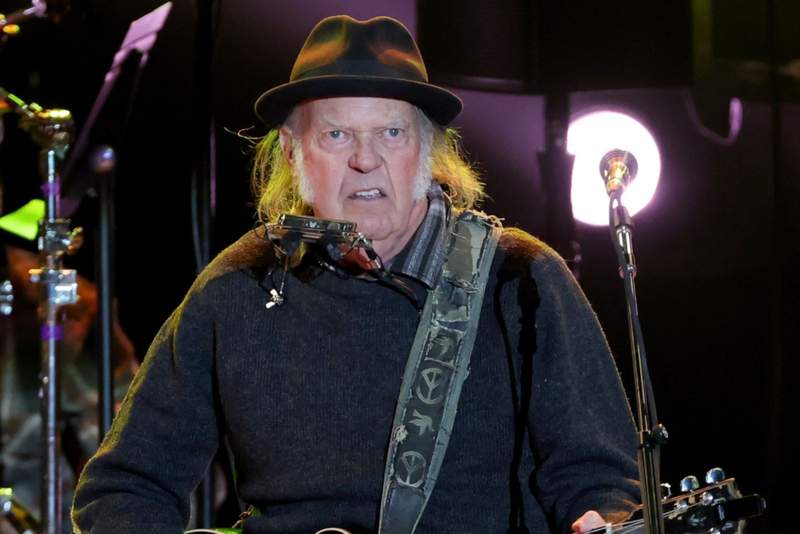
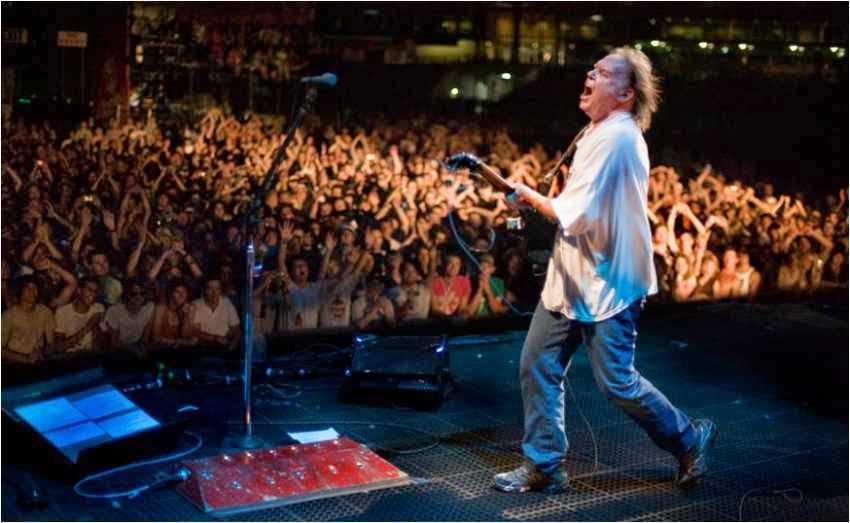
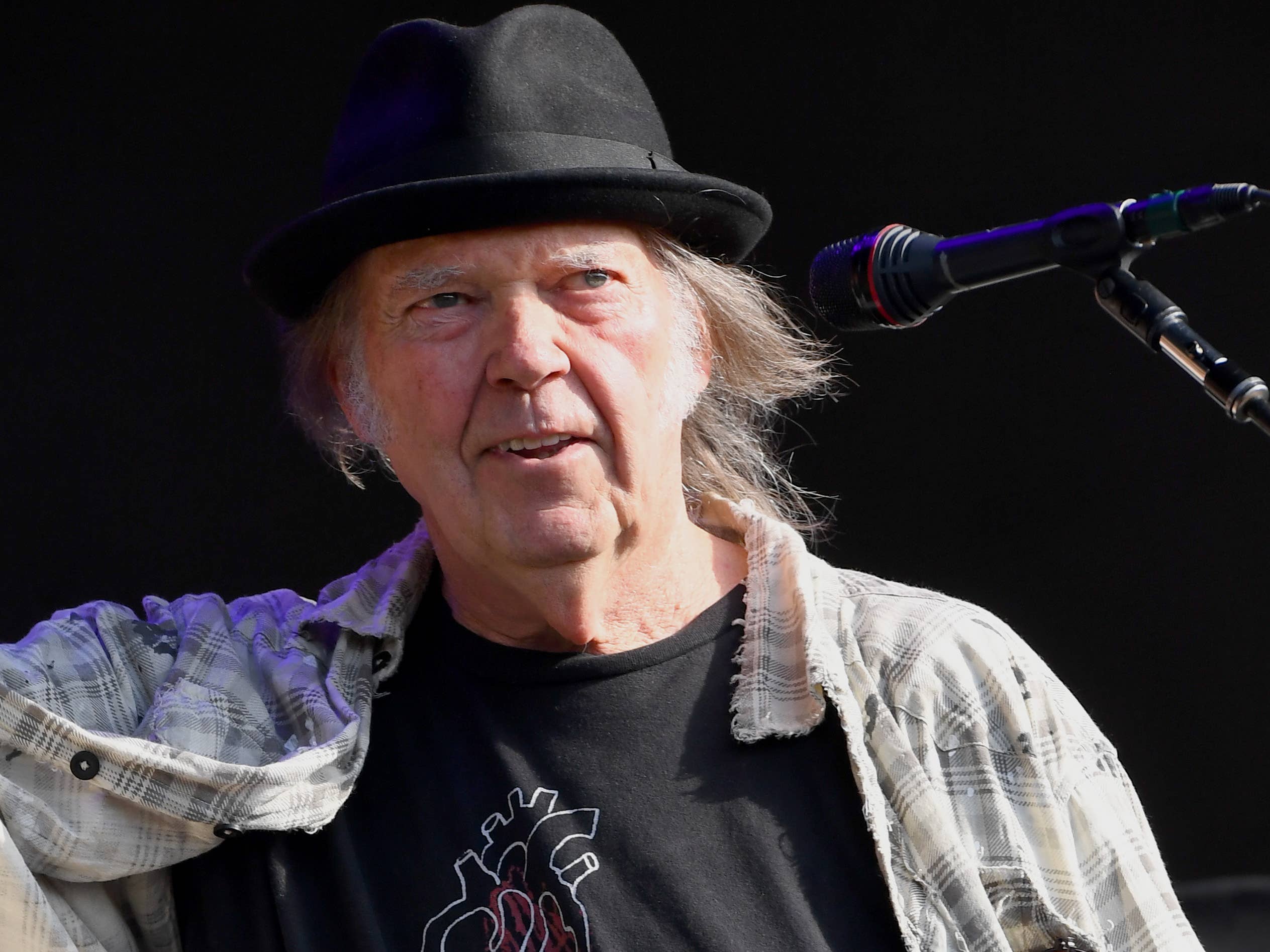
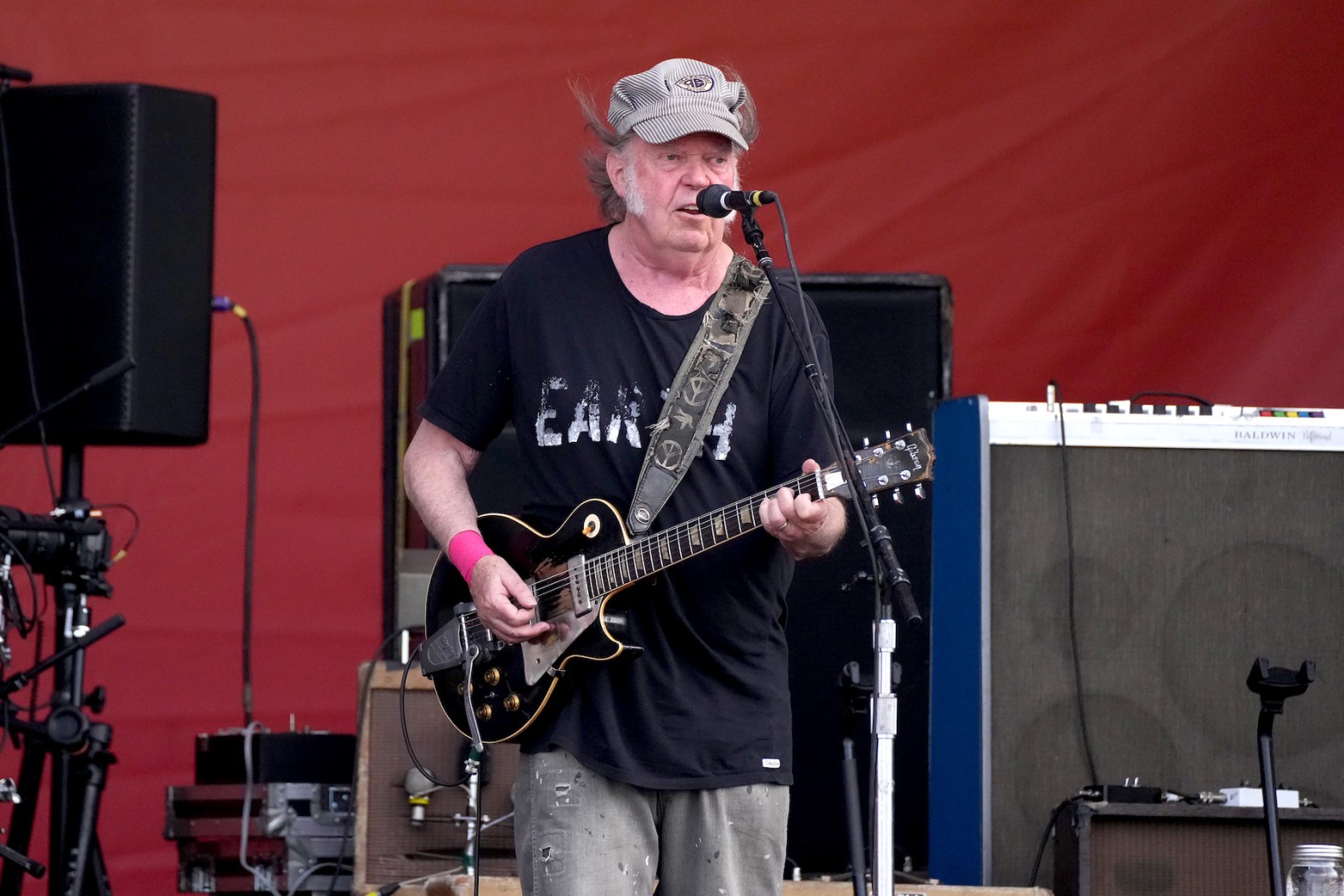
In a move that caught the music world completely off guard, Neil Young made his first live appearance of 2026 at a benefit concert in Vancouver, marking a dramatic return to the stage after months of uncertainty surrounding his touring future. The Canadian rock legend, known for his unpredictable nature and fierce independence, took the stage at the Queen Elizabeth Theatre for what organizers described as an intimate evening supporting local environmental causes. Young’s surprise participation wasn’t announced until just hours before the show, leaving fans scrambling for last-minute tickets and creating a buzz that rippled through social media faster than his iconic guitar feedback. The performance served as a powerful reminder of why Young remains one of rock’s most compelling and enigmatic figures, even as he approaches his eighth decade.
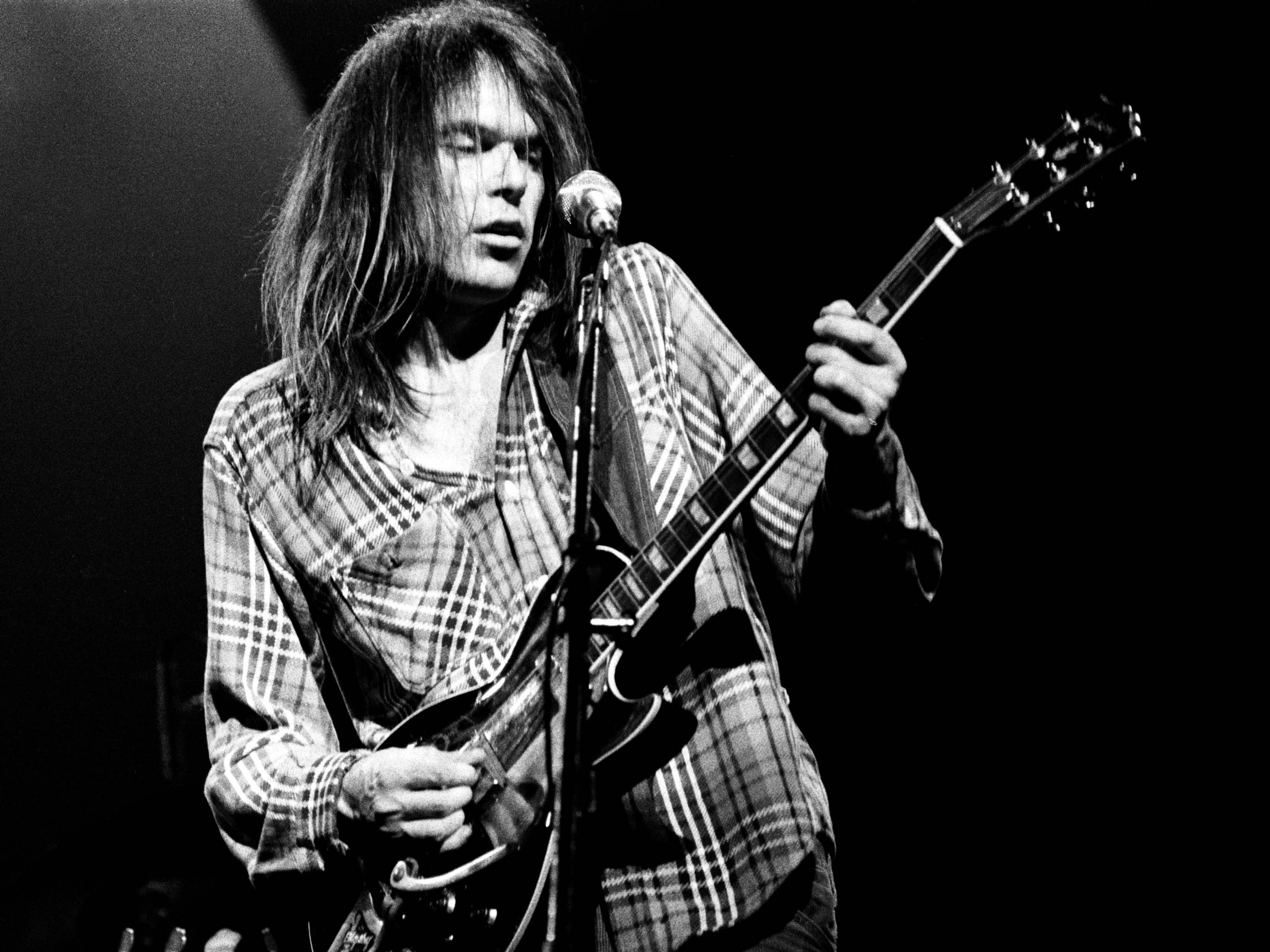
The intimate venue, with its capacity of just over 2,900 seats, provided the perfect setting for Young’s return to live performance. Unlike the massive arenas and festivals that typically host rock legends of his caliber, the Queen Elizabeth Theatre offered an atmosphere that felt more like a gathering of friends than a commercial concert. Young appeared relaxed and genuinely pleased to be back on stage, his trademark harmonica and guitar work sounding as powerful and emotionally resonant as ever. The choice of Vancouver for his comeback also held special significance, as the city sits just hours from his hometown of Toronto and has long been a place where Young has felt comfortable exploring new musical directions away from the pressures of the international touring circuit.
February’s Shocking Tour Cancellation

Young’s Vancouver appearance becomes even more significant when viewed against the backdrop of February’s abrupt European tour cancellation, which left thousands of fans disappointed and the music industry speculating about the reasons behind his sudden withdrawal. The planned European dates, which were set to include major festivals and prestigious venues across the continent, were called off with minimal explanation, leading to widespread concern about Young’s health and future touring plans. Industry insiders suggested various factors could have contributed to the cancellation, ranging from logistical challenges to personal considerations, but Young himself remained characteristically tight-lipped about the specific reasons. The cancellation marked another chapter in Young’s long history of making unexpected decisions that prioritize his artistic integrity and personal well-being over commercial obligations.
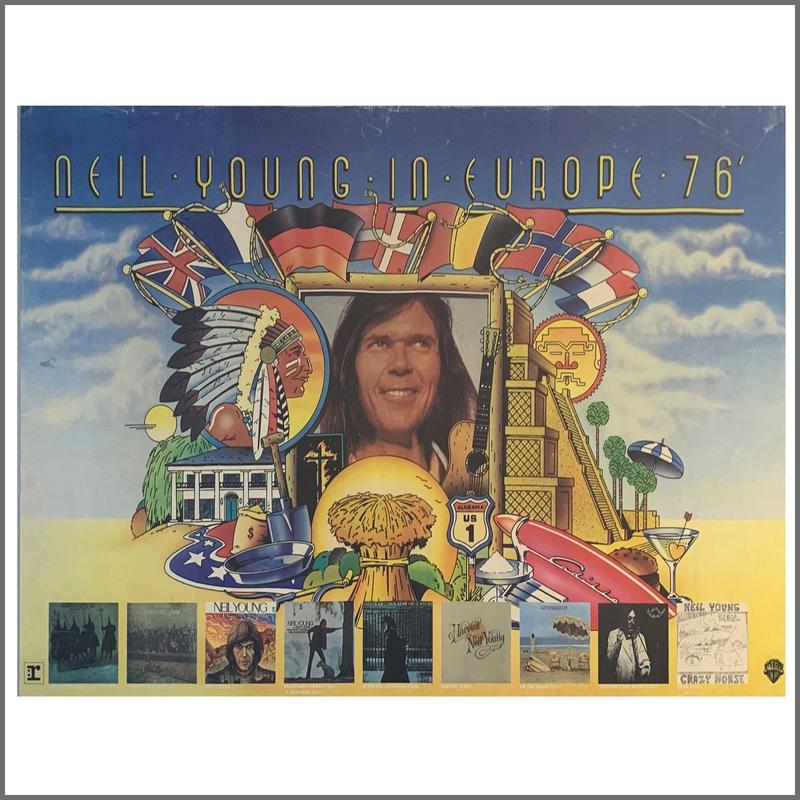
The February cancellation also highlighted Young’s evolving relationship with large-scale touring, something that has become increasingly complicated for veteran artists in the post-pandemic era. The 78-year-old musician has never been one to follow conventional industry wisdom, and his decision to step back from major touring commitments reflected a broader trend among legacy artists who are reevaluating their relationship with the demanding schedules that have defined rock stardom for decades. Young’s choice to prioritize smaller, more meaningful performances over the grueling cycle of international touring represents a mature artist’s recognition that quality often trumps quantity, especially when it comes to connecting with audiences in an authentic way.
A Night of Music for a Cause
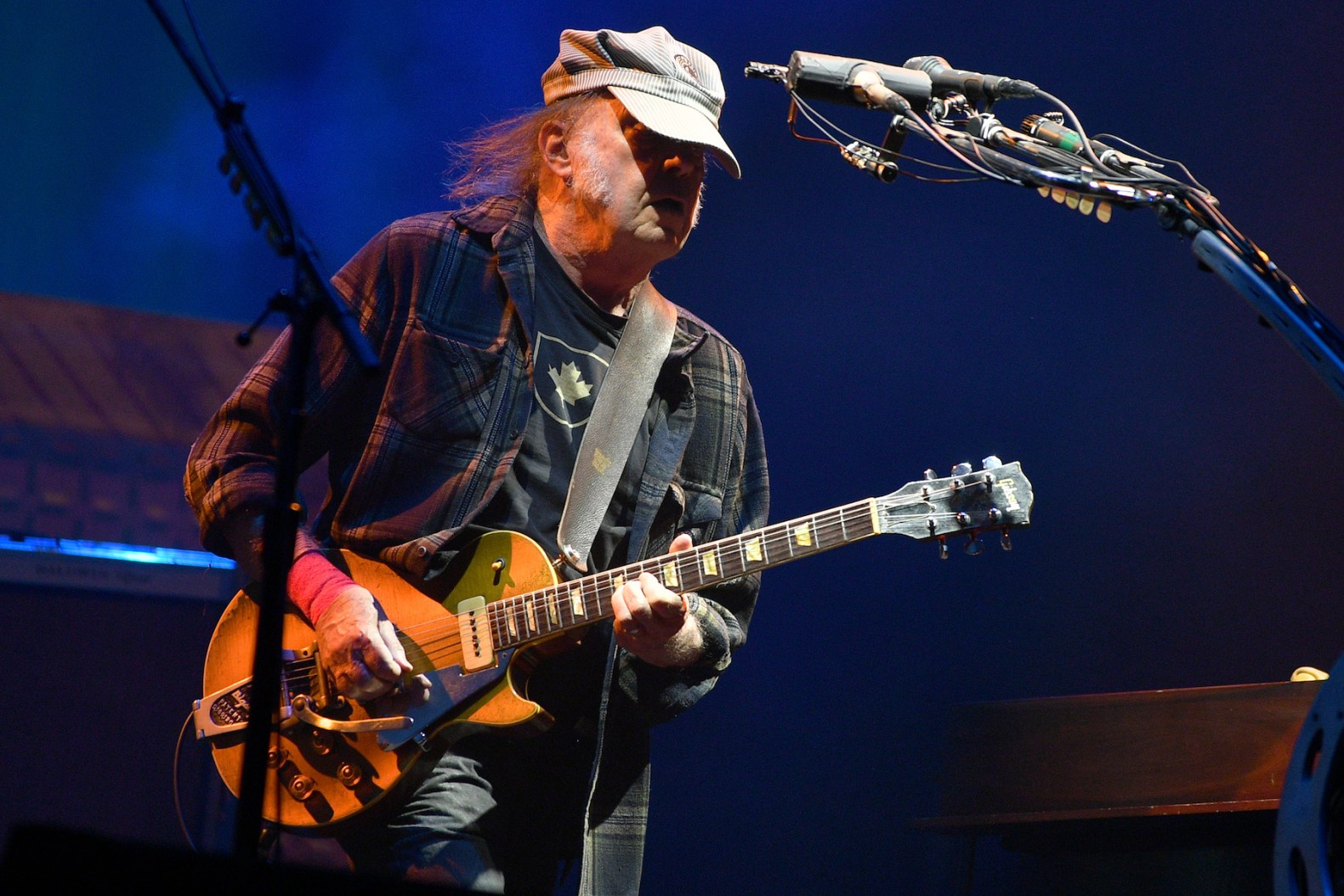
The Vancouver benefit concert showcased Young at his most passionate and purposeful, performing a carefully curated set that balanced classic favorites with deeper cuts that demonstrated his commitment to environmental activism. The evening’s proceeds were directed toward organizations working on climate change initiatives and habitat preservation, causes that have been central to Young’s advocacy work for decades. His performance included powerful renditions of environmental anthems alongside intimate acoustic numbers that reminded the audience why his songwriting has remained relevant across multiple generations. The benefit format seemed to energize Young in ways that traditional commercial concerts might not, allowing him to combine his musical gifts with his deeply held convictions about environmental stewardship.