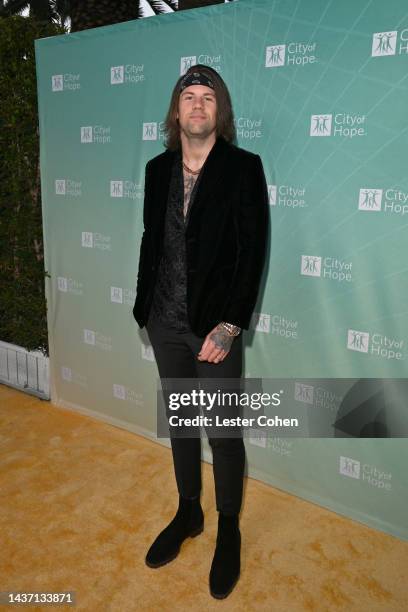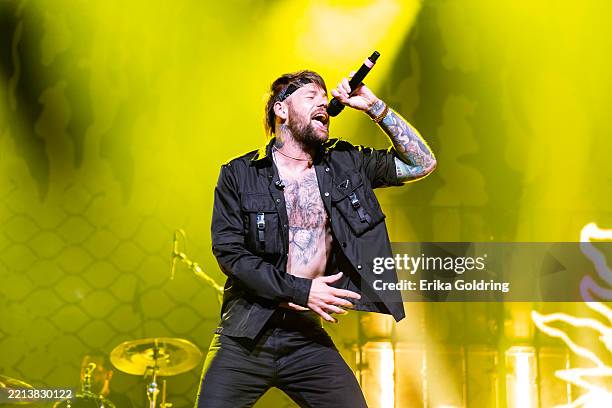
In the often turbulent world of metalcore music, few artists have been as transparently vulnerable about their personal struggles as Caleb Shomo. The 32-year-old vocalist and multi-instrumentalist has built his career on raw honesty, channeling his battles with depression, anxiety, and identity into some of the genre’s most emotionally resonant anthems. As the driving force behind Beartooth and former member of Attack Attack!, Shomo has consistently pushed boundaries both musically and personally, creating a legacy that extends far beyond heavy riffs and screaming vocals. His willingness to address mental health openly in his lyrics has made him a beacon for countless fans navigating their own dark moments, establishing him as one of metalcore’s most important voices of his generation.
Today, Shomo finds himself at the center of widespread attention following his courageous decision to come out as gay, a revelation that has sent ripples through the metal community and beyond. The announcement, made amid his 14-year marriage, was met with an outpouring of support, including from his wife, who publicly expressed her continued love and support for him. This deeply personal revelation represents not just a significant moment in Shomo’s own journey of self-discovery, but also a groundbreaking instance of LGBTQ+ visibility in a genre that has historically struggled with representation and acceptance. His story continues to unfold as both a testament to personal growth and a powerful example of authenticity in an industry that often demands conformity.
Quick Facts / At a Glance

| Full Name | Caleb Joshua Shomo |
| Date of Birth | December 1, 1992 |
| Place of Birth | Westerville, Ohio, United States |
| Nationality | American |
| Profession | Vocalist, Songwriter, Multi-instrumentalist, Producer |
| Known For | Lead vocalist of Beartooth, former member of Attack Attack! |
| Net Worth | Estimated at $1-3 million |
Early Life and Background

Caleb Joshua Shomo was born on December 1, 1992, in Westerville, Ohio, a suburb of Columbus known for its tight-knit community atmosphere. Growing up in a middle-class household, Shomo was exposed to music from an early age, though his path to heavy music wasn’t immediately obvious. His parents, while supportive of his musical interests, likely never imagined their son would become one of metalcore’s most recognizable voices. The suburban Ohio setting of his childhood would later influence his songwriting, as he often drew from the feelings of isolation and restlessness that can characterize small-town American life. This environment, while stable, also fostered the introspective nature that would become central to his artistic identity.
During his formative years, Shomo displayed an natural aptitude for music that extended beyond simple appreciation to active participation and creation. He began experimenting with various instruments during his pre-teen years, showing particular interest in both traditional rock instruments and the electronic elements that would later define his early career. His musical tastes during this period were eclectic, ranging from mainstream rock to the emerging metalcore and post-hardcore scenes that were gaining traction in the mid-2000s. This diverse musical foundation would prove crucial in developing his unique approach to songwriting and production, allowing him to seamlessly blend heavy and melodic elements throughout his career.
The teenager years brought both musical growth and personal challenges for Shomo, as he began to grapple with the mental health issues that would become recurring themes in his later work. High school presented the typical social pressures faced by many young people, but for Shomo, these were compounded by his growing awareness of his own identity and the internal conflicts that would take years to fully understand and accept. Music became both an escape and a form of expression during this period, providing him with a outlet for emotions and experiences he couldn’t yet articulate in other ways. His dedication to music intensified during these years, as he spent countless hours honing his skills on multiple instruments and beginning to develop his distinctive vocal style.
Family dynamics and community influences played significant roles in shaping Shomo’s worldview during his developmental years. While specific details about his family relationships remain largely private, it’s clear that his upbringing instilled in him both a strong work ethic and a deep sense of empathy for others struggling with personal challenges. The conservative social environment of suburban Ohio in the early 2000s likely contributed to the internal conflicts he would later address through his music and personal revelations. These early experiences with feeling different or misunderstood would eventually translate into lyrics that resonated with fans facing similar struggles, establishing the foundation for his reputation as an artist who speaks directly to those dealing with mental health issues and identity questions.
Career Beginnings

Shomo’s entry into the professional music world began in his mid-teens when he started making connections within Ohio’s burgeoning metalcore scene. The state had become something of a hotbed for heavy music in the mid-2000s, with bands like Attack Attack!, Miss May I, and The Devil Wears Prada all emerging from the region around the same time. This local scene provided Shomo with both inspiration and opportunity, as he began attending shows, networking with other musicians, and gradually building the skills and reputation that would lead to his first major break. His technical proficiency on multiple instruments, combined with his growing vocal abilities, made him an attractive collaborator for other young musicians looking to push the boundaries of what metalcore could be.
The pivotal moment in Shomo’s early career came when he connected with the members of what would become Attack Attack!, a band that was forming in the same Ohio music scene where he was making his mark. Initially joining as a keyboardist and programmer, Shomo’s role in the band reflected the group’s experimental approach to metalcore, which incorporated electronic elements, synthesizers, and unconventional song structures that set them apart from their peers. His contributions to the band’s sound were immediately apparent, as his electronic programming and keyboard work added layers of complexity and melody that complemented the heavier guitar and drum elements. This period taught him valuable lessons about collaboration, studio work, and the business side of music that would prove invaluable throughout his career.
Working with Attack Attack! during their formative period exposed Shomo to the realities of the music industry at a young age, including the pressures of recording, touring, and building a fanbase. The band’s willingness to experiment with genre conventions aligned perfectly with Shomo’s own musical vision, allowing him to explore the intersection of heavy and electronic music that would become a hallmark of his style. These early experiences also introduced him to the touring lifestyle, with its unique challenges and rewards, helping him develop the stamina and stage presence that would later make him such a compelling frontman. The relationships he built during this period, both within the band and in the broader music community, would continue to influence his career long after his time with Attack Attack! ended.
Despite the valuable experience and growing success with Attack Attack!, Shomo began to feel creative constraints that would eventually lead him to seek new opportunities. His musical vision was expanding beyond what could be accommodated within the band’s established sound and dynamic, and he started to envision a project where he could have greater creative control and more fully express his artistic ideas. This period of growing creative tension was also marked by personal challenges, as the demands of touring and recording began to take a toll on his mental health. The combination of professional ambition and personal struggles set the stage for the major career transition that would define the next chapter of his musical journey.
Rise to Fame
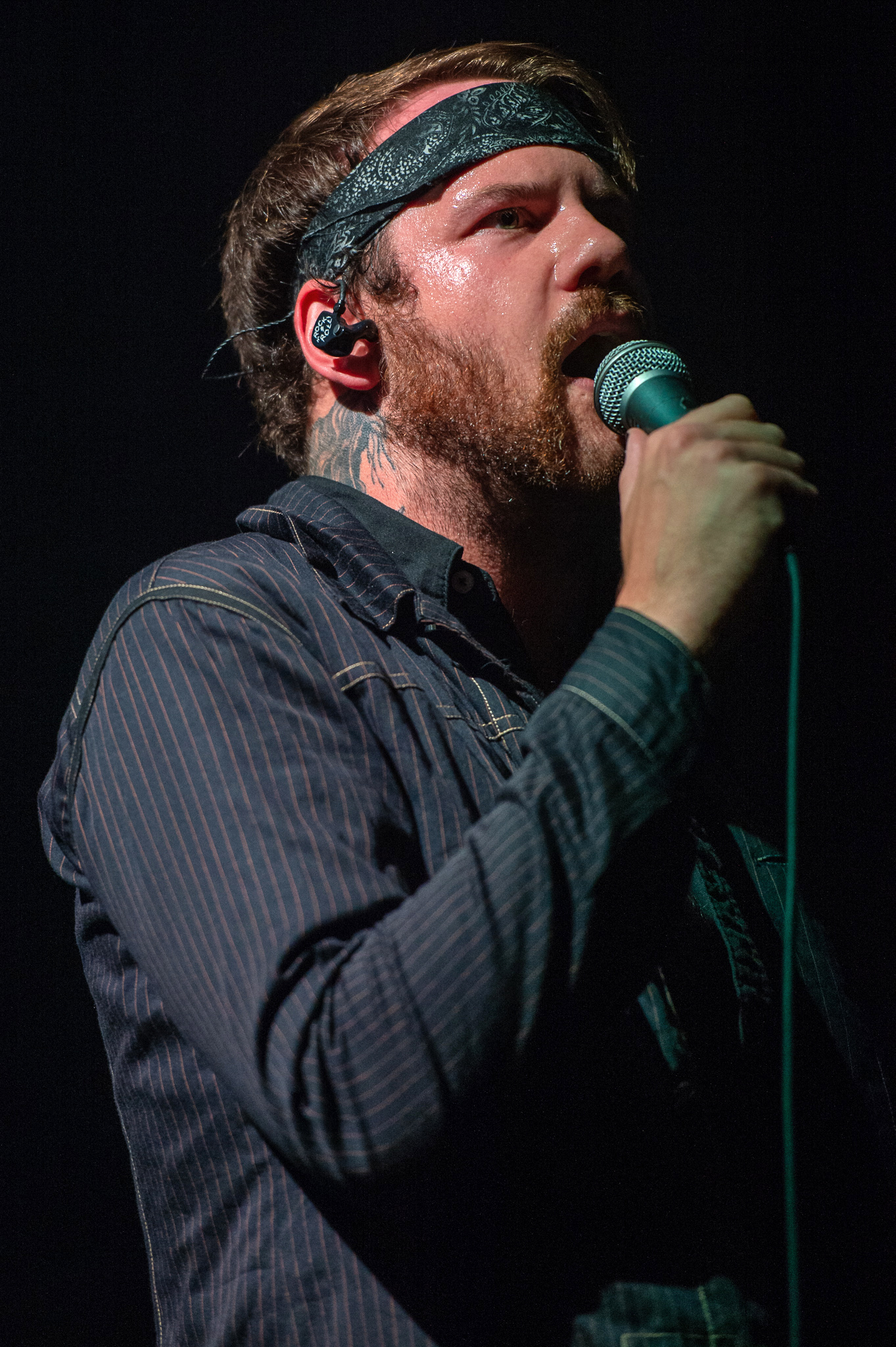
The transformation from promising young musician to metalcore headliner began in earnest when Shomo made the bold decision to step into the role of lead vocalist for Attack Attack! in 2010. This transition marked a dramatic shift not only in his own career trajectory but also in the band’s sound and identity. Taking over vocal duties allowed Shomo to showcase the full range of his abilities, combining his technical instrumental skills with a powerful and emotionally charged vocal style that immediately set him apart from his peers. His ability to seamlessly transition between melodic singing and aggressive screaming became a defining characteristic of his performance style, demonstrating a versatility that few vocalists in the genre could match. This period saw Attack Attack! gain significant traction in the metalcore scene, with Shomo’s dynamic stage presence and vocal prowess helping to elevate the band’s profile considerably.
However, it was Shomo’s decision to leave Attack Attack! in 2012 and launch Beartooth as a solo project that truly catapulted him to widespread recognition and critical acclaim. The move was risky, as it meant walking away from an established band with a growing fanbase to start completely from scratch, but it also represented the artistic freedom he had been craving. Beartooth allowed Shomo to fully realize his musical vision, combining the heavy elements of metalcore with more accessible melodies and deeply personal lyrics that drew directly from his own experiences with depression, anxiety, and personal struggle. The project’s name itself, derived from a mountain pass, symbolized the difficult but necessary journey through challenging terrain, reflecting the themes that would dominate his songwriting throughout his career with the band.
The release of Beartooth’s debut EP “Sick” in 2013, followed by their full-length album “Disgusting” in 2014, marked Shomo’s definitive arrival as a major force in modern metalcore. These releases showcased not only his growth as a vocalist and songwriter but also his skills as a producer, as he took on much of the recording and production work himself. The raw, unpolished sound of these early Beartooth releases perfectly complemented the emotional intensity of the lyrics, creating an authenticity that resonated powerfully with listeners who were dealing with similar mental health challenges. Songs like “In Between” and “Hated” became anthems for a generation of fans who found solace in Shomo’s willingness to openly discuss topics that many artists avoided, establishing him as a voice for the emotionally wounded and psychologically struggling.
The commercial and critical success of Beartooth’s early releases translated into sold-out tours, festival appearances, and a rapidly expanding fanbase that transcended typical metalcore demographics. Shomo’s reputation as a compelling live performer grew alongside the band’s popularity, as his intense, cathartic stage performances became legendary among fans and critics alike. His ability to channel personal pain into communal healing during live shows created a unique connection between artist and audience that went beyond typical entertainment, establishing Beartooth concerts as almost therapeutic experiences for many attendees. The band’s rise coincided with a broader conversation about mental health in society, positioning Shomo as not just a musician but as an advocate and representative for those struggling with similar issues.
By the mid-2010s, Beartooth had established themselves as one of the premier acts in modern metalcore, with Shomo recognized as one of the genre’s most important voices. The success brought both opportunities and challenges, as increased visibility meant greater scrutiny of both his music and personal life. However, rather than retreating from the public eye, Shomo continued to use his platform to address difficult topics, becoming increasingly open about his own struggles and using his music as a vehicle for broader conversations about mental health, identity, and authenticity. This approach not only solidified his reputation as an artist of substance but also set the stage for the personal revelations that would later make headlines, demonstrating a consistency of character that extends from his private struggles to his public persona.
Major Career Achievements

Caleb Shomo’s career achievements span across multiple successful projects, with Beartooth serving as his primary creative vehicle for over a decade. The band’s debut album “Disgusting” (2014) marked a significant breakthrough, reaching number 22 on the US Billboard 200 and establishing Beartooth as a formidable force in the metalcore scene. The album’s raw emotional intensity and Shomo’s distinctive vocal approach resonated with fans worldwide, selling over 100,000 copies in its first year and earning critical acclaim from metal publications. The success of singles like “In Between” and “The Lines” demonstrated Shomo’s ability to craft anthemic choruses while maintaining the aggressive edge that metalcore fans demanded.
Building on this foundation, Beartooth’s sophomore effort “Aggressive” (2016) further solidified Shomo’s reputation as a songwriter capable of balancing commercial appeal with authentic artistic expression. The album debuted at number 25 on the Billboard 200 and spawned several successful singles, including “Hated” and “Aggressive,” which received substantial radio play on rock and metal stations. Shomo’s production skills were particularly notable on this release, as he handled much of the recording and mixing duties himself, showcasing his multifaceted talents beyond vocals and songwriting. The album’s themes of mental health struggles and personal demons resonated deeply with the band’s growing fanbase.