
Jane Seymour Biography: From Bond Girl to Dr. Quinn - Career, Marriages & Net Worth
Celebrity Biographies

Jane Seymour Biography: From Bond Girl to Dr. Quinn - Career, Marriages & Net Worth

Arianne ColeArianne Cole··14 min read
Advertisement

At 75, Jane Seymour continues to captivate audiences and headlines alike, proving that reinvention and romance have no expiration date. The British-American actress, whose piercing heterochromatic eyes and elegant presence have graced screens for over five decades, recently made waves with news of her engagement to musician John Zambetti after three years of dating. This latest chapter adds another fascinating layer to the life story of a woman who has seamlessly transitioned from classical ballet to Bond films, from period dramas to American television stardom, all while navigating a highly publicized personal life that has included four marriages and countless professional triumphs.

Seymour’s career trajectory reads like a masterclass in longevity and adaptability in an industry notorious for discarding talent as quickly as it discovers it. From her breakthrough as Solitaire in the 1973 James Bond film “Live and Let Die” to her career-defining role as the frontier physician in “Dr. Quinn, Medicine Woman,” she has consistently demonstrated an ability to evolve with changing times while maintaining her distinctive screen presence. Her recent engagement serves as a reminder that Jane Seymour – born Joyce Penelope Wilhelmina Frankenberg in Hayes, London – has always been as compelling off-screen as on, with a personal narrative marked by resilience, reinvention, and an unwavering commitment to both her craft and her pursuit of happiness.

Quick Facts / At a Glance
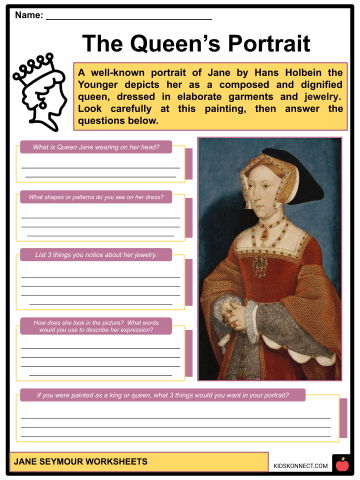
Jane Seymour - Quick Facts / At a Glance
Full Name Joyce Penelope Wilhelmina Frankenberg
Date of Birth February 15, 1951
Place of Birth Hayes, London, England
Nationality British-American
Profession Actress, Author, Entrepreneur
Known For Dr. Quinn Medicine Woman, Live and Let Die, Wedding Crashers
Net Worth Estimated at $60 million

Early Life and Background

Jane Seymour in her early years growing up in England
Image: Wikipedia

Born Joyce Penelope Wilhelmina Frankenberg on February 15, 1951, in Hayes, London, Jane Seymour entered the world during post-war Britain’s slow recovery period. Her father, John Benjamin Frankenberg, was a distinguished obstetrician and gynecologist, while her mother, Mieke Frankenberg, was a nurse who had fled from the Netherlands during World War II. This multicultural household – her father was of Polish-Jewish descent and her mother Dutch-Indonesian – would prove instrumental in shaping Seymour’s worldview and her later ability to adapt to different cultures as her career took her around the globe. The young Joyce grew up in a household that valued education, hard work, and the arts, principles that would guide her throughout her remarkable career.

Seymour’s childhood was marked by an early introduction to the performing arts, though initially through dance rather than acting. She began studying ballet at the age of six, demonstrating such natural talent and dedication that she was accepted into the London Festival Ballet School as a teenager. Her commitment to dance was total – she trained rigorously and harbored serious ambitions of becoming a principal ballerina. However, fate intervened when a knee injury at age 13 effectively ended her dreams of a professional dance career. This setback, devastating as it was for the young performer, would ultimately redirect her toward acting and set the stage for a career that would span decades and continents.

Following her forced departure from ballet, Seymour found herself drawn to acting as an alternative outlet for her creative energies. She enrolled at the Arts Educational Schools in London, where she studied both theater and film acting. The transition from dance to drama was not entirely foreign to her – both disciplines required physical expressiveness, emotional depth, and the ability to tell stories through movement and presence. Her unique beauty, particularly her striking heterochromia – one brown eye and one green eye – made her memorable in auditions and would later become one of her most distinctive features on screen.

The young performer’s early exposure to different cultures through her family background proved advantageous as she began to navigate the entertainment industry. Her mother’s wartime experiences had instilled in the family a sense of resilience and adaptability, qualities that would serve Joyce well as she faced the inevitable rejections and challenges of building an acting career. Her father’s medical background also provided her with a unique perspective on human nature and suffering that would later inform some of her most compelling performances, particularly her portrayal of a frontier doctor in “Dr. Quinn, Medicine Woman.”

Career Beginnings
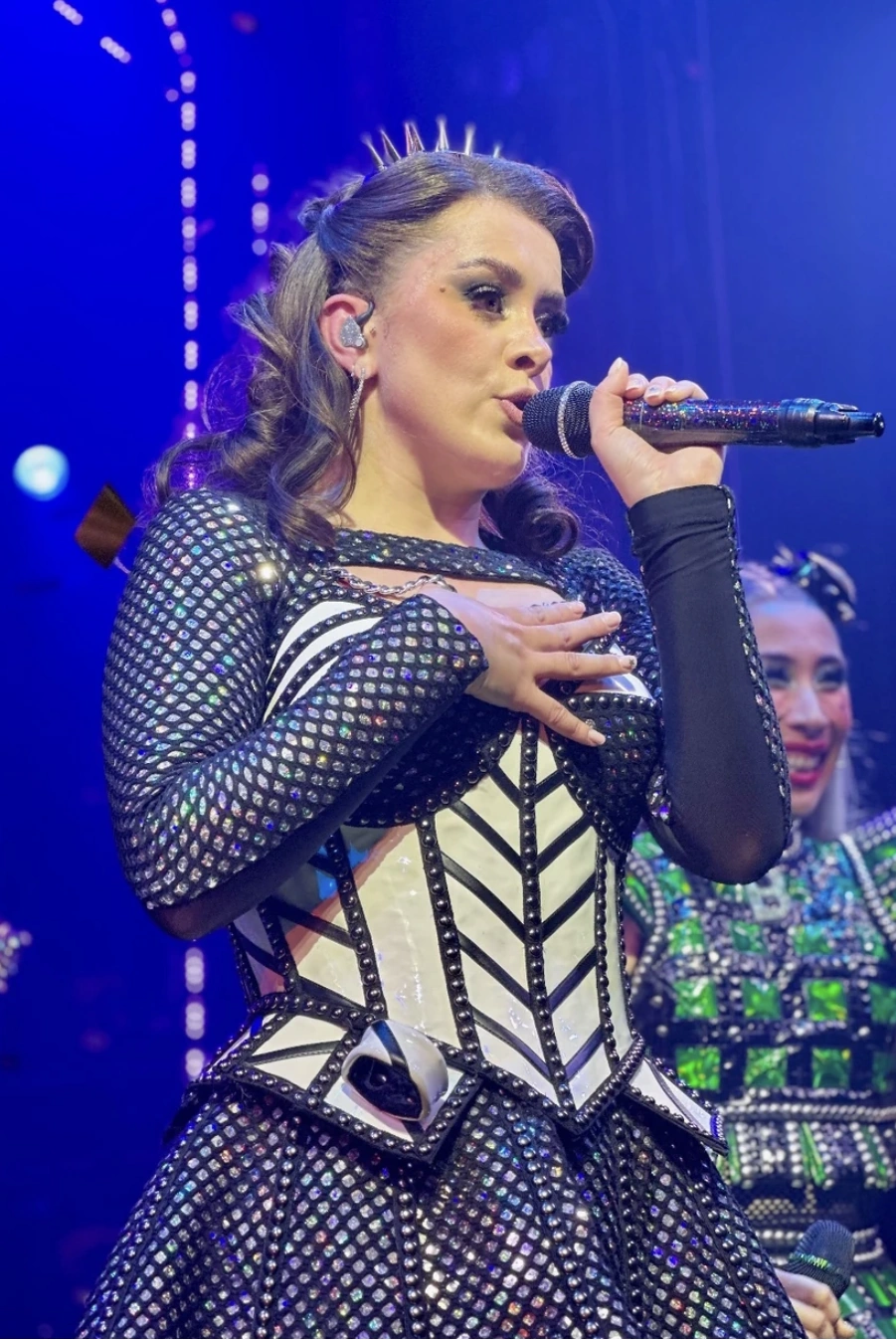
Jane Seymour - Career Beginnings

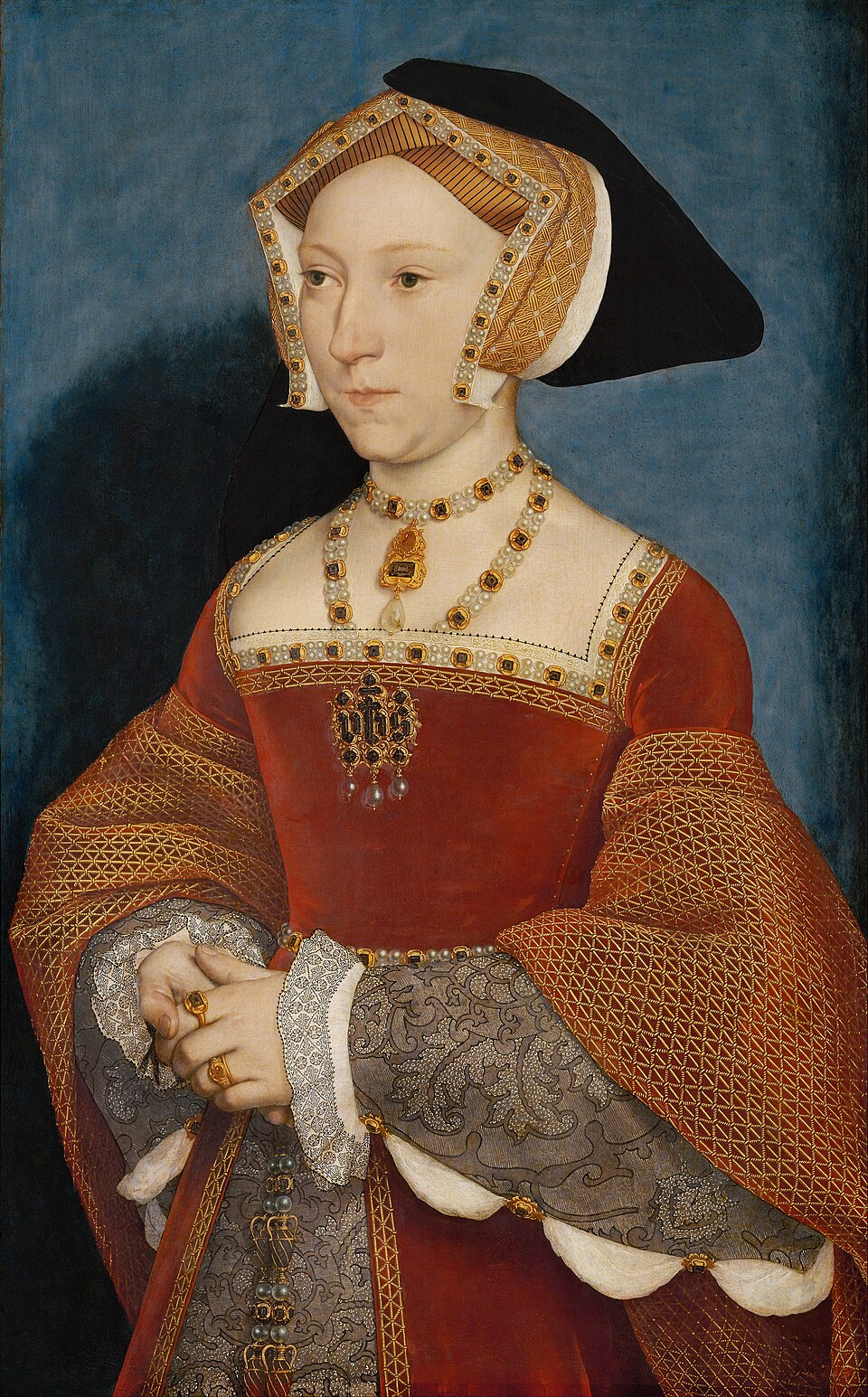
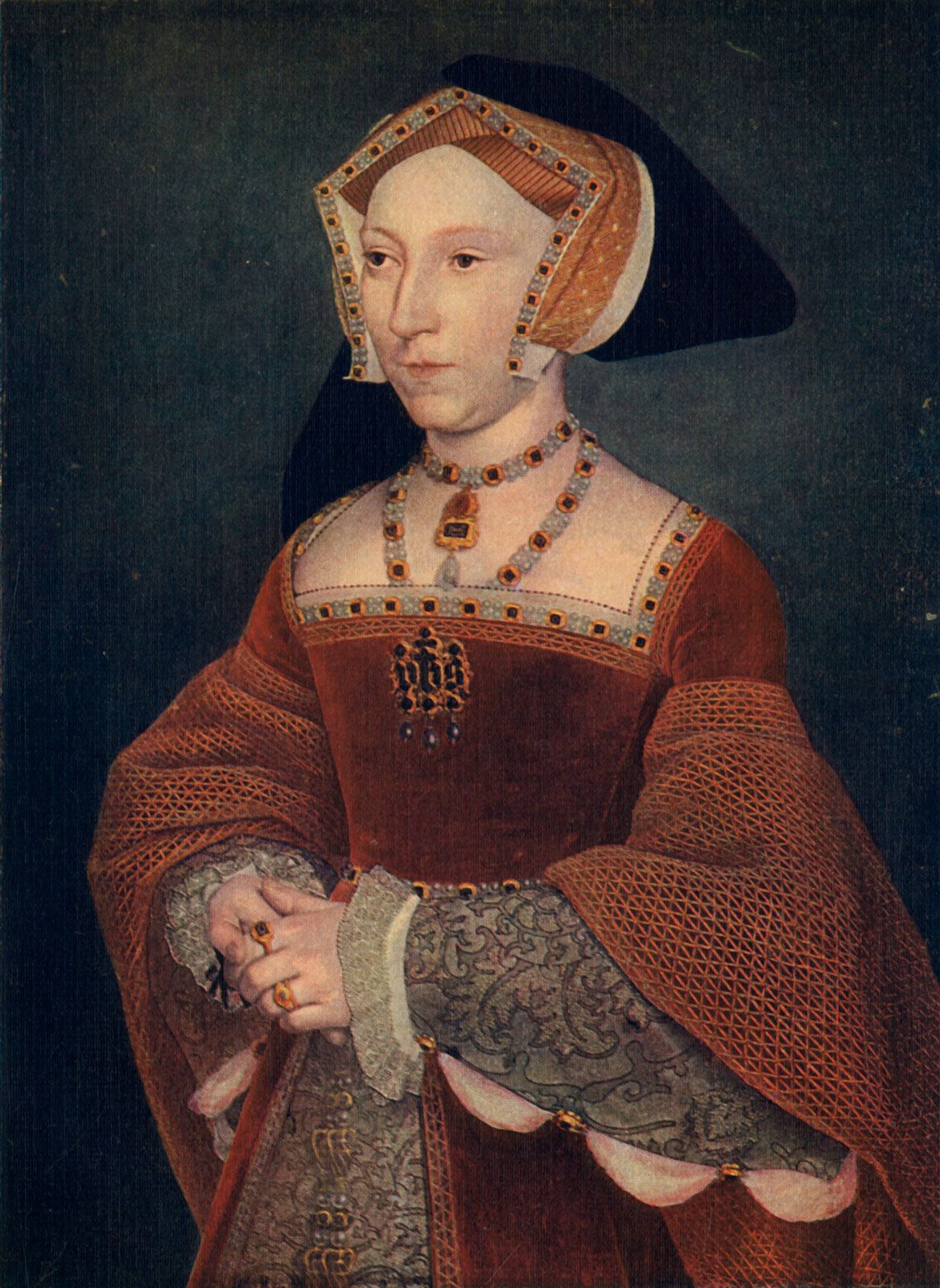
Jane Seymour’s entry into professional acting came through the traditional British route of repertory theater and small television roles in the late 1960s. She adopted her stage name as a tribute to Jane Seymour, the third wife of King Henry VIII, a choice that reflected both her interest in history and her instinct for memorable branding. Her early television appearances included small roles in British series such as “The Onedin Line” and “The Regiment,” where she honed her craft and learned the technical aspects of screen acting. These early experiences taught her the importance of preparation and professionalism, qualities that would distinguish her throughout her career.

The young actress’s breakthrough in British television came with her casting in the 1970 film “Oh! What a Lovely War,” directed by Richard Attenborough. Though her role was small, the experience of working with such an esteemed director and ensemble cast provided invaluable lessons in the collaborative nature of filmmaking. More significantly, it introduced her to the international film community and demonstrated that she could hold her own among established stars. Her performance caught the attention of casting directors and agents, leading to more substantial roles in British television productions.

Seymour’s early career was characterized by her willingness to take on diverse roles that showcased her range as an actress. She appeared in everything from period dramas to contemporary pieces, often playing characters that required both intelligence and sensuality. Her classical training in dance had given her an innate understanding of movement and physical expression that translated beautifully to screen work, while her natural beauty and exotic features – particularly her mismatched eyes – made her instantly recognizable and memorable to audiences and casting directors alike.

By the early 1970s, Seymour had established herself as one of Britain’s most promising young actresses, with a growing reputation for professionalism and versatility. Her agents began submitting her for international productions, recognizing that her unique look and talent could translate to global audiences. This strategic positioning would prove crucial when a career-defining opportunity arose that would transform her from a respected British television actress into an international star.

Rise to Fame
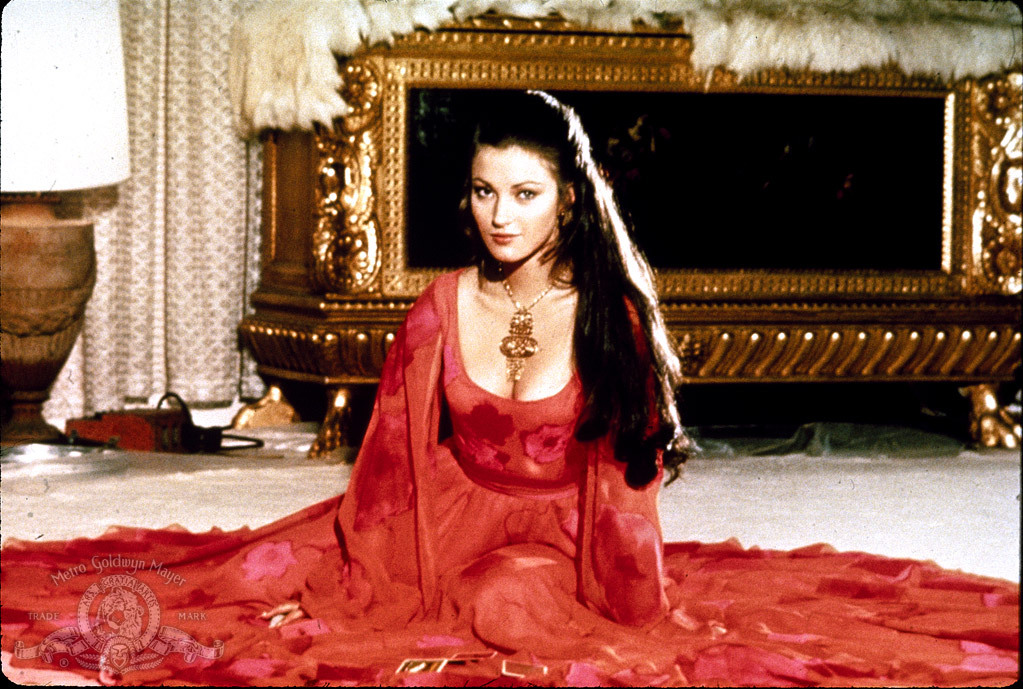
Jane Seymour as Solitaire in the James Bond film Live and Let Die
Image: IMDb

Jane Seymour’s meteoric rise to international stardom began with a single, career-defining phone call in 1972 that would change her life forever. Producer Albert “Cubby” Broccoli and director Guy Hamilton were casting the eighth James Bond film, “Live and Let Die,” and needed an actress to play Solitaire, a mystical tarot card reader who becomes both ally and love interest to Roger Moore’s Bond. After an extensive international search, they found their leading lady in the relatively unknown British actress. Seymour’s exotic beauty, combined with her ability to convey both vulnerability and strength, made her the perfect choice for a character who needed to be believable as both a mystical fortune-teller and a sophisticated romantic partner for the world’s most famous spy.

The filming of “Live and Let Die” in 1973 catapulted Seymour into the exclusive and highly coveted ranks of Bond girls, a designation that would follow her throughout her career. Her portrayal of Solitaire was notable for bringing depth and intelligence to what could have been a merely decorative role. She imbued the character with a sense of genuine mysticism and inner conflict, making Solitaire’s eventual betrayal of the villainous Kananga feel emotionally authentic rather than plot-driven. The film’s massive international success – it grossed over $161 million worldwide – made Seymour a recognizable face around the globe practically overnight.

Following the success of “Live and Let Die,” Seymour found herself in the enviable position of being offered roles in major international productions. She wisely chose to diversify her portfolio rather than being typecast as an exotic beauty, taking on challenging roles in television miniseries and period dramas. Her performance in the 1978 television adaptation of “The Scarlet Pimpernel” demonstrated her ability to handle classical material with sophistication and emotional depth. These strategic choices during the late 1970s and early 1980s established her as a serious actress capable of carrying substantial dramatic roles, not merely a former Bond girl trading on her beauty.

The late 1970s and early 1980s saw Seymour building a impressive resume of television work that showcased her versatility and range. Her roles in productions such as “Captains and the Kings” and “East of Eden” earned critical acclaim and demonstrated her ability to inhabit complex characters across different time periods and genres. These performances caught the attention of American television executives, who were impressed by her combination of classical training, screen presence, and professional reliability. Her growing reputation as a bankable leading lady in prestige television productions would soon lead to the opportunity that would define her career and make her a household name across America.

By the mid-1980s, Seymour had successfully navigated the treacherous waters of post-Bond career choices, establishing herself as a respected actress capable of carrying major productions. Her marriage to businessman David Flynn in 1981 and the birth of their children had also given her personal stability and happiness that translated into confidence in her professional choices. This combination of personal fulfillment and professional momentum positioned her perfectly for the role that would become her career masterpiece and cement her status as one of television’s most beloved leading ladies.

Major Career Achievements
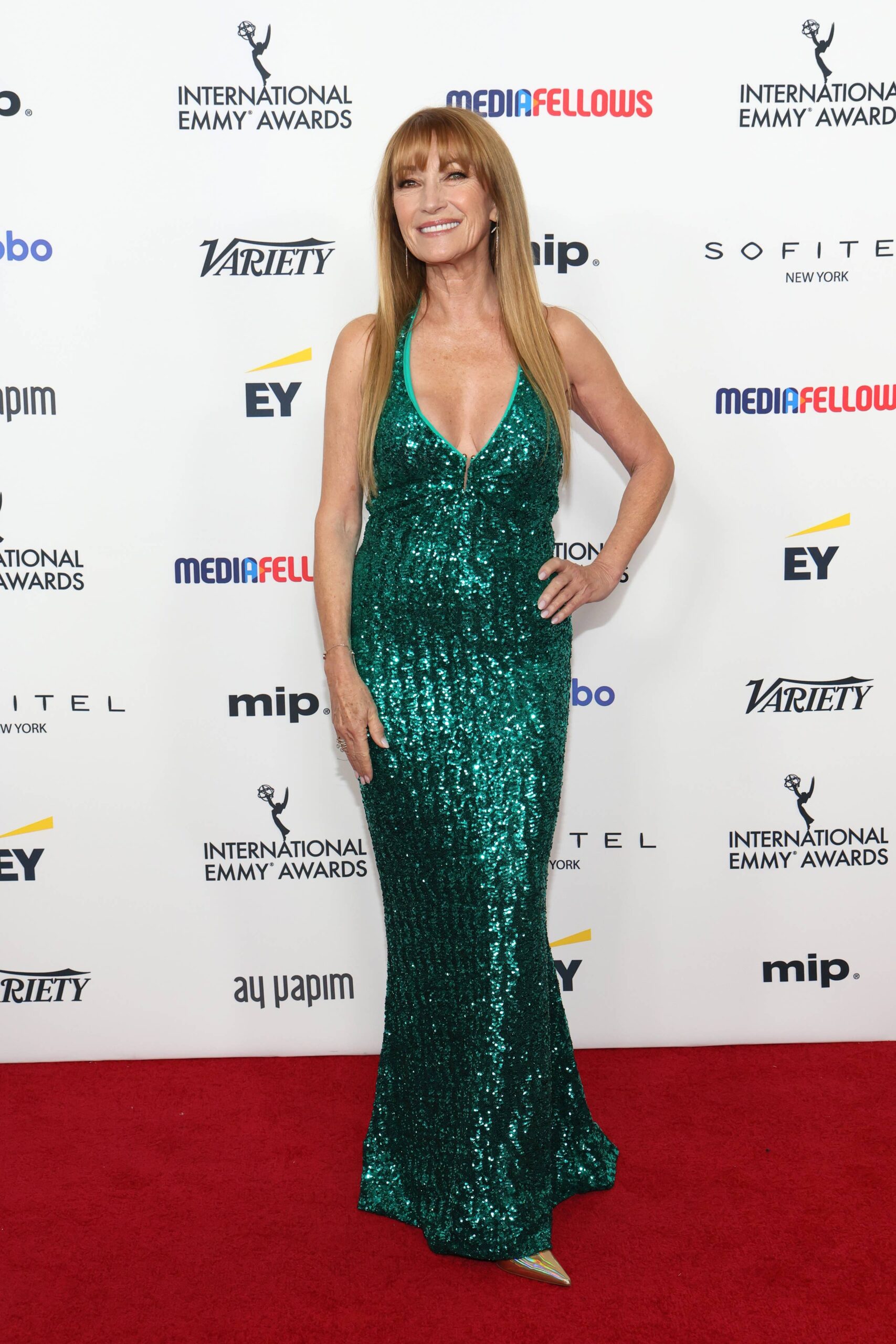
Jane Seymour starring in Dr. Quinn, Medicine Woman, her most acclaimed TV role
Image: Parade

Jane Seymour’s career achievements span multiple decades and encompass both critical acclaim and commercial success. Her portrayal of Dr. Michaela Quinn in “Dr. Quinn, Medicine Woman” stands as her most significant television achievement, earning her a Golden Globe Award for Best Performance by an Actress in a Television Series – Drama in 1996. The show ran for six successful seasons from 1993 to 1998, making Seymour one of the highest-paid actresses on television at the time. The series was groundbreaking for featuring a strong female lead in a Western setting and addressed social issues including women’s rights, racism, and healthcare reform in the American frontier era.
Advertisement

Beyond her signature television role, Seymour has demonstrated remarkable versatility across film and television. Her early Bond girl performance as Solitaire in “Live and Let Die” (1973) established her as an international star and remains one of the most memorable Bond characters. She later earned Emmy Award recognition for her supporting role in the acclaimed miniseries “East of Eden” (1981), showcasing her dramatic range in the adaptation of John Steinbeck’s novel. Her television movie work has been particularly noteworthy, with standout performances in productions like “War and Remembrance” (1988) and “The Scarlet Pimpernel” (1982).

Seymour’s artistic talents extend beyond acting into the realm of fine arts and jewelry design. She has established herself as a accomplished painter, with her artwork exhibited in galleries across the United States and internationally. Her “Open Hearts” jewelry collection, inspired by her mother’s philosophy that “if your heart is open, love will always find its way in,” has become a successful commercial venture sold through major retailers. This diversification into visual arts and design has allowed her to maintain creative relevance and financial stability throughout different phases of her entertainment career.

Throughout her career, Seymour has received numerous honors and recognitions beyond her major awards. She was appointed Officer of the Order of the British Empire (OBE) by Queen Elizabeth II in 2000 for her services to drama. Her star on the Hollywood Walk of Fame, received in 2000, celebrates her contributions to the entertainment industry. Additionally, she has been recognized for her humanitarian work, including her involvement with various children’s charities and her role as a celebrity ambassador for Childhelp, an organization dedicated to preventing child abuse.

Personal Life and Relationships

Jane Seymour - Personal Life and Relationships

Jane Seymour’s personal life has been marked by a series of high-profile marriages and relationships that have often attracted significant media attention. She has been married four times, with each relationship bringing different challenges and life changes. Her first marriage was to Michael Attenborough, son of acclaimed director Richard Attenborough, in 1971, though the union was brief and ended in divorce in 1973. Her second marriage to Geoffrey Planer, a businessman, lasted from 1977 to 1978, also ending relatively quickly as her career demands and personal compatibility issues created strains in the relationship.

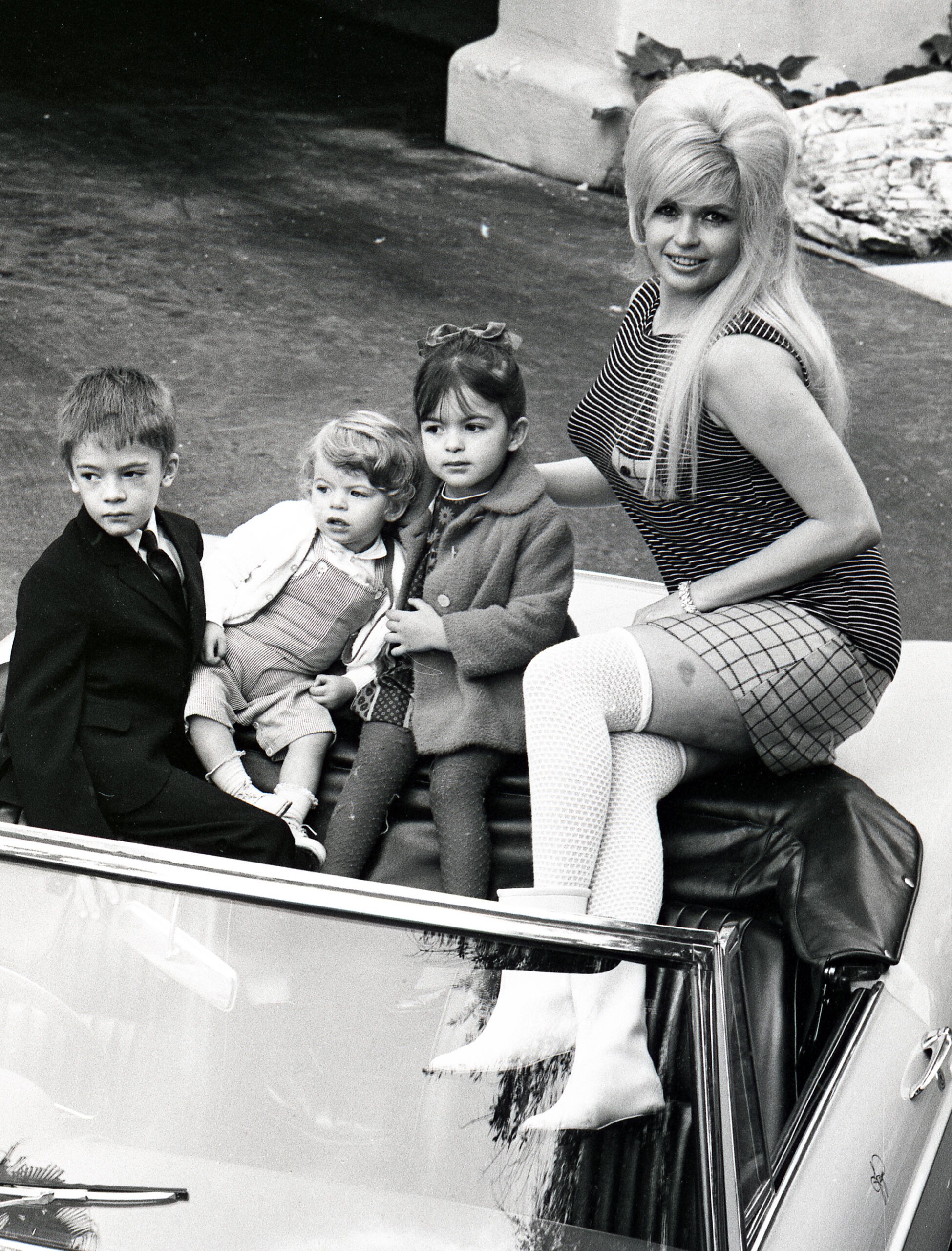
Her most publicized and tumultuous marriage was to David Flynn, a businessman, from 1981 to 1992. This relationship produced two children, Katherine and Sean Flynn, and was marked by both personal happiness and significant financial difficulties. Flynn’s business ventures reportedly led to substantial debt, and Seymour has spoken openly about the financial challenges they faced during this period, including the loss of their home and the stress of supporting her family while maintaining her acting career. The divorce was contentious and left Seymour as the primary breadwinner and caretaker for their children.

Her fourth marriage to James Keach, an actor and director, lasted from 1993 to 2015 and represented her longest and most stable relationship. Together they had twin sons, John and Kristopher Keach, born in 1995 when Seymour was 44 years old. The couple also worked together professionally on various projects, including several television movies. However, this marriage also ended in divorce, reportedly due to Keach’s infidelity, which Seymour discovered late in their relationship. Despite the pain of the divorce, she has maintained an amicable co-parenting relationship with Keach for the sake of their children.

Following her divorce from Keach, Seymour took time to focus on herself and her family before eventually beginning a relationship with musician John Zambetti in 2021. Their three-year courtship has been notably more private than her previous relationships, with Seymour expressing in interviews that she has learned to maintain better boundaries between her public and private life. The recent engagement announcement represents a new chapter for the 75-year-old actress, who has spoken about finding love again later in life and the different perspective that comes with age and experience in relationships.

Net Worth and Business Ventures

Jane Seymour - Net Worth and Business Ventures

Jane Seymour’s net worth is estimated to be approximately $60 million, accumulated through her extensive acting career, business ventures, and strategic investments over several decades. Her highest earning period came during her time on “Dr. Quinn, Medicine Woman,” where she reportedly earned $100,000 per episode at the show’s peak, making her one of television’s highest-paid actresses in the 1990s. The series’ international syndication has continued to provide residual income, contributing to her long-term financial security. Additionally, her early film work, including her Bond girl role, established lucrative contracts that provided substantial upfront payments and ongoing royalties.

Beyond her acting income, Seymour has diversified her wealth through various business ventures and creative endeavors. Her “Open Hearts” jewelry collection has become a significant revenue stream, sold through major retailers like Kay Jewelers and generating millions in sales since its launch. Her fine art career has also proven financially successful, with original paintings selling for thousands of dollars and limited edition prints providing ongoing income. She has also ventured into lifestyle branding, including home decor items and fragrances, leveraging her celebrity status and aesthetic sensibility to create marketable products.

Real estate investments have played a crucial role in building Jane Seymour’s net worth over the years. She has owned and sold several high-value properties, including a Malibu estate that she reportedly sold for approximately $10 million and various properties in England and California. Her current primary residence is believed to be a substantial property in Malibu, California, reflecting both her financial success and her preference for coastal living. Despite facing significant financial challenges during her divorce from David Flynn in the early 1990s, Seymour has demonstrated remarkable financial resilience and business acumen in rebuilding and maintaining her wealth.

Interesting Facts and Trivia

Jane Seymour - Interesting Facts and Trivia

Jane Seymour’s life is filled with fascinating details that extend far beyond her well-known acting roles. Born with heterochromia, she has one green eye and one brown eye, a distinctive feature that has become part of her signature look throughout her career. This natural characteristic has never hindered her career and has often been considered an asset, adding to her memorable screen presence. Additionally, she is fluent in French and has some knowledge of Spanish, skills that have occasionally been utilized in her international film and television work.

Her artistic talents were evident from an early age, as she was accepted to the Royal Ballet School before ultimately choosing to pursue acting instead. This dance training has served her well throughout her career, contributing to her graceful screen presence and her ability to perform in physically demanding roles. She has also maintained her artistic interests beyond acting, becoming an accomplished painter whose work has been exhibited in galleries across the United States. Her paintings often feature romantic and inspirational themes, reflecting the same aesthetic sensibility that has characterized much of her acting work.

Several other intriguing aspects of Seymour’s life include:

  • She became a US citizen while maintaining her British citizenship, making her a dual national
  • At age 44, she gave birth to twin boys, making her one of the older first-time mothers in Hollywood at the time
  • She has written several self-help and lifestyle books, including works on health, beauty, and relationships
  • Her “Dr. Quinn” costume and medical bag are displayed in the Smithsonian Institution
  • She survived a near-fatal allergic reaction to antibiotics early in her career, an experience that reportedly influenced her interest in alternative medicine
  • She has appeared in Playboy magazine twice, once in 1973 and again in 2018 at age 67

Legacy and Impact

Jane Seymour - Legacy and Impact

Jane Seymour’s enduring impact on popular culture extends far beyond her individual performances, representing a significant shift in how female characters were portrayed on television during the 1990s. Her role as Dr. Michaela Quinn challenged traditional gender roles and presented audiences with a strong, independent female protagonist who could hold her own in a traditionally male-dominated genre. The show’s success paved the way for more complex female leads in television dramas and demonstrated that audiences were eager for stories centered on capable, multi-dimensional women. Her portrayal of a woman practicing medicine in the 19th century American frontier resonated with viewers worldwide and continues to inspire discussions about women’s roles in society and professional advancement.

As she enters this new chapter of her life with her recent engagement, Seymour continues to challenge ageist stereotypes in Hollywood and society at large. At 75, her decision to remarry and continue pursuing both romantic and professional fulfillment sends a powerful message about the possibilities for reinvention and growth at any stage of life. Her openness about her past relationships, financial struggles, and personal growth has made her a relatable figure for many women navigating similar life transitions. Her business ventures and artistic pursuits demonstrate that creativity and entrepreneurial spirit can flourish well beyond traditional retirement age.

Looking ahead, Jane Seymour’s legacy appears secure as both an entertainment icon and a role model for graceful aging in the public eye. Her recent projects continue to showcase her versatility as a performer, while her personal journey offers inspiration for those seeking love and fulfillment later in life. As streaming platforms introduce her classic performances to new generations of viewers, particularly “Dr. Quinn, Medicine Woman,” her influence on television history and popular culture seems destined to endure. Her upcoming marriage to John Zambetti represents not just a personal milestone, but a public affirmation that it’s never too late to write new chapters in one’s life story, making her a compelling figure for biography readers and entertainment fans alike.

Advertisement
Share
Get the recap

Loved this story? Get more like it.

Join readers who get our weekly entertainment recap - the stories worth your time, delivered every Friday.

No spam. Unsubscribe anytime. By signing up you agree to our Privacy Policy.