In the pantheon of American entertainment and fashion, few figures have wielded influence across as many industries as Tyra Banks. From breaking barriers as one of the first African American supermodels to achieve global recognition to revolutionizing reality television with “America’s Next Top Model,” Banks has consistently redefined what it means to be a media mogul in the 21st century. Her journey from an insecure teenager in Los Angeles to becoming a household name worth an estimated $90 million represents one of the most compelling success stories in modern entertainment history.
Banks finds herself back in the spotlight today not for a new venture or achievement, but for a legal battle that threatens to reopen old wounds. The supermodel-turned-entrepreneur is currently suing Netflix for defamation over their documentary series about “America’s Next Top Model,” claiming she was manipulated into participating and that the streaming giant has portrayed her unfairly. This controversy has reignited discussions about her legacy, her pioneering role in television, and the complex relationship between reality TV and exploitation - themes that have followed Banks throughout her multifaceted career.
Quick Facts / At a Glance
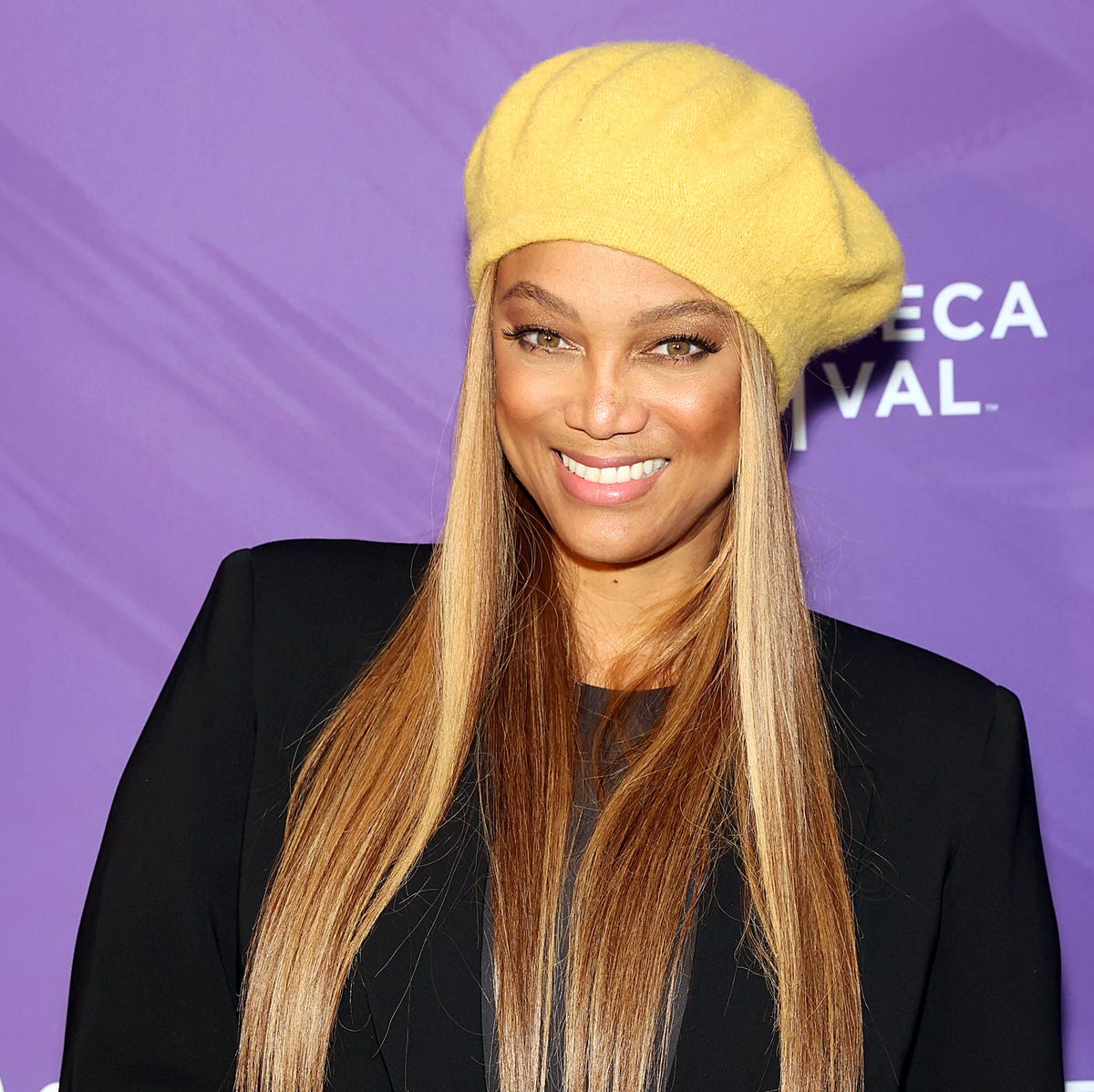
| Full Name | Tyra Lynne Banks |
| Date of Birth | December 4, 1973 |
| Place of Birth | Inglewood, California, USA |
| Nationality | American |
| Profession | Model, Television Host, Producer, Entrepreneur, Author |
| Known For | Victoria’s Secret Angel, America’s Next Top Model, The Tyra Banks Show |
| Net Worth | Estimated at $90 million |
Early Life and Background
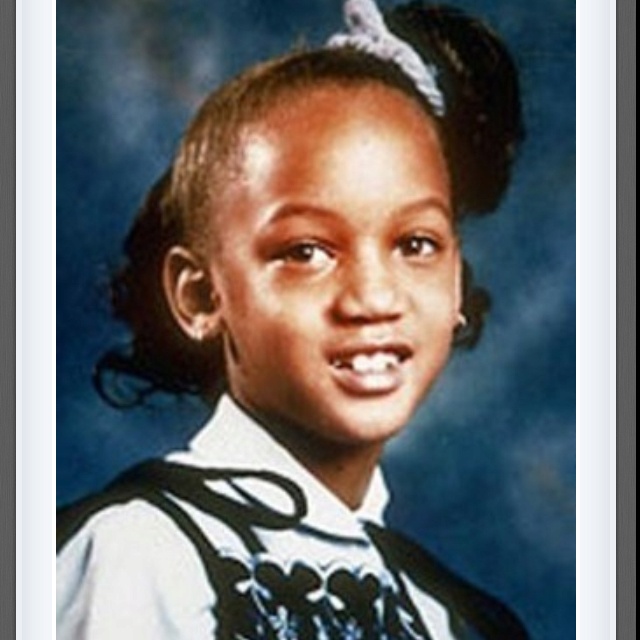
Tyra Lynne Banks was born on December 4, 1973, in Inglewood, California, to Carolyn London, a medical photographer, and Donald Banks, a computer consultant. Growing up in a middle-class household, Banks experienced a childhood marked by both privilege and challenge, particularly when her parents divorced when she was six years old. Despite the family upheaval, both parents remained actively involved in her life, with her mother becoming a particularly strong influence who would later play a significant role in managing her early career. The divorce taught Banks early lessons about resilience and independence that would serve her well in the competitive worlds of modeling and entertainment.
As a child, Banks was far from the confident supermodel she would later become. She was notably tall and thin, earning her the cruel nickname “Frog” from classmates due to her large eyes and gangly frame. Standing nearly six feet tall by high school, Banks often felt awkward and out of place among her peers at Immaculate Heart High School, a Catholic all-girls school in Los Angeles. These formative experiences with bullying and self-doubt would later inform her approach to mentoring young models and her advocacy for self-acceptance. Her height, initially a source of insecurity, would eventually become her greatest professional asset.
Education was highly valued in the Banks household, and Tyra initially planned to follow a traditional academic path. She was accepted to Loyola Marymount University and had intentions of studying film and psychology, subjects that reflected her interest in understanding human behavior and storytelling. However, fate intervened during her senior year of high school when she decided to try modeling during summer break. Her mother, recognizing her daughter’s potential, supported this exploration while ensuring that education remained a priority. This balance between ambition and academic grounding would become a hallmark of Banks’ approach to career development.
The Los Angeles of Banks’ youth was a melting pot of cultures and opportunities, particularly in the entertainment industry. Growing up in this environment exposed her to the possibilities of fame and success while also revealing the harsh realities of an industry that often prioritized appearance over substance. Her mother’s work as a medical photographer gave Banks an early understanding of how images could tell stories and influence perceptions. These early influences - the importance of education, the power of visual storytelling, and the need for resilience in the face of criticism - would become foundational elements in her later success as both a model and media personality.
Career Beginnings
Banks’ entry into the modeling world was both serendipitous and challenging, beginning with what many aspiring models experience - a series of rejections. At age 17, during her senior year of high school in 1991, she decided to test the waters of professional modeling by attending casting calls around Los Angeles. Her initial attempts met with disappointment, as she was rejected by four different modeling agencies on the same day. The feedback was often harsh and personal, with agents telling her that her look wasn’t commercial enough or that there wasn’t sufficient demand for African American models in the mainstream fashion industry. These early rejections could have ended her modeling dreams before they began, but Banks’ determination and her mother’s encouragement kept her moving forward.
The breakthrough came when Elite Model Management finally recognized her potential and signed her to their roster. However, even this victory came with a significant catch - Elite suggested she would have better opportunities in Europe, where the fashion industry was reportedly more open to diversity. At just 17 years old, Banks made the bold decision to move to Paris, effectively putting her college plans on hold and venturing into an entirely different culture and language. This move demonstrated the kind of calculated risk-taking that would characterize her career decisions throughout her life. Paris in the early 1990s was the epicenter of high fashion, and for a young African American model, it represented both unprecedented opportunity and significant cultural adjustment.
Her European debut exceeded all expectations, launching what would become known in the industry as a “Cinderella story.” Within weeks of arriving in Paris, Banks was walking runways for some of the most prestigious designers in fashion, including Chanel, Christian Dior, and Yves Saint Laurent. Her unique look - tall, statuesque, with striking features and natural charisma - captured the attention of top photographers and designers who were eager to work with fresh talent. During her first season alone, she reportedly walked in 25 runway shows, an extraordinary number that established her as one of the most sought-after new faces in European fashion.
The success in Paris validated Banks’ decision to pursue modeling seriously, but it also taught her important lessons about the business side of fashion. She learned to navigate contracts, understand the importance of building relationships with photographers and designers, and develop the professionalism required to succeed in a highly competitive industry. More importantly, her European experience exposed her to different standards of beauty and helped her develop confidence in her unique look. When she eventually returned to the United States, she brought with her not just an impressive portfolio, but also a sophisticated understanding of fashion as both an art form and a business - knowledge that would prove invaluable in her later entrepreneurial ventures.
Rise to Fame
Banks’ return to the United States in the mid-1990s marked the beginning of her transformation from successful model to cultural icon. Armed with European credibility and a portfolio filled with high-fashion editorials, she began securing the kind of mainstream American campaigns that had previously been largely closed to African American models. Her breakthrough moment came when she became the first African American model to appear solo on the cover of GQ magazine, a milestone that was both personally significant and culturally important. This achievement opened doors to other major publications and campaigns, establishing her as a crossover success who could appeal to both high-fashion and commercial markets.
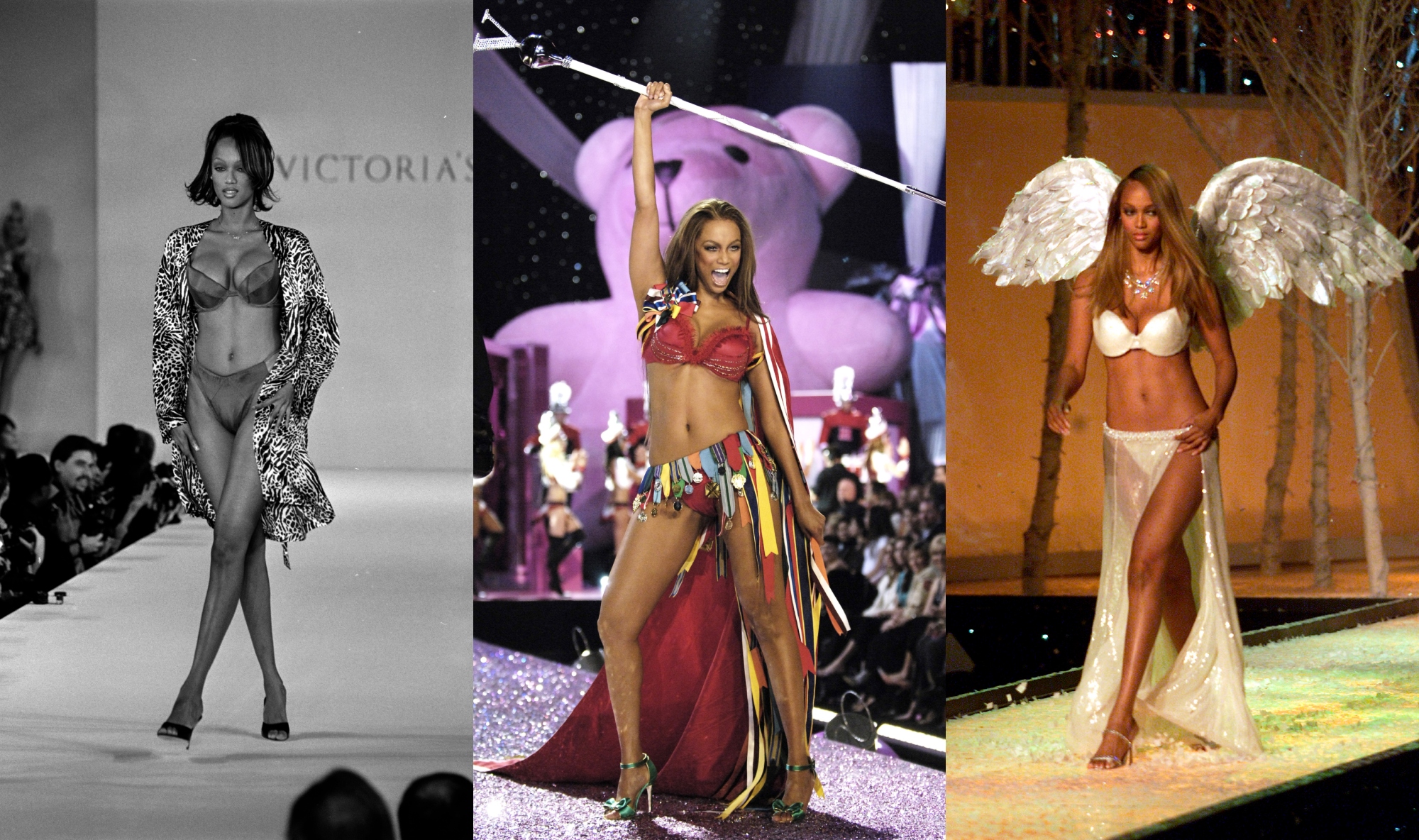
The pinnacle of her modeling career arrived with her association with Victoria’s Secret, the lingerie brand that was rapidly becoming a cultural phenomenon. In 1997, Banks became a Victoria’s Secret Angel, joining an elite group of models who represented the brand’s aspirational image of beauty and glamour. Her presence in the Victoria’s Secret campaigns was groundbreaking - she was one of the first African American models to achieve such prominence with the brand, and her success helped pave the way for greater diversity in mainstream beauty advertising. The annual Victoria’s Secret Fashion Show became a platform for Banks to showcase not just her modeling skills, but also her natural charisma and ability to connect with audiences, skills that would prove essential in her later television career.
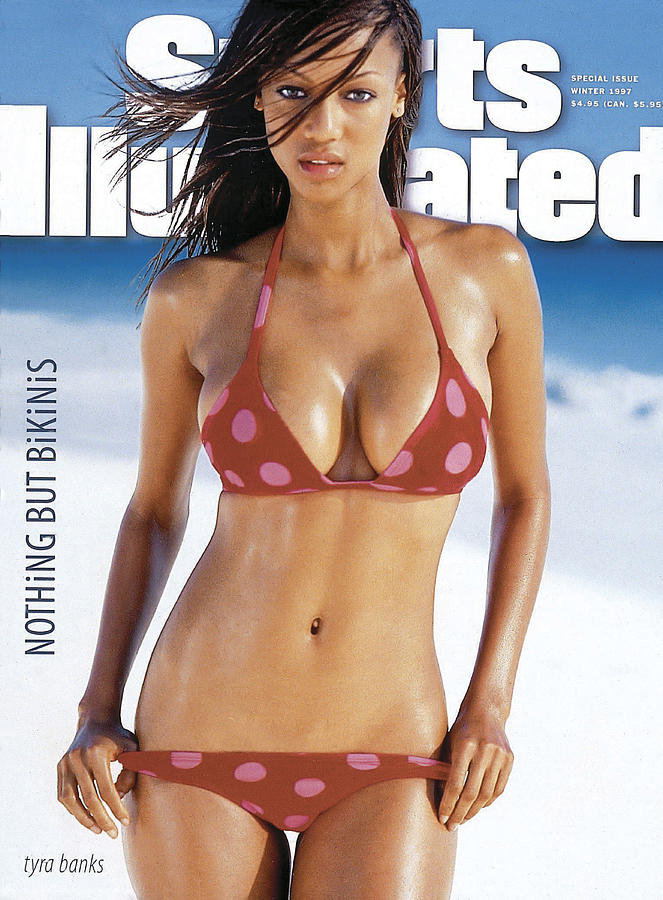
Beyond breaking racial barriers, Banks distinguished herself through her business acumen and media savvy. While many models of her era focused solely on their modeling careers, Banks began thinking strategically about brand building and long-term sustainability. She carefully cultivated her public image, giving interviews that revealed her intelligence and ambition beyond just her physical attributes. Her covers for major magazines like Sports Illustrated Swimsuit Issue - where she was the first African American model to appear solo on the cover - were celebrated not just as beautiful photographs, but as cultural moments that challenged traditional beauty standards and expanded representation in mainstream media.
By the late 1990s, Banks had achieved something rare in the modeling industry - she had become a household name with recognition that extended far beyond fashion circles. Her success was built not just on her striking appearance, but on her ability to communicate confidence, intelligence, and relatability. She began appearing on talk shows and red carpet events, displaying a natural comfort with media that hinted at her future career direction. Her modeling career had provided her with financial security, industry connections, and most importantly, a platform from which to launch other ventures. As she approached the peak of her modeling success, Banks was already laying the groundwork for what would become an even more influential phase of her career in television and media.
The transition period of the late 1990s saw Banks beginning to explore opportunities beyond traditional modeling while still maintaining her status as one of the industry’s most recognizable faces. She started taking acting classes and appearing in small television and film roles, testing her abilities in front of cameras in new ways. Her appearances on shows and her growing comfort with live television revealed a natural talent for entertainment that would soon eclipse even her considerable success as a model. This period of experimentation and growth set the stage for her revolutionary entry into television production and hosting, where she would ultimately make her most lasting impact on American popular culture.
Major Career Achievements
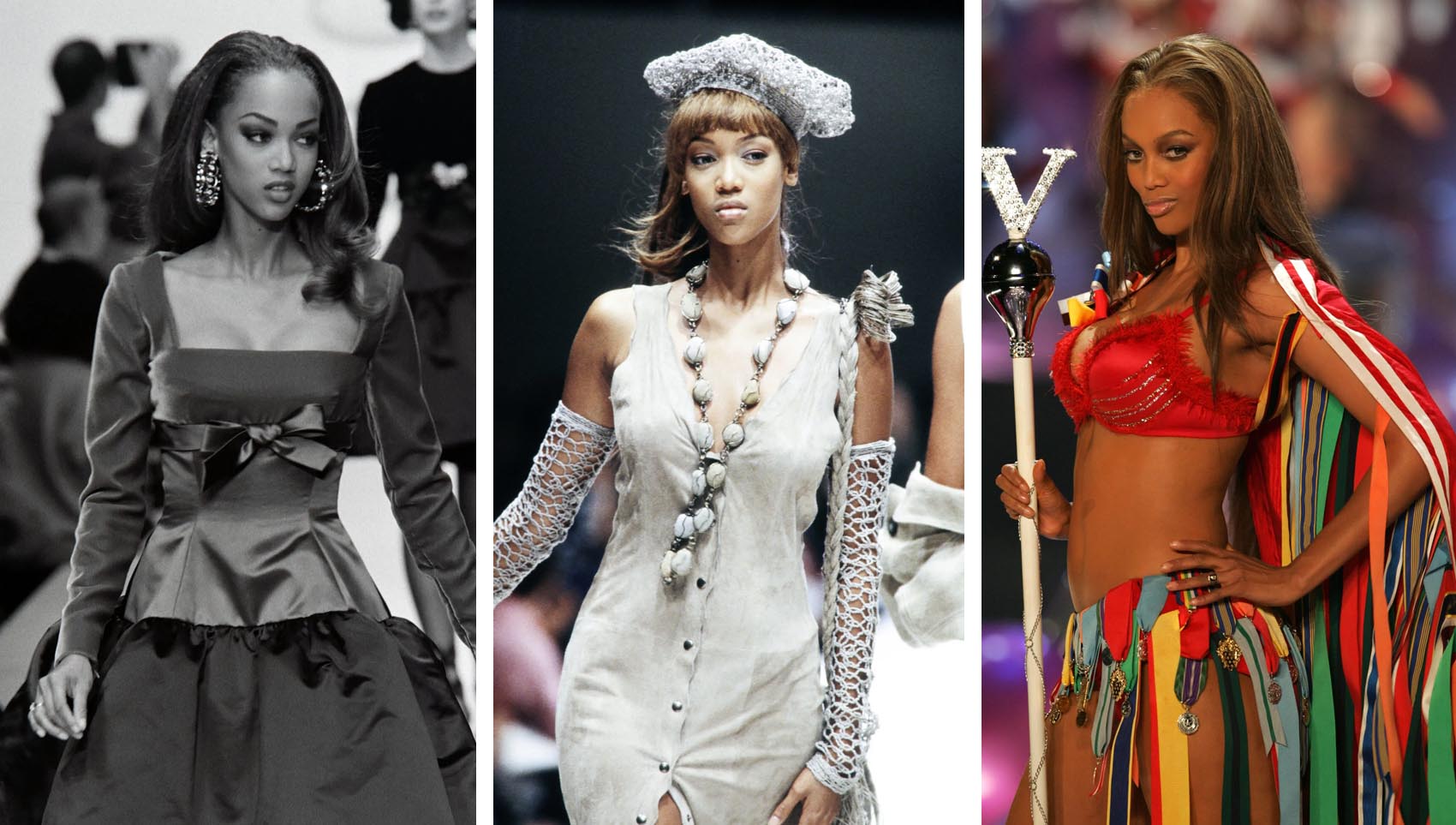
Tyra Banks’ career achievements span multiple decades and industries, establishing her as one of the most successful crossover talents from modeling to television. Her groundbreaking modeling career included being the first African American woman to grace the cover of Sports Illustrated Swimsuit Issue and GQ, achievements that broke significant barriers in the fashion industry during the 1990s. She walked runways for virtually every major designer including Chanel, Christian Dior, Dolce & Gabbana, and Versace, becoming one of the original supermodels alongside Naomi Campbell, Cindy Crawford, and Linda Evangelista. Her Victoria’s Secret Angel status from 1997 to 2005 made her one of the brand’s most recognizable faces during their golden era.