

Table of Contents
- A Prison Reunion Years in the Making
- A Troubled History Between Mother and Daughter
- Chelsea’s Ongoing Legal Battles
- How Family Turmoil Affected Rosie’s Career
- Finding a Path Forward
A Prison Reunion Years in the Making

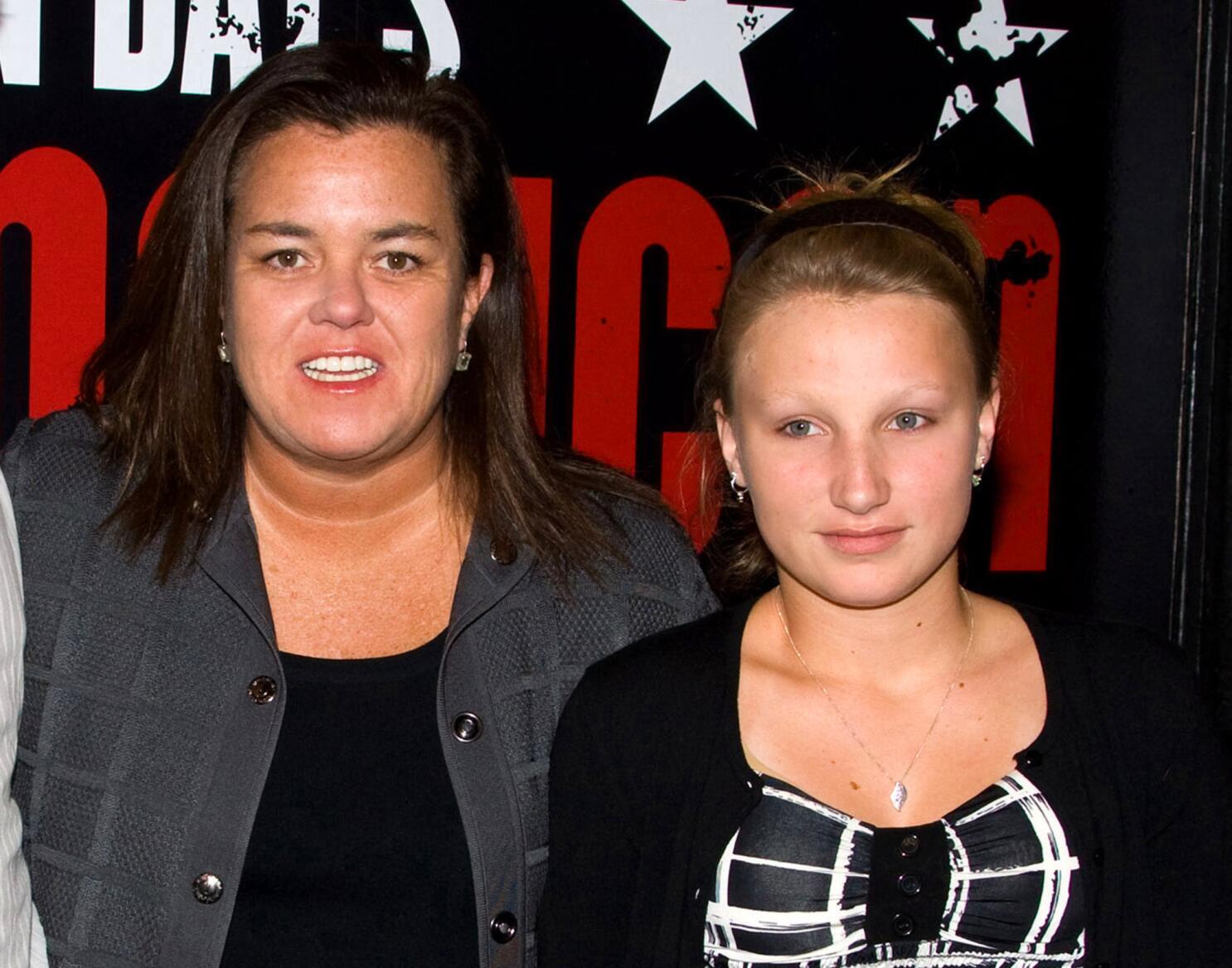
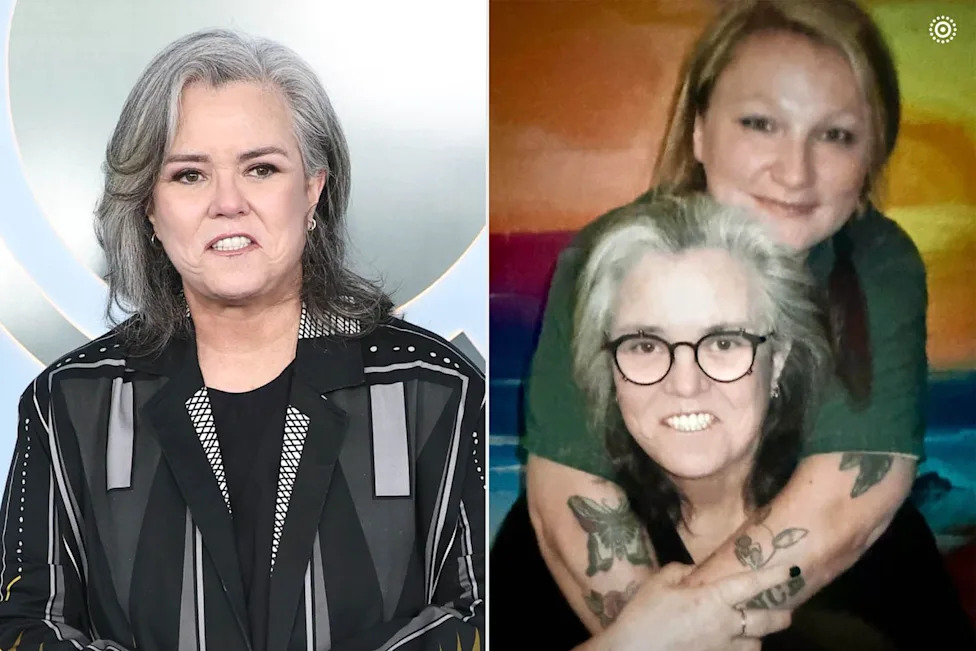
The walls of a correctional facility became an unlikely venue for what may prove to be a pivotal moment in the complicated relationship between comedian Rosie O’Donnell and her daughter Chelsea. After years of public feuds, estrangement, and heartbreak, the former talk show host recently visited Chelsea in prison, marking their first meaningful contact in quite some time. The visit comes after Chelsea’s probation was revoked in October, landing her back behind bars and apparently opening a door for reconciliation that had remained firmly shut for years. For O’Donnell, who has been open about her struggles with mental health and family dynamics, this reunion represents both hope and the ongoing challenge of maintaining relationships when addiction and legal troubles create seemingly insurmountable barriers.

The significance of this meeting cannot be understated for a family that has weathered more than its share of public scrutiny and private pain. O’Donnell, known for her candid discussions about personal matters during her decades-long career in entertainment, has rarely shied away from addressing family challenges in public forums. However, the situation with Chelsea has tested even her typically open approach to sharing personal struggles. The prison visit suggests that despite years of conflict and disappointment, the maternal bond remains strong enough to bridge the gap created by addiction, legal troubles, and the unique pressures that come with being the child of a celebrity. This development offers a glimpse into the ongoing work of healing that families affected by addiction must navigate, often without the added complication of public attention.
A Troubled History Between Mother and Daughter

The relationship between Rosie and Chelsea has been marked by turbulence that began manifesting publicly when Chelsea was still a teenager. What started as typical adolescent rebellion evolved into something far more serious, involving substance abuse issues that would plague Chelsea into her adult years. O’Donnell, who adopted Chelsea as a baby, has spoken about the challenges of parenting a child dealing with addiction while simultaneously managing her own mental health struggles and the demands of a high-profile career. The situation became particularly difficult when Chelsea’s behavior began affecting not just herself but other family members, including O’Donnell’s other children. The comedian found herself in the impossible position of trying to help a daughter who wasn’t ready to accept help while protecting the rest of her family from the chaos that often accompanies addiction.
The public nature of their conflict added another layer of complexity to an already challenging situation. In previous interviews, O’Donnell has been remarkably honest about the pain of watching a child struggle with addiction while feeling powerless to intervene effectively. She has described the heartbreak of setting boundaries that sometimes meant cutting off contact, a decision that goes against every maternal instinct but often becomes necessary for the safety and well-being of all involved. The comedian’s willingness to discuss these struggles publicly has helped normalize conversations about addiction within families, particularly highlighting how the disease affects not just the individual but everyone who loves them. This transparency has resonated with many parents facing similar challenges, though it has also meant that the family’s most private moments have played out under public scrutiny.
Chelsea’s Ongoing Legal Battles

Chelsea’s legal troubles have been a recurring theme in recent years, with various charges and probation violations creating a cycle that has been difficult to break. The revocation of her probation in October represents the latest chapter in a pattern that has seen periods of apparent stability followed by setbacks that land her back in the criminal justice system. These legal issues are typically interconnected with substance abuse problems, creating a complex web of challenges that require comprehensive treatment and support systems to address effectively. For families dealing with these situations, the criminal justice system often becomes a reluctant safety net, providing structure and supervision when other interventions have failed.

The probation revocation that led to Chelsea’s current incarceration likely stems from violations of the conditions set by the court, which could include failed drug tests, missed appointments with probation officers, or new criminal charges. These violations are unfortunately common among individuals struggling with addiction, as the disease often makes it difficult to maintain the consistency and accountability required by probation terms. For O’Donnell, watching her daughter navigate this system has been a source of ongoing concern and frustration, particularly as someone who has the resources to provide help but has learned that addiction cannot be solved simply through financial support or good intentions. The cycle of arrest, release, and re-arrest has become a familiar pattern that highlights the limitations of the criminal justice system in addressing the underlying issues that drive criminal behavior.