$1 billion is the number that turned a footballer into a financial category of his own. Back in 2020, Forbes reported that Cristiano Ronaldo had crossed $1 billion in career earnings, making him the first active team-sport athlete in history to reach that mark. Only Tiger Woods and Floyd Mayweather had done it before, and both compete in individual sports where the money flows differently. For a man who plays a game built around eleven players, partnerships, and shared glory, hitting ten figures alone was a quiet declaration that Ronaldo had stopped being just an athlete a long time ago. He had become an enterprise.
That enterprise has only grown louder since. By 2025, multiple outlets reported that Ronaldo had crossed into billionaire territory by net worth, not just cumulative earnings, with the Bloomberg Billionaires Index later placing his fortune around $1.4 billion as of 2026. The football is still there, of course - 973 career goals and counting, per ESPN’s goal tracker as of June 2026, the most in the recorded history of the sport. But the goals are now almost a marketing department in cleats. Every header, every free kick, every celebration feeds a machine that monetizes attention better than perhaps any individual alive.
The billion-dollar number, and what it actually measures
It helps to separate two figures that headlines love to blur. Career earnings are the total of every salary check and endorsement dollar a person has banked over a working life. Net worth is what remains after spending, taxes, and reinvestment, plus the value of assets owned today. Ronaldo’s career earnings, reported by Forbes to have passed $1 billion in 2020, are a running tally. His net worth, estimated by Bloomberg at roughly $1.4 billion in 2026, is a snapshot of accumulated wealth.
The distinction matters because Ronaldo’s story is one of conversion. He did not simply earn enormous sums; he turned salary and sponsorship into ownership, brand equity, and businesses that generate their own income. Forbes and other outlets have repeatedly ranked him among the highest-paid athletes on the planet, and his trajectory suggests that once his current contract runs its course, he is positioned to become the first footballer to surpass $2 billion in combined career earnings. The salary built the foundation. The brand built the empire on top of it.
Building the CR7 brand from a nickname
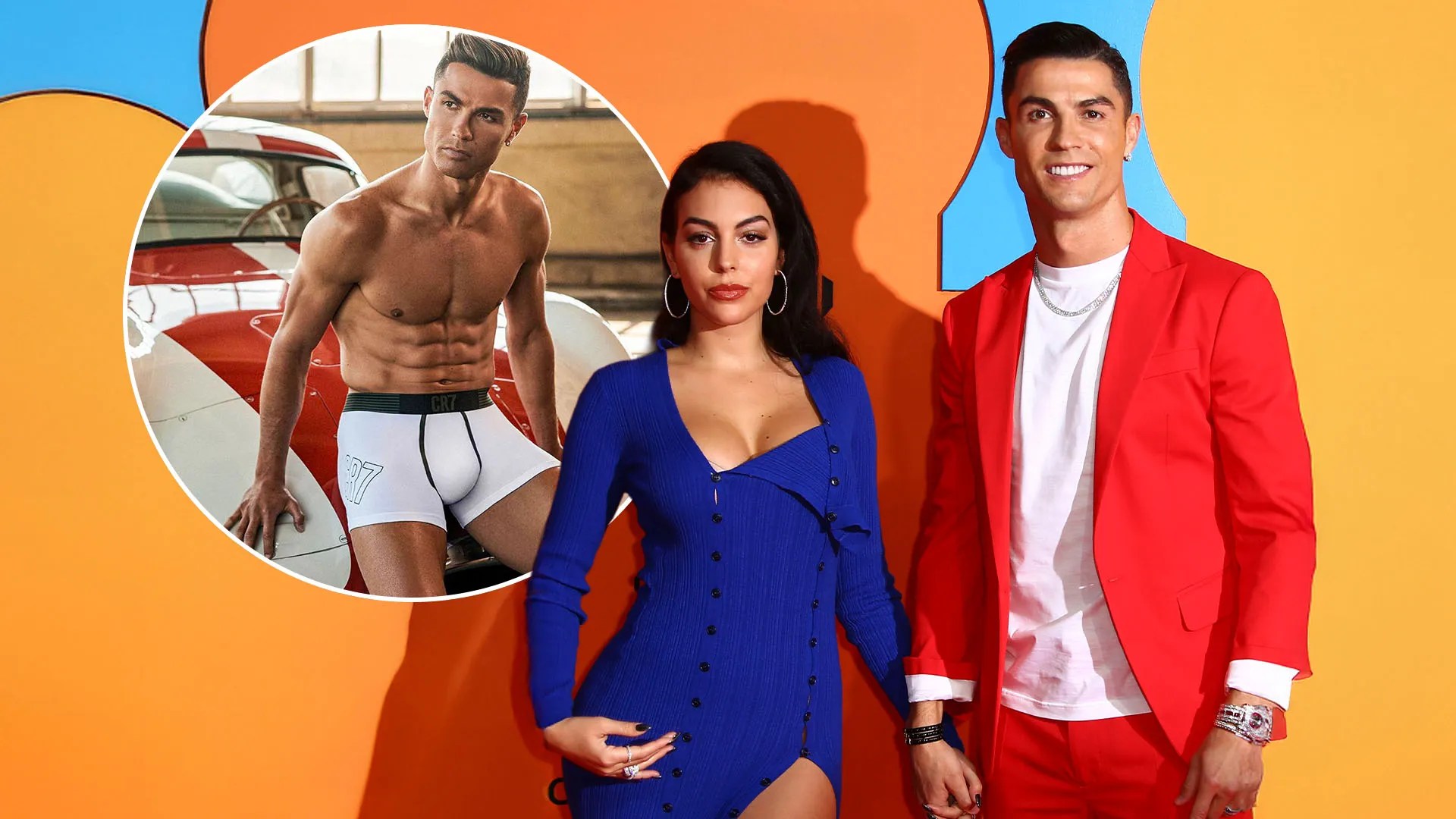
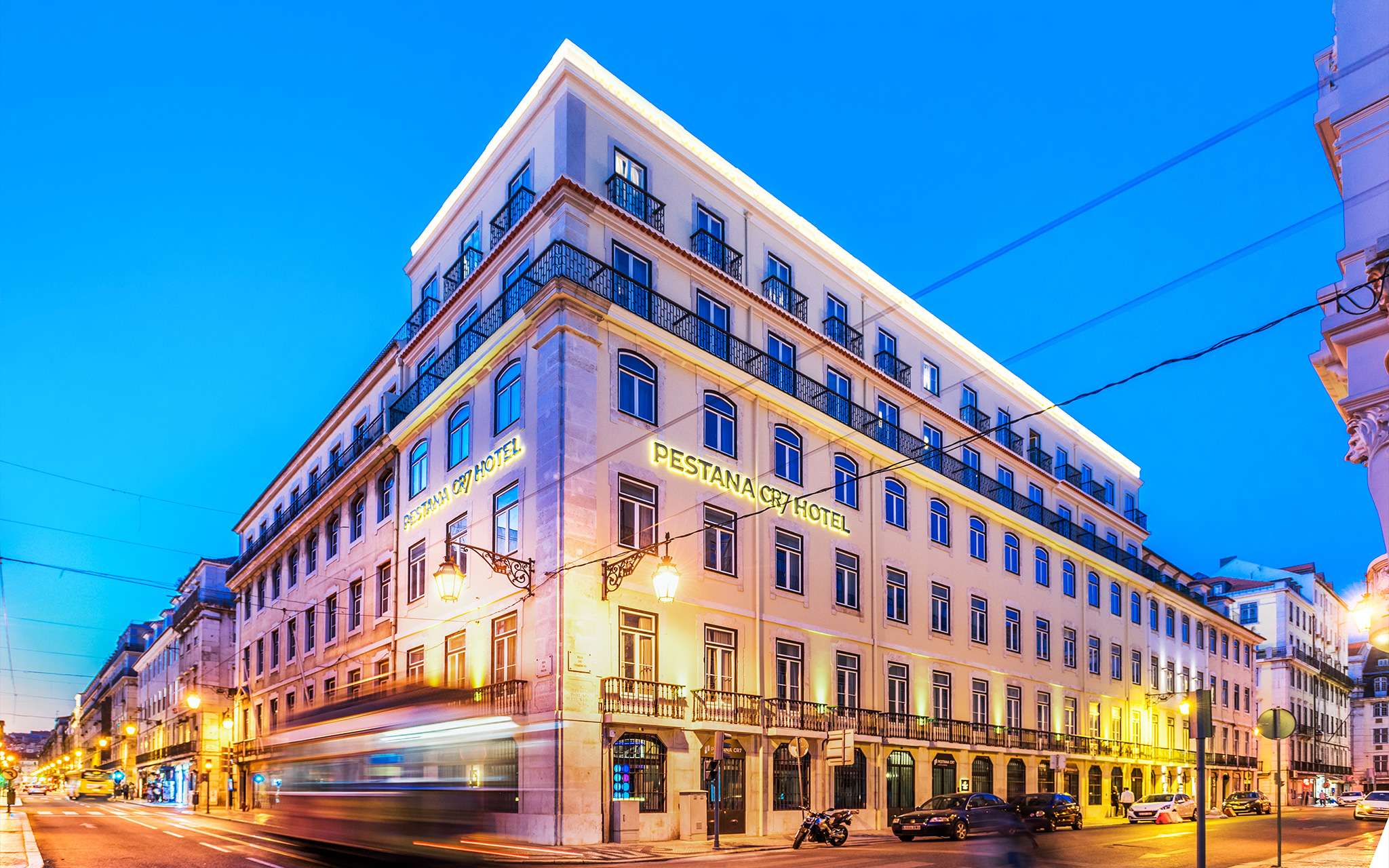
The two initials and the number tell the origin story. “CR7” started as shorthand - Cristiano Ronaldo, shirt number seven - and Ronaldo did something most athletes never think to do with a nickname. He trademarked it, then built a consumer-goods portfolio around it.
The CR7 label now spans underwear, fragrances, footwear, eyewear, and apparel, sold through licensing partnerships that put his initials on shelves in dozens of countries. The logic is simple and ruthless. A fragrance line carries far higher margins than a football boot, and it sells to fans who will never own a season ticket but will happily spend on a bottle that connects them to their idol. By owning the brand rather than merely endorsing someone else’s, Ronaldo captures a larger share of every sale and builds an asset that outlives his playing career.
What makes the CR7 brand durable is that it is anchored to a person who supplies a constant stream of free marketing. Every match broadcast to hundreds of millions of viewers is, in effect, an advertisement for the brand stitched to his identity. Few consumer labels in the world get that kind of exposure without paying a cent for the media.
The Nike lifetime deal
In November 2016, Ronaldo signed what was widely reported as a “lifetime” deal with Nike, with headline figures suggesting it could be worth around $1 billion over its duration. It was one of the rare lifetime contracts the brand had ever offered, joining a tiny club alongside LeBron James and Michael Jordan.
It is worth being precise here, because the billion-dollar figure has been both repeated and questioned. Reporting around the deal indicated fixed annual payments to Ronaldo plus ongoing guarantees and bonuses tied to sales of CR7-branded Nike product, with the headline $1 billion often framed as the total estimated brand value over a lifetime rather than a guaranteed cash payout. However the accounting is sliced, the deal cemented Ronaldo as one of the most valuable individual endorsers in sport. Analysts have long noted that the social-media engagement value he generates for Nike - the swooshes visible in his posts to a colossal audience - has been estimated to justify the partnership many times over.
The Nike relationship matters beyond the money. It tied the most photographed athlete on earth to one of the most recognizable logos on earth, and the two have amplified each other for nearly a decade.
The Al Nassr move and the Saudi multiplier
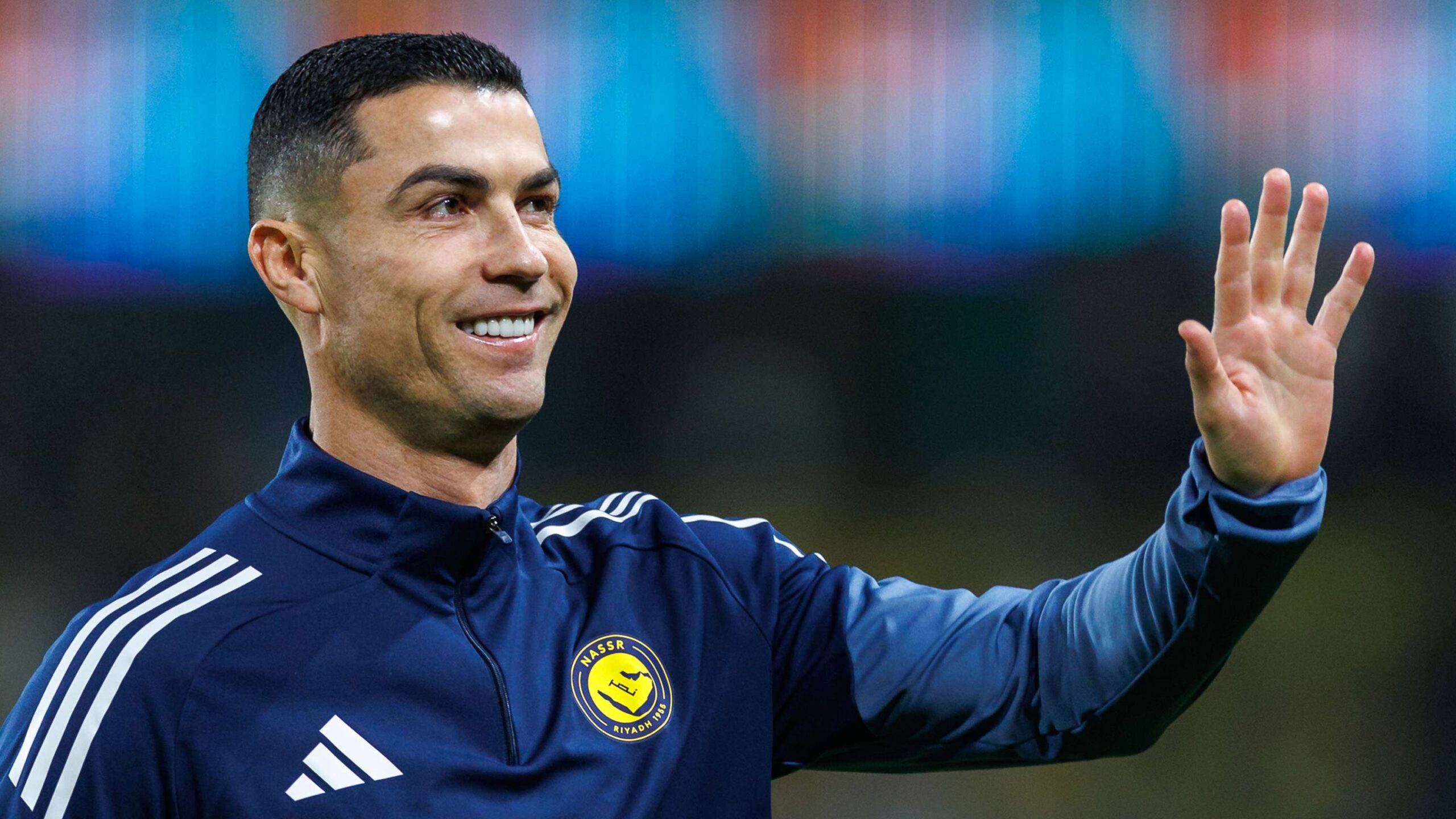
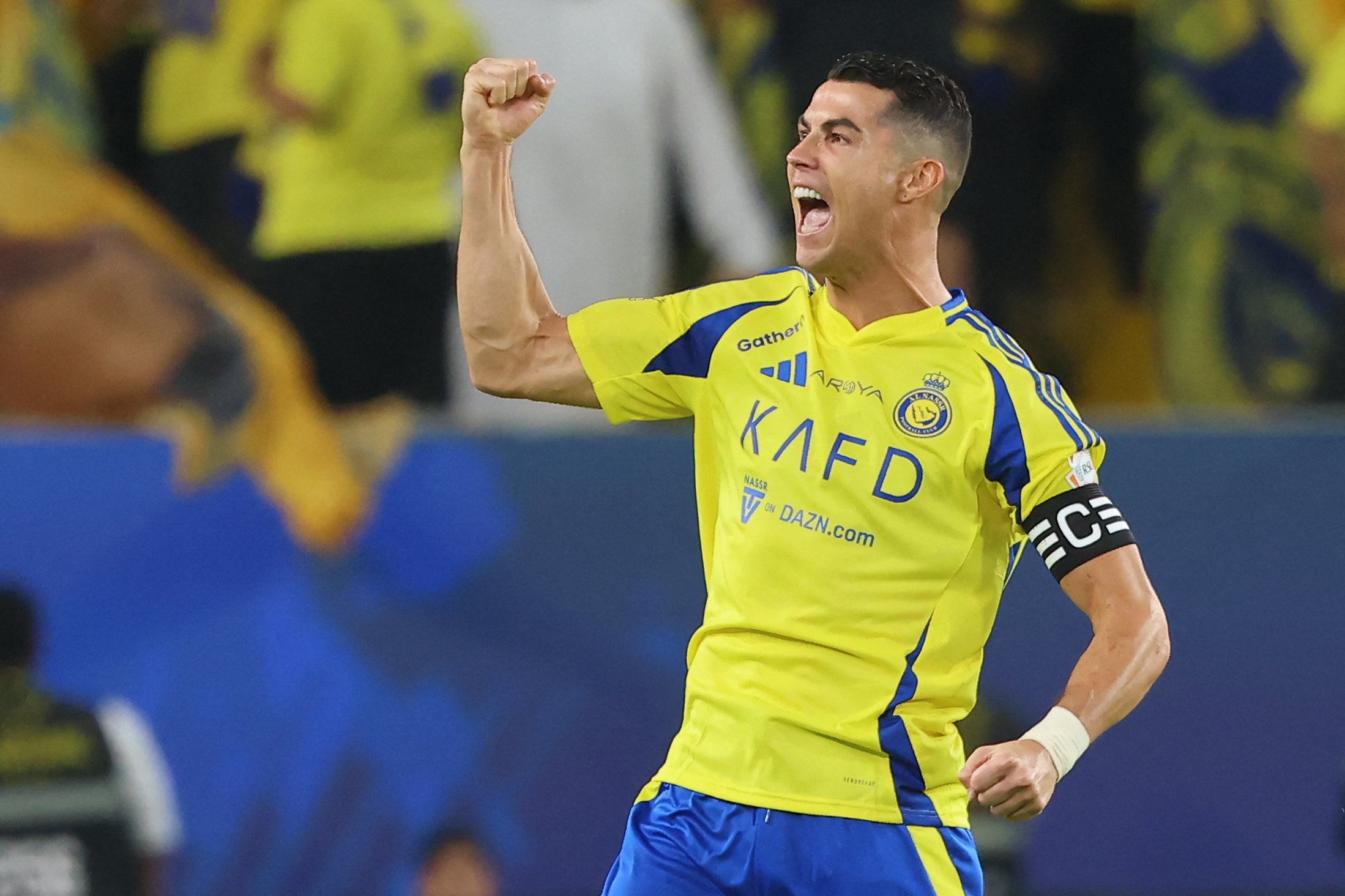
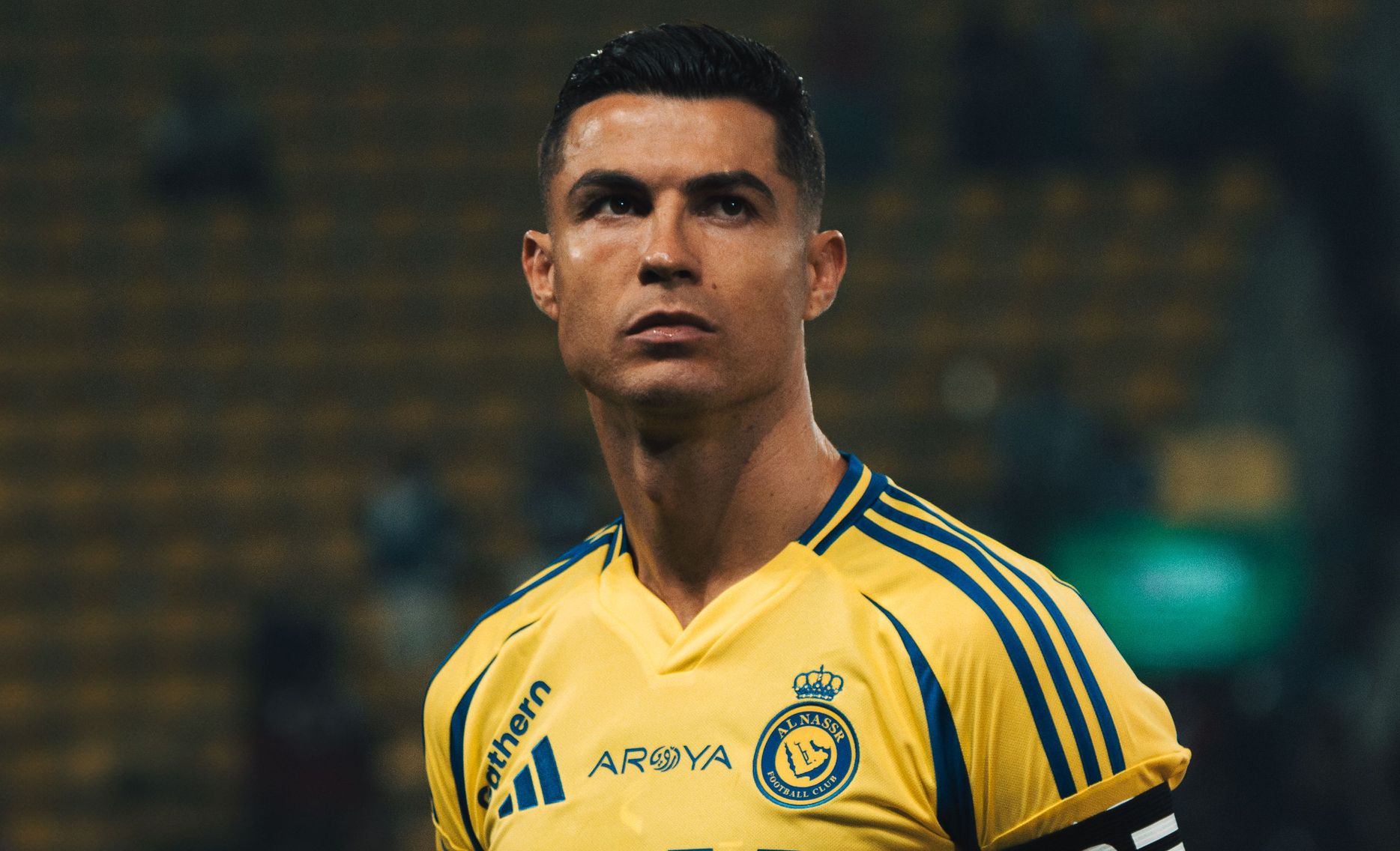
The chapter that supercharged everything came in January 2023, when Ronaldo joined Saudi Arabian club Al Nassr after leaving Manchester United. Reports put the package at well north of $200 million a year once commercial arrangements were included, a figure that dwarfed anything available to him in Europe and reset expectations for what a footballer in his late thirties could command.
The Saudi chapter did not stop there. In June 2025, Al Nassr announced that Ronaldo had signed a new contract keeping him at the club through 2027, as confirmed by Al Jazeera and other outlets. Reporting on the extension described a package that, across base salary, signing bonuses, and performance incentives, could be worth in the region of hundreds of millions of euros over its two-year span, with some breakdowns citing a reported 15 percent ownership stake in the club itself. Figures varied by source, as they always do with private contracts, and they are best read as reported estimates rather than audited fact. What is not in dispute is the scale. The Al Nassr deal is among the most lucrative contracts ever handed to an athlete in any sport.
The equity stake is the detail that signals how Ronaldo’s thinking has evolved. A salary pays you for showing up. An ownership share pays you for being there in a way that compounds. By taking a piece of the club, Ronaldo stopped being purely an employee of Saudi football and became, in a small way, an owner of it.