
EDM Genres Explained: A Beginner's Guide to Every Electronic Music Subgenre
Music Genres

EDM Genres Explained: A Beginner's Guide to Every Electronic Music Subgenre

David Jituboh|
Ad SpaceArticle Top - 728x90
Advertisement

What Is EDM and How Did It Get So Big?
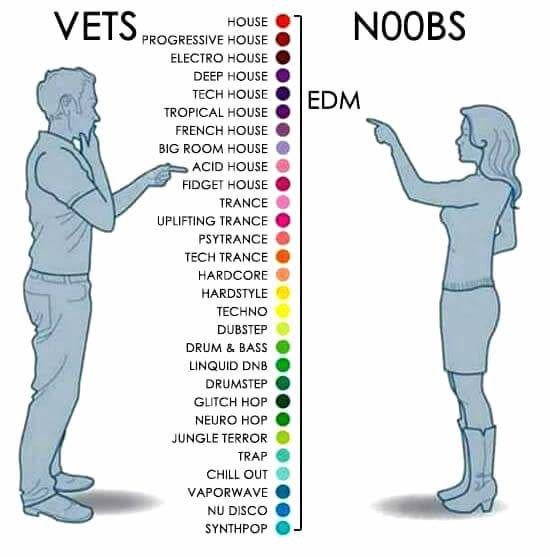
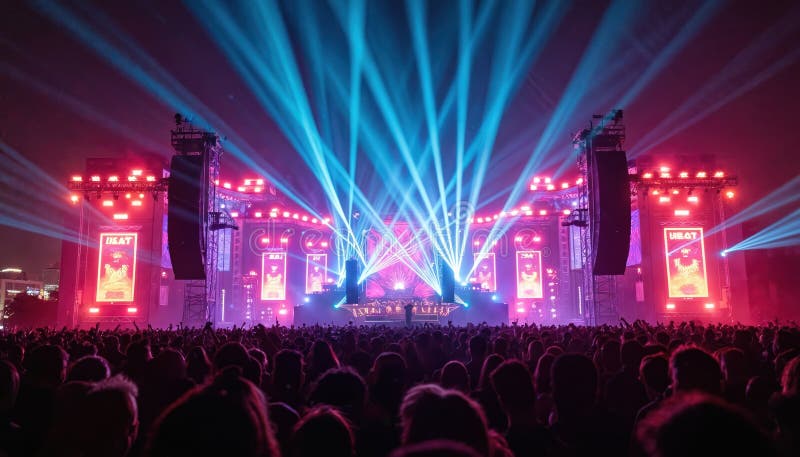
Getting EDM genres explained starts with understanding the umbrella term itself. EDM – Electronic Dance Music – refers to any music primarily produced using electronic instruments, software, and technology, designed to be danced to. It encompasses dozens of subgenres, each with distinct tempos, rhythmic patterns, sound palettes, and cultural origins. From the 120 BPM pulse of house music to the 170 BPM frenzy of drum and bass, EDM is one of the most diverse musical ecosystems in the world.

The global EDM market was valued at approximately $11.3 billion in 2024, according to the International Music Summit’s annual report. Major festivals like Tomorrowland (Belgium, 400,000+ attendees), Ultra Music Festival (Miami), and Electric Daisy Carnival (Las Vegas, 170,000+ per night) draw massive crowds and generate hundreds of millions in economic impact. The top-earning DJs – Calvin Harris, The Chainsmokers, Tiesto – earn $30-80 million annually through performances, recordings, and brand deals.

Electronic music’s roots stretch back to the 1970s and 1980s, when synthesizers, drum machines, and sequencers enabled entirely new sonic possibilities. The Roland TR-808 drum machine (1980), the Roland TB-303 bass synthesizer (1981), and early samplers like the Akai MPC became the foundational instruments of electronic dance music. These tools emerged simultaneously in Chicago (house), Detroit (techno), and the UK (acid house, rave), creating parallel movements that would eventually converge into the global phenomenon we know today.

Having EDM genres explained is useful because the term “EDM” alone tells you almost nothing about what a track actually sounds like. Saying you like “EDM” is like saying you like “rock” – it could mean anything from The Beatles to Slipknot. Understanding the subgenres allows you to discover music that matches your specific taste and to communicate your preferences to other listeners, DJs, and algorithms.
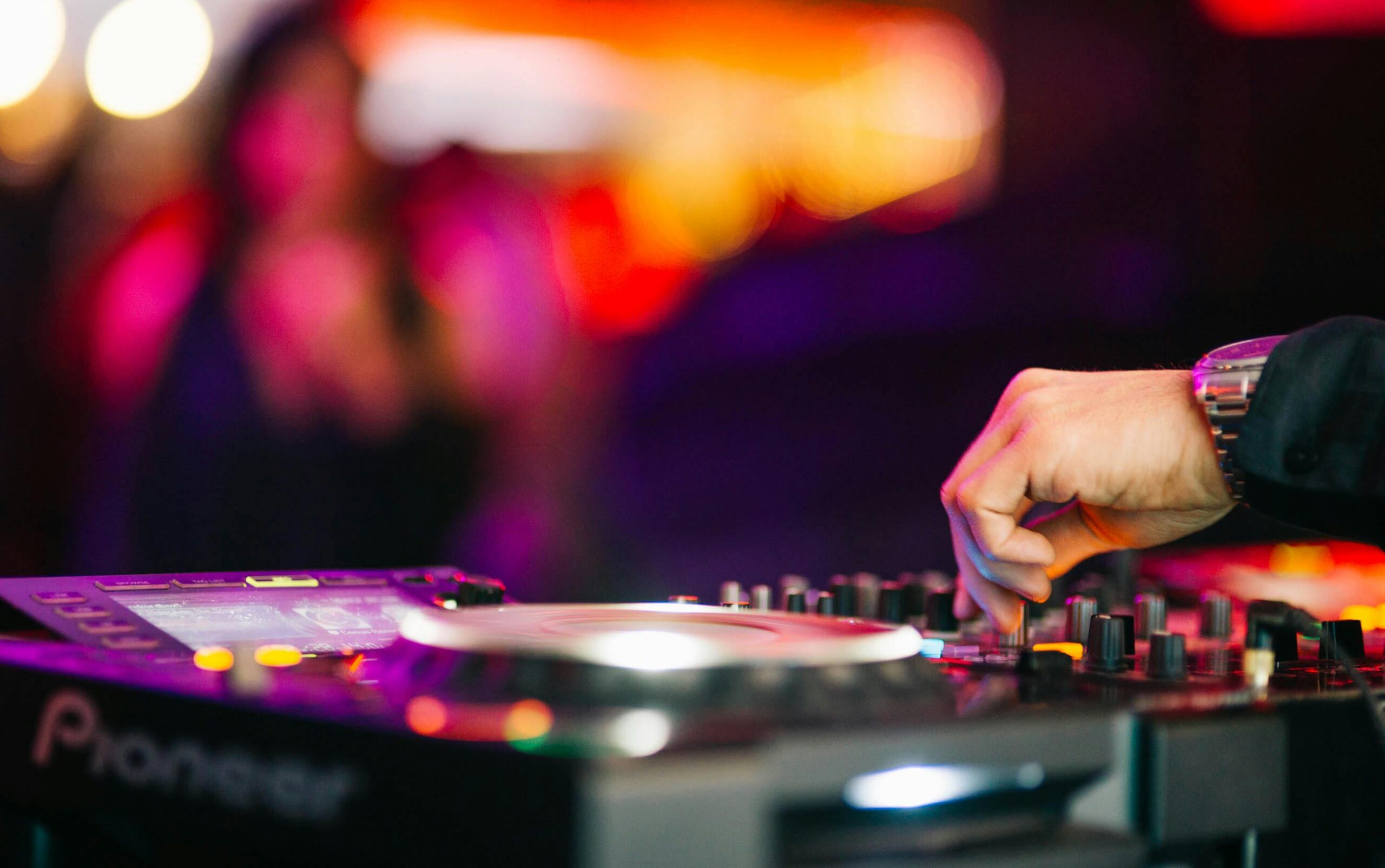
DJ's hands on Pioneer CDJ mixing equipment with nightclub dance floor in background
Image: Pexels

House Music: The Foundation of Dance Culture

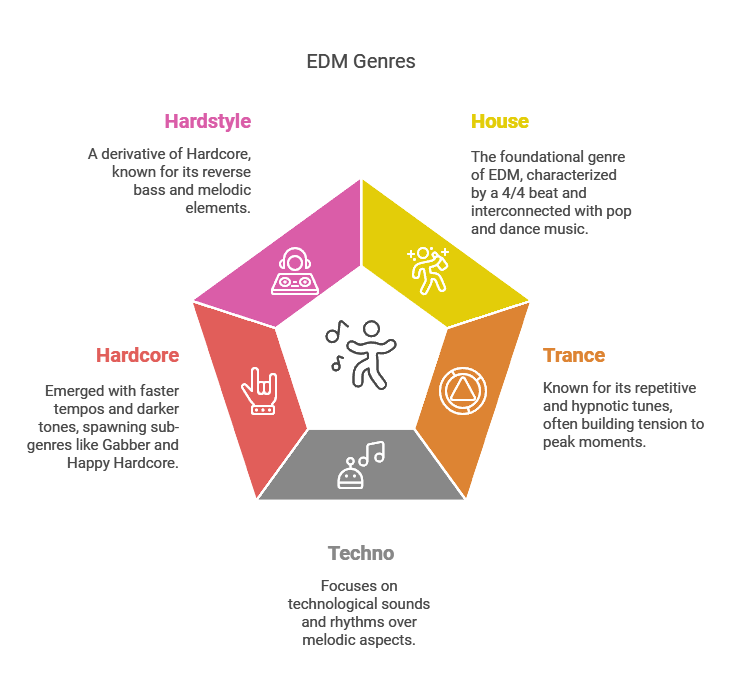
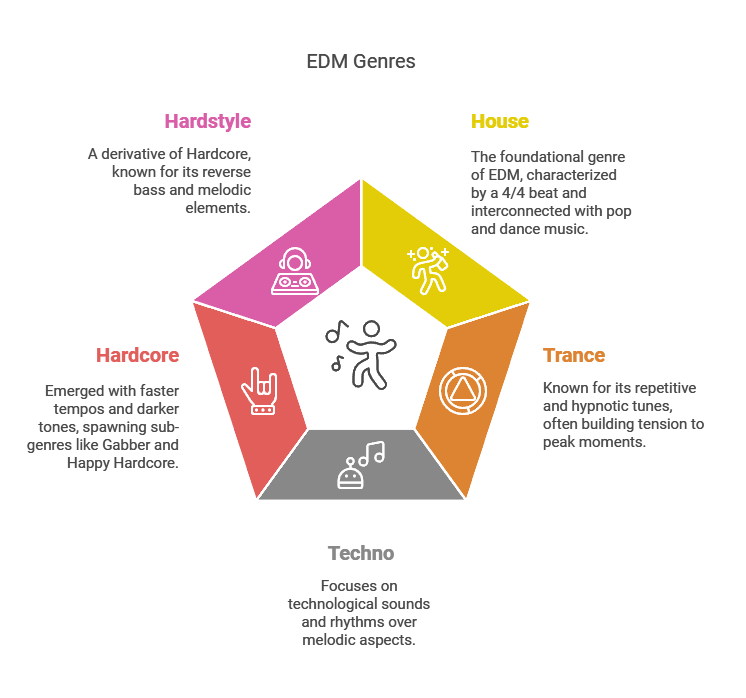
House music is the genre that started it all, and understanding it is essential to having EDM genres explained properly. Born in Chicago’s underground club scene in the early 1980s – specifically at a club called The Warehouse, from which the name derives – house music is characterized by a steady four-on-the-floor kick drum pattern (kick on every beat), tempos typically between 118-135 BPM, and a warm, soulful, groove-based feel.

Pioneering DJs and producers like Frankie Knuckles (the “Godfather of House”), Larry Heard, Marshall Jefferson, and Jesse Saunders created the genre by blending disco, soul, and funk with electronic production tools. Frankie Knuckles’ sets at The Warehouse combined Philadelphia soul and Italo disco with drum machine loops, creating a sound that felt futuristic and emotionally uplifting simultaneously.

Key House Subgenres

Deep house is characterized by warm bass lines, jazzy chords, soulful vocals, and a laid-back groove. Artists like Kerri Chandler, Larry Heard, and Disclosure produce deep house. It is the house subgenre most likely to appear in upscale lounges and sunset beach parties.

Tech house blends house’s groove with techno’s mechanical edge, creating a driving, minimal sound popular in clubs worldwide. Fisher, Chris Lake, and James Hype are prominent tech house artists. This subgenre dominates many of the world’s biggest club nights and festivals.

Progressive house features gradually evolving arrangements and melodic builds. Eric Prydz, Deadmau5, and Lane 8 are masters of the subgenre. Progressive house tracks often run 6-10 minutes, building slowly toward emotional climaxes.

Afro house incorporates African rhythms, percussion, and vocal styles into house frameworks. Black Coffee, a South African DJ who won a Grammy in 2022, has brought Afro house to global prominence. The subgenre reflects house music’s deep connections to Black musical traditions.

Techno: The Machine-Driven Sound of Detroit and Berlin
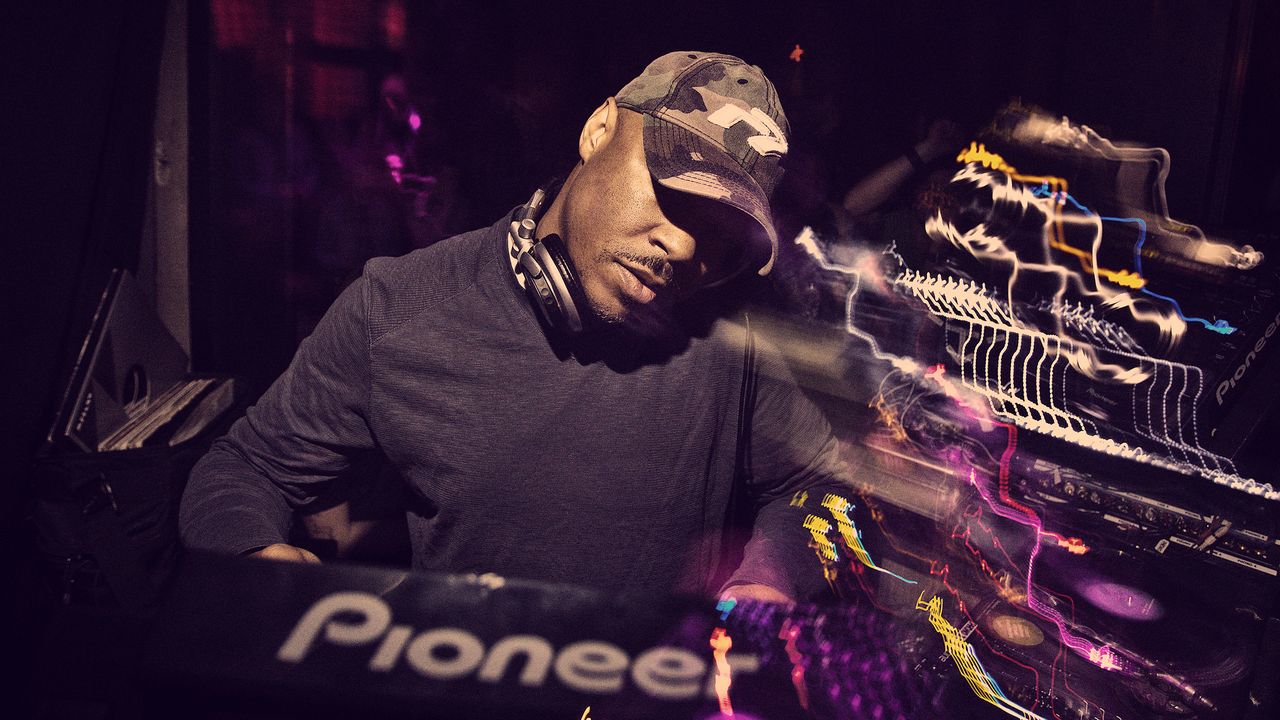
Techno originated in Detroit in the mid-1980s, created by three high school friends – Juan Atkins, Derrick May, and Kevin Saunderson, collectively known as the “Belleville Three.” They fused the electronic experimentation of Kraftwerk with the funk and soul of their Detroit upbringing to create a futuristic, machine-driven sound. Techno is typically 125-150 BPM with driving rhythms, hypnotic repetition, and a stark, industrial aesthetic.

While Detroit birthed techno, Berlin adopted it as its cultural soundtrack. After the fall of the Berlin Wall in 1989, abandoned industrial spaces became techno clubs, and the genre became synonymous with Berlin’s culture of freedom and reinvention. Berghain, which opened in 2004 in a former power plant, is widely considered the world’s most iconic techno club. Its resident DJs – Ben Klock, Marcel Dettmann – represent the deep, dark, relentless Berlin techno sound.

Key Techno Subgenres

Minimal techno strips the genre to its barest elements – sparse percussion, subtle textural changes, and hypnotic repetition. Richie Hawtin and Ricardo Villalobos are defining artists. Industrial techno pushes harder, incorporating distorted sounds, aggressive rhythms, and a dark, confrontational energy – artists like Blawan, Paula Temple, and Kobosil represent this intense subgenre. Melodic techno, popularized by artists like Tale Of Us, Anyma, and Artbat, adds emotional melodies and lush harmonies to techno’s rhythmic foundation, creating an atmospheric, festival-friendly sound that has exploded in popularity since 2020.

Trance: Euphoric Melodies and Epic Builds

Trance emerged from the German and Dutch rave scenes in the early 1990s. The genre is named for the hypnotic, trance-like state its repetitive melodies and builds are designed to induce. Trance typically runs 128-145 BPM and is characterized by extended build-ups, dramatic breakdowns, and euphoric peaks with soaring synth melodies. It is arguably the most emotional of all EDM genres explained in this guide.

Armin van Buuren, who has hosted the radio show “A State of Trance” since 2001 (now approaching 1,200 episodes), is the genre’s most recognizable ambassador. Other iconic trance artists include Above & Beyond, Tiesto (in his earlier career), Paul van Dyk, and Ferry Corsten. The genre commands a massive global following, particularly in Europe, India, and Australia.

Subgenres include uplifting trance (the most melodic and emotional variant), psytrance (psychedelic trance with complex layered textures and a tempo of 140-150 BPM, hugely popular in Israel, Brazil, and Goa), and progressive trance (slower builds with deeper, more subtle melodies). Vocal trance features prominent singing – tracks like “Silence” by Delerium featuring Sarah McLachlan and “Satellite” by Above & Beyond are genre-defining vocal trance anthems.

Dubstep and Bass Music: Heavy Drops and Wobbly Bass
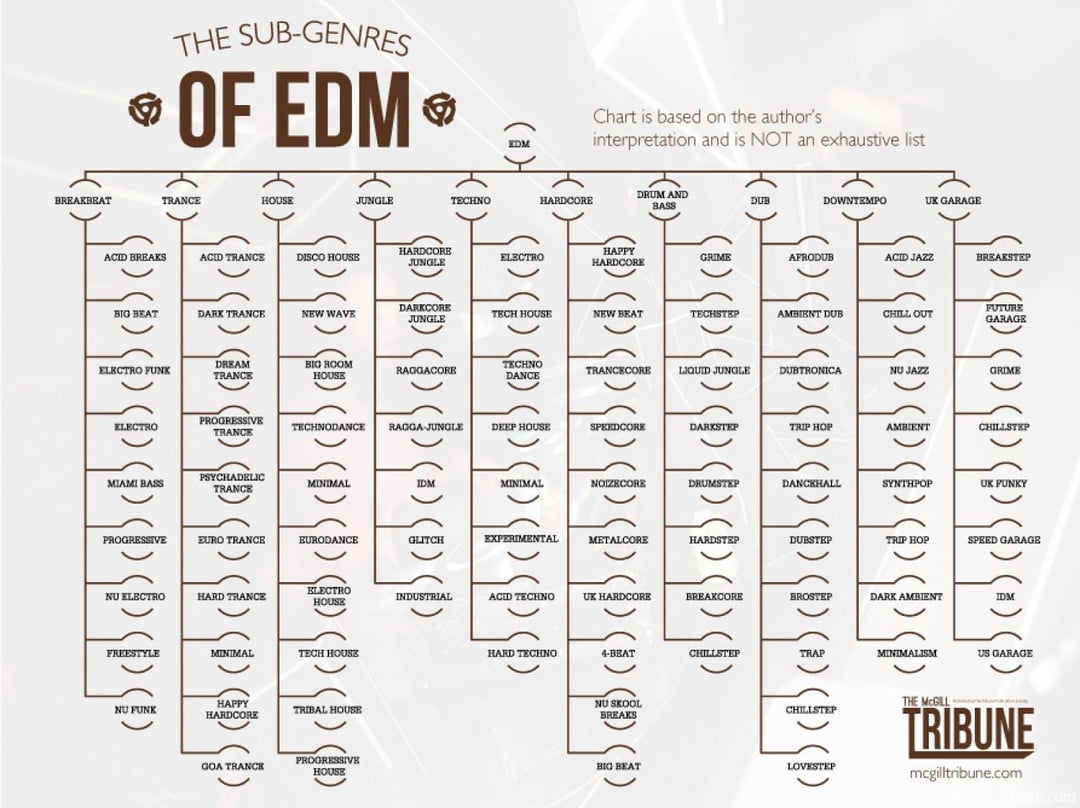
Dubstep originated in South London around 2000-2001, growing from UK garage, dub reggae, and grime. Early dubstep was dark, sparse, and atmospheric – producers like Skream, Benga, and Digital Mystikz created half-time rhythms (around 140 BPM but felt at 70 BPM) with deep, sub-bass wobbles that physically vibrated through club sound systems.

The genre transformed dramatically when Skrillex burst onto the scene around 2010-2011 with aggressive, distorted “brostep” that featured heavy drops, screeching synths, and maximum intensity. Tracks like “Scary Monsters and Nice Sprites” introduced dubstep to mainstream audiences but divided the community – purists felt the music had strayed from its roots. Regardless of the debate, Skrillex brought electronic music to an enormous new audience.
Today, bass music is a broader category that includes riddim (repetitive, heavy bass patterns), melodic dubstep (combining heavy bass with emotional melodies – artists like Illenium, Seven Lions, and Said the Sky), and experimental bass (boundary-pushing producers like G Jones, EPROM, and Tipper who defy easy categorization). The bass music scene is especially vibrant in North America, where festivals like Lost Lands (founded by Excision) draw tens of thousands of fans.

Drum and Bass: Breakbeats at 170 BPM

Drum and bass (often abbreviated as DnB or D&B) is one of the fastest and most energetic EDM genres explained here. Born in the UK’s early 1990s rave scene, DnB is characterized by fast breakbeats (typically 160-180 BPM), heavy bass lines, and a frenetic energy that distinguishes it from virtually every other electronic genre.

The genre evolved from jungle music, which incorporated chopped-up breakbeat samples (particularly the “Amen break” – a six-second drum solo from a 1969 song by The Winstons that became the most sampled loop in music history). Goldie’s album “Timeless” (1995) is considered the genre’s first masterpiece, blending breakbeats with orchestral strings and ambient textures.

DnB subgenres include liquid DnB (smooth, melodic, and soulful – artists like Calibre, Makoto, and LSB), jump-up (bouncy, dancefloor-focused bass lines), neurofunk (dark, complex, and technically intricate – Noisia, Mefjus, and Current Value), and jungle (the raw, sample-heavy predecessor style that continues to thrive in underground scenes). Andy C, Sub Focus, Chase & Status, and Shy FX are among the genre’s biggest names.

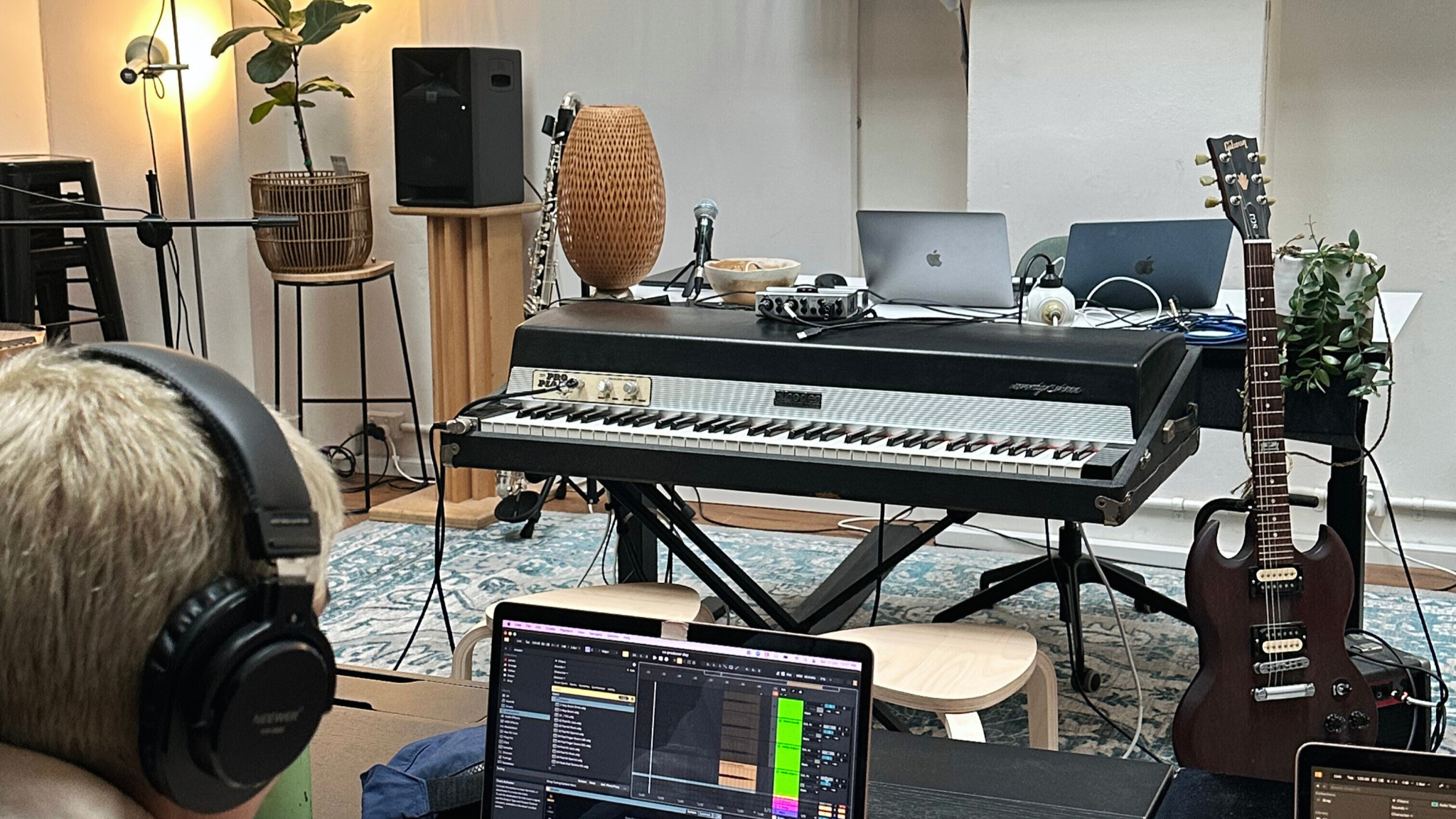
Electronic music producer working in a home studio with synthesizers and Ableton Live
Image: Liveschool

Future Bass, Trap, and Modern EDM Hybrids

The 2010s saw an explosion of new hybrid EDM genres that blended electronic production with hip-hop, pop, and other influences.

Future bass emerged around 2013-2014 with its signature sound: lush, detuned synthesizer chords (“supersaw” pads), half-time rhythms, and an emotional, uplifting atmosphere. Flume’s self-titled debut album (2012) is widely credited with popularizing the sound. Other key artists include Illenium, San Holo, and Louis the Child. Future bass became the dominant sound of festival mainstages and commercial EDM in the mid-2010s.

EDM trap adapted hip-hop’s trap production style – booming 808 bass, rapid hi-hat rolls, snappy snares – for electronic dance floors. RL Grime, Baauer (whose “Harlem Shake” went viral in 2013), and TNGHT pioneered the crossover. The style’s influence permeated virtually every corner of EDM and pop music production.

Hyperpop and deconstructed club emerged in the late 2010s as avant-garde responses to mainstream EDM. Artists like A.G. Cook, SOPHIE, and 100 gecs pushed electronic music to extremes of pitch, speed, distortion, and genre-blending. These movements prioritize experimentation over danceability, attracting younger audiences drawn to the genre’s anarchic creative energy.

Ambient, Downtempo, and Chill Electronic

Not all EDM genres explained here are designed for dance floors. Ambient electronic music prioritizes atmosphere, texture, and mood over rhythm and energy. Brian Eno essentially invented the genre with albums like “Ambient 1: Music for Airports” (1978), creating music intended to enhance an environment rather than demand active listening.

Downtempo and chillout music occupies a middle ground between ambient and dance music, featuring relaxed tempos (80-110 BPM), mellow beats, and atmospheric production. Bonobo, Tycho, and Four Tet are contemporary masters of this space. Their music is as likely to appear on work-from-home playlists as on festival stages.

Lo-fi electronic and chillwave draw from nostalgic production aesthetics – warm vinyl crackle, vintage synthesizer tones, and dreamy reverb – to create music that feels like a remembered version of the past. These genres have exploded on YouTube and Spotify through “lo-fi beats to study to” channels and playlists that attract millions of daily listeners.

How to Explore EDM and Find Your Sound

With so many EDM genres explained, finding your preferred style takes exploration. Start with curated playlists on Spotify and Apple Music organized by subgenre. Listen to genre-specific radio shows – Armin van Buuren’s “A State of Trance” for trance, Noisia Radio for DnB, Essential Mix on BBC Radio 1 for a mix of everything. Platforms like SoundCloud remain goldmines for discovering emerging electronic artists and underground subgenres.

Attending live events – whether local club nights or festivals – transforms your understanding of EDM. Electronic music is designed for sound systems and communal experience. A techno track that sounds repetitive on laptop speakers becomes a transcendent physical experience on a proper club system. Most major cities have electronic music nights catering to specific subgenres; seek them out.

If you are interested in producing electronic music, modern tools make it more accessible than ever. Ableton Live is the industry-standard DAW for electronic production. Free options like LMMS and GarageBand provide capable starting points. Online learning platforms like Skillshare, Sonic Academy, and YouTube tutorials can take you from zero to producing your first track within weeks.

Key Takeaways

  • EDM is an umbrella term covering dozens of subgenres, each with distinct tempos, sounds, and cultural origins – from 120 BPM house to 170+ BPM drum and bass.
  • House music (born in Chicago, 1980s) and techno (born in Detroit, 1980s) are the foundational genres from which most modern electronic music descends.
  • Trance emphasizes euphoric melodies and emotional builds; dubstep and bass music focus on heavy bass drops and rhythmic intensity.
  • Modern hybrid genres like future bass and EDM trap blend electronic production with hip-hop, pop, and experimental influences.
  • The global EDM market exceeds $11 billion annually, with festivals like Tomorrowland and EDC drawing hundreds of thousands of attendees.
  • Explore through genre-specific playlists, radio shows, live events, and platforms like SoundCloud to find the subgenres that resonate with your taste.

Frequently Asked Questions

What is the most popular EDM genre?

House music and its subgenres (tech house, deep house, progressive house) are the most widely played and commercially successful EDM genres globally. Tech house has dominated club and festival playlists since the early 2020s. However, popularity varies by region – trance remains huge in Europe and India, bass music dominates in North America, and drum and bass is the leading electronic genre in the UK and parts of Europe.

What is the difference between house and techno?

House music originated in Chicago and has a warmer, more soulful, groove-based feel rooted in disco and soul music. It typically runs 118-135 BPM and emphasizes melody, vocals, and an uplifting atmosphere. Techno originated in Detroit and has a colder, more mechanical, industrial sound. It typically runs 125-150 BPM and emphasizes repetition, texture, and driving energy. Both share the four-on-the-floor kick pattern, but the feel and philosophy are quite different.

Is EDM still popular in 2026?

Absolutely. While the mainstream “EDM bubble” of 2012-2016 (when artists like Avicii, Calvin Harris, and David Guetta dominated pop charts) has settled, electronic music’s overall audience and revenue continue to grow. Festival attendance is at all-time highs, streaming numbers for electronic music increase year over year, and subgenres like melodic techno and tech house are experiencing massive growth. Electronic music has evolved from a trend into a permanent fixture of global music culture.

How do I start producing EDM?

Start by downloading a DAW (Digital Audio Workstation). Ableton Live is the most popular choice for electronic production, and the free trial version provides full functionality for learning. GarageBand (free on Mac) and LMMS (free on all platforms) are good starting points. Learn the basics through YouTube tutorials – channels like “You Suck at Producing,” “Andrew Huang,” and “ADSR Music Production Tutorials” are excellent resources. Begin by recreating simple tracks in the genre you enjoy, gradually building your understanding of sound design, arrangement, and mixing.

Ad SpaceIn-Article - 300x250
Advertisement
Share
EDM Genres Explained: A Beginner's Guide to Every Electronic Music Subgenre - Sidomex Entertainment