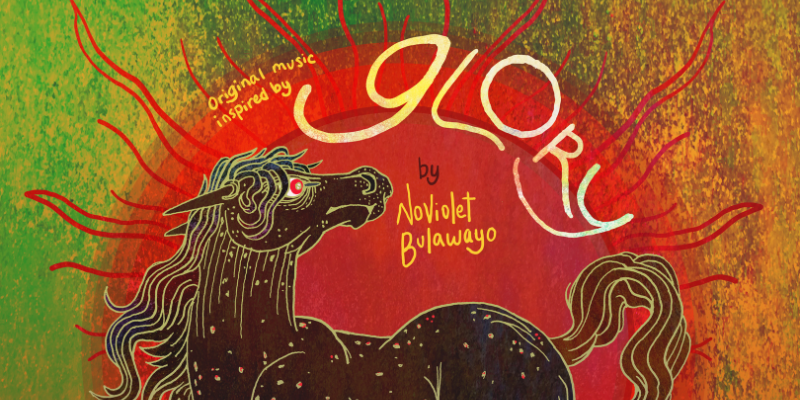

Glory by NoViolet Bulawayo: A Full Review of the Modern African Classic
Books

Glory by NoViolet Bulawayo: A Full Review of the Modern African Classic

Arianne ColeArianne Cole··9 min read
Advertisement

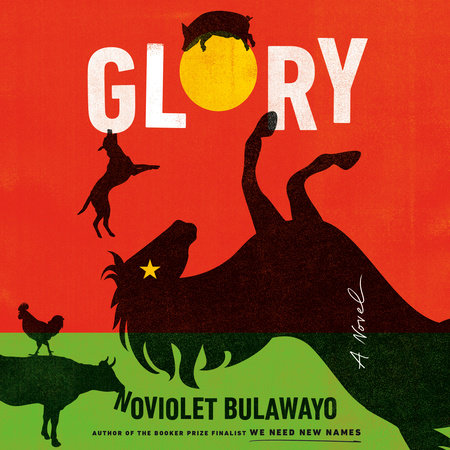
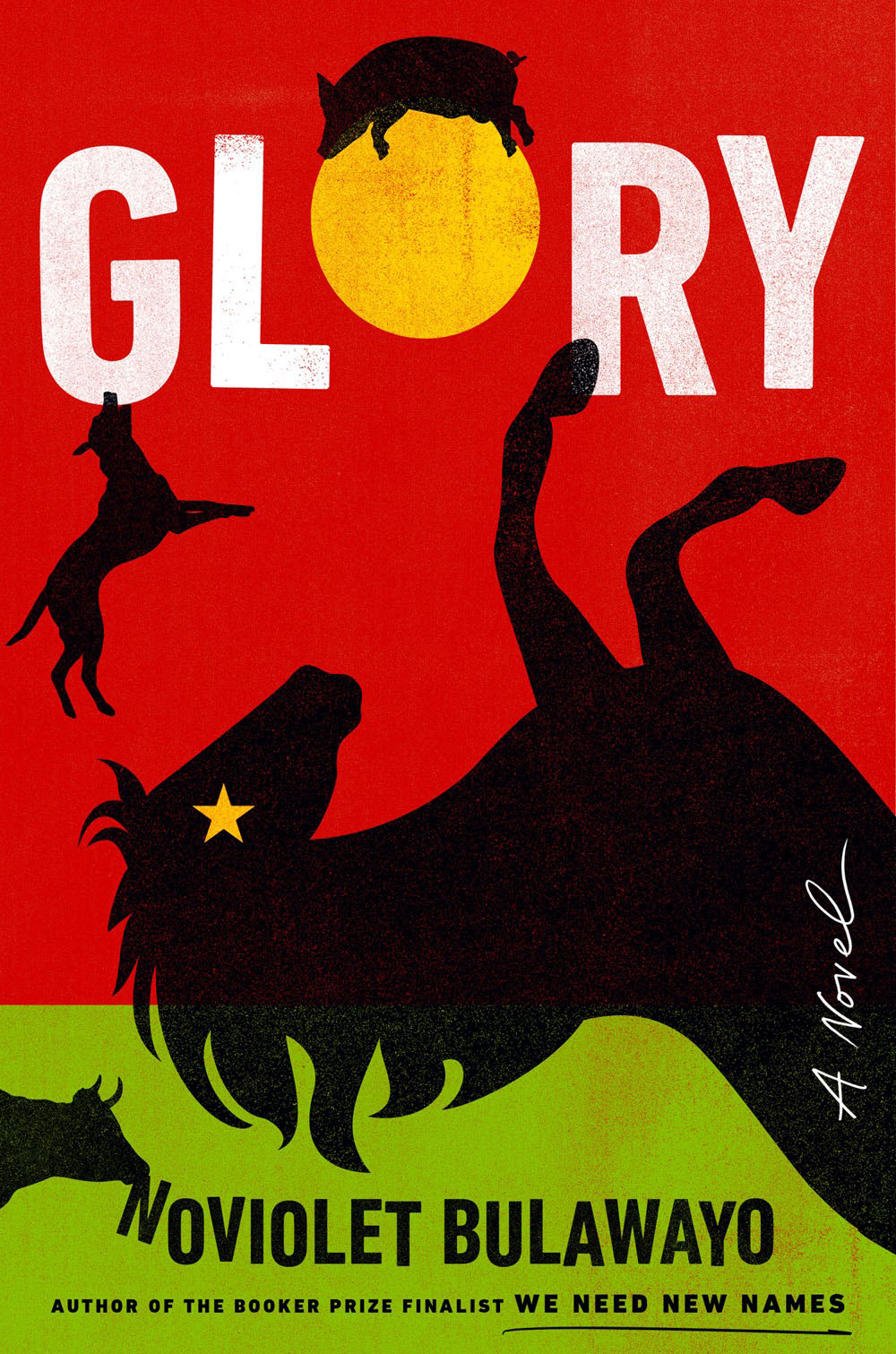
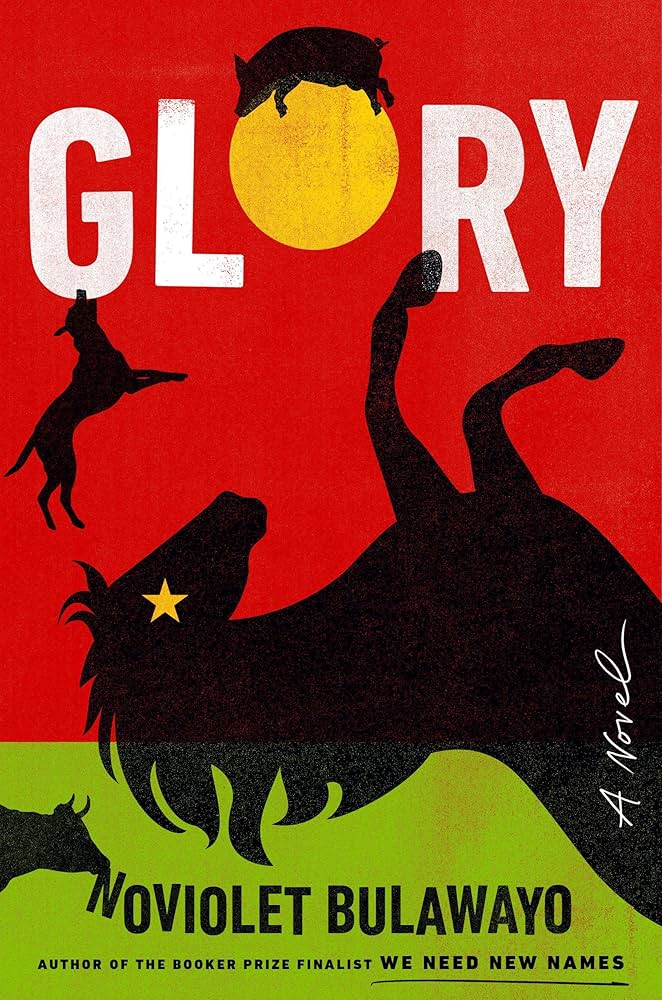
A horse with a thinning mane, called Old Horse and once called the Father of the Nation, stands at a podium for hours and delivers a speech that no one in the crowd can quite remember afterwards. He has been giving this speech for thirty-seven years. The crowd is largely composed of goats, donkeys, cats, baboons, dogs, and chickens. They wave miniature flags. They cheer when prompted. They have been cheering for thirty-seven years. The country is called Jidada with a -da and another -da. The year, although the novel never names it, is recognizably 2017. The Old Horse will be deposed before the book ends, but the deposition will solve nothing.

“Glory” came out in 2022 from Viking. It was shortlisted for the Booker Prize, making NoViolet Bulawayo the first Black African woman to be shortlisted twice for that award, ten years after her first nomination for “We Need New Names.” It is a novel set in an animal-populated allegorical version of post-independence Zimbabwe. It is also, very directly, a novel about the November 2017 coup in which Emmerson Mnangagwa, a longtime Mugabe ally, replaced Robert Mugabe in power and rebranded the country as the “Second Republic.” The novel is dedicated, in part, to the people of Zimbabwe.

The Animal Farm Problem
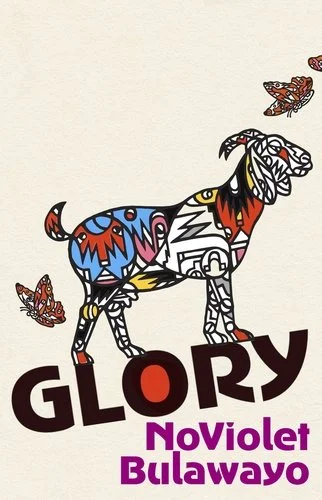
Glory by NoViolet Bulawayo - The Animal Farm Problem

The Orwell comparison was inevitable. Bulawayo did not run from it. In interviews around the book’s release, she discussed Orwell directly, accepted the comparison, and then reframed it. “Animal Farm” is a satirical allegory written by an Englishman about Russian totalitarianism, using African and English animals as stand-ins. “Glory” is a novel written by a Zimbabwean about the country she grew up in, using animals that are specifically the animals one lives among in southern Africa: horses, goats, dogs, baboons, vultures, cats, donkeys. The allegorical move is the same. The cultural grounding is not.

The other thing Bulawayo did, which Orwell did not do, was to root her narration in oral-tradition rhythms. The narrator of “Glory” is a collective voice, sometimes plural and sometimes singular, that uses repetition, call-and-response, list-making, and direct address to the reader. The voice owes more to Tutuola, to praise poetry, and to the long Shona and Ndebele oral traditions than to anything in the English satirical canon. Read aloud, “Glory” sounds like a much older form than its publication date suggests. Read on the page, the repetition can be punishing if the reader is not in the right mood.

This is the novel’s central stylistic gamble. Bulawayo is asking the English-language reader to sit inside a narrative voice that is patterned, ritualistic, and unafraid of saying the same thing three times in slightly different ways. Some readers find this exhilarating. Some find it exhausting. Both reactions are legitimate. The voice is doing real work, but it is also doing it in a register that is not the default register of the international literary novel.

The Old Horse and the Coup
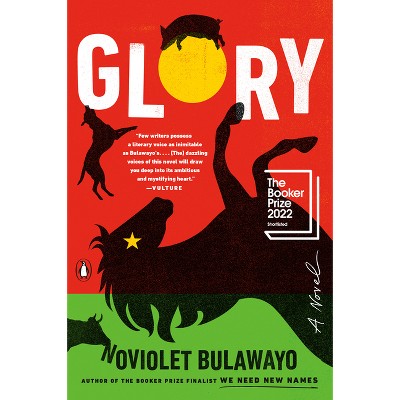
Glory by NoViolet Bulawayo - The Old Horse and the Coup

The first hundred pages of “Glory” are spent at a single Independence Day rally, in real time. The Old Horse, modeled with little disguise on Mugabe, gives his speech. His wife Marvelous, a younger donkey with elaborate political ambitions, watches from the stage. Tuvius Delight Shasha, called the Savior, is a horse who has spent decades as the Old Horse’s enforcer and is now plotting, with the army, to remove him. The intelligence agency is a corps of dogs. The army is a corps of horses. The civilian population is everyone else.

The set piece of the coup, when it comes, follows the actual choreography of November 2017 with eerie fidelity. The tanks arrive. The general appears on state television. The Old Horse is placed under house arrest. The streets fill with citizens, including Catholic nuns in habits, all of whom believe, for a few days in November, that something new is genuinely about to happen. The Old Horse resigns. The Savior is installed. The new dispensation announces itself as the “New Dispensation.” Within months, the same enforcers in slightly different uniforms are doing the same things to the same people.

Bulawayo’s argument, which the novel makes with patience rather than speed, is that the coup was not a revolution. It was a continuation. The men, or animals, around the Old Horse simply repositioned themselves. The state’s relationship to the citizen did not change. The economy did not change. The torture chambers did not close. The new leader, like the old leader, made speeches about national unity while his enforcers worked the back rooms.

Destiny the Goat
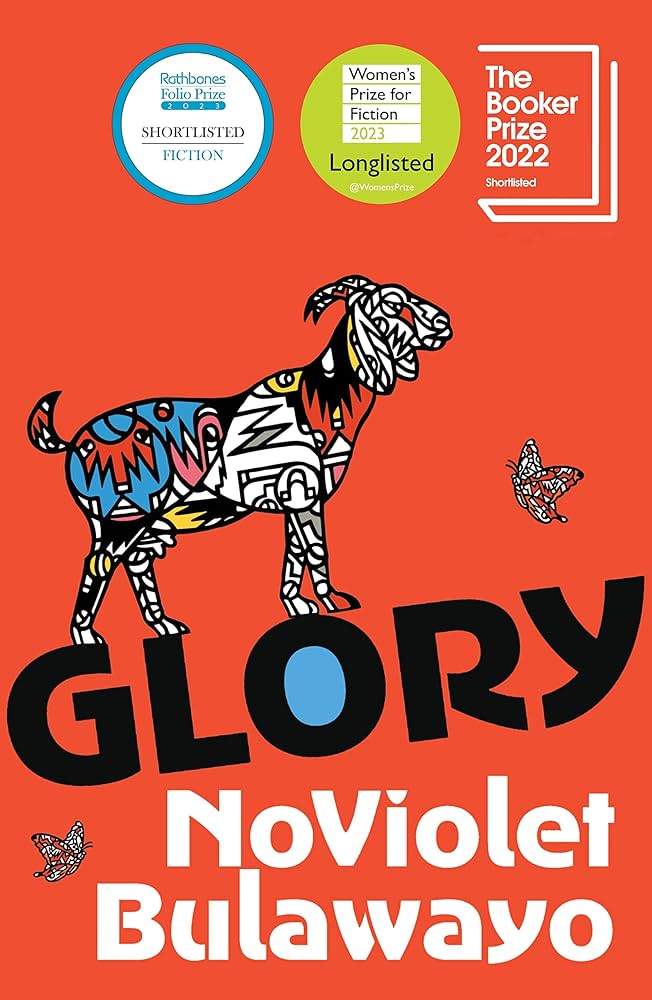
Glory by NoViolet Bulawayo - Destiny the Goat

The novel’s protagonist, to the extent it has a single one, is Destiny, a young goat who returns to Jidada after ten years abroad. Destiny is the heir of a long line of Jidada women whose stories the novel reconstructs gradually, in flashbacks and dream sequences. Her mother, Simiso, was a young goat during the post-independence Gukurahundi massacres in Matabeleland, the early-1980s state violence in which the Fifth Brigade of the new Zimbabwean army killed an estimated twenty thousand Ndebele civilians under the direction of the Old Horse and the future Savior. Destiny’s family is from that region. Her family knows what happened. The official Jidada narrative has spent four decades insisting that what happened did not happen.

Destiny’s return is the spine of the second half of the novel. She comes back to find her mother. She finds her mother slowly dying. She listens to her mother tell, finally, the story of what was done to her family by the soldiers in the early 1980s. The Gukurahundi sections are the most devastating in the book. Bulawayo writes them quietly, in plain prose, without the satirical rhythms of the rally sequences. The shift in register is itself part of the argument. Some forms of violence cannot be satirized.

Destiny is also the character who carries the novel’s hope, such as it is. She is part of a community of young Jidadans, all of them animals, all of them online, all of them organizing through Twitter (called “the other country” in the novel) against the Savior. The novel’s account of social media as a parallel civic space, where citizens of an authoritarian country can briefly experience the freedoms denied to them in the actual streets, is one of the most acute renderings of African internet politics in recent fiction.
Advertisement

Where the Novel Sags

Glory by NoViolet Bulawayo - Where the Novel Sags

“Glory” is long. The middle third, in which the Savior consolidates power and the country settles into its new equilibrium, drags. The satirical inventions that were fresh in the first hundred pages, the Old Horse’s hospitalized eye, the Savior’s “New Dispensation” sloganeering, the female donkey’s hairstyles, become predictable. There is a point, somewhere around page two hundred and fifty, where the reader begins to feel that the joke has been told and that the novel is now telling it again.

This is the second criticism that “Glory” has consistently received. The first is the Orwell comparison fatigue. The second is the middle sag. Both are real. The novel would be a sharper book at three hundred pages than it is at four hundred. Bulawayo’s editor, by all visible evidence, chose to let her run, and the run is too long.

What rescues the middle is the Gukurahundi material, which arrives like a cold wind through the satire. The moment the novel stops being funny and starts being elegiac is the moment it earns its length. Once Destiny’s mother begins to tell her story, the reader stops counting pages. The satire was the preparation. The history was the destination.

Politics on the Page

Glory by NoViolet Bulawayo - Politics on the Page

Bulawayo published “Glory” in 2022, in the middle of the Mnangagwa government’s continued repression of Zimbabwean dissent. Tsitsi Dangarembga had been arrested in 2020 for protesting in Harare. Independent journalists were being prosecuted. The economy was again in free fall. To publish a novel this directly identifying the Old Horse with Mugabe, the Savior with Mnangagwa, and the entire ruling apparatus as a continuous regime of impunity was a political act with real consequences for the author. Bulawayo has continued to teach at Stanford in California, which is to say she has continued to write from a position where the Jidadan state cannot easily reach her. The novel does not pretend that the diaspora position is an innocent one. Destiny herself has returned from the diaspora, and whether her return counts as solidarity, tourism, or something messier is a question the book keeps open.

The other politics, less commented on, is the novel’s feminism. The female characters in “Glory” – Marvelous, Destiny, Simiso, the army of female goat protesters – do most of the moral work. The men, almost entirely horses and dogs, are figures of power and corruption. The novel’s vision of Jidadan renewal, to the extent it has one, runs through women’s mourning, women’s storytelling, and women’s refusal to forget Gukurahundi. This tracks the larger arc of Bulawayo’s work, from “We Need New Names” forward. It is also a quiet rebuke to a Zimbabwean political culture in which women have done much of the labor of resistance and very little of the public credit.

Reception

Glory by NoViolet Bulawayo - Reception

“Glory” was widely reviewed and largely admired, with the Orwell comparison and the length appearing as the two consistent caveats. The Booker shortlisting in 2022 confirmed Bulawayo’s status as one of the major voices in contemporary African fiction. Damon Galgut’s “The Promise” had won the prize the year before; Shehan Karunatilaka’s “The Seven Moons of Maali Almeida” won in 2022. “Glory” did not win, but it remains, of the three, the novel most directly in conversation with the African post-independence political experience.

Where It Sits

Glory by NoViolet Bulawayo - Where It Sits

In the African literary canon, “Glory” rejoins a tradition that includes Ngugi wa Thiong’o’s “Wizard of the Crow,” Ahmadou Kourouma’s “Waiting for the Vote of the Wild Animals,” and Sony Labou Tansi’s “Life and a Half.” All are satirical, allegorical, occasionally surreal novels by African writers about African dictators. Bulawayo is in serious company. Her particular contribution is the animal frame, which both intensifies and softens the satire, and the oral-tradition rhythm, which gives the book a sound unlike anything else on her shelf.

The book also reconfigures Bulawayo’s own work. “We Need New Names” was a novel about a child trying to survive a collapsing country and then survive its diaspora. “Glory” is a novel about what made the country collapse in the first place, told by someone who has now had nine years to think about it and a coup to think about it through. The two books talk to each other usefully. Read together, they form something like a diptych on Zimbabwean late-twentieth and early-twenty-first century experience.

Who Should Read It

Glory by NoViolet Bulawayo - Who Should Read It

Pick this up if you have a tolerance for allegorical satire, an interest in southern African political history, or a patience for narrative voices that move at the rhythm of an oral storyteller rather than a contemporary realist. Pick it up if you read “Animal Farm” in school and have always wondered what the genre could do in different hands. Pick it up especially if you want to understand why the November 2017 coup, briefly celebrated abroad as a democratic transition, left the actual Zimbabwean citizen no better off than before.

Leave it alone if you want a short book, if satire grates on you when sustained at length, or if you are looking for the propulsive realist register of “We Need New Names.” “Glory” is a slower, stranger, more demanding book than its predecessor. It rewards patience. It punishes hurry.

The Long Argument with the Country

What “Glory” finally does, and what makes it more than an exercise in allegorical cleverness, is to refuse the comfortable closing. There is no liberation at the end of this book. The Savior is in power. The new dispensation is the old dispensation. Destiny has buried her mother. She has joined the resistance, but the resistance is a small, embattled thing, and the novel is honest about the odds. The hope that remains is the hope of memory, of having told the Gukurahundi story in print, of having said the unsayable in a register the regime cannot quite suppress. That is a smaller hope than the kind some novels prefer to end on. It is the right size for the country Bulawayo is writing about, and it is the kind of hope a serious novel can be trusted with. She has written one.

Advertisement
Share
Get the recap

Loved this story? Get more like it.

Join readers who get our weekly entertainment recap - the stories worth your time, delivered every Friday.

No spam. Unsubscribe anytime. By signing up you agree to our Privacy Policy.

Glory by NoViolet Bulawayo: A Fu... | Sidomex Entertainment