Table of Contents
- Sting Addresses Modern Masculinity Crisis
- The Last Ship Returns to West End
- Industrial Themes in Musical Storytelling
- Masculinity Conversations in Entertainment
- Sting’s Legacy of Social Commentary
Sting Addresses Modern Masculinity Crisis

Legendary musician Sting has sparked conversation across entertainment and social circles with his recent commentary linking the decline of industrial work to what he describes as a crisis in modern masculinity. Speaking about the upcoming revival of his musical “The Last Ship,” the 17-time Grammy winner offered a thought-provoking perspective on how societal changes have affected men’s sense of purpose and identity. His observations come at a time when discussions about masculinity, mental health, and social identity are increasingly prominent in popular culture. The timing of these comments, coinciding with the announcement of his musical’s return to London’s West End, demonstrates how Sting continues to weave complex social themes into his artistic work, much as he has throughout his decades-long career.

The musician’s analysis suggests that the loss of traditional industrial jobs has left many men without clear direction for what he terms their “male strength” and energy. This perspective reflects a broader cultural conversation about how economic shifts and changing social structures have impacted gender roles and expectations. Sting’s comments resonate with ongoing debates about mental health, particularly among men, and the ways in which societal changes can create feelings of displacement and confusion about identity. His willingness to address these complex issues publicly demonstrates the kind of thoughtful social commentary that has characterized much of his work, from his early days with The Police through his extensive solo career.
The Last Ship Returns to West End

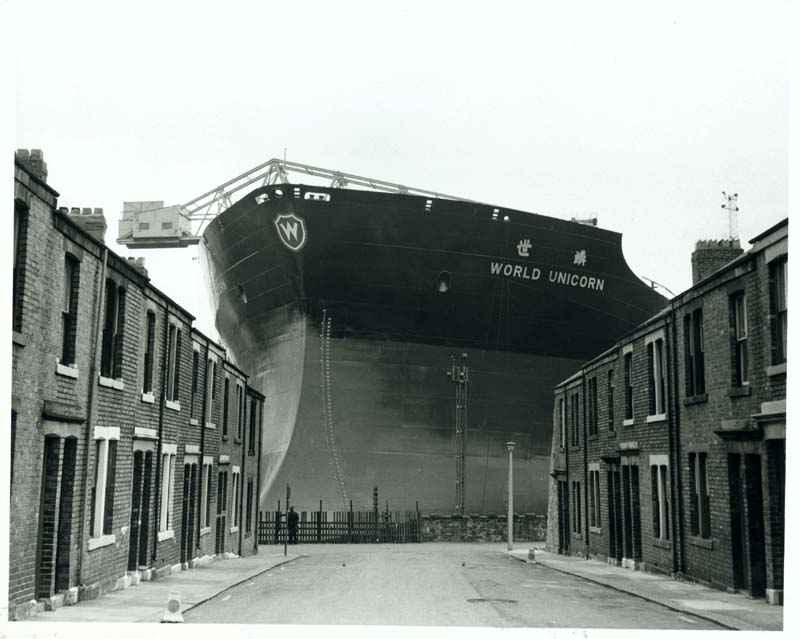
“The Last Ship” represents one of Sting’s most personal and ambitious theatrical projects, drawing directly from his childhood experiences growing up in the shipbuilding community of Wallsend, near Newcastle, England. The musical, which originally premiered in 2014, tells the story of a community fighting to save their shipyard and, by extension, their way of life. The production’s return to London’s West End this fall comes after previous runs that included both critical acclaim and commercial challenges, reflecting the complex nature of translating deeply personal stories to the stage. The musical features songs that Sting wrote specifically for the production, alongside adaptations of some of his most beloved compositions, creating a unique theatrical experience that bridges his musical legacy with his theatrical ambitions.

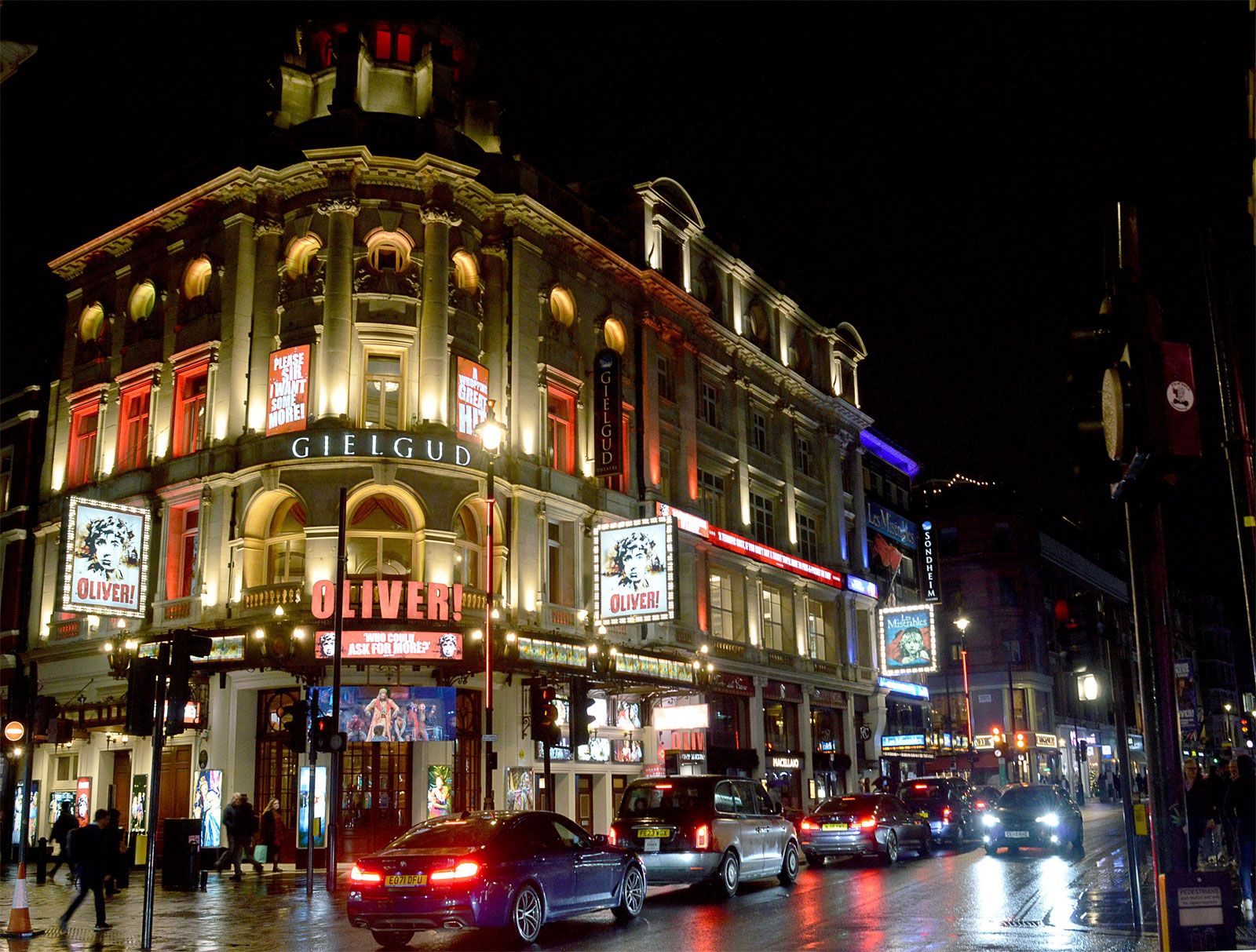
The revival timing couldn’t be more relevant, as communities around the world continue to grapple with economic transitions and the social upheaval that accompanies industrial decline. Sting’s musical explores themes that extend far beyond its specific Newcastle setting, touching on universal experiences of loss, community, and the search for meaning in changing times. The production’s return to the West End represents not just a theatrical revival but a renewed opportunity to explore these themes with audiences who may be experiencing similar societal shifts in their own communities. The musical’s blend of personal narrative and broader social commentary exemplifies how entertainment can serve as a vehicle for examining complex societal issues.
Industrial Themes in Musical Storytelling

The intersection of industrial decline and artistic expression has a rich history in popular culture, from Bruce Springsteen’s explorations of American rust belt communities to British films like “The Full Monty” and “Billy Elliot.” Sting’s contribution to this tradition through “The Last Ship” offers a uniquely personal perspective, drawing from his own experiences growing up in a community defined by its industrial identity. The musical’s exploration of how communities adapt to economic change resonates with audiences across different cultural contexts, from former mining towns in Wales to manufacturing cities in the American Midwest. This universality of theme helps explain why stories about industrial decline continue to find audiences, even as the specific industries and locations change.