
Table of Contents
- The Recipe That Started It All
- What Makes This Potato Salad So Divisive
- Social Media Erupts Over Stewart’s Method
- Martha’s History of Bold Culinary Choices
- Why Celebrity Recipes Matter in Modern Food Culture
The Recipe That Started It All
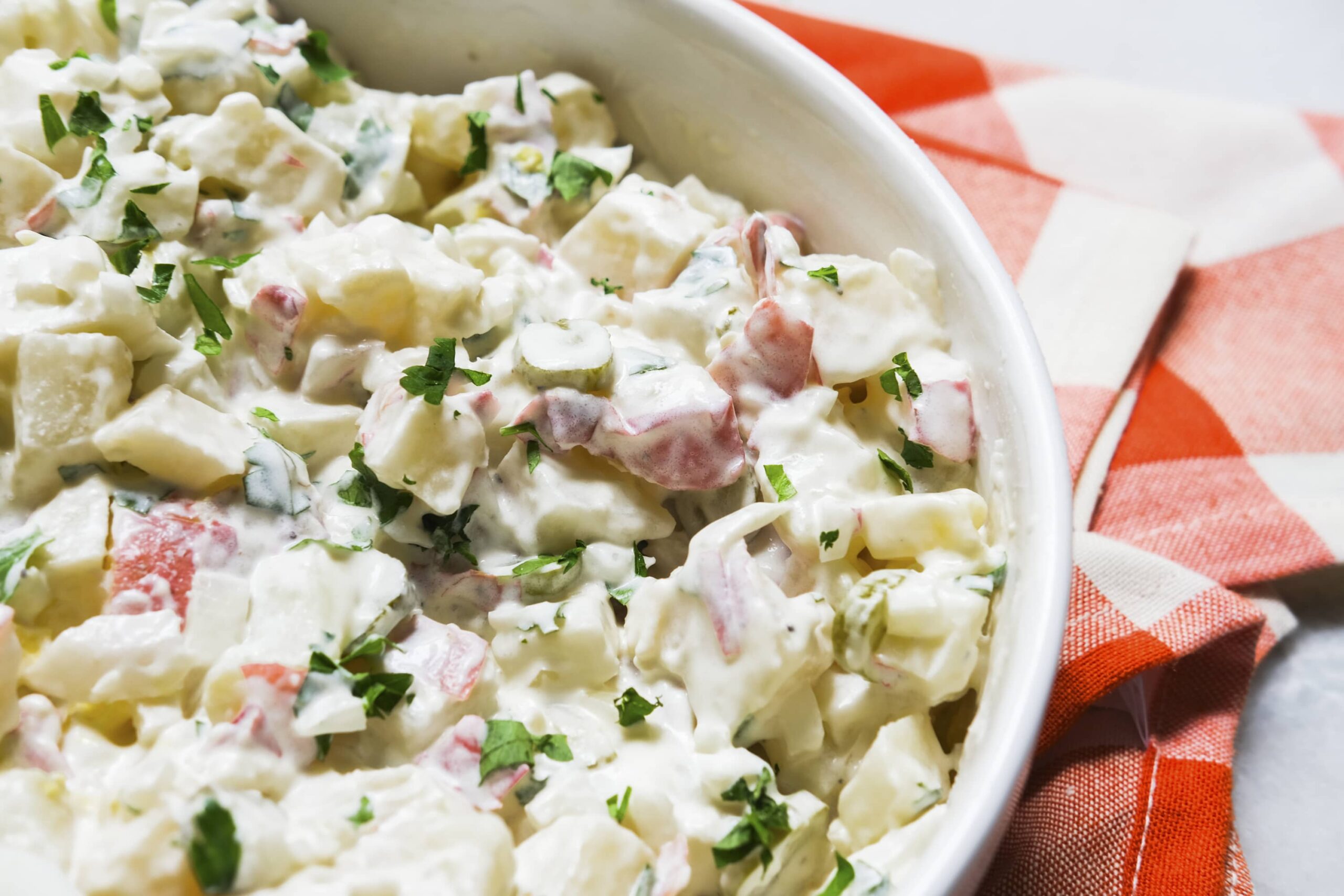
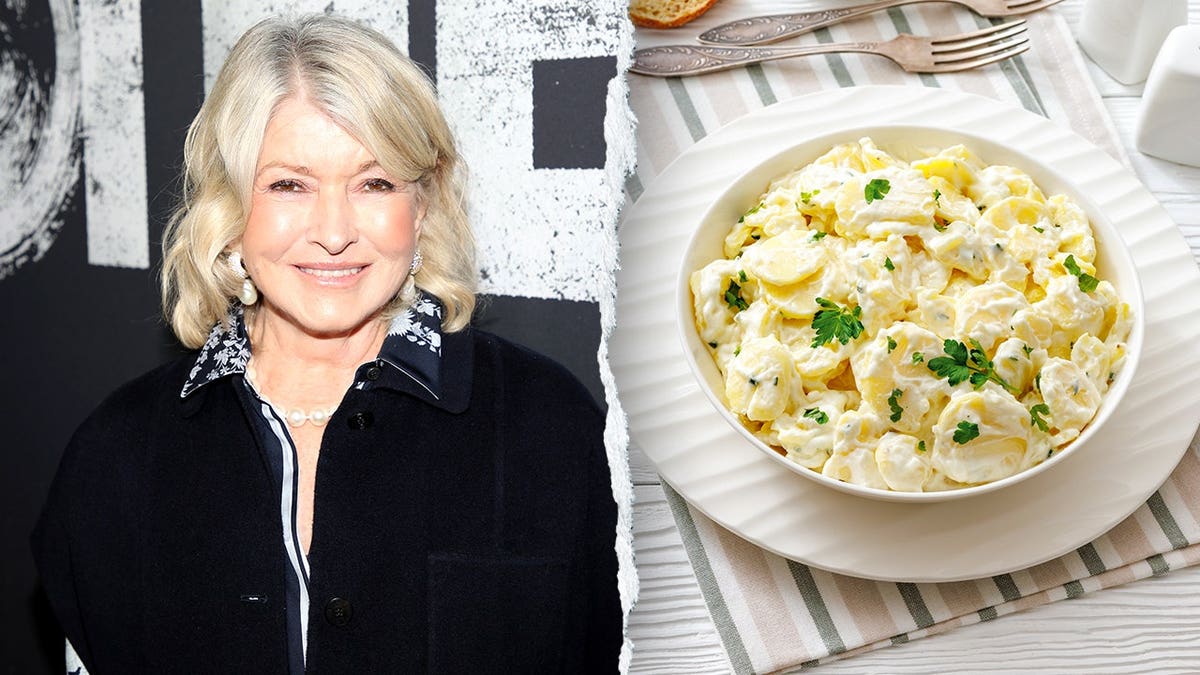
Martha Stewart has built an empire on making the ordinary extraordinary, but her latest culinary offering has proven that even the most seasoned lifestyle guru can stir up unexpected controversy. The 82-year-old domestic goddess recently shared what she considers a “simple” potato salad recipe, only to watch as home cooks across the internet erupted into passionate debate about her unconventional ingredient choices. What started as a straightforward summer side dish demonstration has evolved into a full-blown cultural conversation about tradition, innovation, and the sacred nature of classic American recipes.
The recipe, which Stewart presented with her characteristic confidence and attention to detail, includes several elements that have left traditionalists scratching their heads and progressive cooks eagerly reaching for their shopping lists. While potato salad might seem like an unlikely candidate for controversy, Stewart’s version challenges long-held assumptions about what belongs in this beloved picnic staple. The resulting discourse has revealed just how deeply personal and culturally significant our relationships with comfort foods can be, particularly when a trusted authority figure suggests we reconsider our approach to time-honored recipes.
What Makes This Potato Salad So Divisive
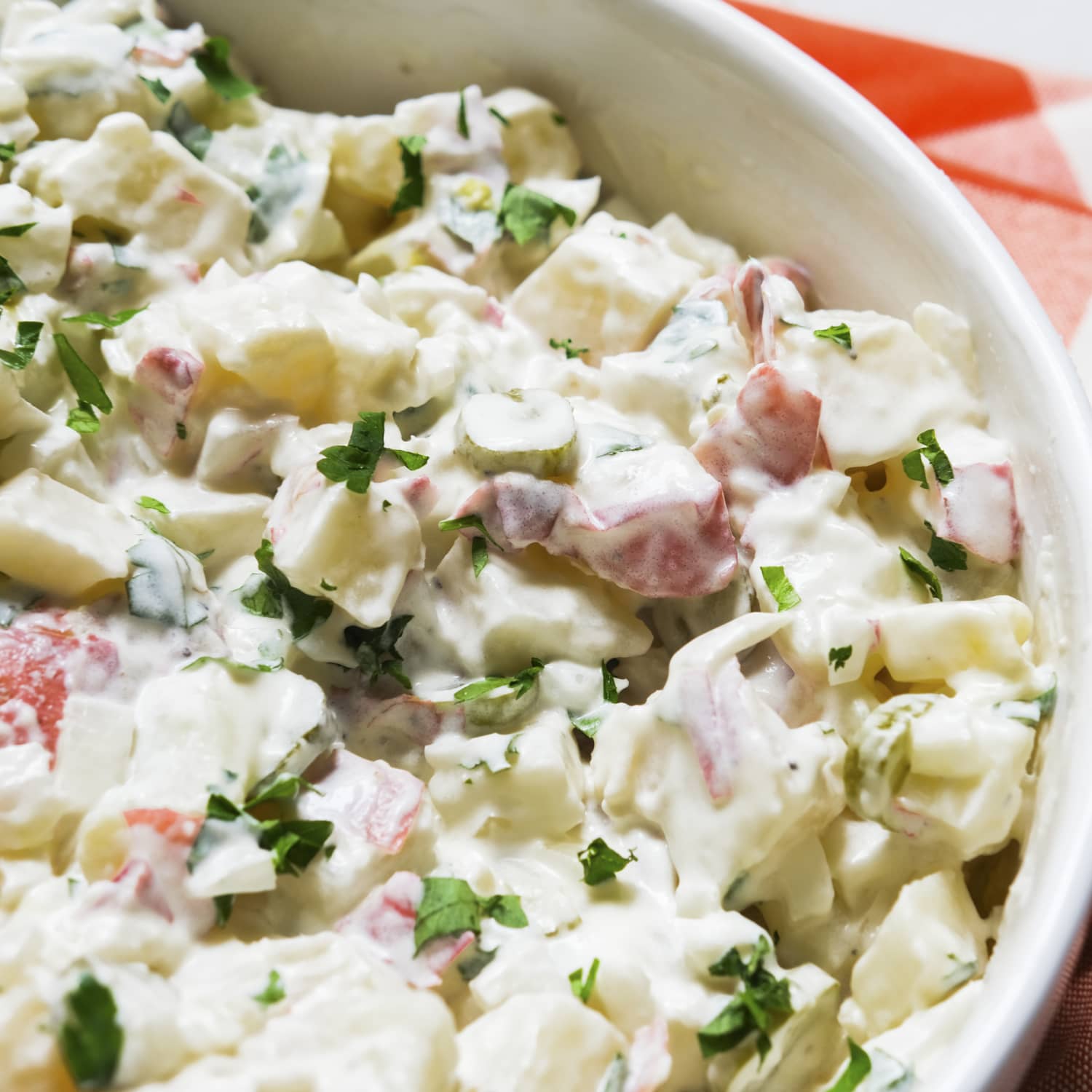
The heart of the controversy lies not in what Stewart included in her potato salad, but rather in how she approached the classic formula that generations of Americans have come to expect. Traditional potato salad typically features a mayonnaise-based dressing, hard-boiled eggs, celery, and perhaps some mustard or pickle relish for tang. Stewart’s interpretation, however, takes several unexpected turns that have purists questioning whether her creation can even be called potato salad at all. Her ingredient list reads more like a sophisticated European-inspired dish than the familiar backyard barbecue accompaniment most people know and love.
Among the most polarizing elements in Stewart’s recipe are her choice of potatoes themselves, her dressing technique, and several add-ins that many consider more appropriate for a restaurant menu than a family gathering. Critics argue that her approach overcomplicated what should be a simple, accessible dish, while supporters praise her for elevating a humble side into something more sophisticated and flavorful. The debate has touched on everything from regional preferences to generational differences in cooking styles, with some arguing that Stewart’s version represents culinary evolution while others see it as unnecessary tampering with perfection.
Social Media Erupts Over Stewart’s Method
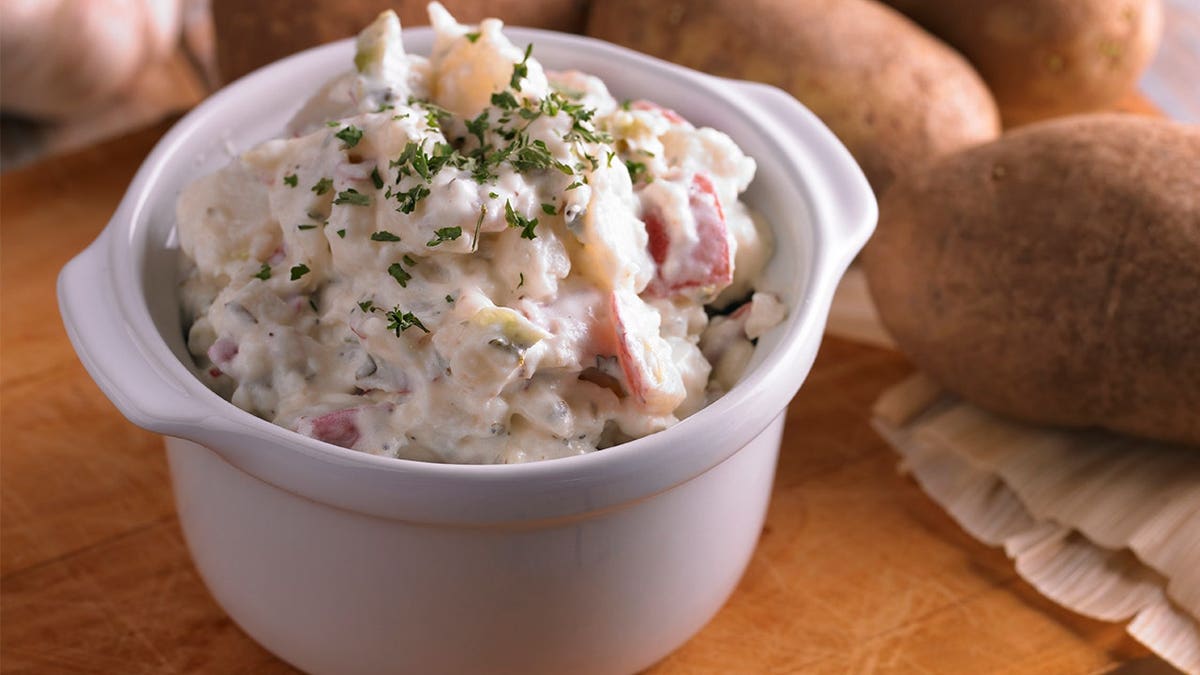
The response on social media platforms has been swift and decidedly mixed, with home cooks falling into distinct camps of enthusiastic supporters and vocal detractors. Food enthusiasts have flooded comment sections with passionate defenses of their preferred potato salad methods, creating an unexpectedly heated dialogue about culinary authenticity and innovation. One commenter summed up the pro-Stewart sentiment by declaring, “I’m going to make this potato salad. It sounds wonderful,” while others have questioned whether the recipe deserves the potato salad name at all.
The controversy has sparked broader conversations about the role of celebrity chefs and lifestyle personalities in shaping home cooking trends. Many followers appreciate Stewart’s willingness to challenge conventional wisdom, viewing her recipe as an opportunity to expand their culinary horizons and impress dinner guests with something unexpected. However, equally vocal critics argue that some recipes are perfect as they are and don’t need the Martha Stewart treatment. The debate has also highlighted interesting cultural and regional differences in potato salad preferences, with Southern, Midwestern, and coastal cooks all weighing in with their own family traditions and non-negotiable ingredients.