
If Boomplay is the streaming platform every African phone comes pre-installed with, Audiomack is the platform every serious Afrobeats artist actively chooses. The free, ad-supported music app has become the de facto distribution layer for an entire generation of African music, with Nigerian, Tanzanian and Ghanaian artists building their early audiences on it before the major streaming platforms or labels arrive. In 2026, Audiomack is one of the most consequential pieces of music tech infrastructure for Afrobeats, and the story of how it got there is worth understanding in detail.
What Audiomack Actually Is
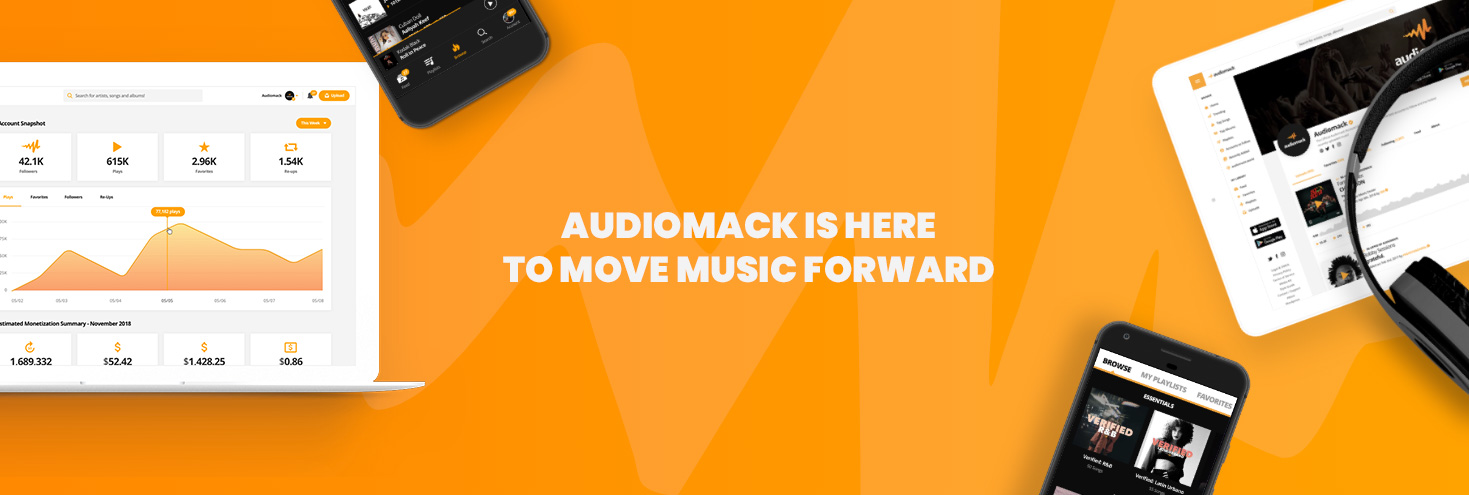
Audiomack is a US-founded music streaming and audio distribution platform that launched in 2012, originally targeting the American hip-hop scene. The platform’s free, ad-supported model and its acceptance of independent artists without label gatekeeping made it particularly attractive to artists who could not get traction on iTunes or Spotify.
What made Audiomack different from the start was its hip-hop and Afrobeats focus, its willingness to host mixtapes and free music alongside official releases, and its accessibility to artists from any country. Where Spotify required label or distributor relationships to upload music, Audiomack allowed any artist to upload directly through their platform.
The combination of features happened to fit African music industry realities almost perfectly. African artists could upload their music for free, reach audiences without a major label, and monetise gradually through the platform’s ad-supported model.
The Afrobeats Adoption Curve
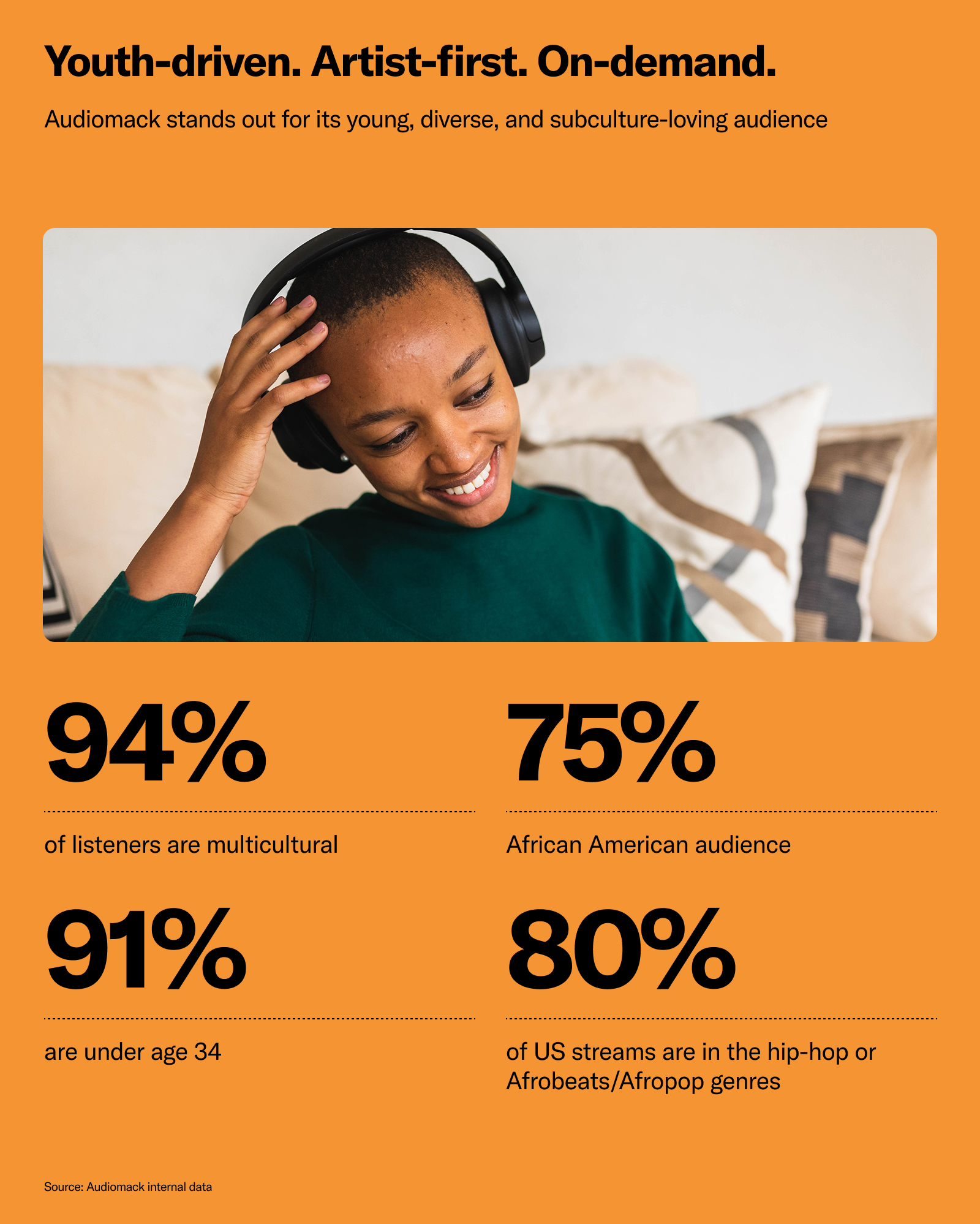
Audiomack’s growth in African markets happened gradually through the mid-2010s and then accelerated dramatically in the early 2020s. The platform became the default upload destination for emerging Afrobeats and Bongo Flava artists who could not afford or did not have access to traditional distribution channels.
By the early 2020s, several major African artists had crossed the 100 million stream threshold on Audiomack. Diamond Platnumz and Harmonize from Tanzania, Burna Boy and Davido from Nigeria, and various others had built substantial Audiomack catalogues. The platform’s African user base grew into the tens of millions.
The cultural significance of the adoption was that Audiomack effectively democratised the African music distribution process. Artists no longer needed a Lagos record label or a UK distribution partner to get their music in front of African audiences. They needed an internet connection and a phone.
The Streaming Numbers Story

Audiomack streaming numbers tell a different story than Spotify streaming numbers for African artists. The same artist might have 50 million Spotify streams on a track but 200 million Audiomack streams. The platform’s African user base is denser and more engaged than Spotify’s African user base, particularly for emerging artists.
The streaming numbers matter because they affect everything downstream. Brand partnerships, festival booking fees, label negotiations, and tour ticket sales are all influenced by streaming metrics. An artist with massive Audiomack numbers can negotiate from a stronger position than an artist with only modest Spotify numbers, particularly in African markets.
The audience composition also matters. Audiomack’s African users tend to be younger, more engaged with new releases, and more willing to engage with independent artists. This profile makes Audiomack the better platform for testing new music and building organic audiences.
The Editorial Layer

Audiomack runs editorial playlists and feature programmes that have meaningful influence on which artists break out. The platform’s African editorial team makes weekly decisions about which new releases to feature, which artists to spotlight, and which charts to promote. Those decisions translate into millions of additional streams for the artists chosen.
For independent artists without label backing, the Audiomack editorial team is one of the most important gatekeepers in their career. A feature on a major Audiomack playlist can move an artist from regional obscurity to continental visibility in a few weeks.
The editorial approach also matters because it shapes what music gets surfaced. Audiomack’s editors have historically been more open to genre experimentation, less reliant on label-driven priorities, and more attentive to emerging street pop sub-genres than equivalent Spotify or Apple Music editors. This has compounded the platform’s reputation as the place to discover what is actually happening in African music as opposed to what major labels are pushing.
The Monetisation Model
Audiomack pays artists through advertising revenue rather than primarily through paid subscriptions. The platform’s monetisation rates per stream are generally lower than Spotify premium rates, but the absolute volume of streams can offset this for popular artists.
The platform has built premium subscription tiers, but the bulk of its African user base remains on the free tier. This is a feature, not a bug. The free tier is what makes Audiomack accessible to African listeners whose income realities do not support multiple paid streaming subscriptions.
For artists, the practical implication is that Audiomack revenue is reliable but modest per stream. The compounding effect over millions of streams adds up, but artists who depend entirely on Audiomack income alone usually combine it with touring, brand partnerships, songwriter royalties from other platforms, and other revenue sources.