
Streaming changed the math for African music. For decades, a song made in Lagos or Accra needed radio rotation in London, MTV airtime in New York, and a major-label distribution deal stitched together by gatekeepers who had no commercial reason to bet on West African pop. The path to global ears ran through a handful of programmers, and those programmers almost never said yes. Then the internet flipped the table. Spotify, Apple Music, YouTube Music, Audiomack, and Boomplay let listeners decide what they wanted to hear, and what a critical mass of them wanted - first quietly, then loudly - was Afrobeats. By 2024, Spotify reported the genre’s stream count had grown more than 550 percent since 2017, an expansion curve no other African genre had ever charted on a global service. The story of how it happened is less about a single breakout moment and more about a slow accumulation of bypasses, glitches in the gatekeeping system, and one or two undeniable songs that forced the industry to stop pretending it could ignore what listeners had already decided.
The Pre-Streaming Wall
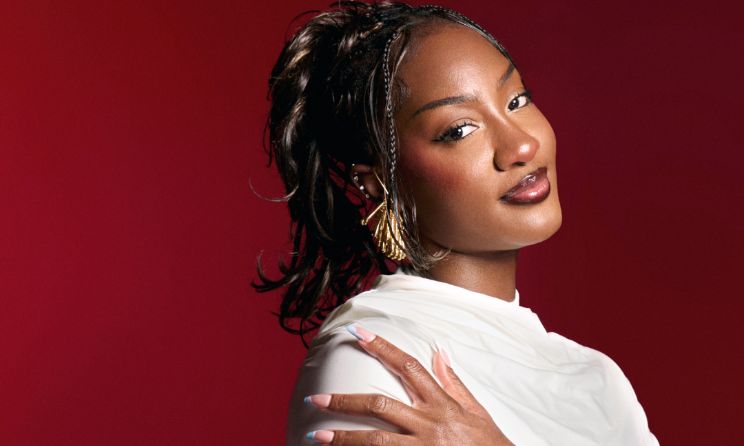
Before streaming, African music had global cult followings without global chart positions. Fela Kuti sold out theatres in Europe and influenced Brian Eno, Talking Heads, and Paul McCartney, yet his catalogue never showed up on the Billboard Hot 100. King Sunny Ade got a major Island Records deal in 1982 and toured America with a 22-piece band, then watched the label drop him when juju music did not crack mainstream rotation. Highlife pioneers like E.T. Mensah and Osibisa had moments in the United Kingdom and the Caribbean, but the distribution infrastructure that sold records to a mass American audience treated African pop as a specialty import.
The pattern repeated for decades. Without radio play in the United States and United Kingdom, without cable music television rotation, and without a major label committed to a marketing push, an African song could be the biggest record in Lagos and remain invisible to a teenager in Atlanta. The audience existed - diaspora communities in London, New York, Houston, and Toronto kept the music alive at parties and on pirate radio - but the official metrics that defined “global success” measured channels Africans did not control.
Why Gatekeepers Said No
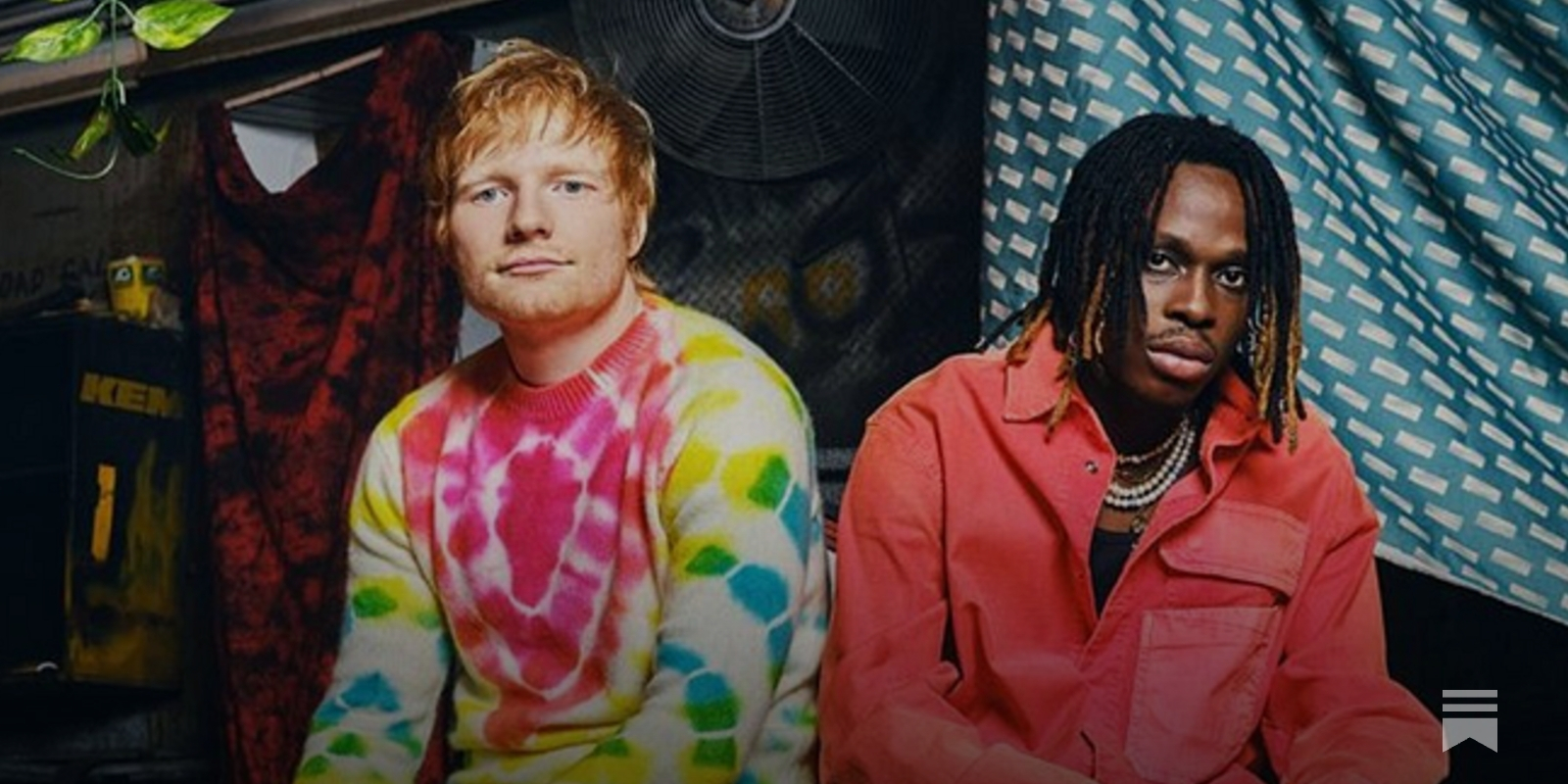
The reasoning was always commercial, never musical. Programmers at terrestrial radio stations argued African accents would not test well. Major labels said the genre lacked the kind of repeat single structure American Top 40 demanded. MTV cited an unfamiliar visual vocabulary. None of these were neutral observations. They were business decisions wrapped in cultural assumptions, and they kept the door closed.
The Drake Detour
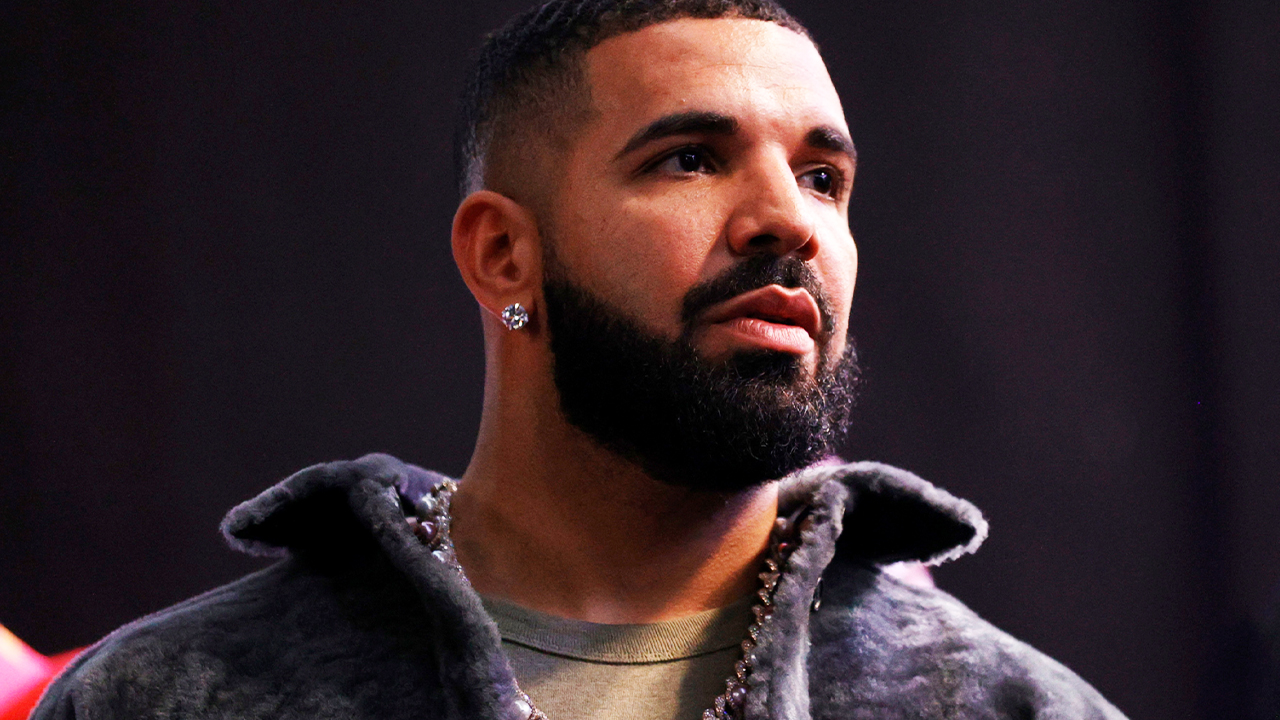
In 2016, Drake released “One Dance” featuring Wizkid and Kyla. The song hit number one on the Billboard Hot 100 and became one of the most-streamed records of the decade. It was, by any honest reading, an Afrobeats-leaning song with the biggest pop star on earth on the hook. It was also, depending on how the question was framed, either a watershed moment for African music or proof that Afrobeats still needed a Western co-sign to count.
Both readings were true. “One Dance” introduced millions of listeners to Wizkid’s voice and to the cadence of West African pop. It also entered the charts as a Drake record, with Drake’s marketing budget, Drake’s playlist priority, and Drake’s name on the cover. The debate over whether “One Dance” counted as Afrobeats reaching number one or as Drake borrowing from Afrobeats foreshadowed every credit fight the genre would have over the next decade.
The Despacito Comparison
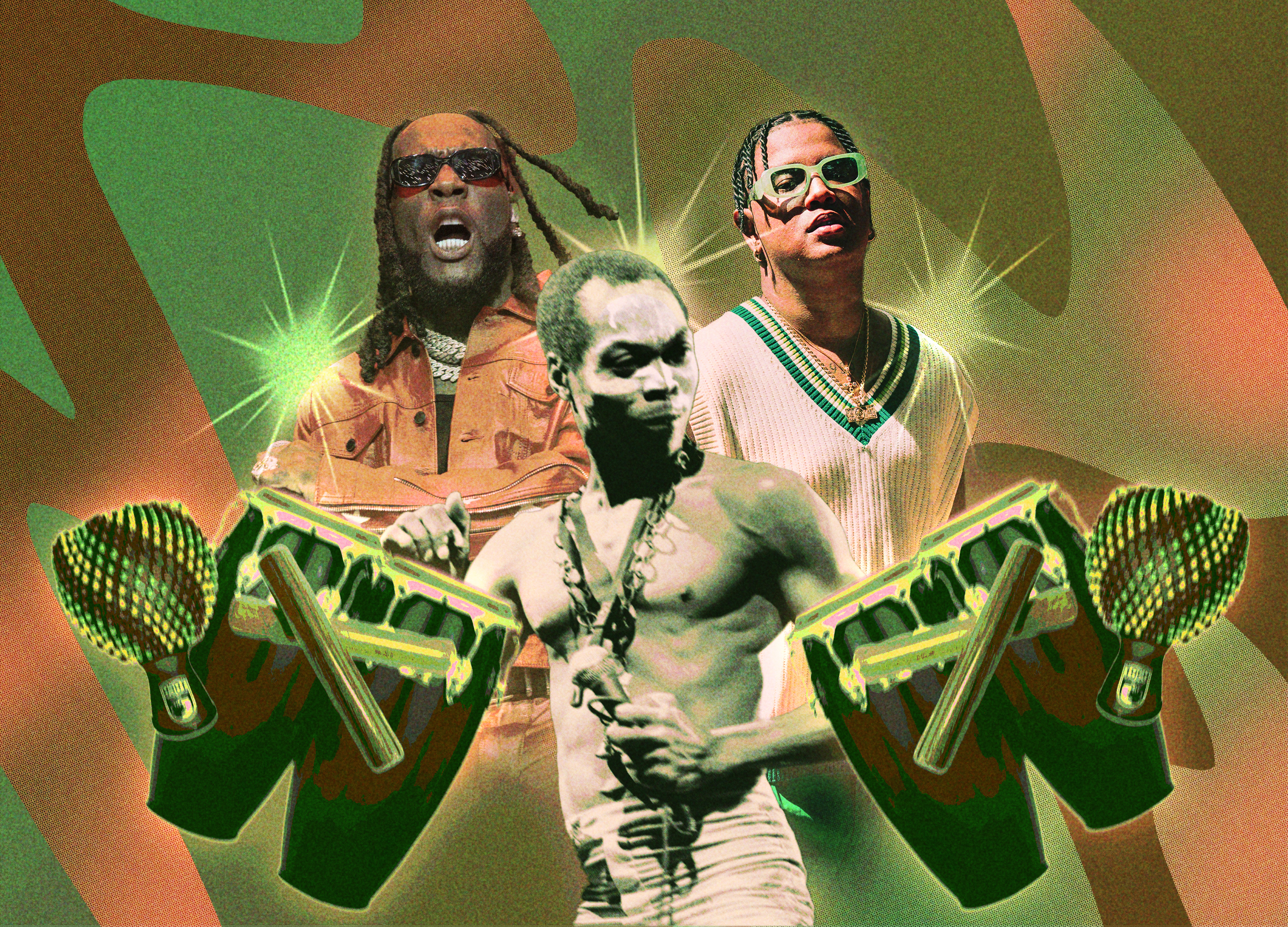
Latin music’s streaming breakthrough offered a useful comparison point. When “Despacito” by Luis Fonsi and Daddy Yankee, with a Justin Bieber remix, dominated 2017, it became the proof of concept that a non-English-language song could ride streaming to a global number one. The pattern that followed - Bad Bunny, J Balvin, Karol G - made Latin pop a permanent fixture on the Spotify global chart.
Afrobeats watched and learned. The infrastructure existed for a similar breakthrough, but the genre was roughly a year and a half behind Latin music in terms of platform investment, playlist real estate, and major-label A&R attention. The Latin breakthrough showed streaming could elevate a regional genre to the global top tier. Afrobeats just needed its own “Despacito moment,” and the candidates were already in the studio.
The Nigerian Streaming Paradox

Through the late 2010s, a strange situation defined how Afrobeats charted globally. Nigerian listeners, the genre’s home base, could not easily participate in the platforms tracking its rise. Spotify did not officially launch in Nigeria until February 2021. Before that, most Nigerian listeners used Audiomack, MTN Music+, Boomplay, or YouTube. The result was a measurable paradox: Afrobeats songs charted on Spotify driven primarily by diaspora listeners in the United Kingdom, the United States, Canada, the Caribbean, and parts of Western Europe, while the genre’s primary audience back home was streaming on different services entirely.
That meant when a Burna Boy or Davido song crossed a streaming milestone, the credit went disproportionately to listeners who had never been to Lagos. It also meant the platforms had badly underestimated demand. When Spotify finally opened in Nigeria in 2021, Nigerian streaming participation jumped overnight, but the global chart positions Afrobeats had already earned were proof the diaspora alone was big enough to move the needle.
The Boomplay and Audiomack Floor
Boomplay, founded in 2015 and headquartered in Lagos, became the dominant African streaming service through the late 2010s. Audiomack carved out a similar niche on the mixtape and rising-artist side. Nigerian artists dominated both platforms long before they appeared on Spotify global playlists, which created a useful asymmetry. By the time Western platforms paid attention, the catalogue, the artist relationships, and the listener habits were already deep.
Essence and the Billboard Hot 100 Door
In 2021, “Essence” by Wizkid featuring Tems became the first Afrobeats song to chart on the Billboard Hot 100 on its own terms. The track, originally released on Wizkid’s “Made in Lagos” album in October 2020, took months to build. The Justin Bieber remix in August 2021 turbocharged it, but the song was already a viral Spotify and TikTok phenomenon by then. It peaked at number nine on the Hot 100, making it the highest-charting Afrobeats song in history at that point and giving Tems a global breakthrough that turned her into one of the most in-demand vocalists of the decade.
“Essence” did something “One Dance” could not. It charted as a Wizkid song. The credit, the streams, the cultural moment all belonged to a Lagos-born artist with a Lagos-born collaborator. The Bieber remix added reach, but the original was already on its way.
Last Last and the Summer of Burna
In May 2022, Burna Boy released “Last Last,” built around a Toni Braxton “He Wasn’t Man Enough” sample. The song became the breakout international hit of his “Love, Damini” campaign, peaked inside the Billboard Hot 100, and dominated summer playlists from London to Lagos. When Billboard launched its US Afrobeats Songs chart in March 2022, “Last Last” took the inaugural number one position, anchoring a chart that was itself the first United States Billboard chart dedicated to an African genre.