Billy Ray Cyrus stands as one of country music’s most enduring and multifaceted figures, a man whose career has spanned multiple decades and reinvented itself across generations. From his explosive debut in the early 1990s with the chart-topping phenomenon “Achy Breaky Heart” to his role as the supportive father on Disney Channel’s “Hannah Montana,” Cyrus has consistently found ways to remain relevant in an ever-changing entertainment landscape. His journey from small-town Kentucky dreamer to international superstar represents both the pinnacle of country music success and the complex realities of maintaining fame across different eras of popular culture.
The veteran entertainer recently made headlines after revealing he “almost died” during a serious health scare, reminding fans of his mortality while simultaneously demonstrating the resilience that has defined his career. This revelation comes at a time when Cyrus continues to balance his own artistic pursuits with his role as patriarch of one of entertainment’s most famous families, including his globally recognized daughter Miley Cyrus. His story encompasses not just personal triumph and struggle, but also the evolution of country music itself, the rise of Disney Channel’s cultural influence, and the unique challenges faced by celebrity families navigating public scrutiny across multiple generations.
Quick Facts / At a Glance
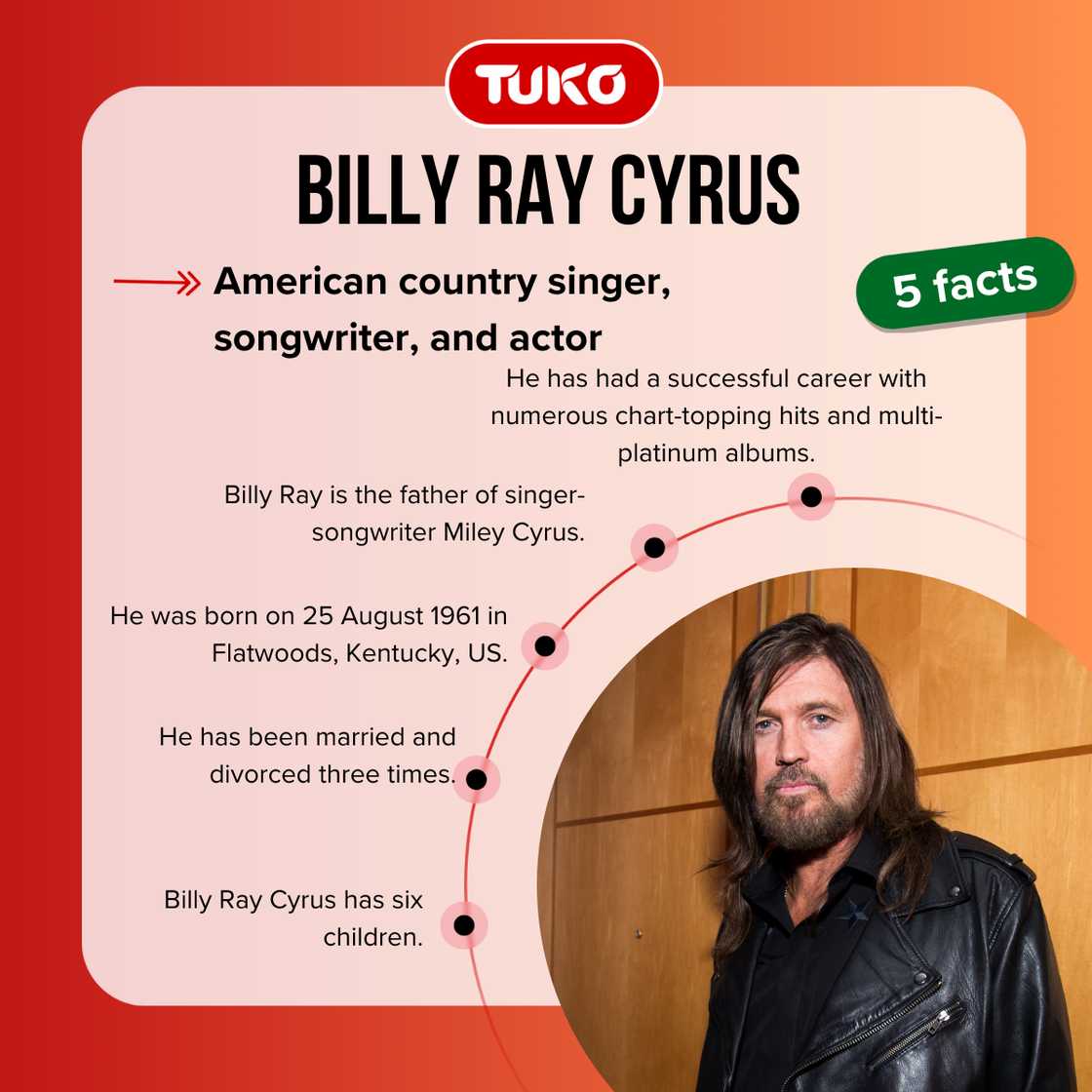
| Full Name | Billy Ray Cyrus |
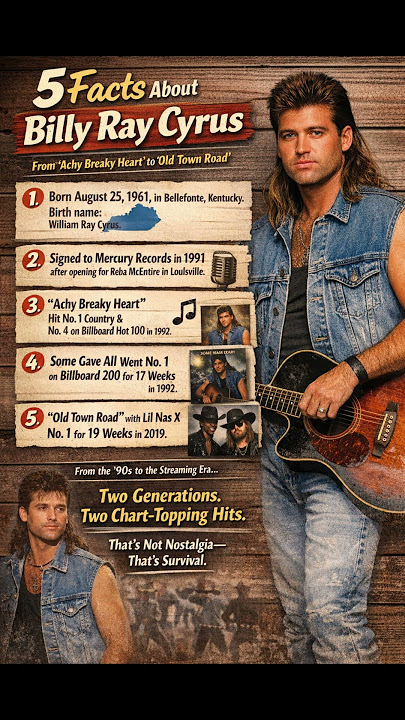
| Date of Birth | August 25, 1961 |
| Place of Birth | Flatwoods, Kentucky, USA |
| Nationality | American |
| Profession | Singer, Songwriter, Actor |
| Known For | “Achy Breaky Heart,” Hannah Montana, Father of Miley Cyrus |
| Net Worth | Estimated at $20 million |
Early Life and Background
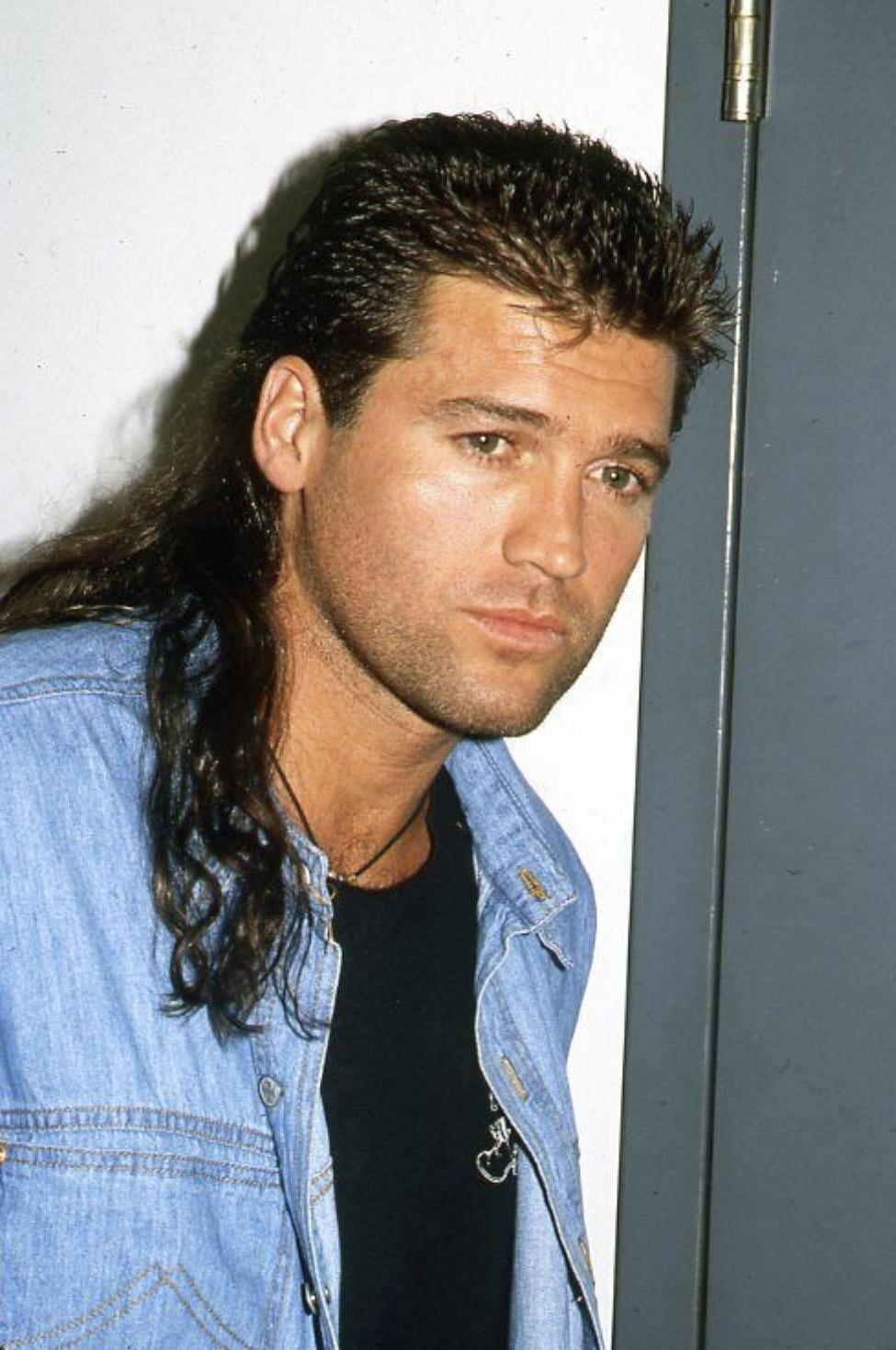
Born William Ray Cyrus in the small town of Flatwoods, Kentucky, Billy Ray entered the world on August 25, 1961, into a family where music was already woven into the fabric of daily life. His father, Ron Cyrus, served as a politician and steelworker, while his grandfather was a Pentecostal preacher who introduced young Billy Ray to the power of performance and the emotional connection between artist and audience. The Cyrus household was one where gospel music, country classics, and the sounds of Appalachian folk traditions created a rich musical environment that would profoundly shape the future star’s artistic sensibilities. Growing up in eastern Kentucky, Billy Ray was surrounded by the authentic country culture that would later inform his music, from the working-class values of his community to the storytelling traditions that defined the region’s musical heritage.
The young Cyrus showed an early aptitude for music, picking up the guitar as a child and demonstrating a natural ability to connect with audiences even in informal settings. His family recognized his talent early on, and he began performing at local churches and community events throughout his childhood and teenage years. The influence of his grandfather’s preaching style can be seen in Billy Ray’s later stage presence, as he learned to command attention and convey emotion through both voice and physical performance. This early exposure to performing in front of crowds would prove invaluable as he developed the confidence and charisma that would later make him a natural fit for both recording studios and television cameras.
Education played a secondary role to music in Billy Ray’s formative years, though he did attend Georgetown College on a baseball scholarship, demonstrating athletic ability alongside his musical talents. However, his heart remained firmly planted in music, and he found himself constantly drawn back to his guitar and songwriting. The rural Kentucky environment provided him with a wealth of material and experiences that would later populate his songs, from the struggles of working-class families to the simple pleasures of small-town life. His upbringing instilled in him both the work ethic that would sustain his lengthy career and the authenticity that would resonate with millions of fans who saw their own experiences reflected in his music.
The cultural landscape of 1970s and early 1980s Kentucky also exposed Billy Ray to the changing dynamics of country music, as traditional sounds began incorporating rock and pop elements. This musical evolution happening around him would later influence his own approach to country music, making him more open to experimentation and cross-genre appeal than some of his more traditional contemporaries. His family’s support for his musical ambitions, combined with the rich cultural heritage of his hometown, created the perfect foundation for what would become one of country music’s most distinctive and commercially successful careers.
Career Beginnings
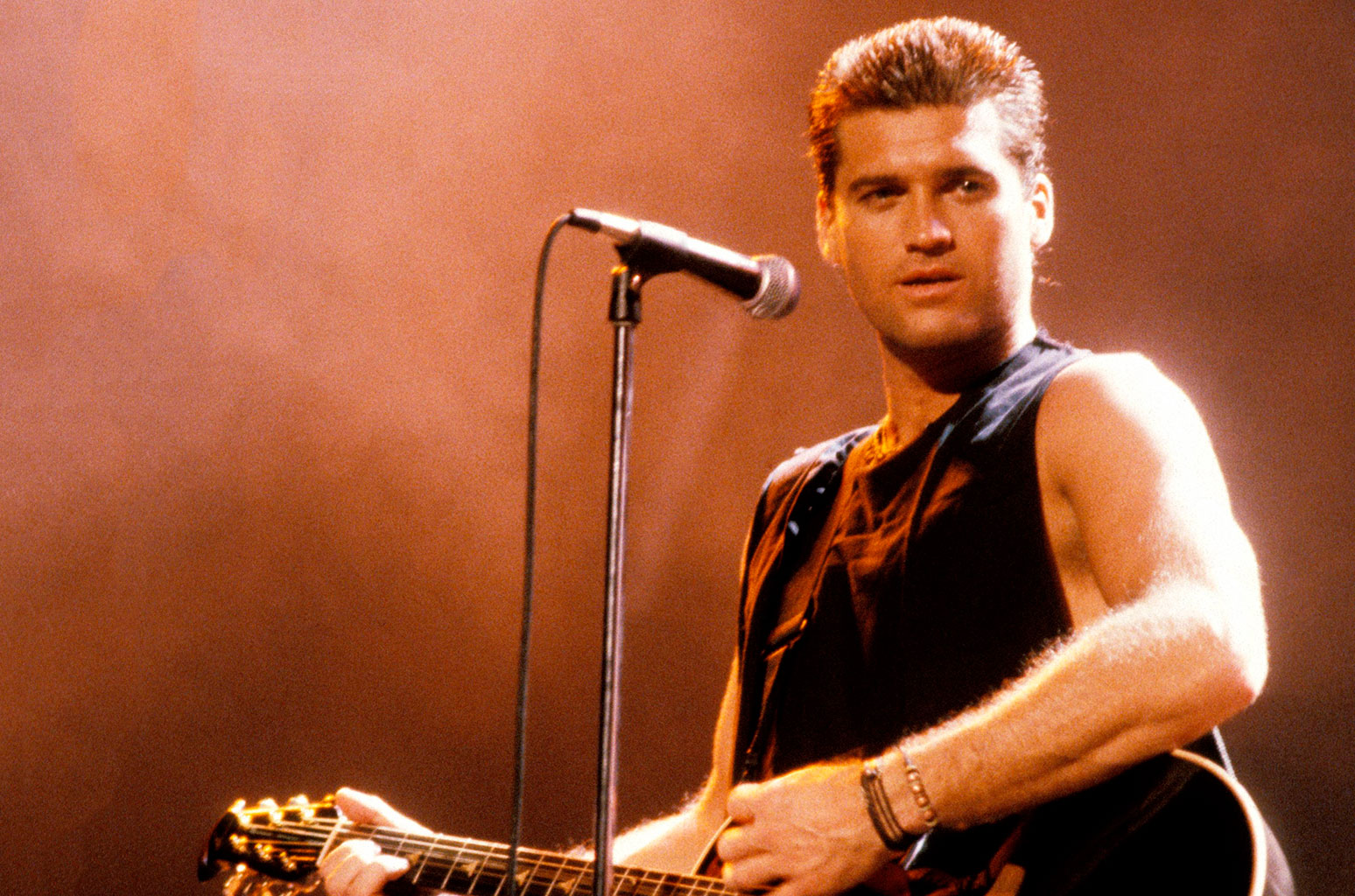
Billy Ray Cyrus’s professional music career began in earnest during the mid-1980s when he made the difficult decision to leave behind the security of conventional employment to pursue his musical dreams full-time. Like countless aspiring country musicians before him, he initially struggled to gain traction in an industry that was notoriously difficult to break into, especially for artists without significant industry connections or financial backing. He formed a band called Sly Dog and began performing at clubs, honky-tonks, and small venues throughout Kentucky and neighboring states, gradually building a reputation as an energetic performer with a distinctive voice and stage presence. These early years were characterized by long nights, modest pay, and the constant challenge of balancing artistic integrity with commercial viability, experiences that would later inform his understanding of the music business and his appreciation for success when it finally arrived.
The late 1980s saw Billy Ray making increasingly serious attempts to attract the attention of record labels and music industry professionals. He began making regular trips to Nashville, the heart of country music, where he would showcase his songs and perform at songwriter nights and industry showcases. During this period, he developed his songwriting skills and began crafting the material that would eventually form the foundation of his breakthrough album. His persistence and natural charisma gradually began to pay dividends, as he started to build relationships with other musicians, songwriters, and industry insiders who recognized his potential. The networking and relationship-building skills he developed during this time would prove crucial not only to his initial success but also to his ability to sustain and reinvent his career over the following decades.
A pivotal moment in Billy Ray’s early career came when he caught the attention of talent scouts and music industry executives who saw something special in his combination of traditional country authenticity and contemporary appeal. His performances were noted for their high energy and his ability to connect with audiences across different demographic groups, suggesting that he might have the crossover potential that record labels were increasingly seeking in the early 1990s. He began working with established songwriters and producers who helped him refine his sound and develop material that would appeal to both country purists and mainstream pop audiences. This collaborative approach to music-making would become a hallmark of his career, as he consistently demonstrated a willingness to work with diverse creative partners to achieve his artistic and commercial goals.
Rise to Fame
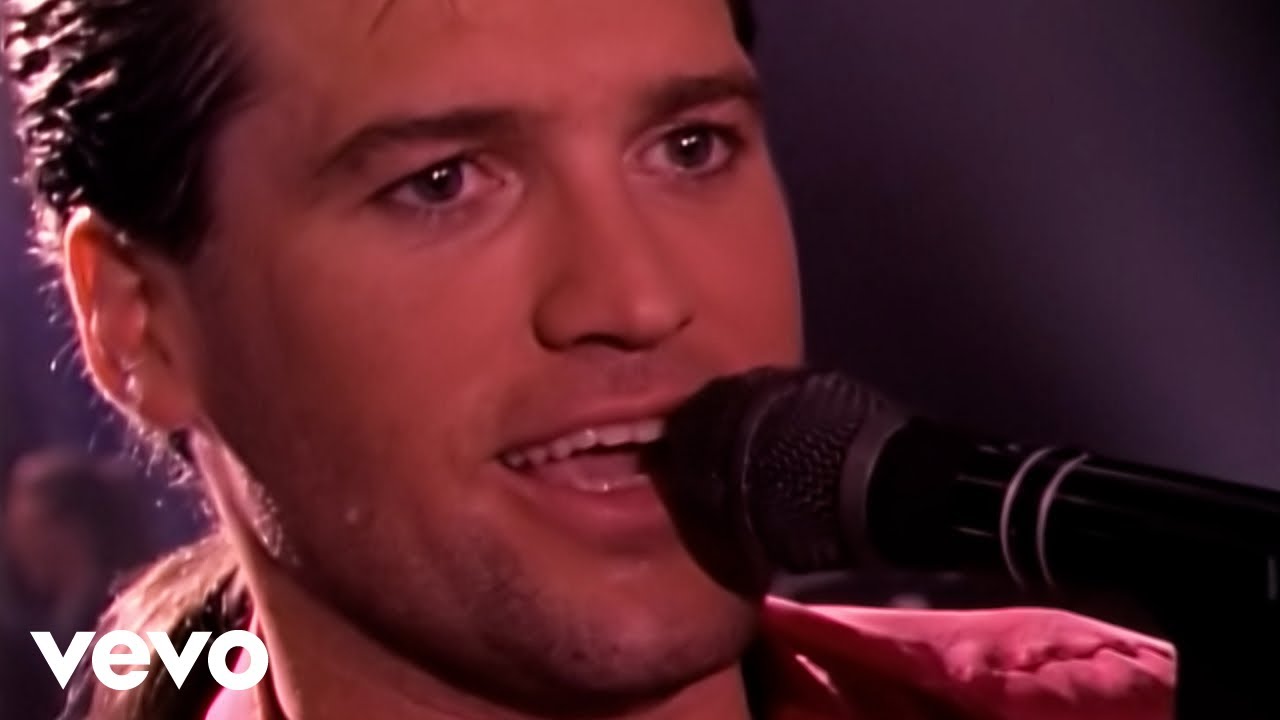
The transformation of Billy Ray Cyrus from struggling regional performer to international superstar occurred with breathtaking speed following the release of “Achy Breaky Heart” in 1992. The song, featured on his debut album “Some Gave All,” became a cultural phenomenon that transcended traditional country music boundaries and established Billy Ray as a household name virtually overnight. What made the song particularly remarkable was not just its catchy melody and memorable lyrics, but also the accompanying music video that showcased Billy Ray’s distinctive mullet hairstyle, leather-clad appearance, and energetic dance moves that would spawn countless imitations and parodies. The track reached number four on the Billboard Hot 100 and topped the country charts, while the album itself spent an unprecedented 17 consecutive weeks at number one on the country albums chart, making it one of the most successful debut country albums in history.
The success of “Achy Breaky Heart” represented more than just a hit song - it marked a significant moment in the evolution of country music’s relationship with mainstream popular culture. Billy Ray’s crossover appeal helped introduce country music to audiences who might never have otherwise listened to the genre, while simultaneously creating controversy within traditional country music circles where some critics viewed his pop sensibilities as a betrayal of country music’s roots. His appearance and style, which incorporated elements of rock and pop presentation into a country music context, sparked debates about authenticity and commercialization that continue to influence discussions about country music today. Despite the criticism from some quarters, his massive commercial success demonstrated the appetite for country music that could appeal to broader audiences, paving the way for future crossover artists.
The period immediately following his breakthrough was characterized by intensive touring, media appearances, and the challenge of following up such massive initial success. Billy Ray proved his staying power by continuing to release successful albums and singles throughout the 1990s, including tracks like “Could’ve Been Me” and “In the Heart of a Woman,” which demonstrated his range as both a performer and recording artist. His concerts became major events, drawing crowds that included both traditional country music fans and new audiences attracted by his mainstream appeal. The financial success of this period was substantial, as album sales, touring revenue, and merchandise created the foundation for his long-term financial security and established him as one of country music’s most bankable stars.
Perhaps most significantly, the fame and platform that “Achy Breaky Heart” provided allowed Billy Ray to establish himself as more than just a one-hit wonder, setting the stage for a multifaceted career that would eventually encompass not just music but also acting, television, and his role as the father and mentor to the next generation of entertainment stars. His ability to maintain relevance and continue evolving his artistic approach, even as musical trends changed around him, demonstrated the solid foundation of talent and work ethic that his early success had been built upon. This breakthrough period established the template for Billy Ray’s career-long ability to reinvent himself while maintaining the authentic connection with audiences that had made him famous in the first place.
Major Career Achievements
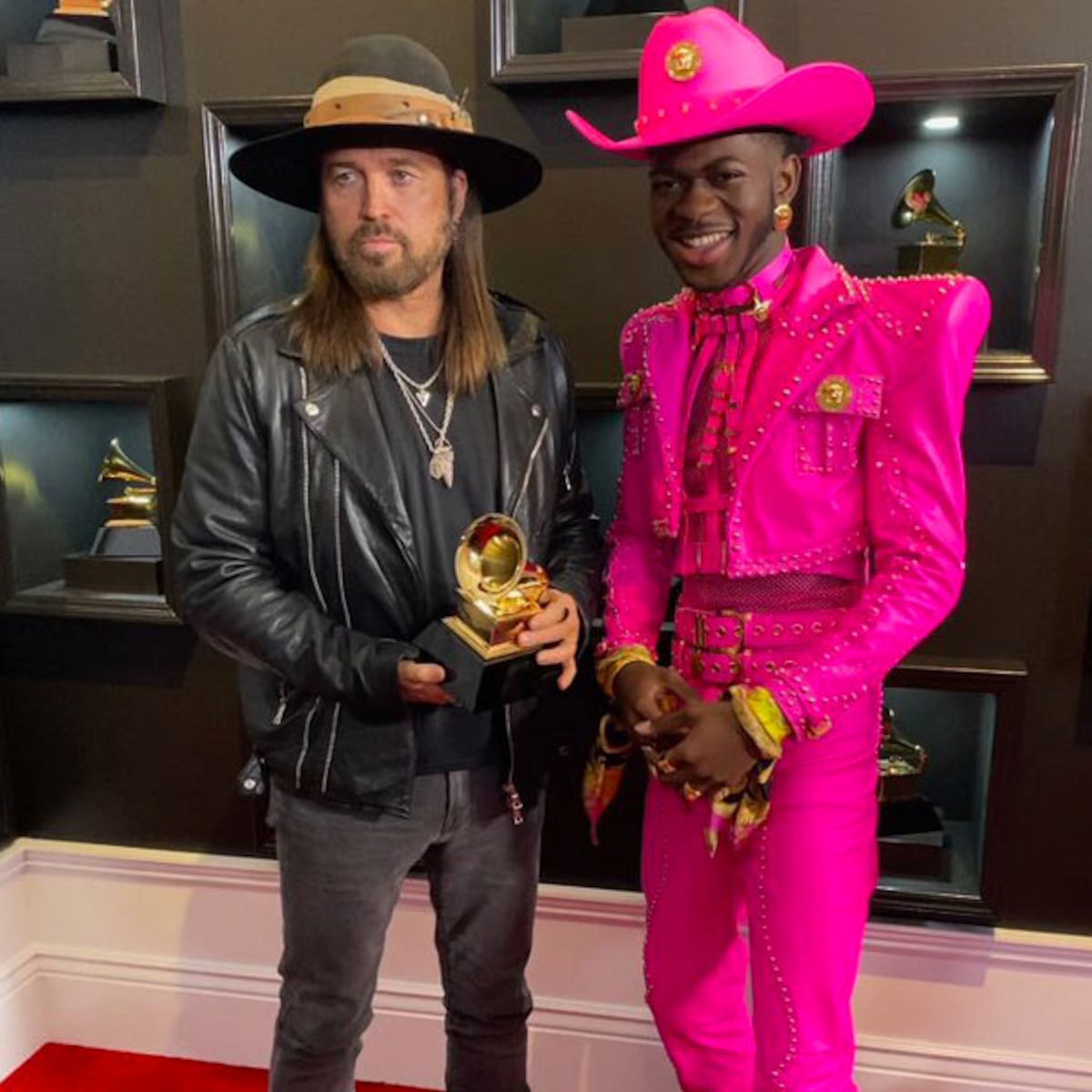
Billy Ray Cyrus’s career achievements span multiple decades and entertainment mediums, with accolades that reflect both his musical impact and television success. His debut album “Some Gave All” achieved remarkable commercial success, spending 17 weeks at number one on the Billboard 200 chart and becoming the best-selling debut album by a male country artist at the time. The album was certified 9x Multi-Platinum by the Recording Industry Association of America, with global sales reportedly exceeding 20 million copies. “Achy Breaky Heart” itself reached number four on the Billboard Hot 100 and became the first country song to be certified Platinum in Australia, demonstrating Cyrus’s international appeal that transcended traditional country music boundaries.
Throughout his recording career, Cyrus released 16 studio albums and charted more than 35 singles on the Billboard Hot Country Songs chart. His achievements include multiple Top 10 country hits such as “Could’ve Been Me,” “She’s Not Cryin’ Anymore,” and “In the Heart of a Woman.” Beyond commercial success, his work earned critical recognition within the country music industry, including nominations for Grammy Awards and wins at various country music ceremonies. His crossover appeal was particularly notable during the early 1990s, when he helped bridge the gap between country and pop audiences, paving the way for future country artists to achieve mainstream success.