Table of Contents
- Starting From Zero: The Reality Check
- Getting Trained: Acting Classes and Programs
- Headshots and Building Your Resume
- Mastering the Self-Tape Audition
- Audition Techniques That Book Roles
- Finding an Agent or Manager
- Union vs. Non-Union: Understanding SAG-AFTRA
- Dealing With Rejection
- Realistic Timeline Expectations
- Key Takeaways
- Frequently Asked Questions
Starting From Zero: The Reality Check
If you want to learn how to become an actor with no experience, the first thing to understand is that you are not alone - and you are not behind. Harrison Ford was a carpenter until he was cast as Han Solo at age 33. Viola Davis grew up in poverty in Central Falls, Rhode Island, and did not book her first film role until she was 31. Danny Trejo spent 11 years in prison before becoming one of Hollywood’s most recognizable character actors in his mid-40s. There is no “right” age, background, or starting point for an acting career.
The second thing to understand is that this is a marathon, not a sprint. The average working actor spends 3 to 7 years building skills, credits, and connections before earning a sustainable income from acting alone. During that time, you will need a flexible day job, a thick skin, and genuine passion for the craft. If you are in this only for fame, the rejection rate - over 95% of auditions do not result in a callback - will break you quickly. If you love the work itself, every audition is an opportunity to perform.
The good news: the entertainment industry is larger and more accessible than at any point in history. Streaming platforms like Netflix, Amazon, Hulu, Apple TV+, Max, and Peacock are producing thousands of original series and films annually. Independent productions, web series, commercials, voice-over work, and corporate video all create opportunities that did not exist 20 years ago. Learning how to become an actor with no experience today is more achievable than ever - if you approach it strategically.
Getting Trained: Acting Classes and Programs
Talent matters, but training is what separates hobbyists from professionals. Even naturally gifted actors need formal training to develop technique, stamina, and versatility. Here are your primary training options.
Acting Classes and Workshops
Weekly acting classes are the foundation. Look for scene study classes where you perform prepared scenes with a partner, receive feedback from the instructor, and watch other students work. Classes typically cost $200 to $500 per month and meet once or twice weekly for 2-3 hours. In Los Angeles, respected studios include The Groundlings (comedy and improv), Lesly Kahn & Company (audition technique), and Margie Haber Studio (on-camera work). In New York, the Atlantic Theater Company, HB Studio, and the Barrow Group are excellent choices.
If you do not live in LA or New York, search for local acting studios, community theater programs, and university extension courses. Many established coaches now offer online classes as well - a lasting positive shift from the pandemic era. Look for instructors who are working actors or have direct industry connections, not just academic credentials.
Improv Training
Improvisation training is valuable for every actor, not just comedians. Improv teaches you to listen actively, react truthfully in the moment, make bold choices, and stay present - all skills that directly improve scripted performance. Take at least one level of improv (most schools offer 4-6 progressive levels). Second City (Chicago and LA), Upright Citizens Brigade, and The Groundlings are the most respected improv programs in the country.

Formal Training Programs
If you want comprehensive training, consider a conservatory program or a BFA/MFA in acting. Top undergraduate programs include Juilliard, Carnegie Mellon, NYU Tisch, USC, and the University of Michigan. Top MFA programs include Yale School of Drama, NYU Graduate Acting, and the American Conservatory Theater. These programs are highly competitive - Juilliard accepts roughly 18 students per year from thousands of applicants - but graduates emerge with exceptional training and strong industry connections.
A four-year degree is not required to be a successful actor. Many A-list actors never attended formal programs. But structured training accelerates your development and provides a community of peers who will become your collaborators and support network throughout your career.
Headshots and Building Your Resume
Getting Professional Headshots
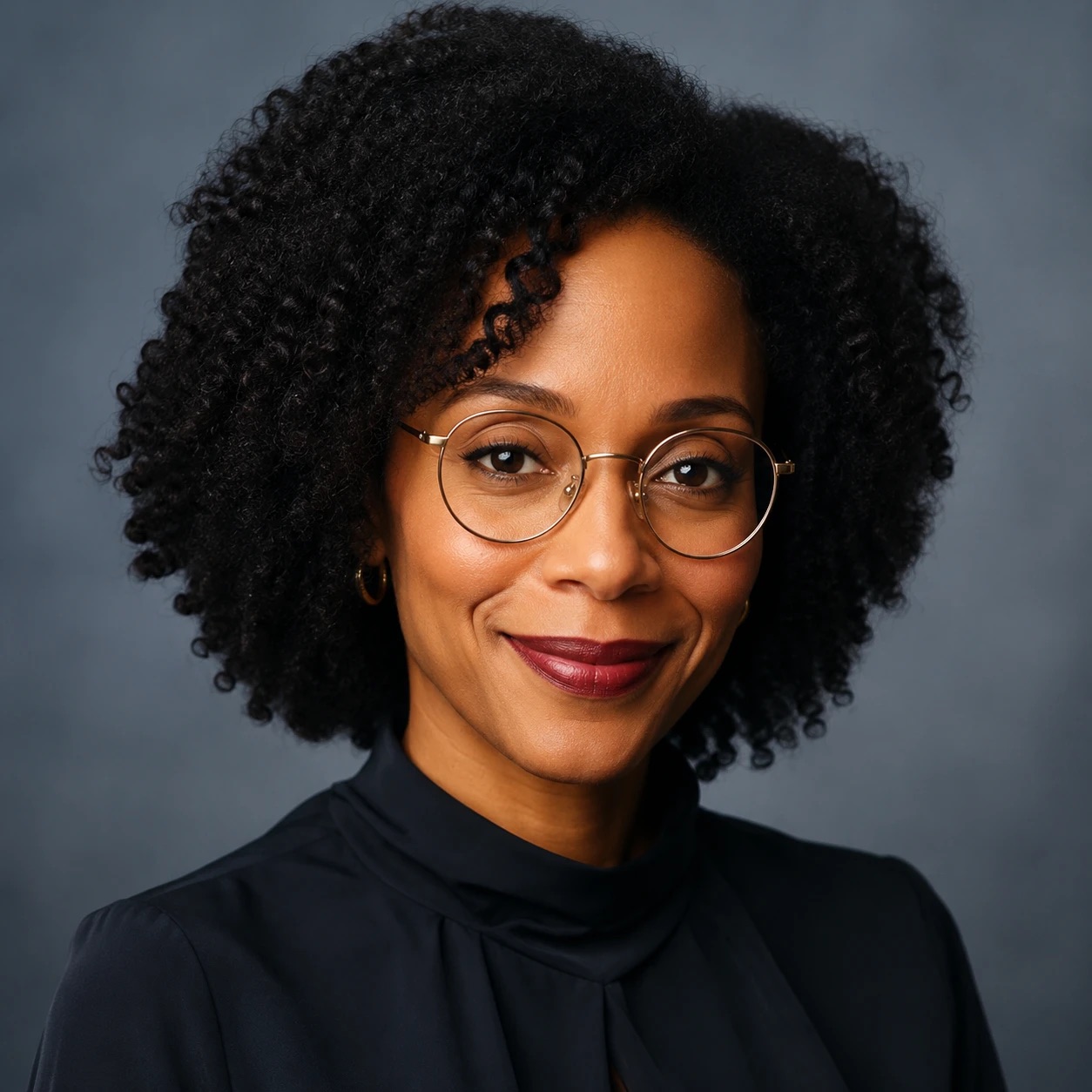
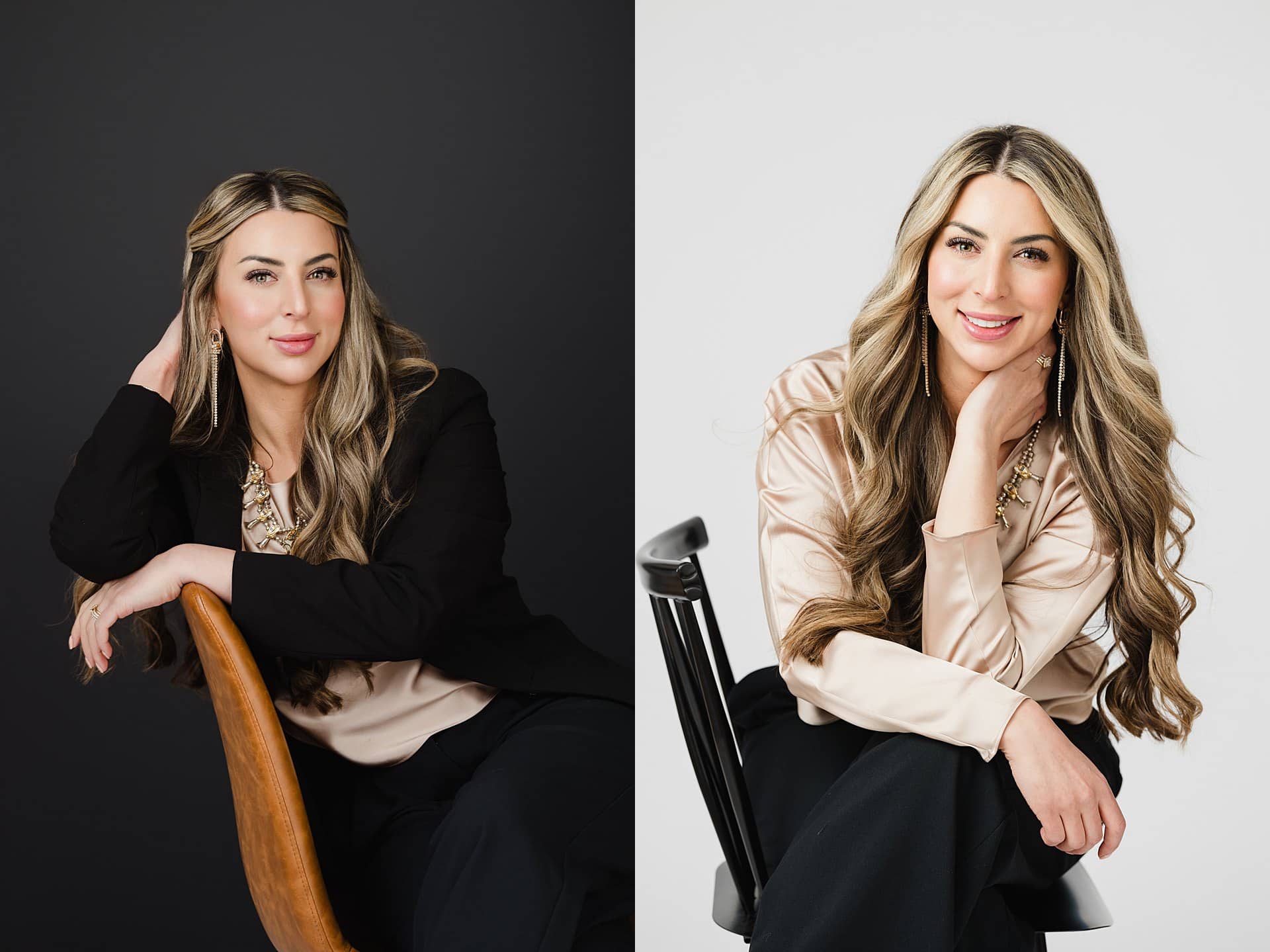
Your headshot is your business card. It is the first thing casting directors see, and a bad headshot will eliminate you before you are ever considered. Invest in a professional headshot session with a photographer who specializes in actor headshots - not a portrait photographer, not a friend with a nice camera.
Professional headshot sessions cost $300 to $800 in most cities, and $400 to $1,200 in Los Angeles and New York. You will typically get 2-3 different looks (varying outfits and backgrounds) and receive 50-100 retouched digital images. Choose a photographer by reviewing their portfolio and asking other actors for recommendations. Your headshot should look exactly like you on a good day - not overly retouched, not from an unusual angle, not ten years younger. Casting directors who call you in based on a misleading headshot will be annoyed when you walk through the door looking different.
Update your headshots every 1-2 years, or immediately if your appearance changes significantly (new hairstyle, major weight change, aging).
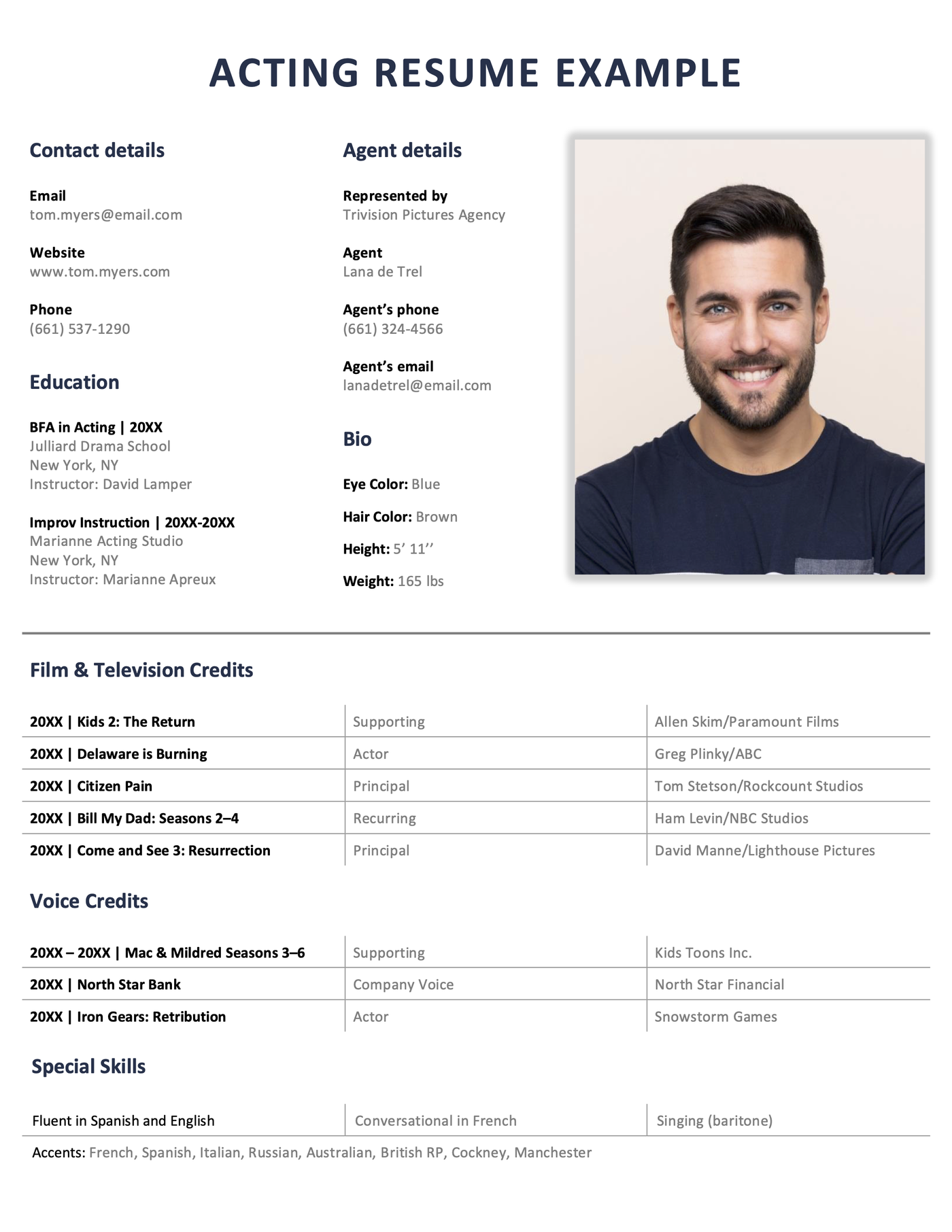
Building Your Resume From Nothing
Every working actor started with an empty resume. Here is how to fill it. Start with community theater - these productions are open to all experience levels and give you stage credits, performance experience, and a community of fellow actors. Join your local community theater company and audition for everything.
Student films are goldmines for new actors. Film students at universities need actors for their thesis projects and short films. The work is usually unpaid but you get footage for your demo reel, on-camera experience, and credits for your resume. Search “student film casting” on Backstage, Actors Access, and local Facebook groups.
Background (extra) work puts you on professional film and TV sets and lets you observe the process. It does not count as a real acting credit on your resume, but it pays ($182/day for union background work, $100-$150/day for non-union) and familiarizes you with set etiquette, terminology, and workflow. Central Casting is the primary company for background work in Los Angeles.
Mastering the Self-Tape Audition
The self-tape audition has become the dominant audition format in the post-2020 entertainment industry. Roughly 80% of initial auditions are now conducted via self-tape - you record yourself performing the audition sides (scenes) at home and submit the video digitally. Mastering this format is essential for anyone learning how to become an actor with no experience.
Your self-tape setup does not need to be expensive, but it must be professional. Here is what you need: a smartphone or camera that shoots 1080p or higher (any phone from the last 5 years works), a solid-colored backdrop (medium blue or light gray are industry preferences - a $25 fabric backdrop from Amazon works perfectly), two soft light sources (ring lights at $30-$50 each or desk lamps with daylight bulbs), and a tripod or phone mount ($20-$30).
Frame yourself from the chest up in a medium close-up. Your eyeline should be just off-camera, near the lens - not directly into it. This means your reader (the person reading the other character’s lines) should stand right next to the camera. Keep the background clean and distraction-free. Record in landscape orientation, never portrait.
Slate at the beginning: state your name, the role you are reading for, and your height. Then pause, take a breath, and begin the scene. Do not over-produce your tape - casting directors do not want fancy editing or background music. They want to see your performance, clearly and without distraction. Record 2-3 takes and submit your best one. If the casting notice asks for two takes with different choices, provide exactly that.
Audition Techniques That Book Roles
Whether in person or on tape, audition technique is a learnable skill. Here are the practices that separate actors who book from actors who do not.
Preparation is everything. When you receive sides, read them at least 20-30 times. Do not memorize them mechanically - internalize the story, the relationship, and your character’s objective in the scene. What does your character want from the other person? What is at stake if they do not get it? Make specific, personal choices. “She is angry” is vague. “She has been holding this in for six months and cannot keep pretending everything is fine for one more second” is specific and playable.
Make strong choices. Casting directors see 50-200 actors for every role. The ones who book are not always the “best” - they are the ones who made an interesting, committed, and specific choice. It is better to make a bold choice that does not quite work than a safe, forgettable one. You can always be redirected, but you cannot be remembered if you are bland.
Listen during the scene. Many inexperienced actors are so focused on delivering their lines that they stop listening to their scene partner. Real acting happens between the lines - in the moments of listening, processing, and reacting. A casting director watching your self-tape can tell instantly whether you are truly hearing the other person or simply waiting for your cue to speak.