Nigerian Celebrities Who Launched International Fashion Lines: From Deola Sagoe to Today
Lifestyle

Nigerian Celebrities Who Launched International Fashion Lines: From Deola Sagoe to Today

Arianne ColeArianne Cole··10 min read
Advertisement

Walk into any conversation about Nigerian celebrity fashion lines and you quickly notice a slippage in language. People use the phrase “celebrity fashion line” to mean two very different things. They mean designers who built ateliers, paid rent on showrooms, and learned to drape muslin until those labels became famous enough to make the designers themselves household names. They also mean musicians, actors, and reality stars who slapped their name on a clothing brand after the fame already arrived. Both stories are real. Both run through Lagos. But they unfolded on different timelines, and the older one – the one that starts with a designer named Deola Sagoe in 1989 – is far richer than the marketing copy usually admits.

This is the honest version of how Nigerian fashion went international. It is two stories braided together, and pretending it is one tidy narrative does a disservice to the work.

The Designer-First Generation
Nigerian Celebrities Who Launched International - The Designer-First Generation

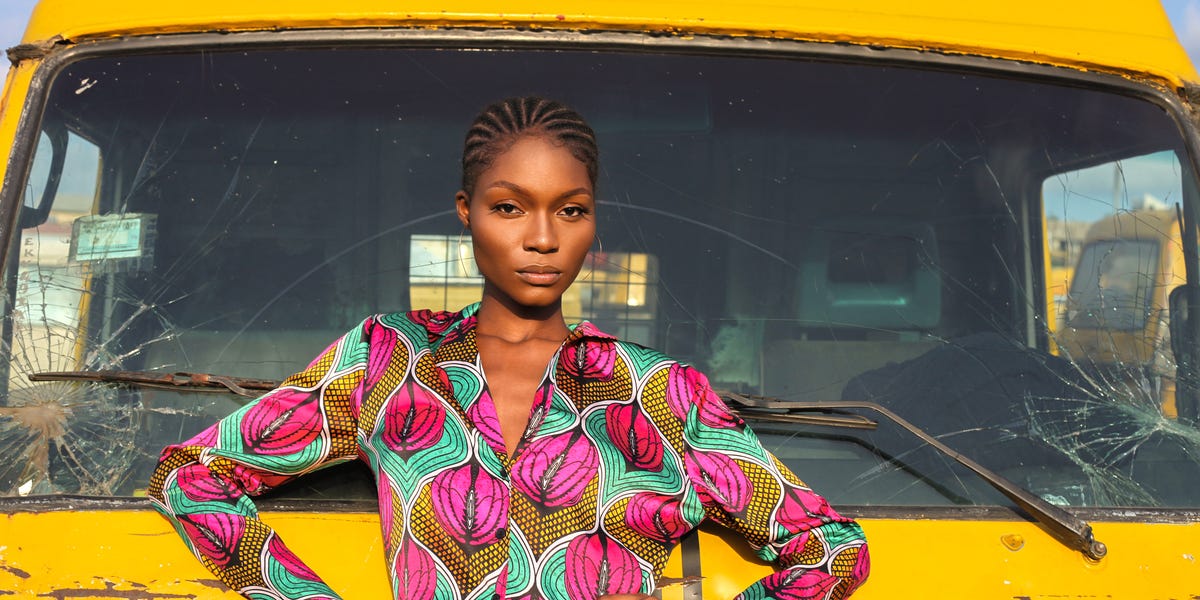
Before any Afrobeats star thought about a clothing label, Nigerian designers were doing the hard, unglamorous work of building international fashion houses from Lagos. Deola Sagoe opened her eponymous label in 1989, blending Aso-Oke, Adire, and Akwete with silhouettes that read on a Paris runway as easily as a Lagos engagement party. By the early 2000s, she was the Nigerian designer most consistently invited to show in New York, Milan, and Rome. Her atelier in Ikoyi became the testing ground for the proposition that high fashion sourced and stitched in Nigeria could compete on the calendars of the established fashion weeks.

Folake Coker launched Tiffany Amber in 1998, and for the next decade her ready-to-wear silhouettes – flowing, draped, instantly recognisable – became the template for the Lagos-meets-resort look that international stockists eventually wanted. Tiffany Amber was the first Nigerian brand to show at Mercedes-Benz Fashion Week Swim in Miami, in 2009 and 2010, which sounds like a small footnote until you remember nobody else from the country had pulled it off.

These two women, plus a small circle including Folorunsho Alakija and Mai Atafo on the menswear side, were already celebrities in Nigeria long before the term “Nigerian celebrity fashion line” entered Instagram captions. They were the celebrities. The brand was the body of work.

Deola Sagoe at the International Fashion Weeks
Nigerian Celebrities Who Launched International - Deola Sagoe at the International Fashion Weeks

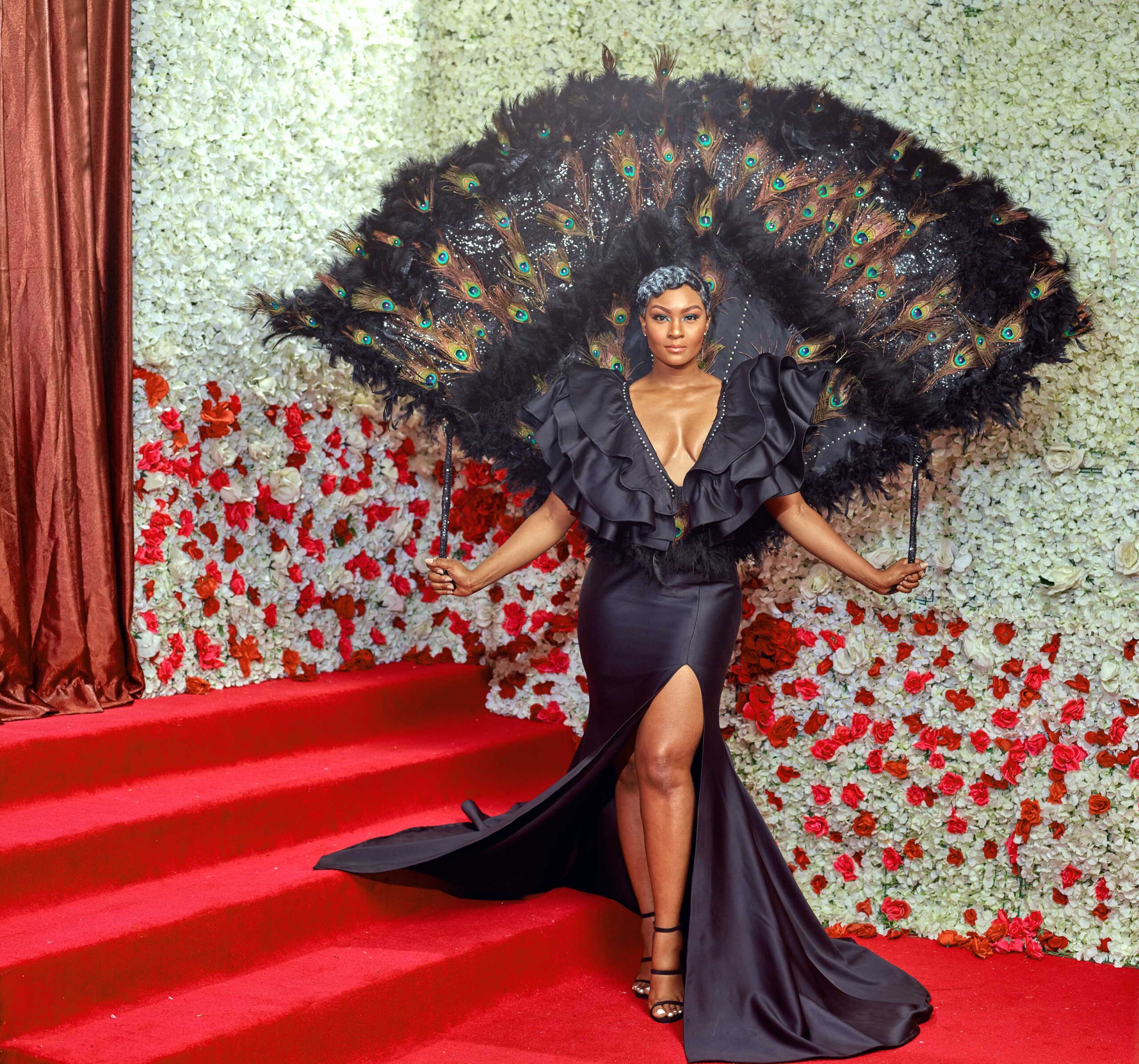
Deola Sagoe’s run of international firsts deserves its own paragraph because it is too often compressed. She showed at New York Fashion Week, took her collections to Milan under the Arise Magazine programme, and presented in Paris through a series of group shows starting in the mid-2000s. The 2009 Arise African Collective at New York Fashion Week, where she shared the runway with designers from across the continent, did more to introduce the international press to Nigerian high fashion than any single brand campaign ever had.

Her daughters Tiffany, Aba, and Ifeanyi Sagoe now run a separate label called Clan, aimed at a younger market. The handoff is one of the cleanest generational transfers in African fashion, and the fact that Clan exists at all – that there is a second-generation Nigerian fashion house – is the kind of milestone an industry hits when it stops being scrappy and starts being durable.

Lisa Folawiyo and the Ankara Reinvention
Nigerian Celebrities Who Launched International - Lisa Folawiyo and the Ankara Reinvention

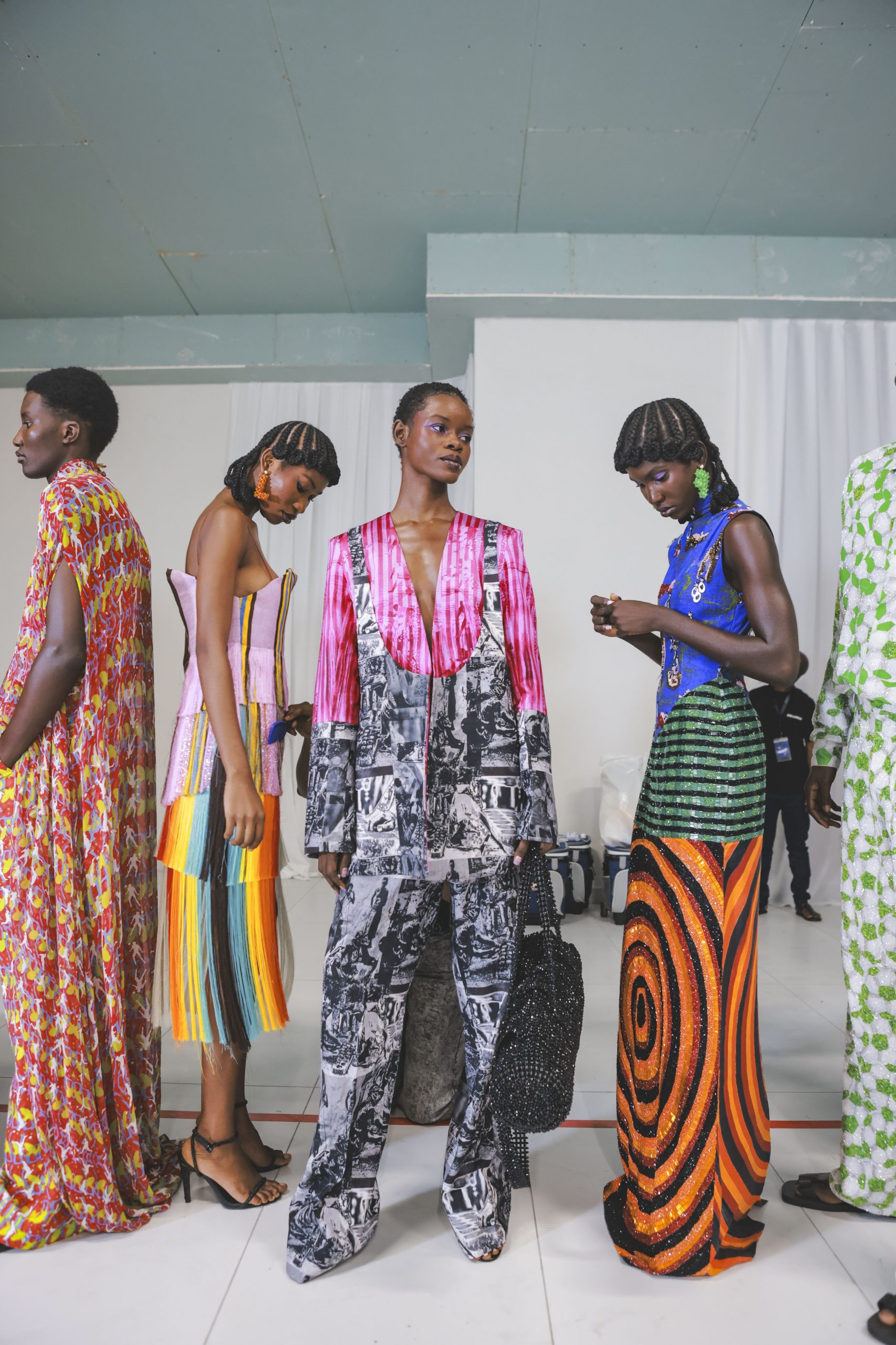
If Deola Sagoe proved Nigerian fashion could reach international runways, Lisa Folawiyo proved it could reach international stockrooms. She founded Jewel by Lisa in 2005 and rebranded it as Lisa Folawiyo a few years later. What she did to Ankara – taking the printed cotton most non-Nigerians had only seen on tourist photos and embellishing it with sequins, beads, and tailored construction – moved the fabric from cultural shorthand to runway material.

By 2014, she was a finalist for the CFDA/Vogue Fashion Fund, which at the time was the most prestigious emerging-designer prize in America. Her work landed on the shelves of Moda Operandi and Anthropologie. Solange Knowles wore the brand. Thandiwe Newton wore the brand. American Vogue ran features. The breakthrough wasn’t just commercial, it was cultural: Ankara stopped being read as costume the moment Lisa Folawiyo’s tailoring made it impossible to dismiss.

Duro Olowu and the Diaspora Pathway
Nigerian Celebrities Who Launched International - Duro Olowu and the Diaspora Pathway

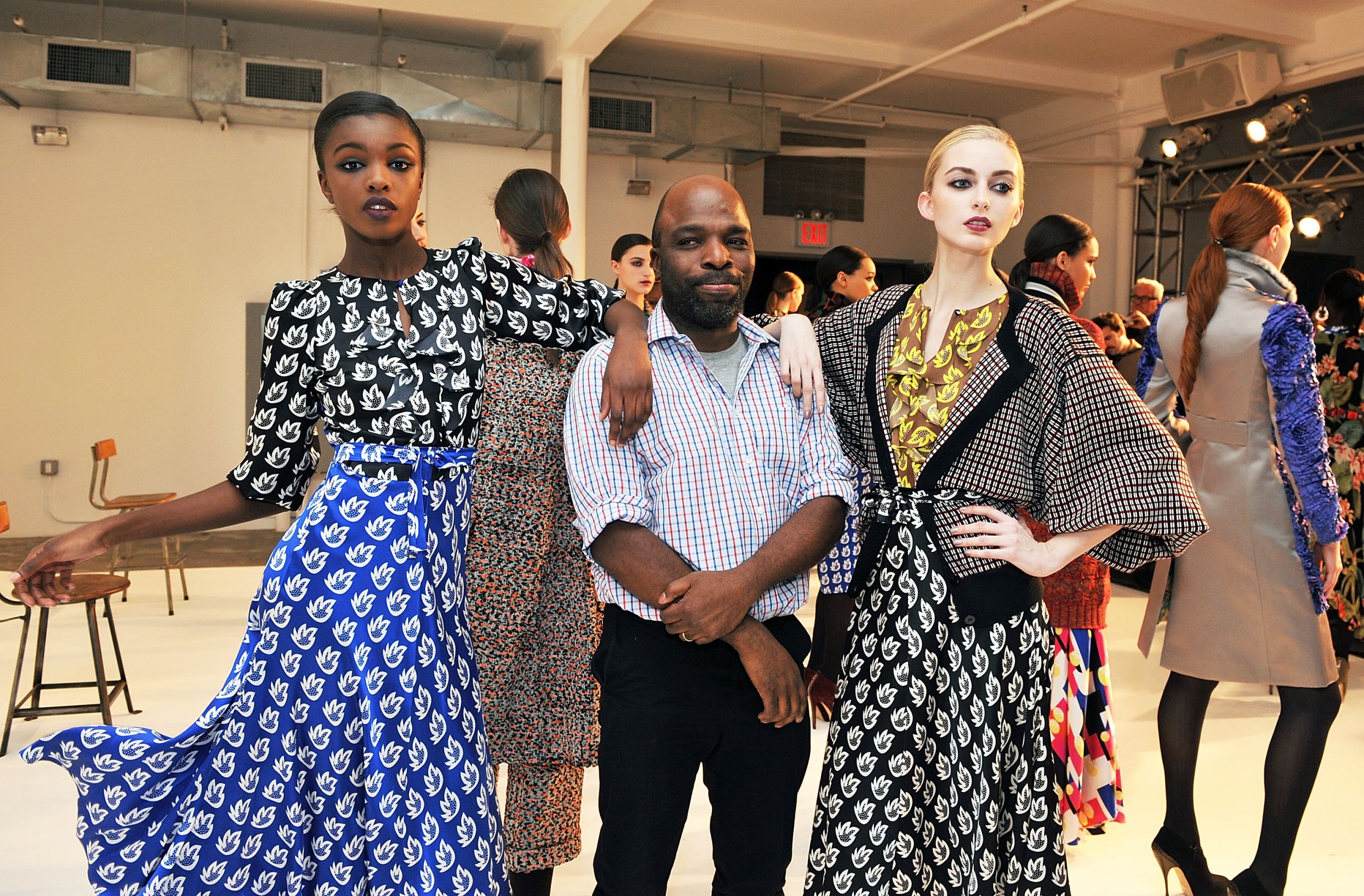
Duro Olowu is the Nigerian designer most American readers know, even if they don’t always know he is Nigerian. He launched his London-based label in 2004, and his patchwork silk dresses – the famous “Duro” dress of 2005 – became one of the most-photographed garments of that year. Michelle Obama wore his designs to a Memorial Day event in 2010 and again at various public appearances throughout the Obama administration, which catapulted the label into a tier of mainstream American recognition very few African designers had touched.

Olowu represents the diaspora pathway that runs parallel to the Lagos-based designers. London-trained, Nigerian-rooted, internationally retailed. He proved that the route to global fashion didn’t require a presence in Lagos at all, though it usually required the Nigerian sensibility for prints, drape, and unapologetic colour.

Maki Oh and the Celebrity Roster
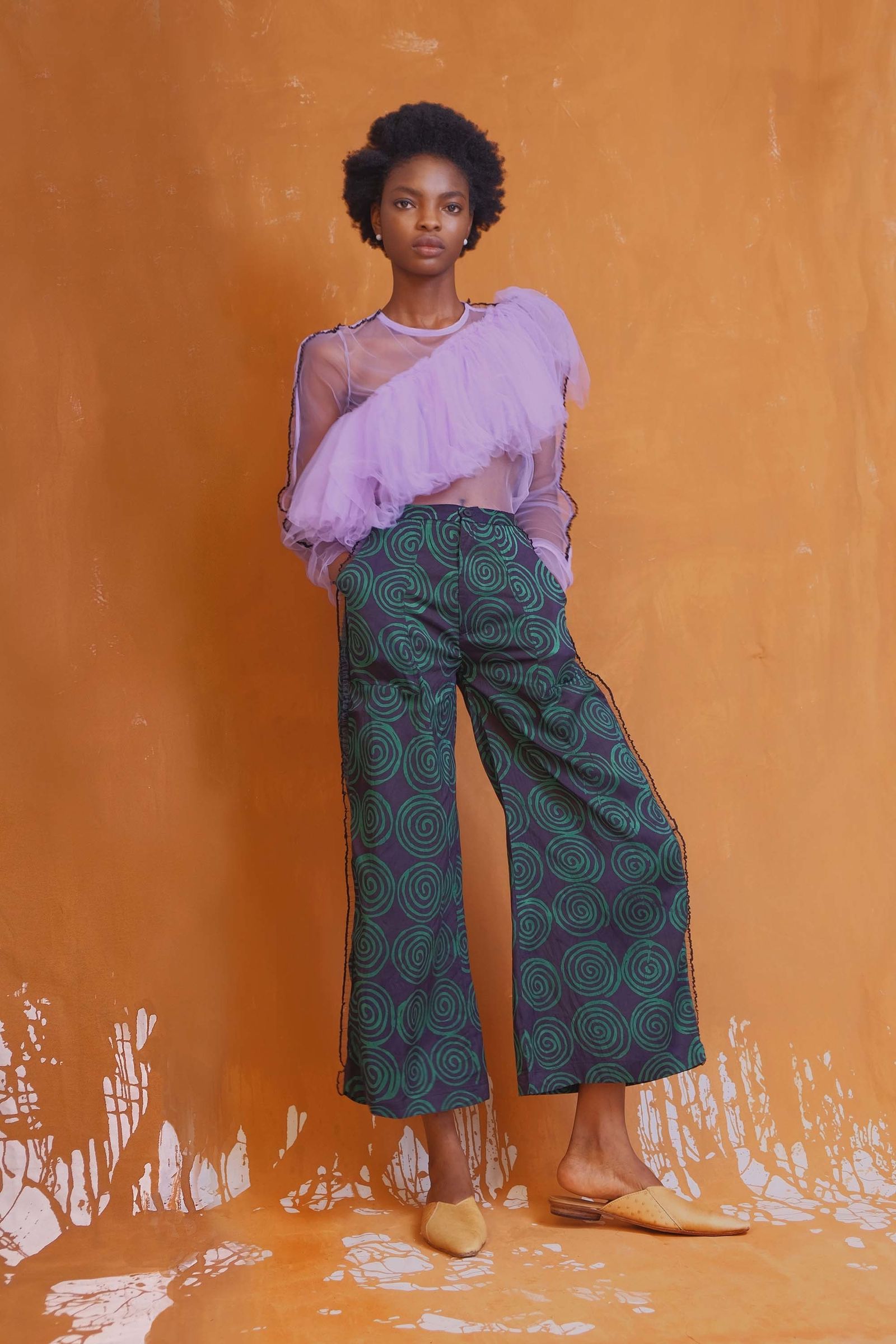
Nigerian Celebrities Who Launched International - Maki Oh and the Celebrity Roster

Amaka Osakwe launched Maki Oh in Lagos in 2010, and within five years her client list read like a fashion editor’s fever dream. Michelle Obama. Beyonce. Solange. Lupita Nyong’o. Rihanna. The brand’s signature was Adire-rooted, contemporary, and quietly subversive: dresses that referenced Yoruba textile history while reading as completely current.

What Maki Oh demonstrated is that Nigerian designers could now build the celebrity dressing pipeline that Western fashion houses had spent decades cultivating. The brand wasn’t trying to be everyone’s brand. It was trying to be the brand worn by the women who set cultural temperature, and on that metric Osakwe succeeded faster than almost anyone expected.

Andrea Iyamah and the Sustainability Wave
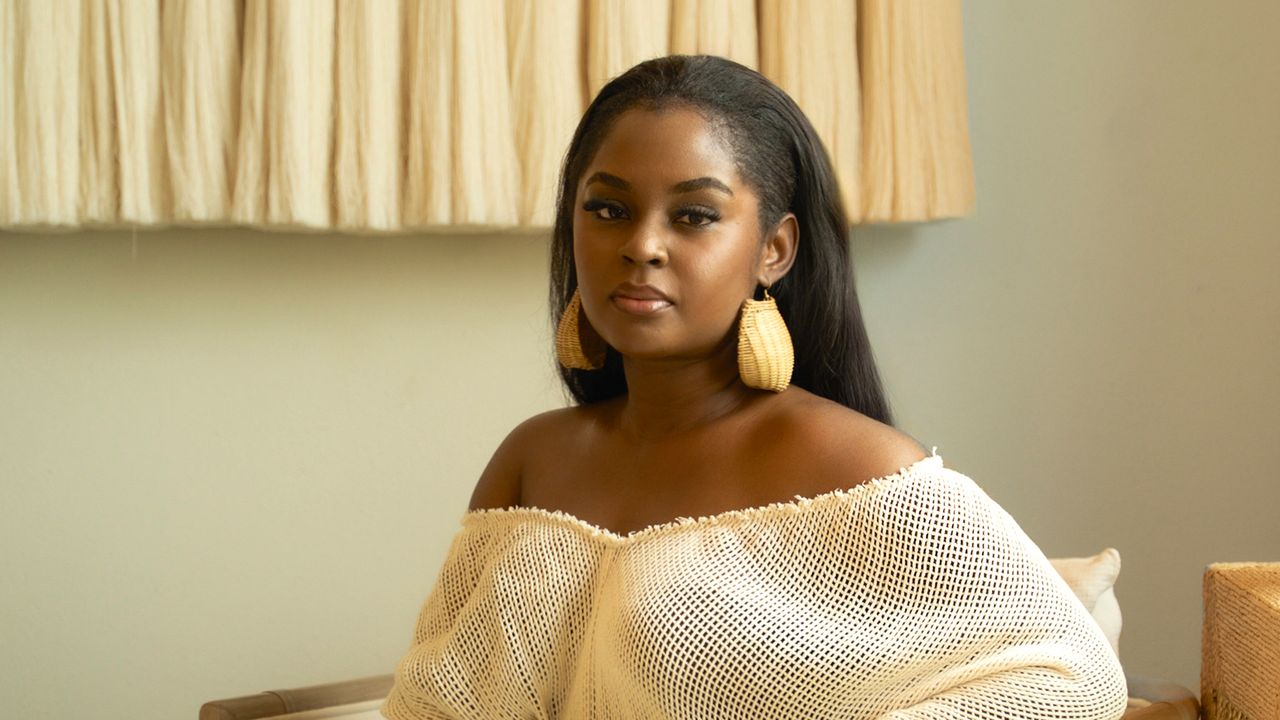
Nigerian Celebrities Who Launched International - Andrea Iyamah and the Sustainability Wave

Andrea Iyamah, Nigerian-Canadian, launched her swimwear and ready-to-wear label in 2011. Her position was clear: sustainable production, African-inspired silhouettes, prices aimed at the international resort market. Net-a-Porter eventually stocked the line. Glamour, Essence, and Vogue ran the press. Iyamah belongs to a younger wave that started with international retail as the goal from day one, rather than building in Lagos first and exporting later.

The Celebrity-Launched Generation

Here is where the language gets honest. The Nigerian musicians and actors who launched their own independent fashion lines is a much shorter list than the marketing would suggest. There are reasons for that, and they are worth naming.

Launching an international fashion line at the scale of Rihanna’s Fenty or Beyonce’s Ivy Park requires capital of roughly $1M to $3M upfront just to clear production, sampling, marketing, and the first season of inventory. American celebrities have historically been able to raise that capital through endorsement money, brand investments, or direct partnership with LVMH-style conglomerates. Nigerian celebrities, even the biggest ones, have historically operated with less liquid cash on hand and fewer institutional partners willing to underwrite the risk. The result is that what gets called a “Nigerian celebrity fashion line” is usually a collaboration, a capsule, or a brand extension, not an independent label.

That isn’t a failure. It is a different model, shaped by a different economy.
Advertisement

Wizkid x Puma and the Starboy Era

The Wizkid x Puma partnership, which produced the Starboy-branded sneakers in 2018 and 2019, was the first major Nigerian-celebrity-meets-global-sportswear deal. Puma supplied the manufacturing and distribution, Wizkid supplied the brand. The shoes sold internationally. They sat on Foot Locker shelves in cities that had no idea who Starboy was, and that was the point.

Wizkid x Nike Naija

In 2020, Nike released the Air Max 95 “Naija” as part of a country-specific collection celebrating Nigerian football. Wizkid was tied to the broader Naija collection through Nike’s marketing. The release wasn’t his independent line, but it was the most visible co-branding moment a Nigerian musician had ever had with the world’s largest sportswear company.

Davido, Burna Boy, and the Collaboration Model

Davido’s “WeRise” collaboration was a limited capsule rather than a full fashion line. Burna Boy’s relationship with Versace, the house that dressed him for the 2021 Grammy Awards and several subsequent major appearances, was a stylist-driven partnership rather than an ownership stake. The pattern repeats across the top tier of Afrobeats: the artist becomes the wearer, the muse, the campaign face. The artist rarely becomes the founder.

Toke Makinwa, Mercy Eke, and the Adjacent Vertical

The Nigerian celebrities who have built genuine product businesses tend to do it in adjacent verticals. Toke Makinwa’s Toke Moments hair brand has been a steady commercial success. Mercy Eke’s Lambo fashion brand, launched after her Big Brother Naija win, sells ready-to-wear domestically. These are real businesses run by real celebrities, but they trade on the Nigerian market first and international visibility second. None has yet reached the scale of an internationally stocked, A-list-worn independent label.

That gap is what the next decade has to close.

Adesuwa Aighewi and the Model-Designer Wave

Adesuwa Aighewi, the Nigerian-Thai supermodel, has used her platform to launch initiatives that sit at the intersection of fashion and activism, including collaborations spotlighting West African artisanal production. She represents a model-as-creative-director wave that is just beginning to produce its own brands. The Nigerian models who walked Chanel, Versace, and Valentino in the late 2010s are now in the position to launch something of their own, and several are quietly building toward it.

Tia Adeola and the New York Pipeline

Tia Adeola, born in Nigeria and based in New York, founded her label Slashed by Tia (later rebranded as Tia Adeola) in 2014 while still a teenager. Her ruffled, sheer, Renaissance-meets-streetwear pieces have been worn by SZA, Megan Thee Stallion, Gigi Hadid, and Dua Lipa. She represents the cleanest current example of a Nigerian-born designer building an international celebrity-dressing business from a Western fashion capital while keeping her Nigerian identity central to the brand.

The Lagos Fashion Week Effect

None of the international breakthroughs would have scaled without a domestic platform. Omoyemi Akerele founded Lagos Fashion Week in 2011, and within a decade it became the launching pad for the next generation: Kenneth Ize, Orange Culture’s Adebayo Oke-Lawal, Emmy Kasbit, Tokyo James, and a long list of designers who used the Lagos runway as the audition tape for international stockists.

Kenneth Ize in particular, an LVMH Prize finalist in 2019 with a runway show in Paris in 2020 that featured Naomi Campbell walking, became proof that the Lagos Fashion Week pipeline could deliver designers directly into the European luxury system without the diaspora detour.

Africa Fashion Week London

The parallel platform in London, Africa Fashion Week London, founded in 2011 by Ronke Ademiluyi, gave Nigerian designers consistent UK runway access at a moment when the British Fashion Council was still slow to programme African brands directly. The London event helped a generation of Lagos-based designers find UK buyers, press, and stylists without flying back and forth on speculation.

The MUUSE / Vogue Talents Pipeline

The MUUSE x Vogue Talents Young Vision Award and the broader Vogue Talents programme have become the most reliable conduit for very young African designers into the European fashion press. Several Nigerian designers and mentees connected to the Deola Sagoe orbit have used this pipeline to land their first European editorial coverage. It is the kind of slow institutional infrastructure that makes international launches repeatable instead of accidental.

What “International” Actually Means Now

The bar for calling a Nigerian fashion brand “international” in 2026 has settled into a recognisable checklist. Stocked at Net-a-Porter, Moda Operandi, MatchesFashion, or Ssense. Runway slot at New York, London, Paris, or Milan Fashion Week. At least one A-list celebrity wearer who reaches global press. A Vogue, Elle, or Harper’s Bazaar feature in a non-African edition. Retail or stockist presence in at least one major non-African market.

By that measure, the brands that clear the bar are still mostly designer-founded rather than celebrity-founded: Lisa Folawiyo, Maki Oh, Andrea Iyamah, Kenneth Ize, Duro Olowu, Tia Adeola, Deola Sagoe, Orange Culture in capsule moments, Emmy Kasbit in selected stockists. The list of Nigerian musician or actor-founded independent labels that clear the same bar is, honestly, close to zero. Collaborations clear it. Independent ownership has not yet.

What’s Next

The shift that’s likely coming is capital. The diaspora investor wave, Nigerian and broader African money now sitting in venture funds, family offices, and entertainment holding companies, has started looking at mid-sized African fashion brands as legitimate investments rather than passion projects. When that capital finds the right founder, the celebrity-led independent line at international scale becomes possible. There are already early conversations happening between Afrobeats artists and African private equity around exactly this thesis.

The other shift is the model-designer wave. Adesuwa Aighewi, Mayowa Nicholas, and the broader cohort of Nigerian models who have spent a decade inside European luxury houses are now creatively literate in a way the previous generation of Nigerian celebrities wasn’t. When they launch, they will launch with a network already in place.

What started with Deola Sagoe quietly opening an atelier in 1989 has become a sprawling, two-track industry. One track built by designers who became celebrities through their craft. The other still being built by celebrities who are figuring out, slowly, how to become designers. The honest reading is that Nigerian fashion already went international decades ago. The Nigerian celebrity fashion line, as a fully independent international business, is mostly still ahead of us.

And that is the more interesting story.

Advertisement
Share
Get the recap

Loved this story? Get more like it.

Join readers who get our weekly entertainment recap - the stories worth your time, delivered every Friday.

No spam. Unsubscribe anytime. By signing up you agree to our Privacy Policy.

Nigerian Celebrities Who Launche... | Sidomex Entertainment