
Table of Contents
- A Fifth Decade, A New Beginning
- The “Like Ah Boss” Documentary Journey
- Soca’s Global Mission
- Building Bridges Across Cultures
- Legacy and Future Vision
A Fifth Decade, A New Beginning
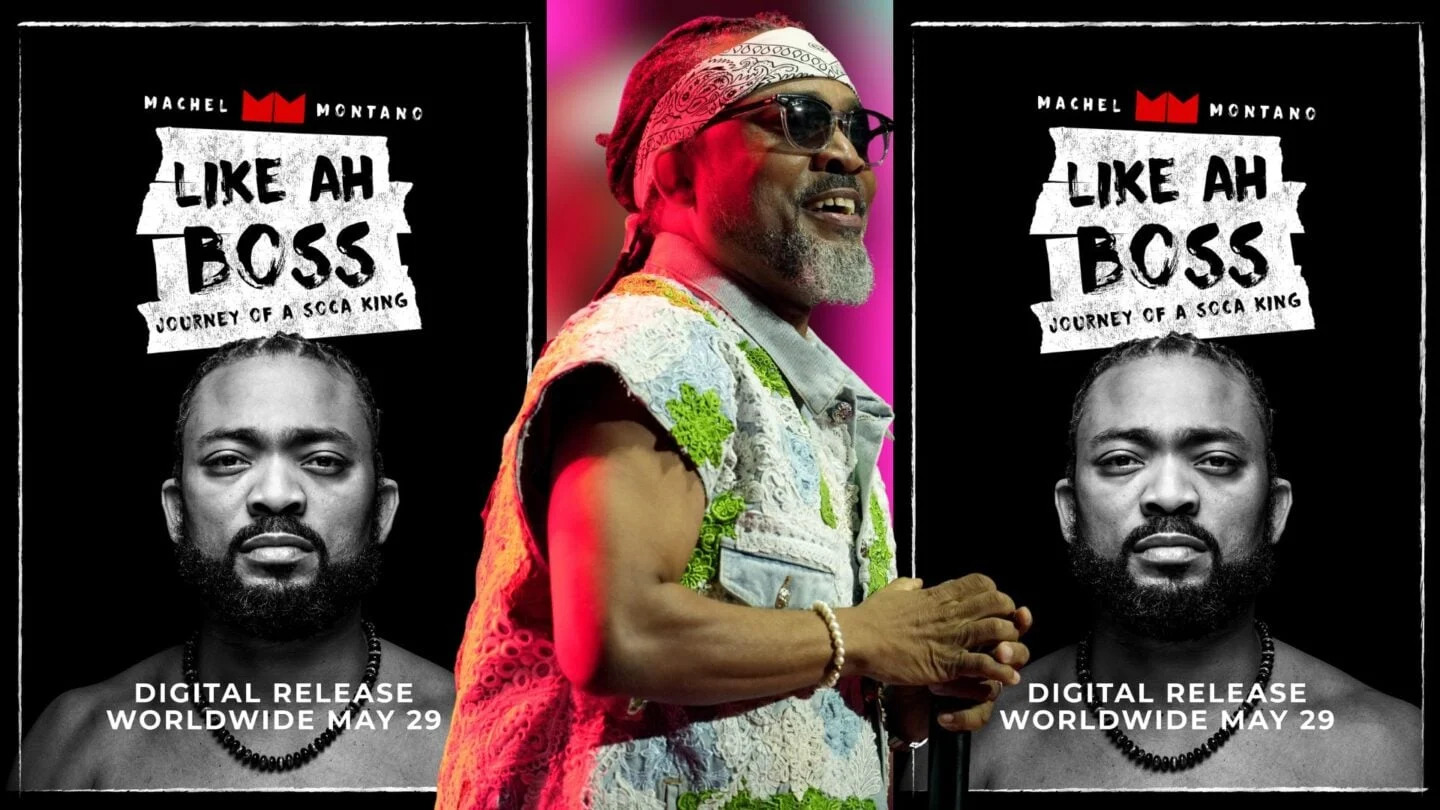
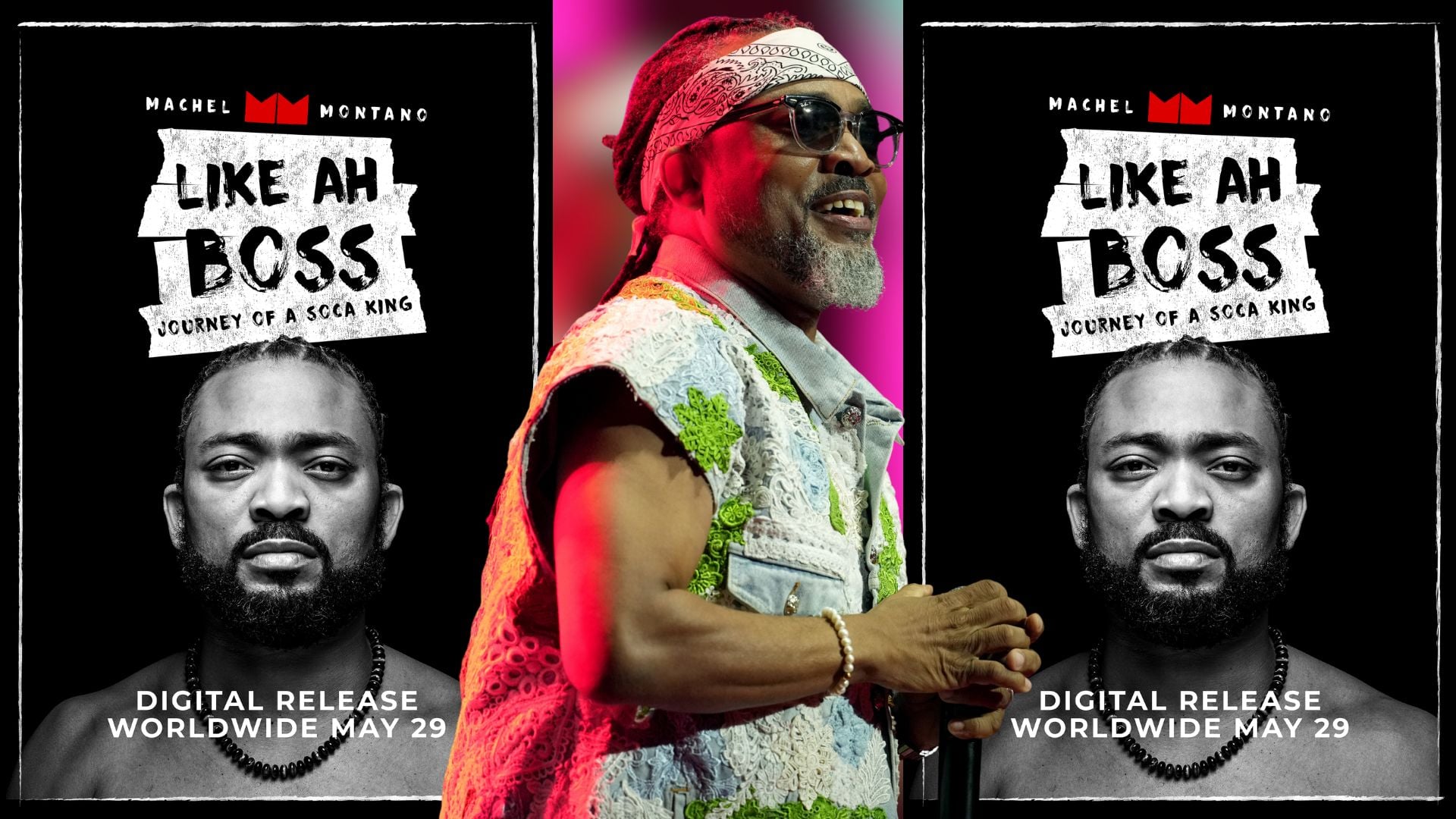
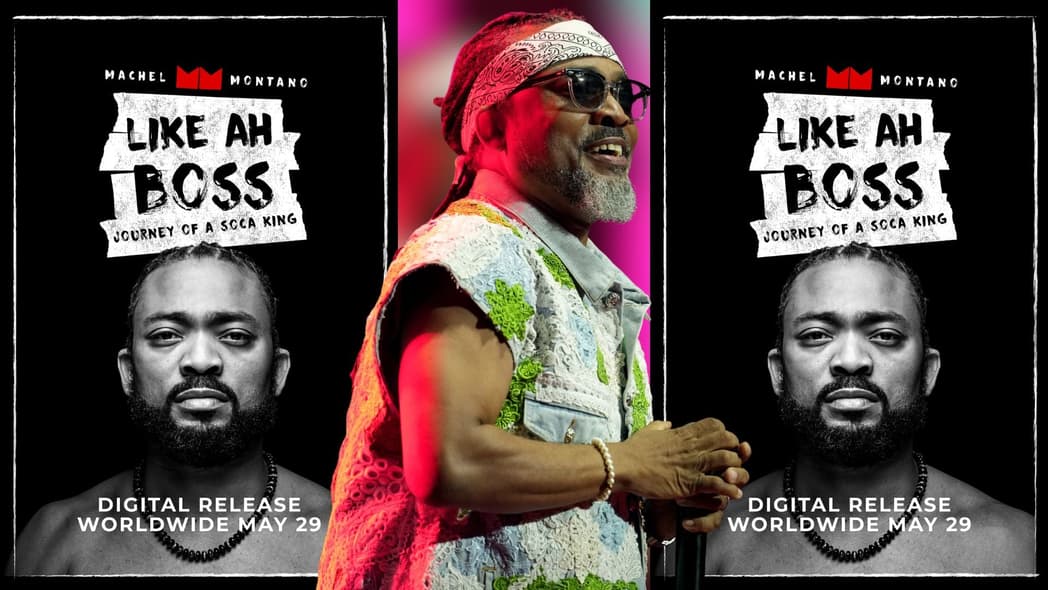
After nearly five decades of dominating the soca music scene, Machel Montano stands at what he describes as “a new beginning.” The Trinidad and Tobago native, who began his musical journey as a child prodigy in the 1980s, has consistently evolved with the times while maintaining his position as one of Caribbean music’s most influential figures. Now, with the release of his documentary “Like Ah Boss” and an ambitious global tour on the horizon, Montano is positioning himself not just as a soca artist, but as a cultural ambassador ready to introduce the world to the infectious rhythms and vibrant energy of Caribbean music. His longevity in an industry known for its rapid changes speaks to both his artistic adaptability and his deep connection to the cultural roots that have always defined his sound.

The timing of this new chapter couldn’t be more significant, as Caribbean music continues to gain unprecedented global recognition through artists like Rihanna, Shaggy, and the growing influence of dancehall and reggaeton in mainstream pop culture. Montano’s decision to document his journey through film represents more than just a career retrospective - it’s a strategic move to cement soca’s place in the global music conversation. The veteran performer has witnessed firsthand how genres once considered regional have exploded onto the international stage, and he’s determined to ensure that soca music doesn’t get left behind in this cultural renaissance. His enthusiasm for this new phase is palpable, reflecting an artist who refuses to rest on his considerable laurels and instead continues to push boundaries and challenge expectations.
The “Like Ah Boss” Documentary Journey
The “Like Ah Boss” documentary serves as both an intimate portrait of Montano’s personal evolution and a broader exploration of soca music’s cultural significance within the Caribbean diaspora. Unlike typical music documentaries that focus primarily on career highlights and commercial success, this film delves deep into the social and political contexts that have shaped both Montano’s artistry and the genre itself. The documentary captures the artist’s transition from a young performer navigating the complexities of the music industry to becoming a seasoned veteran who understands his responsibility as a cultural steward. Through candid interviews, behind-the-scenes footage, and archival material spanning his extensive career, viewers gain unprecedented access to the man behind the music and the cultural movement he has helped sustain.
What makes “Like Ah Boss” particularly compelling is its honest examination of the challenges facing Caribbean artists trying to break into international markets. The documentary doesn’t shy away from addressing the systemic barriers that have historically prevented soca and other Caribbean genres from achieving the same global recognition as their Latin American or African counterparts. Montano’s willingness to be vulnerable about his own struggles and setbacks adds authenticity to a narrative that could have easily become a simple celebration of his achievements. Instead, the film becomes a testament to persistence, cultural pride, and the power of music to transcend geographical and social boundaries, making it relevant not just to soca fans but to anyone interested in the globalization of music and culture.
Soca’s Global Mission

Montano’s vision for soca’s global expansion extends far beyond simply gaining radio play in international markets - he envisions a comprehensive cultural exchange that introduces the world to the full spectrum of Caribbean artistic expression. His approach recognizes that successful musical globalization requires more than catchy hooks and crossover collaborations; it demands authentic storytelling, cultural education, and strategic partnerships that respect both the source material and the target audiences. The artist has been particularly vocal about learning from the success of other genres, including Afrobeats’ remarkable rise to international prominence, and adapting those lessons to soca’s unique characteristics and cultural context. His global tour strategy reflects this sophisticated understanding, incorporating visual elements, educational components, and collaborative opportunities that showcase soca as part of a broader Caribbean cultural tapestry.