

Table of Contents
- What Entertainment Event Planners Actually Do
- Types of Entertainment Events You Can Specialize In
- Essential Skills for Event Planning Success
- Education and Certifications That Matter
- Step-by-Step: Getting Started in Event Planning
- Tools and Technology Every Event Planner Uses
- Salary and Earning Potential
- Building Your Own Event Planning Business
- Challenges and How to Handle Them
- Key Takeaways
- Frequently Asked Questions
What Entertainment Event Planners Actually Do
If you want to know how to become an event planner in the entertainment world, you first need to understand what the job actually involves - because it goes far beyond picking color schemes and arranging flowers. Entertainment event planners are the logistical masterminds behind concerts, film premieres, award ceremonies, corporate entertainment galas, music festivals, and celebrity appearances. They coordinate every detail that turns a concept into a seamless experience.
An entertainment event planner’s responsibilities typically include securing venues, negotiating vendor contracts, managing budgets that can range from $10,000 to $10 million or more, coordinating with talent agents and managers, handling permits and insurance, overseeing technical production (sound, lighting, staging), managing timelines down to the minute, and troubleshooting the inevitable problems that arise on event day.
The global events industry was valued at approximately $1.5 trillion in 2024, according to Allied Market Research, with the entertainment segment representing one of the fastest-growing categories. The post-pandemic rebound has been extraordinary - live events came back with enormous demand, and spending on experiential entertainment has surpassed pre-2020 levels. This means more opportunities than ever for skilled planners.
What distinguishes entertainment event planning from corporate or social event planning is the complexity of production elements. A corporate conference might need a projector and a podium. An entertainment event might require a full stage build, pyrotechnics permits, artist hospitality riders, security protocols for VIPs, media credential systems, and real-time coordination with broadcast teams. The stakes are higher, the timelines are tighter, and the rewards - both financial and creative - are greater.
Types of Entertainment Events You Can Specialize In
Learning how to become an event planner becomes easier when you identify which niche excites you most. The entertainment industry offers diverse specializations.
Concert and Music Festival Planning
This is one of the most dynamic niches. Concert planners coordinate everything from small 200-person club shows to massive festivals like Coachella (which draws 250,000+ attendees over two weekends) and Lollapalooza. Key responsibilities include artist booking coordination, stage design, sound and lighting production, crowd management, vendor village setup, and emergency planning. The live music industry generated over $35 billion globally in 2024.
Film Premieres and Award Shows
Planning film premieres for studios like Warner Bros., Disney, or A24 involves coordinating red carpet logistics, press lines, photographer positions, after-party venues, celebrity arrivals, and security. Award show planning - from the Oscars to the Golden Globes - is even more complex, involving months of preparation for a single evening. These events demand exceptional attention to protocol and celebrity management.
Corporate Entertainment Events
Major companies spend millions on entertainment-focused events - product launch parties, holiday galas with A-list performers, branded festival activations, and influencer events. Companies like Apple, Google, and Netflix regularly produce elaborate entertainment events that blur the line between corporate and entertainment. Planners in this niche often earn premium rates because budgets are larger and corporate clients expect flawless execution.
Experiential and Immersive Events
This rapidly growing category includes immersive theater experiences (like “Sleep No More”), pop-up installations, interactive brand activations, and themed experiences. Companies like Meow Wolf, which creates massive immersive art installations, are expanding this field. Planners with creative vision and technical knowledge are in high demand for these unconventional events.
Essential Skills for Event Planning Success
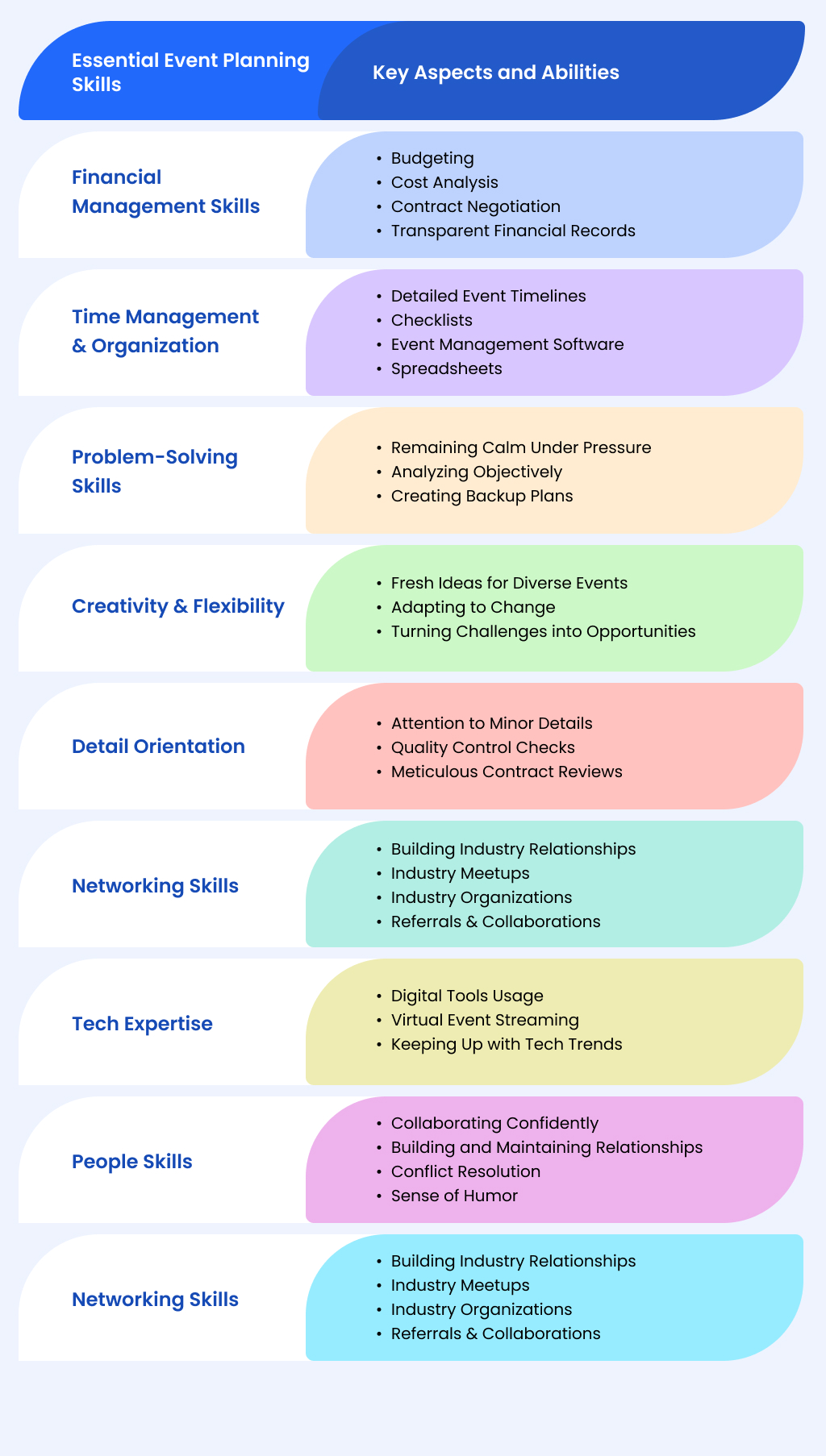
Understanding how to become an event planner means developing a specific blend of organizational, interpersonal, and creative skills that few other careers require simultaneously.
Project Management
Event planning is project management in its most intense form. You must manage dozens of vendors, multiple timelines, complex budgets, and hundreds of moving parts simultaneously. The ability to create detailed work-back schedules, track deliverables, manage dependencies, and keep everything on budget is the foundation of the profession. Familiarity with project management methodologies and tools is essential.
Negotiation and Vendor Management
Event planners negotiate constantly - with venues, caterers, rental companies, talent agents, production crews, and sponsors. A skilled negotiator can save clients 15-30% on overall event costs. Understanding contract terms, knowing market rates for services, and building leverage through relationships and volume are critical competencies.
Crisis Management
Things go wrong at every event. The headliner cancels two hours before doors open. The caterer delivers the wrong menu. A rainstorm threatens an outdoor ceremony. The sound system fails during a keynote. Great event planners stay calm under pressure, have contingency plans for every scenario, and solve problems so smoothly that guests never know anything went wrong.
Communication and Relationship Building
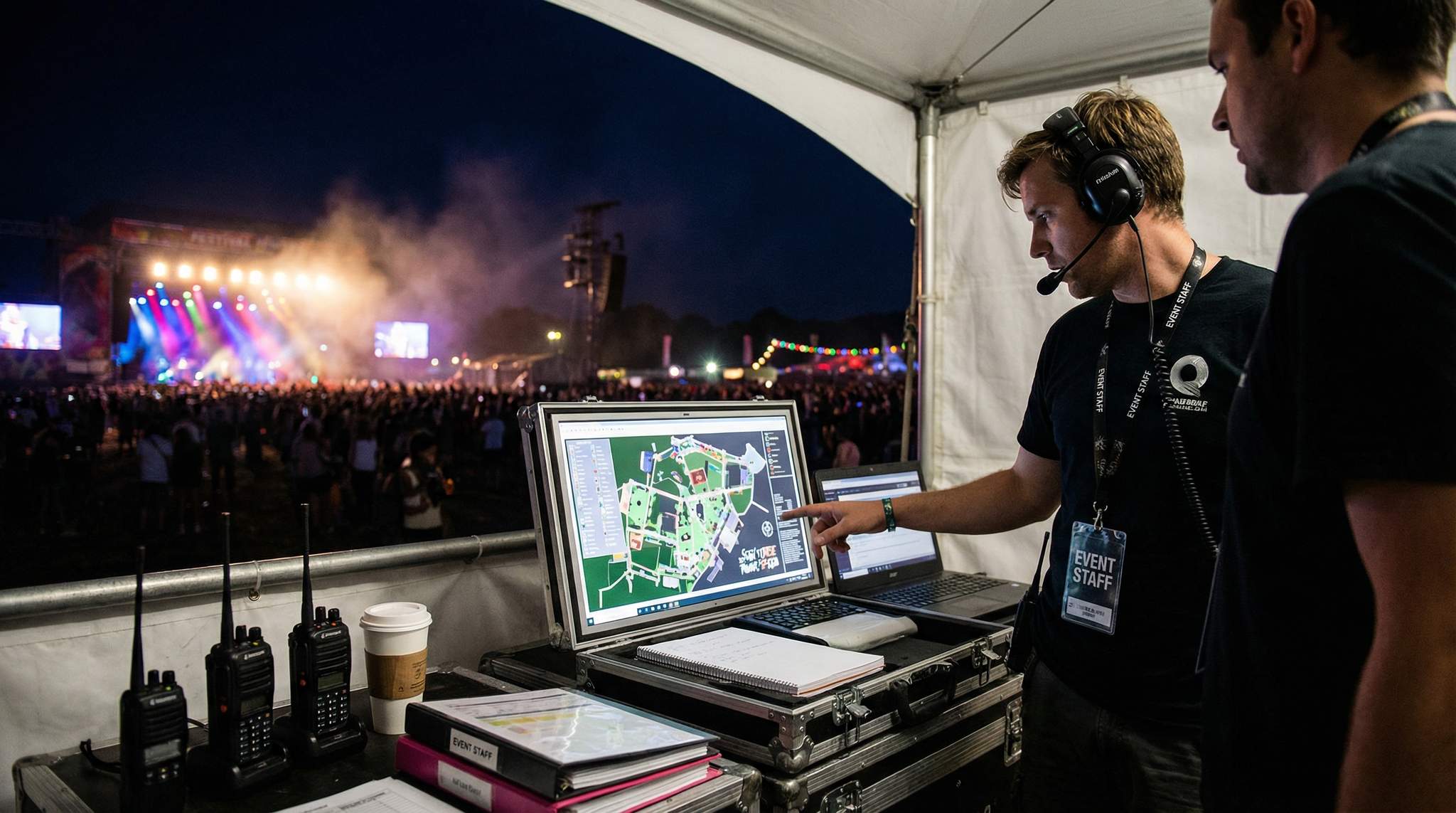
Event planners are the hub of communication between clients, vendors, talent, and production teams. You need to communicate clearly and professionally with everyone from a client’s CEO to a loading dock manager. Building and maintaining a network of reliable vendors, venues, and freelance staff is what allows experienced planners to pull off events that seem impossible.
Creative Vision
While logistics dominate the daily work, the best event planners also have strong creative instincts. Understanding design principles, color theory, spatial layout, and audience psychology helps you create events that feel cohesive and memorable rather than just functionally adequate. The ability to envision an atmosphere and then engineer it through lighting, decor, sound, and flow is what separates good planners from great ones.
Education and Certifications That Matter
The education path for anyone researching how to become an event planner is more flexible than many professional careers, but certain credentials carry real weight.
Degree Programs
Several universities offer degrees specifically in event management or hospitality management with event concentrations. Programs at the University of Nevada Las Vegas (UNLV), Cornell University’s School of Hotel Administration, and George Washington University are well-regarded. A degree in hospitality, communications, marketing, or business provides a strong foundation. However, a specific degree is not required - many successful event planners come from diverse educational backgrounds.
Professional Certifications
The Certified Meeting Professional (CMP) designation, administered by the Events Industry Council, is the most widely recognized certification in the field. It requires experience and passing a comprehensive exam. The Certified Special Events Professional (CSEP) from the International Live Events Association is particularly relevant for entertainment events. These certifications demonstrate competence and commitment to potential employers and clients.
The Digital Event Strategist (DES) certification has gained importance since the rise of hybrid events. And for those focused on the production side, certifications from organizations like AVIXA (audiovisual technology) add technical credibility.
Step-by-Step: Getting Started in Event Planning
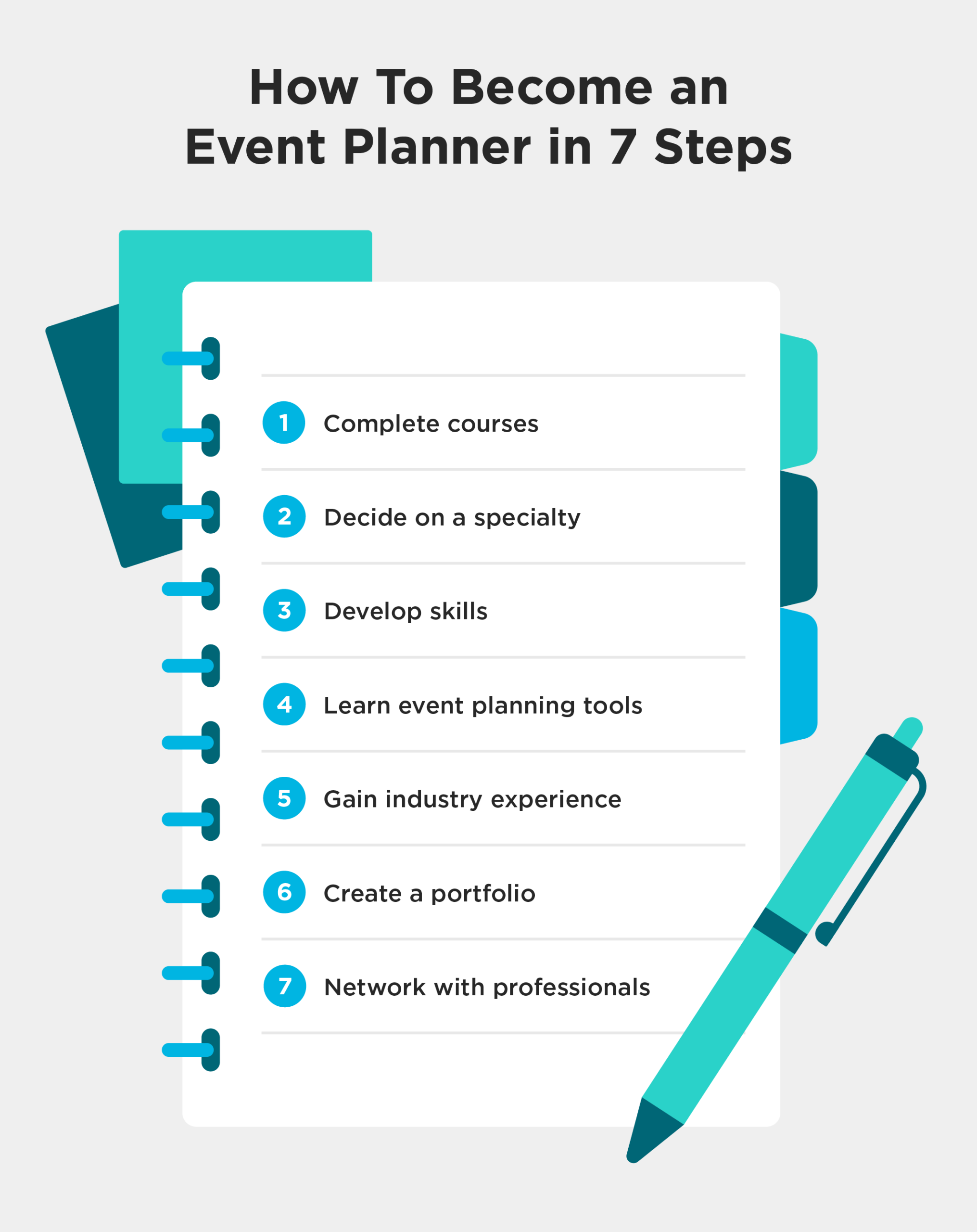
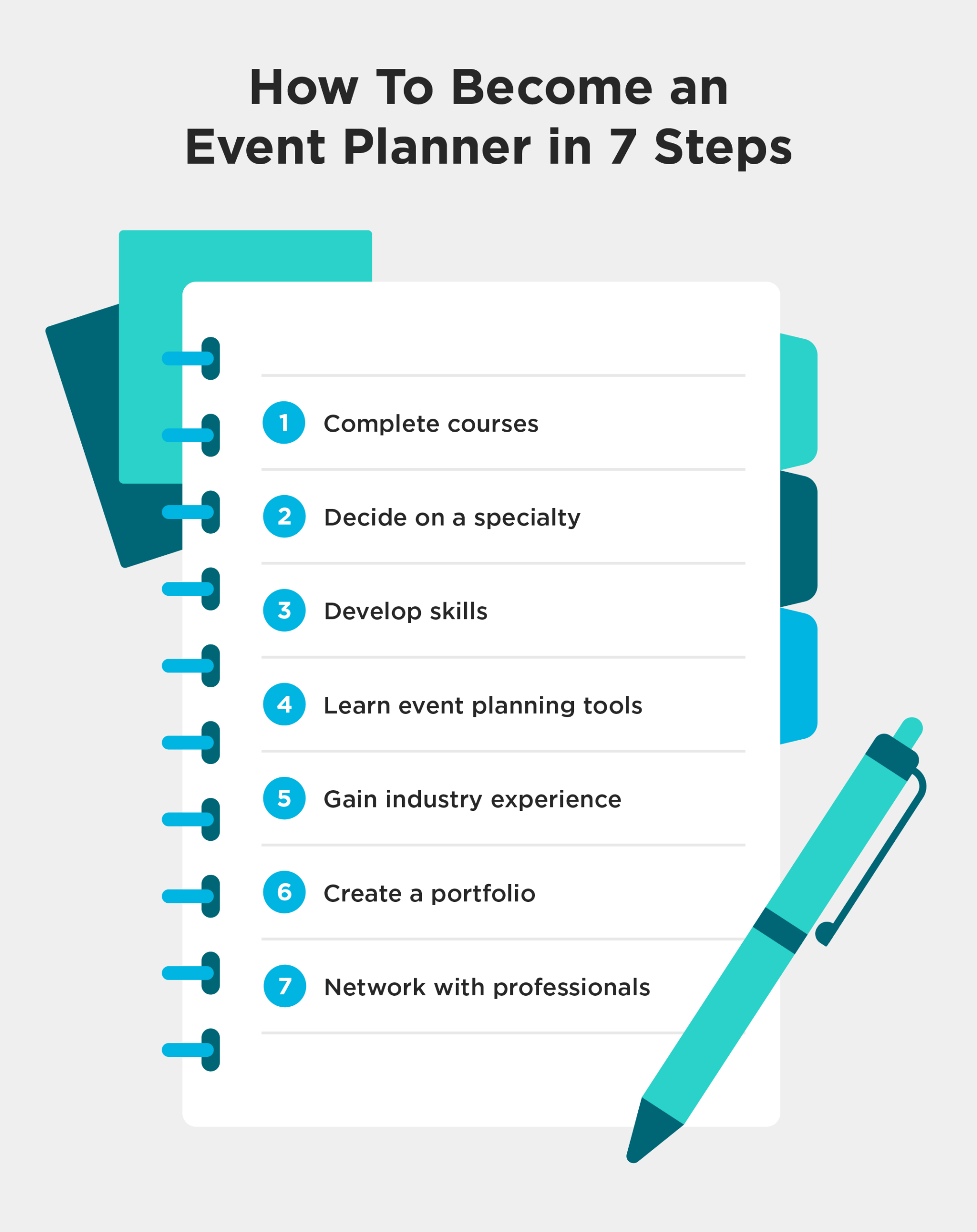
Here is a practical roadmap for how to become an event planner starting from scratch.
Step one: volunteer and intern. Offer to help with events at nonprofits, community organizations, and local entertainment venues. Many music venues, theater companies, and festivals need volunteer coordinators. This gives you hands-on experience without requiring credentials. Internships at event planning companies, hotel event departments, and entertainment venues provide more structured learning.
Step two: start small and build. Plan events for friends, family, or small organizations. Document everything - take photos, collect testimonials, track budgets and outcomes. These early projects become your portfolio. Even planning a 50-person birthday party teaches you vendor coordination, timeline management, and budget control.