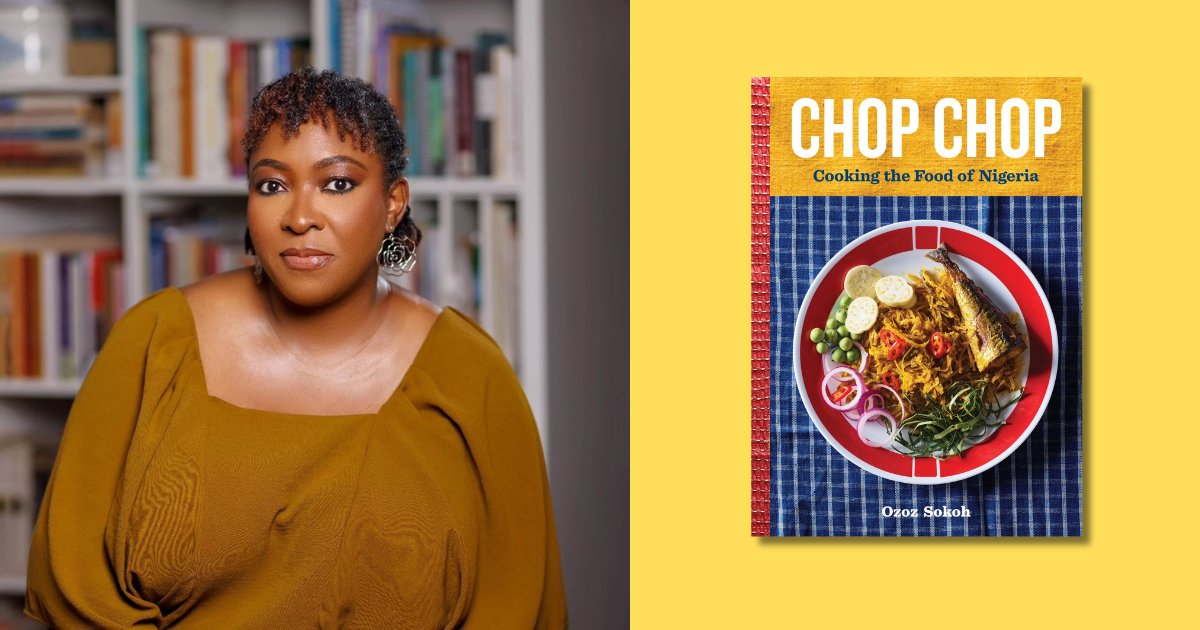
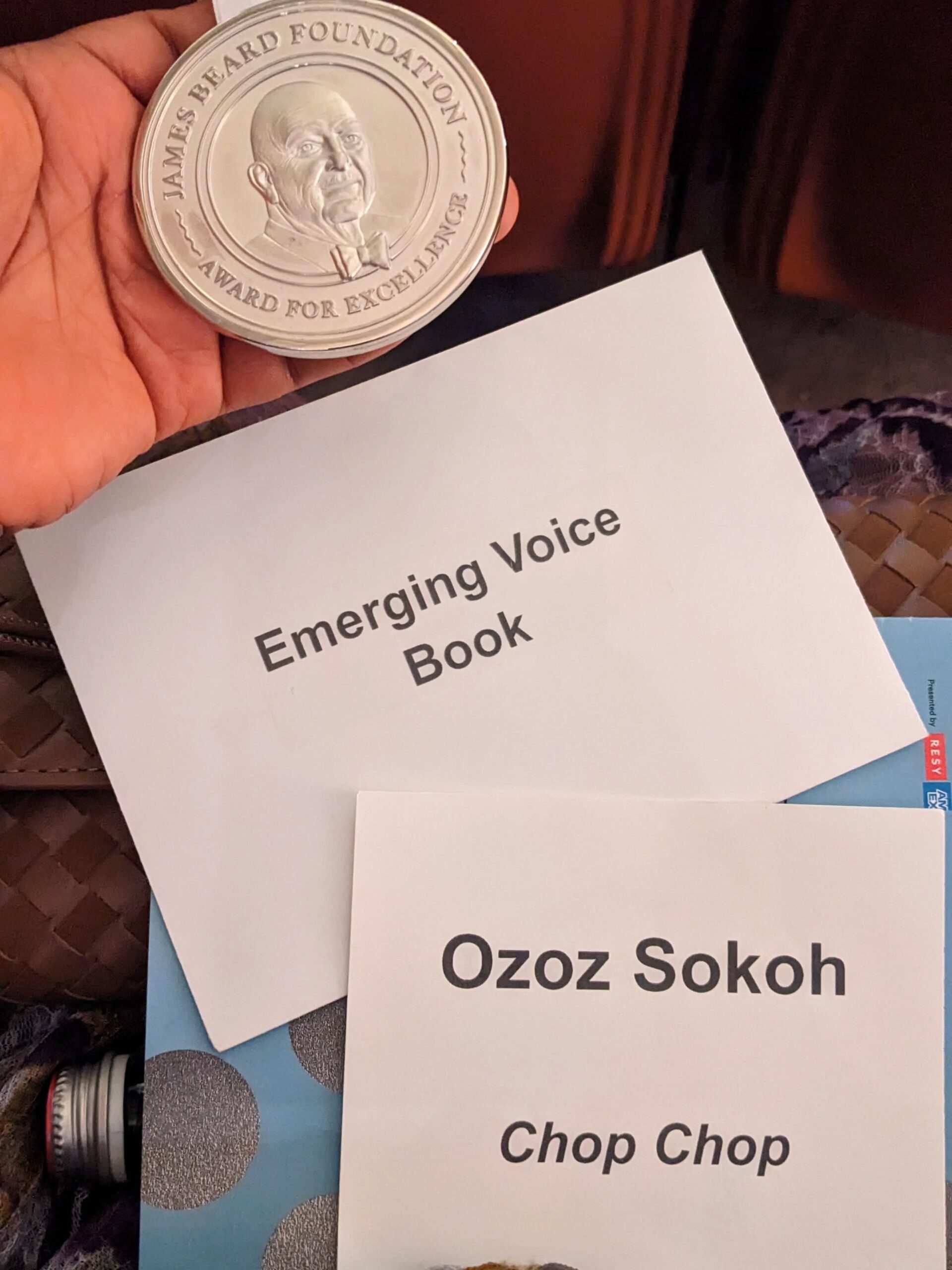
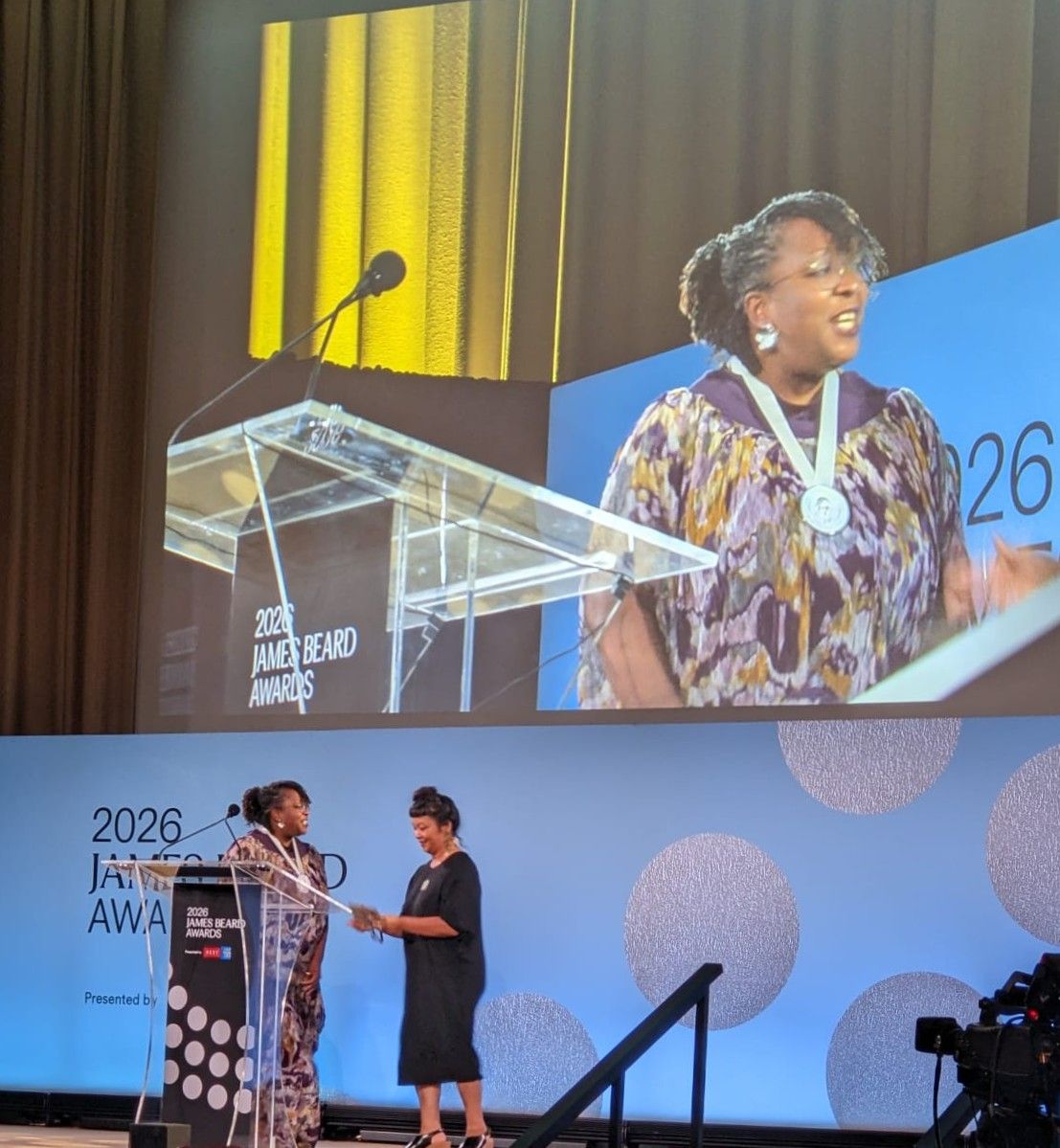
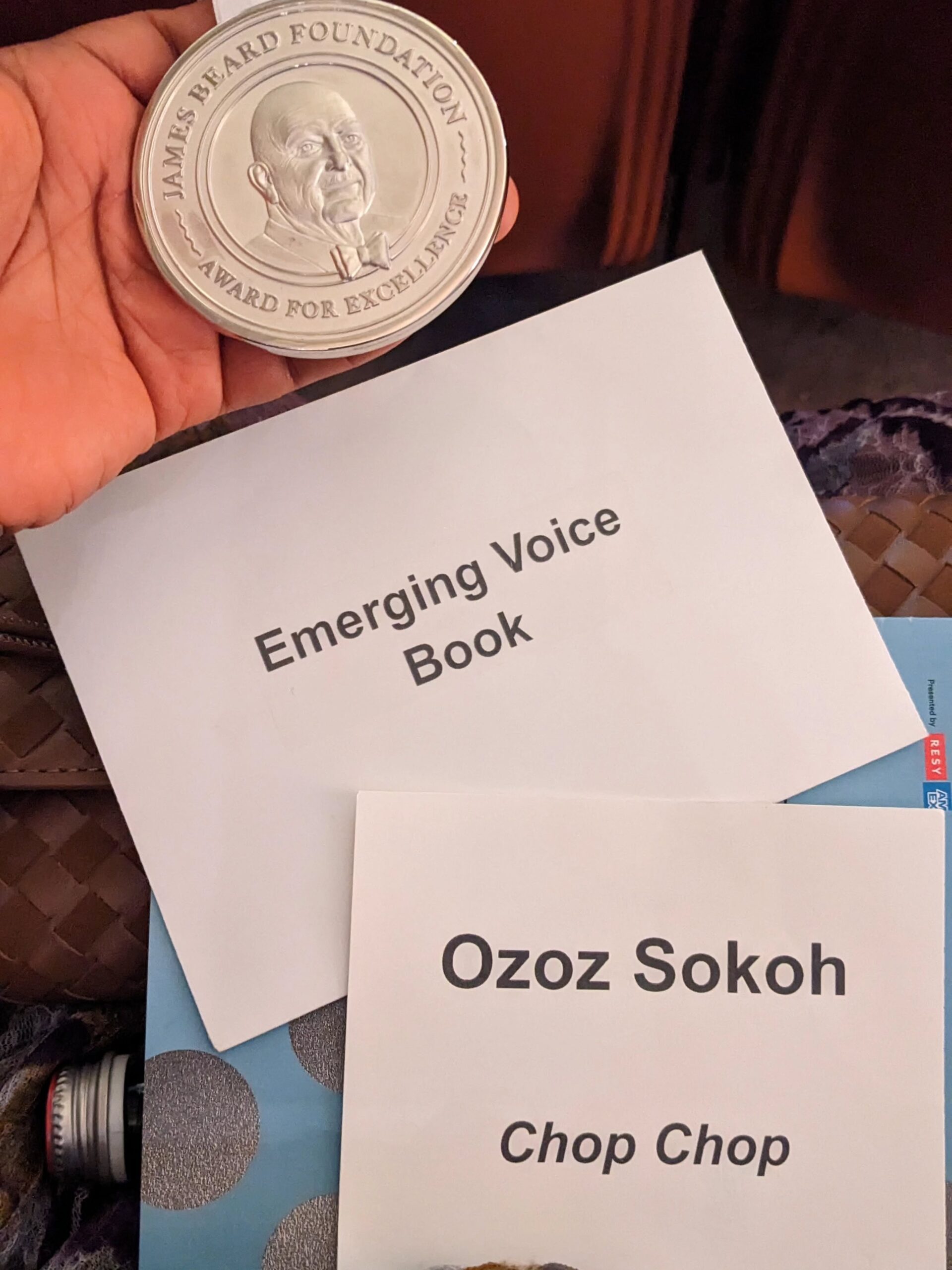
There is a particular kind of victory that lands differently - not because of what it gives the winner, but because of what it says to everyone who was never supposed to win. When Ozoz Sokoh walked away from the 2026 James Beard Foundation Awards media ceremony in Chicago with the Emerging Voice in Books honour, she did not just claim a personal milestone. She rewrote a very old, very stubborn narrative that said African food, Nigerian food specifically, was regional, niche, and somehow less worthy of the serious culinary scholarship the West reserves for French technique or Japanese precision. That narrative is now considerably harder to defend. Sokoh’s win is the kind of first that does not just open a door - it knocks the frame clean off the wall.
Image: BellaNaija
To understand the full weight of this moment, you need to hold two things in your mind at once: how prestigious the James Beard Awards actually are in the global food conversation, and how consistently African culinary traditions have been either ignored or exoticised by that same conversation. The fact that it took until 2026 for a Nigerian cookbook author to break through at this level is not a reflection of the richness of Nigerian food. It is a reflection of who has historically controlled the microphone. Sokoh just took it back, permanently.
Who Is Ozoz Sokoh, Really?
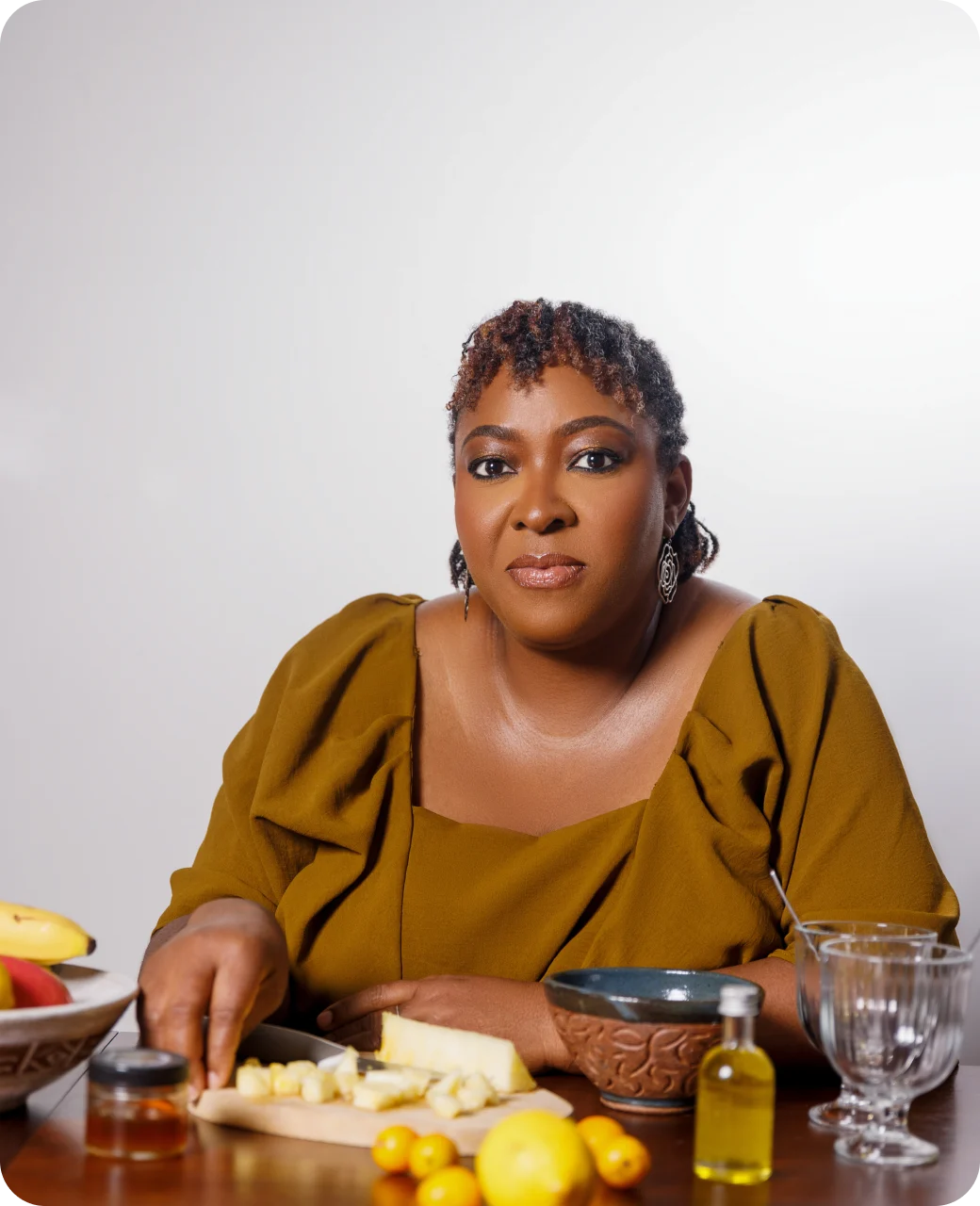
If you are only just learning the name Ozoz Sokoh from this award, then you have been missing one of the most thoughtful and rigorous food voices operating in the African culinary space. Sokoh, who is known widely by her blog title Kitchen Butterfly, has been documenting, researching, and celebrating Nigerian and West African food culture since around 2009. Her work has never been content to just list ingredients and cooking times - she approaches food as an anthropologist would approach culture, asking where dishes come from, how they evolved, what they say about the people who make them, and why those stories deserve to be told with the same seriousness applied to any European culinary canon.
Sokoh’s background is genuinely multidisciplinary. She studied food and nutrition and has woven her academic grounding into a creative practice that spans writing, food styling, recipe development, and culinary education. She has contributed to major international food publications and has been a respected presence at global food conferences and festivals where she consistently shows up not as an ambassador of “exotic” flavours but as a peer among food scholars. Her reputation in the food world was already solid long before this award. The James Beard recognition is an institutional stamp on something the food community already knew.
Inside Chop Chop: Cooking the Food of Nigeria
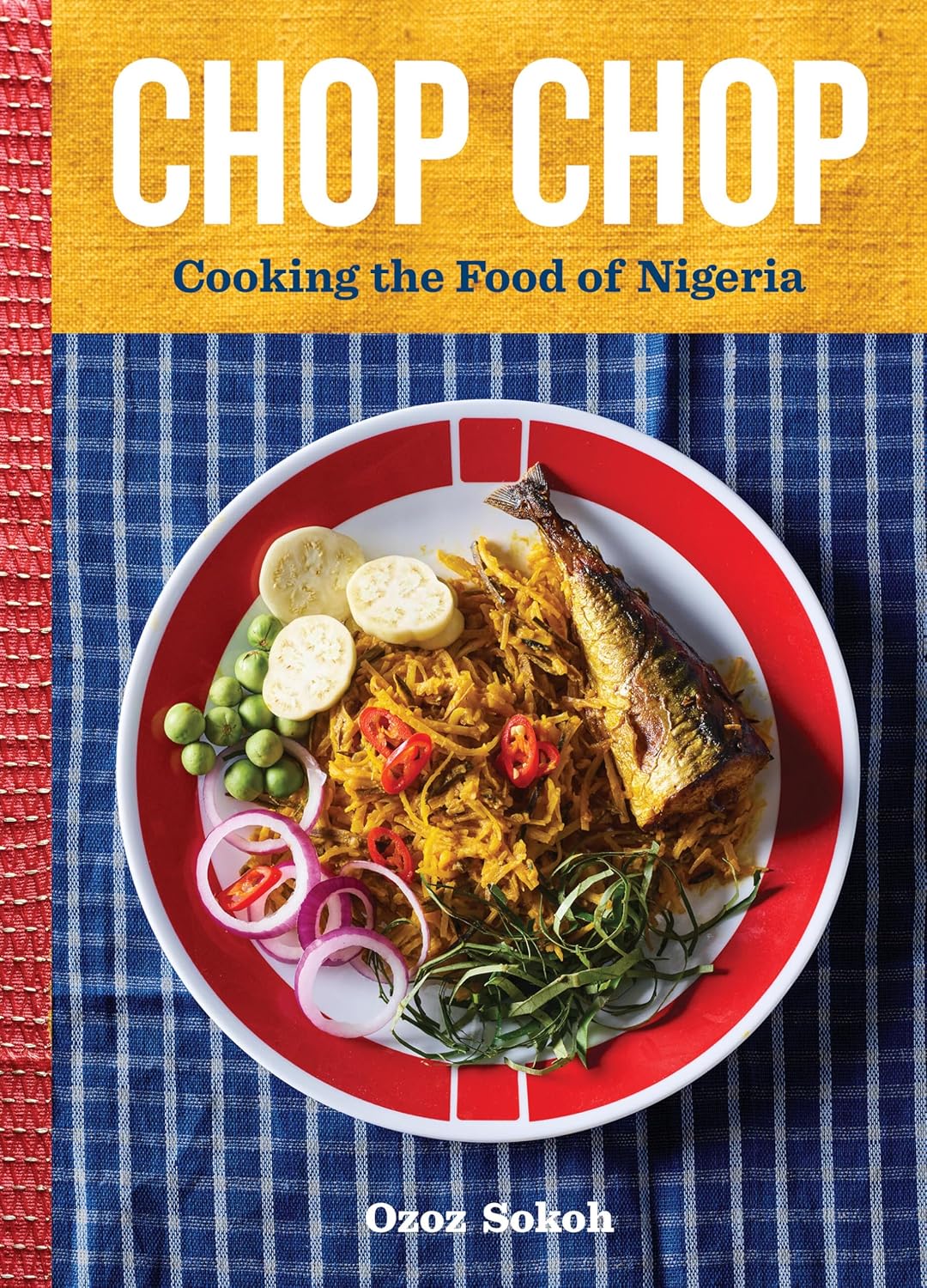
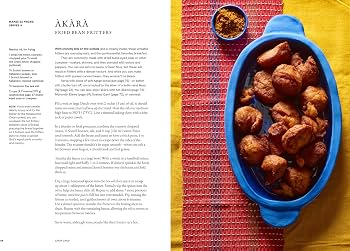
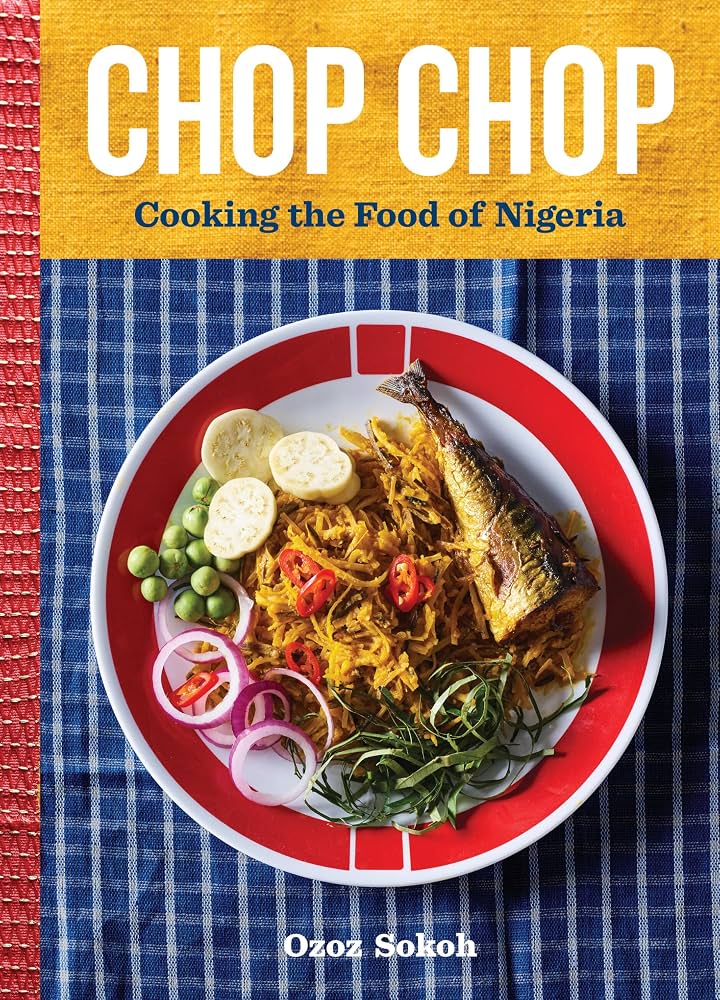
Chop Chop: Cooking the Food of Nigeria is Sokoh’s debut cookbook, and from everything known about its conception and content, it is far more than a collection of recipes. The title itself is telling - “chop” is Nigerian Pidgin for eating and food, and it signals immediately that this book is not written for an outsider audience being introduced to foreign flavours. It is written from the inside out, with the confidence of someone who believes Nigerian food deserves the same lush, context-rich treatment that books on Italian or Thai cuisine routinely receive. The book draws on Sokoh’s years of culinary anthropology work, embedding the history and cultural meaning of Nigerian dishes into the fabric of the text itself rather than treating those elements as footnotes.
Image: Amazon.com
The James Beard Foundation’s Emerging Voice in Books category is specifically designed to recognise authors who are bringing new and underrepresented perspectives to food writing. That Chop Chop won in this category is significant on a practical level too - it signals that the judges read this book as introducing something genuinely new to the literary conversation around food, not simply as a cultural curiosity from a distant cuisine. That distinction matters. It is the difference between being celebrated and being respected, and Sokoh has clearly earned the latter.
Ad SpaceIn-Article - 300x250
Advertisement
What the James Beard Award Actually Means in the Food World
For anyone outside the culinary industry, a brief orientation is necessary here. The James Beard Foundation Awards are essentially the Oscars of the food world. Named after the legendary American food writer and culinary educator James Beard, who died in 1985, the awards have been presented annually since 1991 and cover everything from restaurant chefs and food programmes to journalism and books. Winning a James Beard is a career-defining moment in the food industry - it affects publishing deals, restaurant bookings, speaking fees, and cultural visibility in ways that are hard to overstate. The media awards, which cover books, journalism, and broadcast, carry particular weight for food writers because they are judged by a panel of industry professionals rather than by popular vote.
Image: The Boston Globe
The Emerging Voice in Books category, where Sokoh took her win, has historically gone to authors working on cuisines and food cultures that the mainstream food publishing world has been slow to cover. Past winners in this and similar James Beard categories have gone on to significantly elevated careers - both in terms of book sales and broader cultural influence. For Sokoh, this award will almost certainly introduce her work to a global audience far beyond the food circles where she has long been celebrated. More importantly, it will put Chop Chop in front of booksellers, librarians, and food educators who have the power to make Nigerian culinary history a permanent part of the conversation.
Nigerian Food’s Long Walk to the Global Table
It is worth pausing to situate this win within the broader arc of where African food culture stands right now on the world stage. The past decade has seen a genuinely meaningful shift in how African cuisines are discussed internationally. Restaurants serving West African food have opened in London, New York, and Toronto to serious critical acclaim. Nigerian-British chef Adejoké Bakare made history in 2022 when she became the first Black woman to win a Michelin star in the United Kingdom, for her Lagos-inspired restaurant Chishuru. Senegalese chef Pierre Thiam has spent years evangelising West African ingredients like fonio to international audiences. The conversation has been building steadily, and Sokoh’s win is both a product of that momentum and a major accelerant to it.
Nigeria specifically brings a fascinating and complex food culture to the table - one shaped by over 250 ethnic groups, each with distinct culinary traditions, overlaid with the influences of trade routes, colonial history, and a vast diaspora that has carried Nigerian food from Lagos to London to Houston. Dishes like jollof rice, egusi soup, suya, pounded yam with ofe onugbu, and the many variations of pepper soup each carry their own regional histories and social meanings. What Sokoh has done with Chop Chop is attempt to capture that complexity in a format that the global food publishing world can hold and engage with. That is an enormous undertaking, and the James Beard committee appears to have recognised it as such.
The Kitchen Butterfly Effect: What Ozoz Sokoh Just Changed
Photo by Ritam Das / Pexels
Here is the concrete thing that changes from this moment forward. There are Nigerian food writers, food bloggers, culinary researchers, and cookbook authors - some already working, some still in school, some still just cooking in their mothers’ kitchens and wondering if any of it is worth putting into a book - who now have a data point they did not have before. Not an inspirational quote. Not a vague encouragement. An actual name, an actual award, an actual precedent. Ozoz Sokoh, Nigerian, first, 2026 James Beard Award. That is a sentence that will live in the opening paragraphs of food scholarship for a long time, and it will do real, practical work in convincing publishers, editors, and cultural institutions that Nigerian culinary stories are not just worth telling but worth investing in seriously.
There is also a message here for the global food media apparatus that has spent decades covering Nigerian food as a footnote or a novelty. Sokoh’s win is a formal, institutional rebuke of that posture. The James Beard Foundation, which carries significant cultural authority in the food world, has said clearly that a debut book about Nigerian food is not just acceptable on its stage - it is the best emerging voice in books this year. That assessment did not come from cultural guilt or diversity tokenism. It came from judges reading the work and finding it excellent. Excellence, it turns out, does not require a European passport or a French culinary pedigree. Nigerian food always knew that. Now the world’s most prestigious food award has said it out loud.
Ad SpaceIn-Article - 300x250
Advertisement
Share
Get the recap
Loved this story? Get more like it.
Join readers who get our weekly entertainment recap - the stories worth your time, delivered every Friday.
No spam. Unsubscribe anytime. By signing up you agree to our Privacy Policy.