
Blue Ivy Carter was eleven years old when she walked across the Grammy stage to accept an award on behalf of her mother. The cameras tracked her every step. Her face appeared on screens in homes across more than a hundred countries within the same hour. She did not give a speech. She did not need to. Her mere presence, calm and rehearsed, became a moment that was clipped, captioned, and circulated on every major social platform before she had returned to her seat. She did not choose any of it. She was simply born into a family where the choice had already been made for her.
That is the central condition of celebrity childhood in the social media decade. Fame is no longer something a child grows into, like a family business they decide to join. It is the air they breathe from the day a hospital photo gets posted. The terms of that exposure differ from country to country, from parent to parent, and from platform to platform, and the differences are increasingly the subject of legal, journalistic, and psychological scrutiny.
The visual record before consent
The technology has changed faster than the parenting playbook. A celebrity child born in 1995 might have had a few dozen paparazzi photos by the time they entered high school. A celebrity child born in 2015 has thousands of images, hundreds of hours of video, and a documented social presence before they can read.
Suri Cruise, born in 2006, became one of the most photographed children of her era. The market for her image, fed by tabloid demand for shots of Tom Cruise’s daughter, generated estimated payouts of more than a million dollars to photographers in some years. Her mother, Katie Holmes, has spoken openly in interviews about the lengths she went to in order to give Suri something resembling a normal childhood after the divorce, including living in less-photographed neighborhoods and refusing media that traded on the child’s image.
Violet Affleck, daughter of Jennifer Garner and Ben Affleck, grew up under a different but related regime. Garner has been one of the most public advocates for legal protections around child photography. She testified before the California state senate in 2013 in support of an anti-paparazzi bill that became law in 2014, restricting the ability of photographers to harass celebrities and their children. Violet, then a child, was named directly in the testimony. Two decades later, she has emerged as a politically engaged young adult, attending a Pasadena City Council meeting in 2024 to speak about long COVID, and writing for the Yale Daily News. The contrast between the protective parenting and the eventual public engagement is the modern celebrity-child trajectory in miniature.
The performance shift
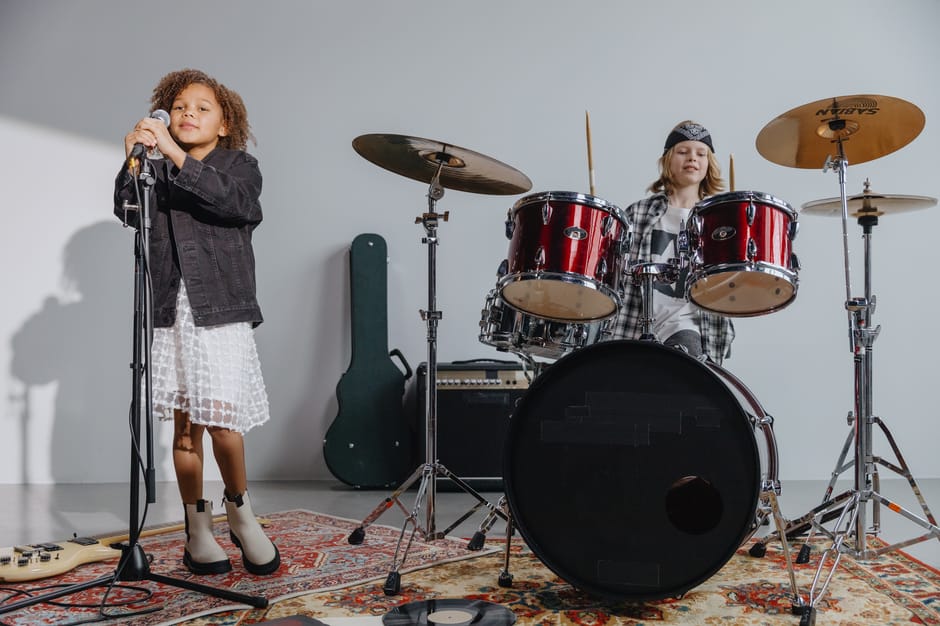
Earlier generations of celebrity children were photographed without their consent. The modern variant involves a more complicated dynamic, where the children themselves are participants in their own image-making, often through parental social media accounts.
North West, the daughter of Kim Kardashian and Kanye West, has appeared on her mother’s social channels since before she could walk. She now shares a TikTok account with her mother that has tens of millions of followers. The line between performance and exploitation, between childhood expression and content production, is contested in this case. Critics have argued that the constant filming has costs that will not be measurable for another decade. Defenders point out that the content is curated and that the child appears to enjoy it.
The Smith family pioneered the performance trajectory before social media became the dominant medium. Jaden and Willow Smith were performing publicly as children, with Willow releasing “Whip My Hair” at the age of nine and Jaden starring in “The Karate Kid” at ten. Both have since spoken in interviews about the psychological cost of childhood fame. Willow described, in a 2018 podcast appearance with her mother and grandmother, a period of self-harm and depression during her early teens that she connected to the experience of being a child performer. Jaden has been more circumspect publicly but has discussed feeling alienated and isolated during the same period.
These accounts shape how the next generation of celebrity parents approach the question. Some, like Garner and Affleck, restrict their children’s media exposure aggressively. Others, like Kardashian, integrate the children into the family content production model. The divide is not just personal preference. It is a reading of what the data of the previous generation suggests about long-term consequences.
The Nigerian and African context
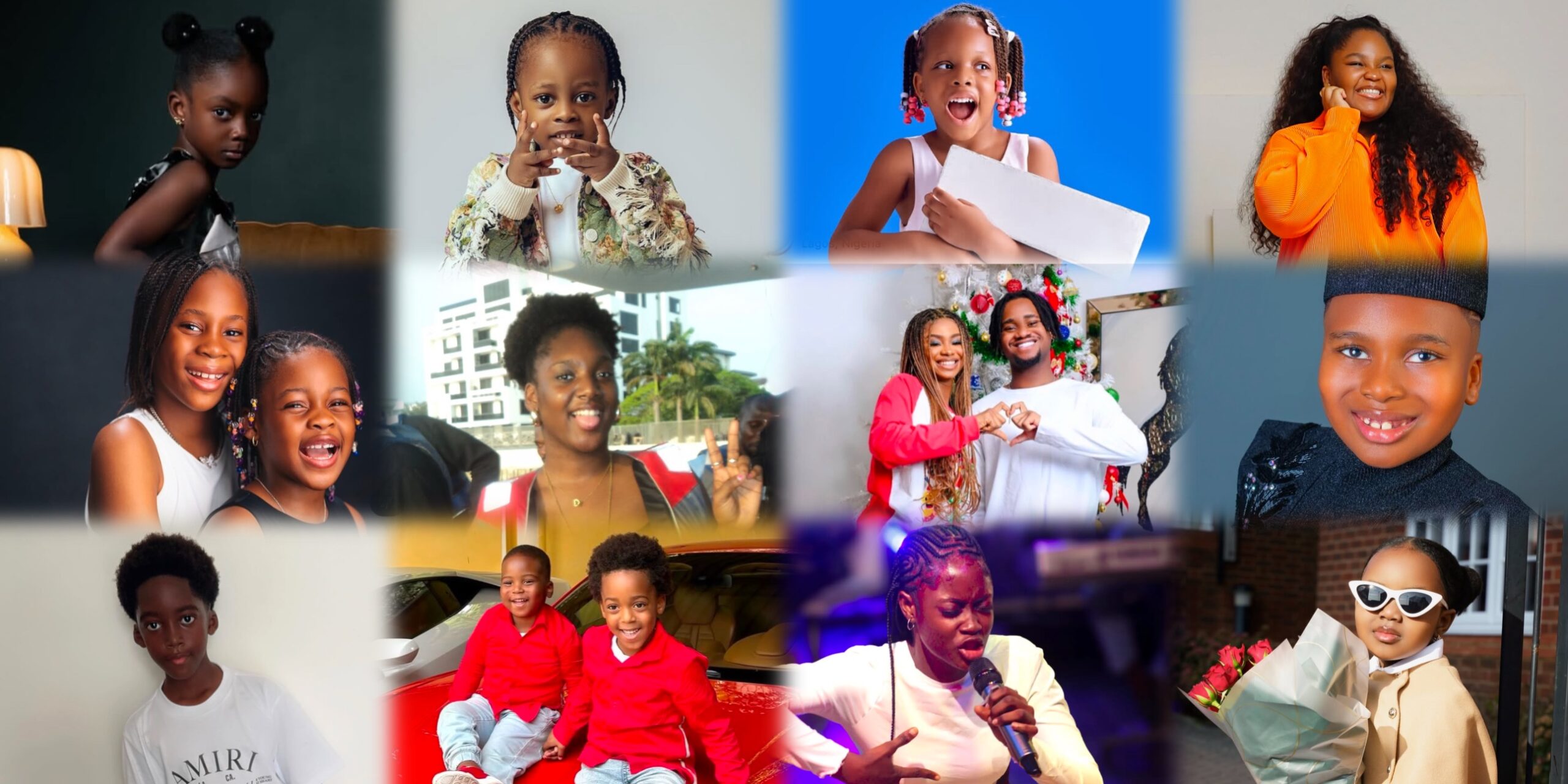
The conversation around celebrity children is not a Western-only one. Nigerian and African celebrity culture has its own version of the dynamic, and it is intensifying as the country’s entertainment industry grows.
David Adeleke, performing as Davido, has been candid about the public role of his children. His son Ifeanyi, born in 2019, became a public figure through Instagram posts and music video appearances during his short life. The child’s tragic death in 2022 became one of the most documented moments of public grief in Nigerian entertainment, with millions of posts and condolence messages across platforms. The aftermath, including legal proceedings and a private mourning period, played out partly in public and partly behind closed doors. The case raised questions in Nigerian media about how celebrity children should be presented publicly, questions that did not have established answers.
Boluwatife, the son of Wizkid born in 2011, has had a more controlled public presence. He appears occasionally on his father’s social channels, often in photographs that show him from behind or with his face partially obscured. The choice appears deliberate. Wizkid has been one of the more guarded major Afrobeats artists in his handling of family imagery, despite operating on a global stage where the temptation to monetize family content is significant.
The African celebrity context layers in additional complications. The extended family structures in many West African and East African cultures mean that celebrity children are often raised across multiple households, with grandparents, aunts, and cousins playing significant roles. The public-private boundary is configured differently than it is in nuclear-family Western media frames. A photograph of Davido’s son at a relative’s house is not the same kind of public event as a Kardashian Instagram post.
Legal frameworks across borders
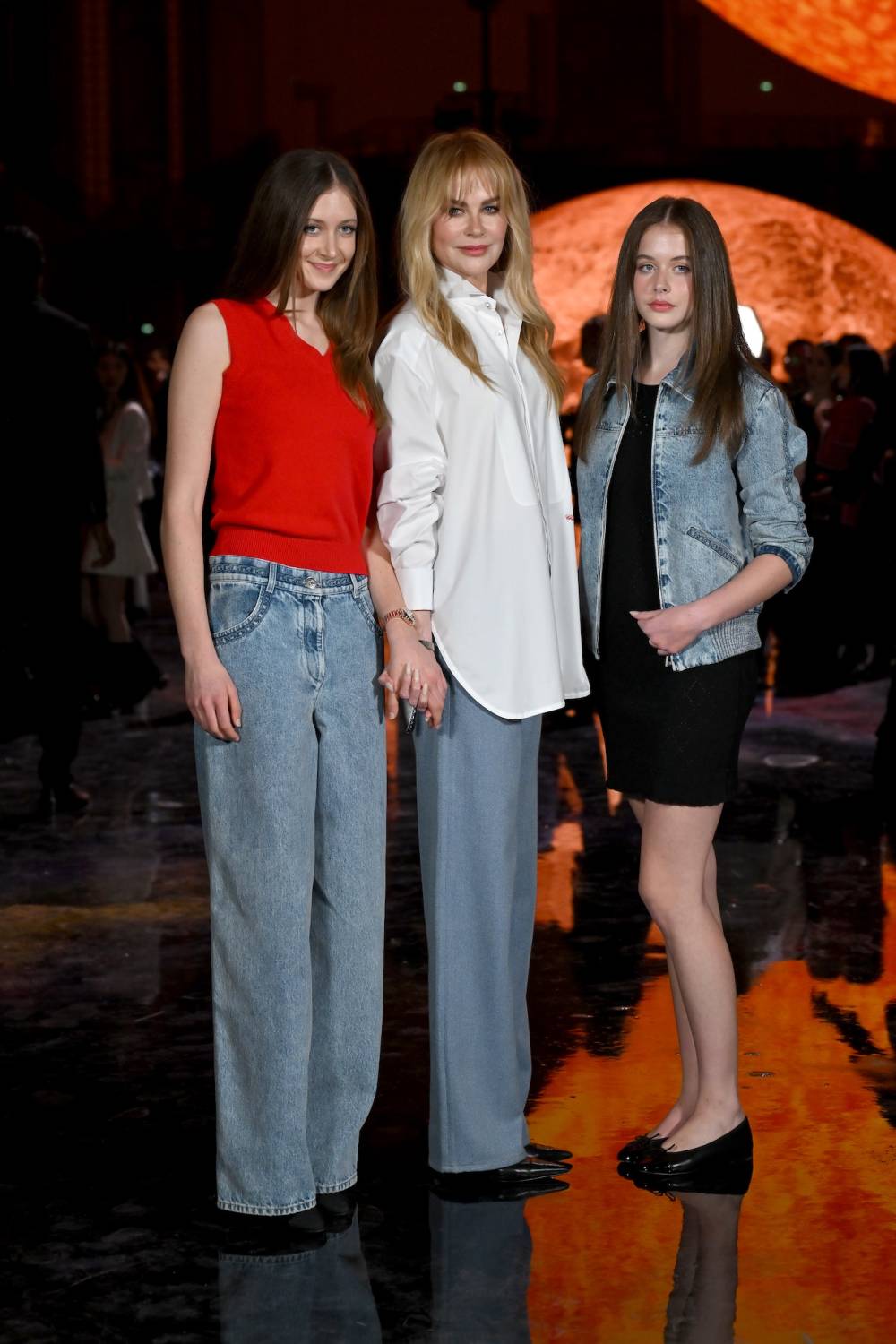
The legal protections for celebrity children vary enormously by country, and the variation matters for how parents structure their families’ public lives.
France has some of the strictest child privacy laws in the world. The country’s penal code criminalizes the unauthorized publication of a minor’s image, and in 2014 a French court ordered a celebrity magazine to pay damages for publishing photos of Pierre Casiraghi’s child without consent. The law extends to parents themselves in some cases. French legislation passed in 2024 grants children specific rights to their own image, and parents who post excessive content of their children can theoretically face legal consequences.
The United States has a much weaker framework. Most protections rely on state-level paparazzi laws, of which California’s is the strongest, and the constitutional protections for press freedom limit how aggressively child privacy can be enforced. The California laws that Garner helped pass in 2014 represented the high-water mark, and they apply primarily to harassment by photographers rather than to publication.