Ask a teenager in Lekki which Spider-Man they prefer, and the answer is increasingly not Peter Parker. It is Miles Morales. Or Hobie Brown. Or Pavitr Prabhakar, the Mumbai-based variant from “Across the Spider-Verse” whose Bollywood-inflected spider-suit drew louder cheers in Lagos cinema halls than any classic Marvel reveal in years. The traditional Spider-Man, the one who has anchored the franchise since 1962, still has fans. But the alternative variants have moved from the margins to the center of how young African audiences talk about the genre.
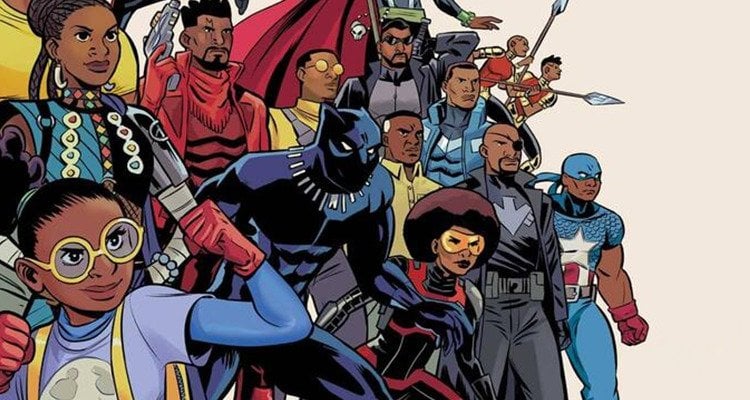
The shift is not random. It is the predictable result of decades of African viewers being asked to root for superheroes whose origin stories were never built with them in mind. When the multiverse opened up, the door opened with it. Suddenly there was a Spider-Man with locs and a punk vest. A Black Panther who ruled an undefeated African kingdom. A Wakandan teenager who designed her own armor. The genre had been making the argument for years that anyone could wear the mask. The recent wave of alternative superhero narratives has finally made the visual reality match the slogan, and African audiences have responded with a clarity that the box office numbers cannot ignore.
The Spider-Verse phenomenon in Lagos and Accra
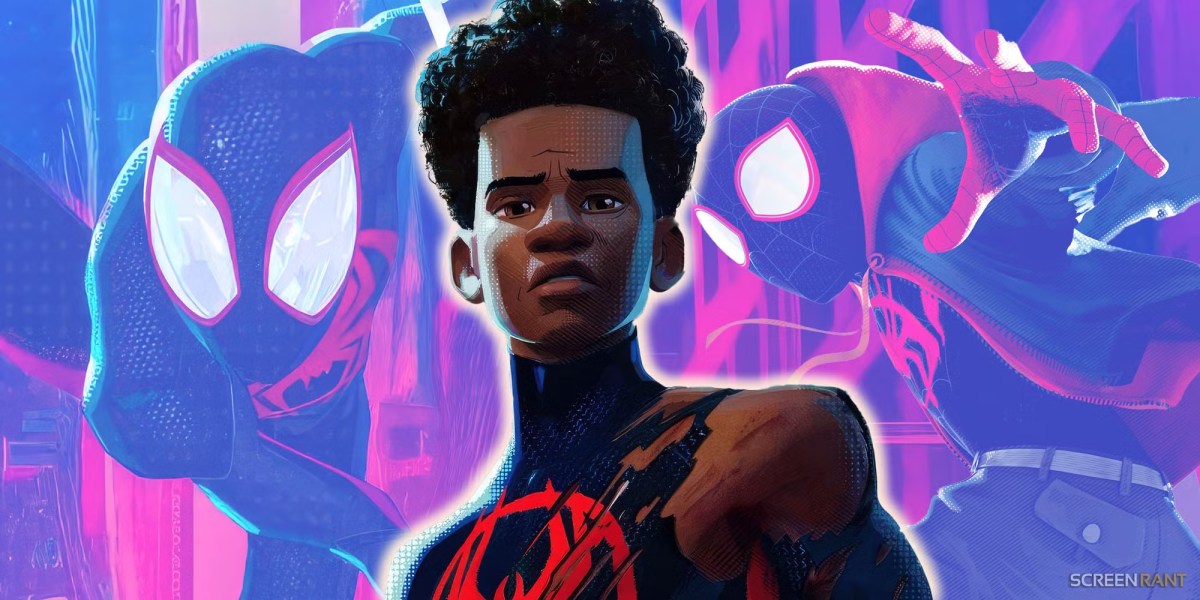
“Into the Spider-Verse” arrived in 2018 with a structural argument that landed differently in African cinemas than it did in American ones. The premise, that there are infinite versions of Spider-Man across infinite universes, removed the implicit assumption that the default version was white, male, and from New York. Miles Morales, the Afro-Latino teenager from Brooklyn, became the protagonist. The film won the Academy Award for Best Animated Feature and reshaped the conversation about what superhero animation could be.
The Lagos reception was particularly strong. Genesis Cinemas, Filmhouse, and the smaller independent screens reported sustained ticket sales through the holiday period. African Twitter, particularly the Nigerian timeline, ran with Miles Morales memes for months. The character’s hair, his sneakers, his use of music, and his Brooklyn vocabulary all read as familiar to viewers who had spent years being asked to identify with characters whose visual codes were imported from elsewhere.
“Across the Spider-Verse” in 2023 extended the appeal. The introduction of Hobie Brown, voiced by Daniel Kaluuya, added a Black British punk Spider-Man whose anarchist politics and visual design were unlike anything the franchise had attempted before. Pavitr Prabhakar’s Mumbai sequences, with Bollywood lighting and Hindi vocabulary, demonstrated that the multiverse could be a genuinely global framework rather than an American one with cosmetic variations.
The film became the highest-grossing animated film opening at Nigerian box offices in 2023. The pattern was clear. African audiences were not just consuming the alternative Spider-Man variants. They were actively preferring them.
Black Panther’s footprint
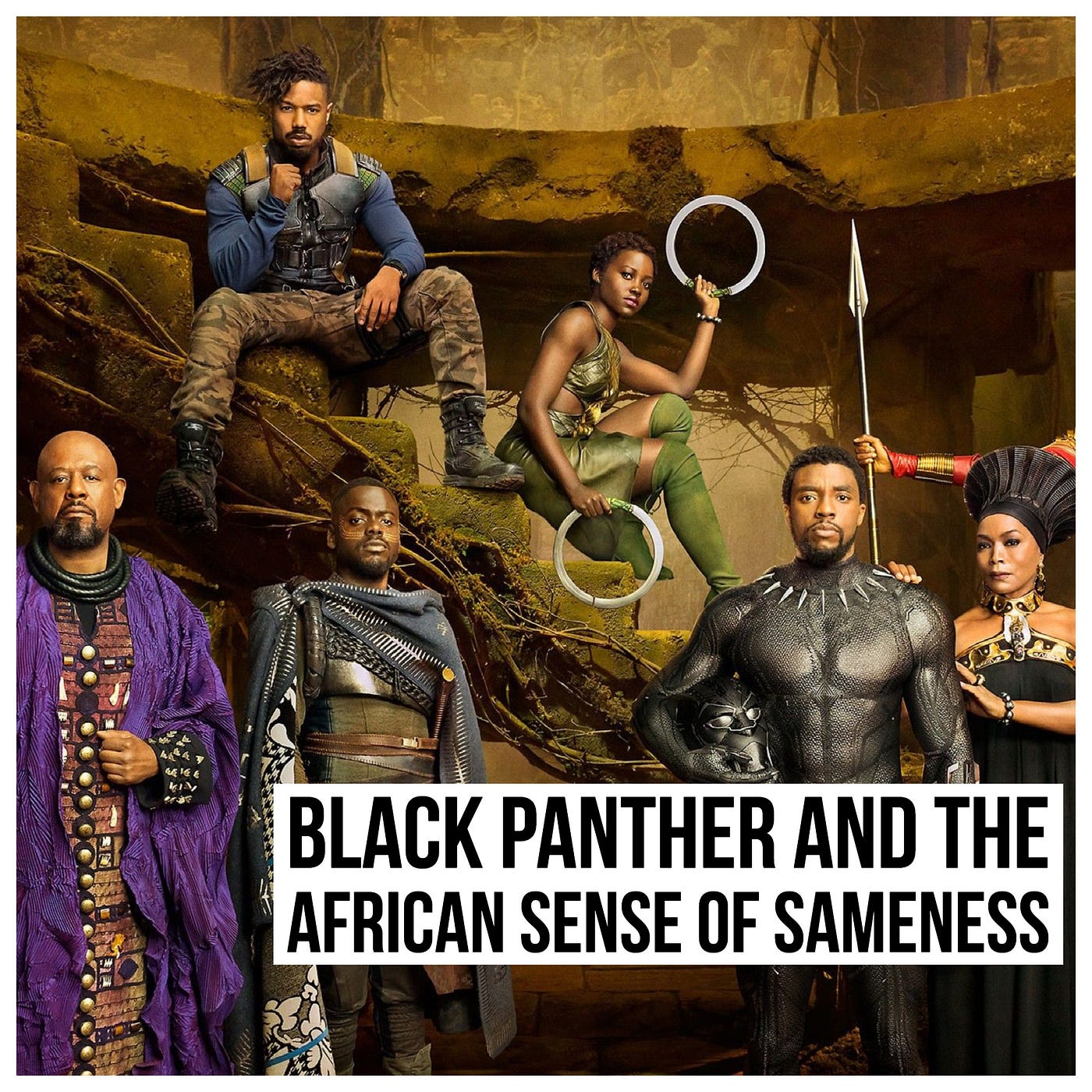
The 2018 release of “Black Panther” had already established the commercial appetite for African-coded superhero work. The film became the highest-grossing solo superhero film at the time, with sustained box office runs in markets including Kenya, South Africa, Ghana, and Nigeria. The cultural impact was beyond commercial. Wakanda became a permanent reference point in African pop culture conversation, and the film’s costume design influenced fashion across the continent for years.
“Wakanda Forever” in 2022 deepened the engagement. The film addressed the death of Chadwick Boseman within the narrative and used the absence to elevate Letitia Wright’s Shuri to the center of the story. The introduction of Namor as a Mesoamerican character rather than the comics-traditional Atlantean signaled that Marvel was willing to keep recoding the franchise away from European defaults. The reception across African markets was strong, though more emotionally complicated than the original film due to the loss of Boseman.
What the Black Panther films accomplished, beyond box office, was the demonstration that an African-coded superhero property could carry global commercial weight. The argument that the superhero genre needed to default to American settings and casting could no longer be made with a straight face. The market had spoken.
The animated origins of African superhero work
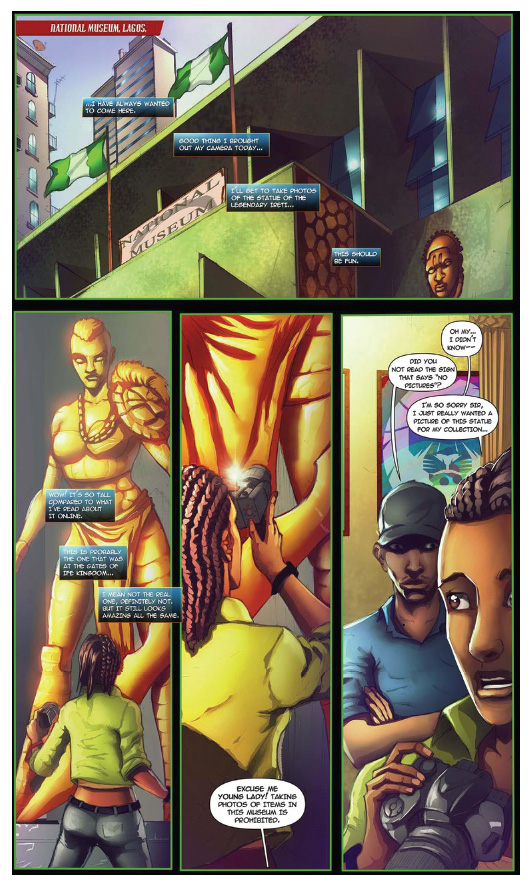
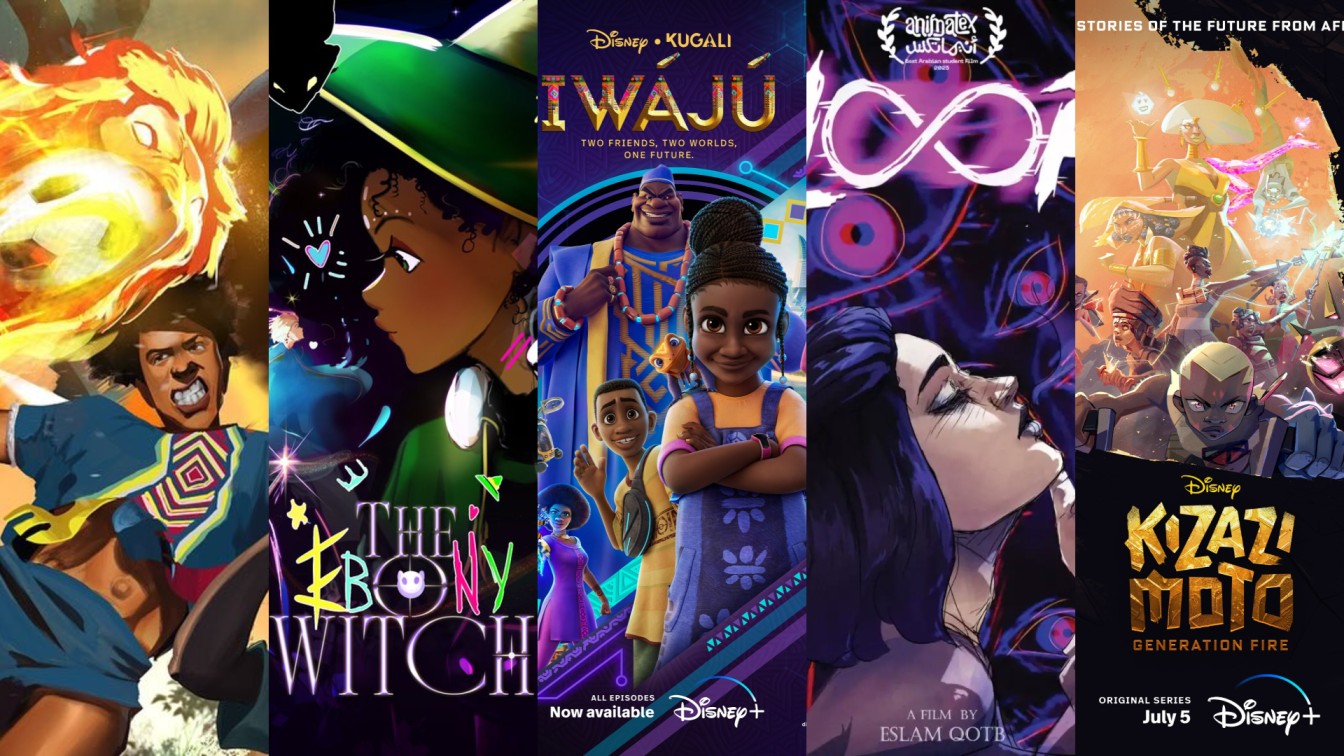
The most significant African superhero properties of the past decade have emerged through animation rather than live action. The reasons are partly budgetary and partly creative. Animation allows for the construction of visual worlds that live action requires location, sets, and effects budgets to achieve. For African creators working without the resources of a Marvel Studios, animation has been the natural medium.
Roye Okupe’s YouNeek Studios has built one of the most extensive African superhero universes in the medium. His graphic novels including “Malika: Warrior Queen,” “EXO: The Legend of Wale Williams,” and “Iyanu: Child of Wonder” have generated international recognition through partnerships with Dark Horse Comics and other major publishers. The Cartoon Network animated adaptation of “Iyanu,” which began rolling out in 2025, marked the first major American studio commitment to an African superhero property created by an African writer.
The Iyanu series follows a teenage girl in a Yoruba-inspired fantasy kingdom who discovers she has powers tied to ancient deities. The framework is unmistakably African in its visual language, costume design, and mythological references. The animation production involved a mix of African and American studio talent, with Okupe maintaining creative control over the source material.
“Supa Strikas,” the long-running African football superhero comic and animated series, has been a quieter but durable presence in the same space. The series, which combines superhero genre conventions with football storytelling, has aired across African television markets for years and has built a loyal multi-generational audience. The show is broadcast in dozens of countries and has spawned merchandise lines, live events, and adjacent media properties.
Nnedi Okorafor and the Marvel pipeline
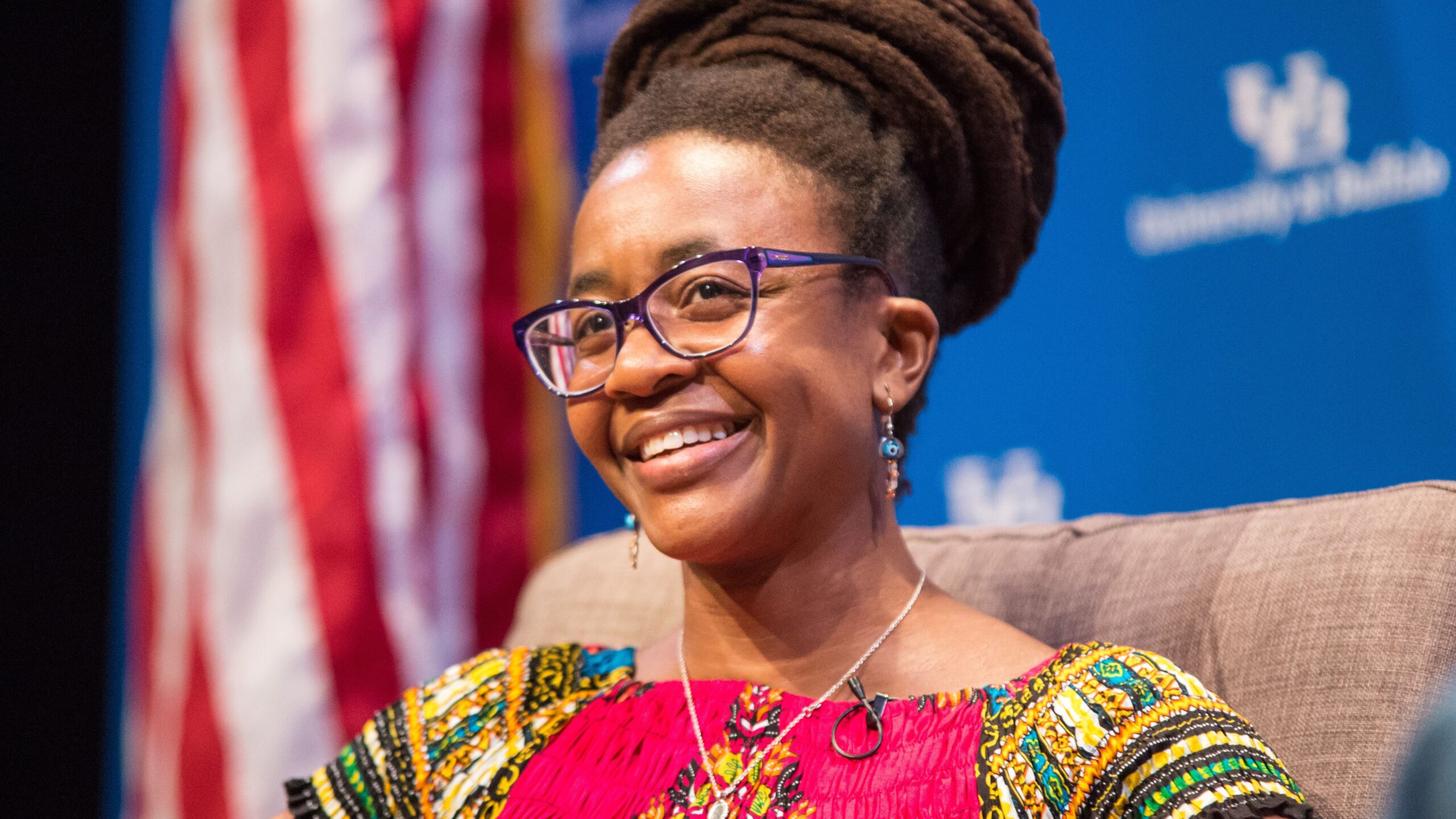
Nnedi Okorafor’s work on the Marvel comics versions of Black Panther and Wakanda has been one of the most important contributions to the genre’s African coding in recent years. Her run on “Black Panther: Long Live the King” and her work on “Wakanda Forever” and related comics integrated her Nigerian and Igbo cultural framework into the Marvel canon in ways that previous writers had not attempted.
Okorafor’s background in Africanfuturism, a literary movement she has been one of the leading articulators of, has shaped how she approaches the comics work. Her novels including “Who Fears Death,” “Binti,” and “Lagoon” have built a body of speculative fiction that imagines African futures without filtering them through European or American narrative conventions. The comics work has applied that same framework to existing Marvel properties.
The impact has been to demonstrate that African writers can shape major superhero franchises from inside, not just by creating new African superhero properties from outside. The pipeline that runs from Africanfuturist literature to Marvel comics to potential streaming adaptations is now a documented one. The next phase, in which African creators take leading positions on live-action Marvel and DC projects, is the logical extension.