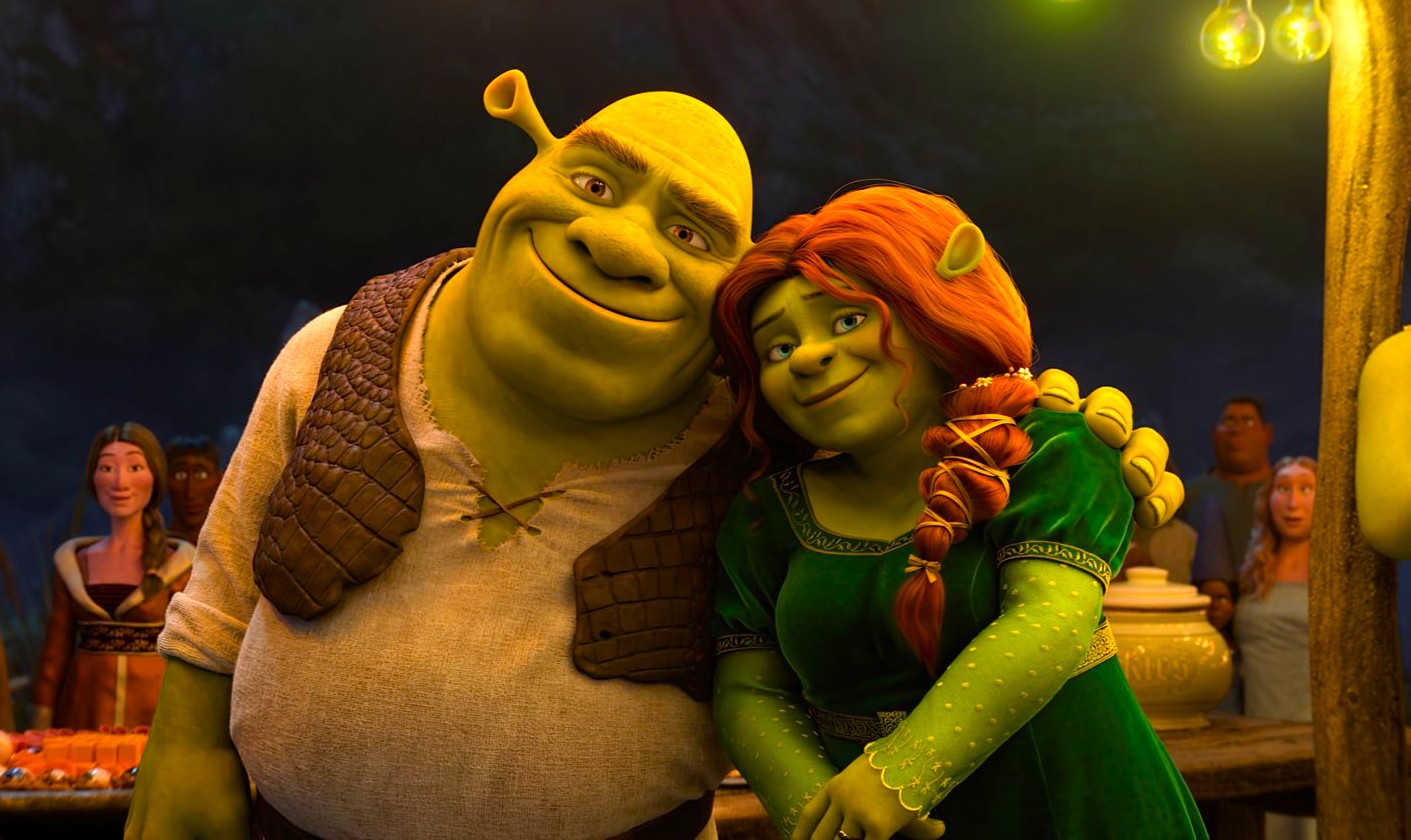
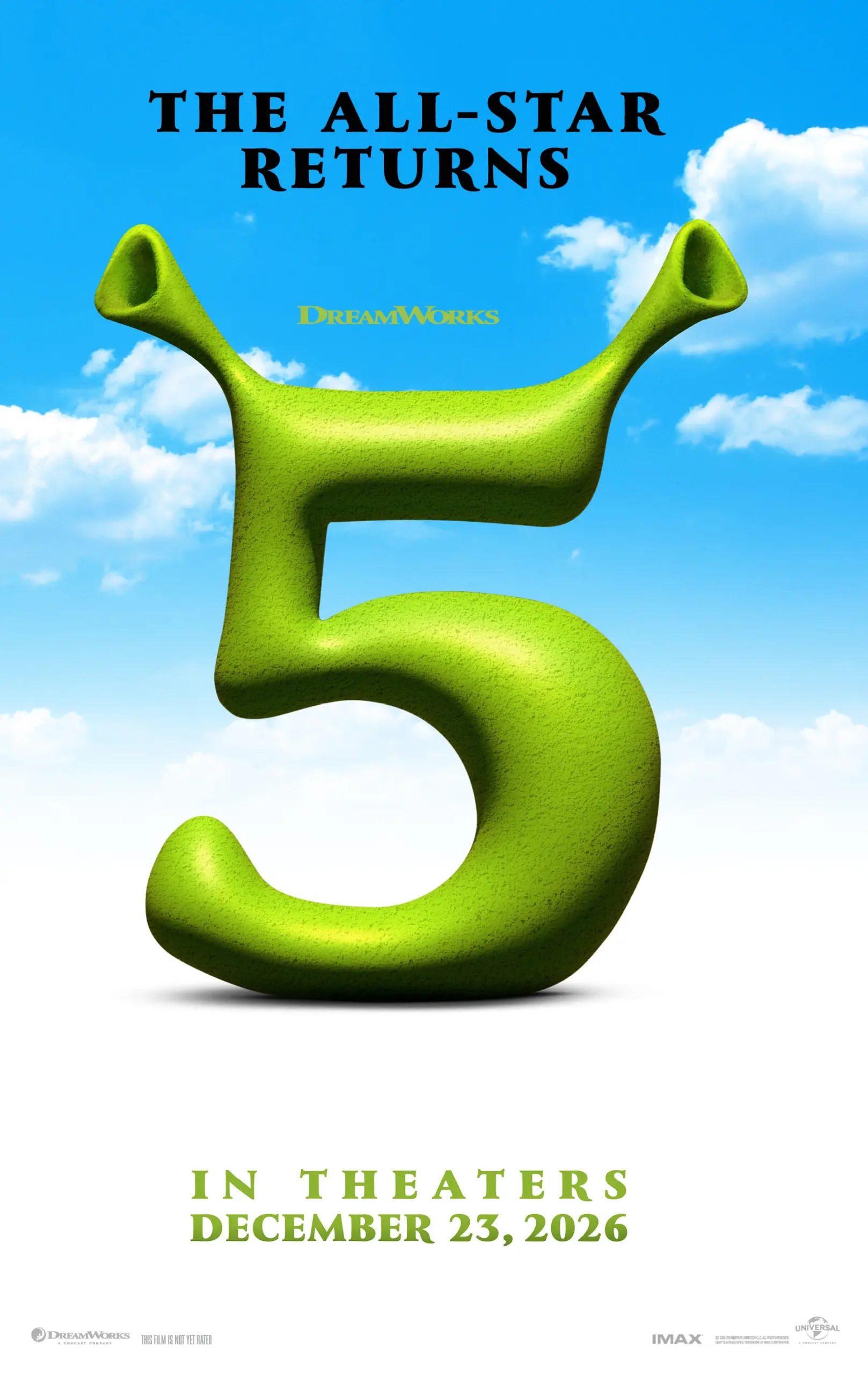
Few business plans in Hollywood are as quietly reliable as handing audiences a character they already love and asking them to fall in love a second time. The swamp, the donkey, the dragon, the gingerbread man with the missing leg - none of it needs introducing. That familiarity is not sentiment. It is collateral. When a studio greenlights a sequel to a property that millions of people grew up quoting, it is not gambling on a fresh idea catching fire. It is borrowing against affection that has been compounding for two decades. The return of Shrek to cinemas is the clearest recent reminder that nostalgia, packaged correctly, is one of the most dependable assets the modern box office has.
The long road back to Far Far Away
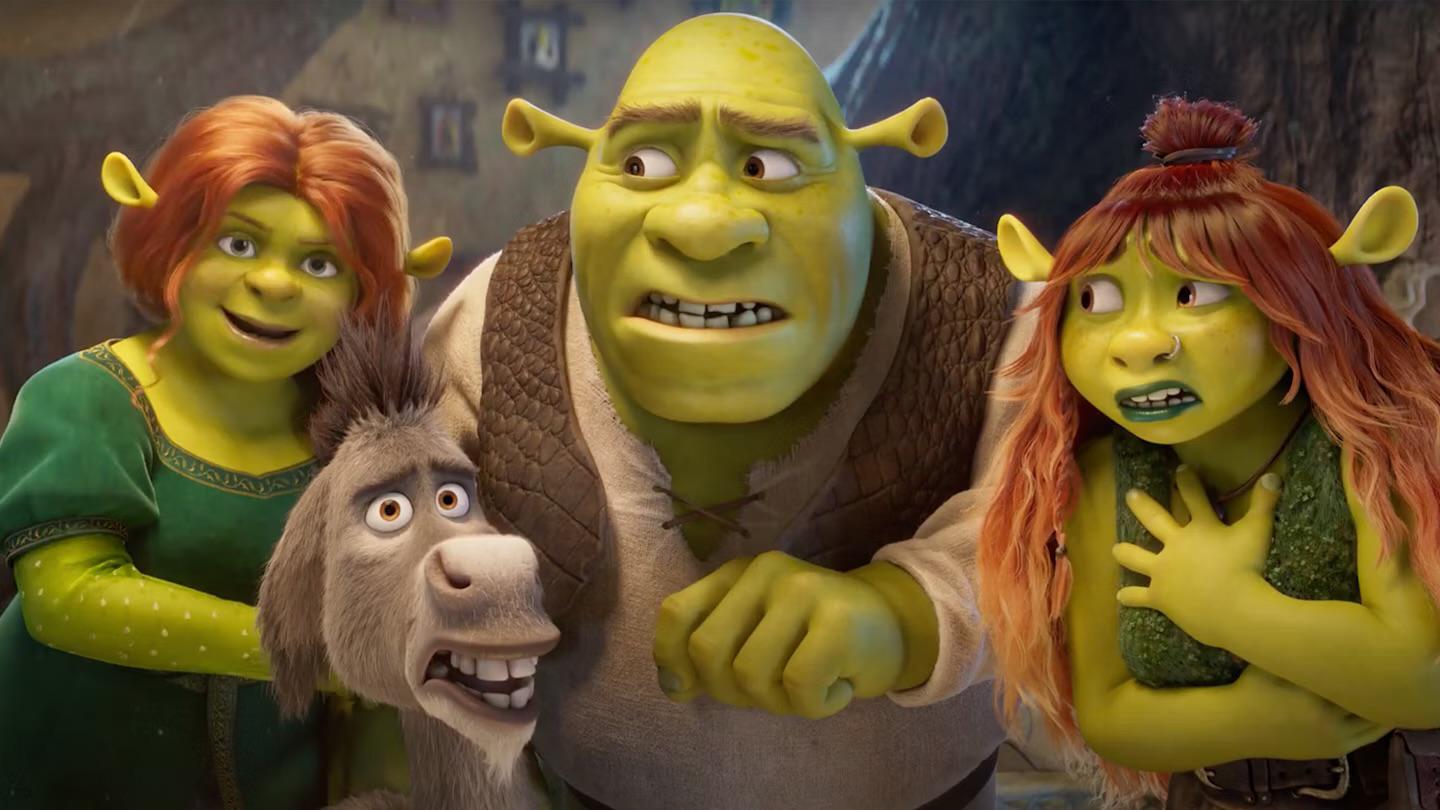
After years of speculation, Shrek 5 became a confirmed reality, with Universal Pictures and DreamWorks Animation reuniting the original voice cast. Mike Myers returns as Shrek, Eddie Murphy as Donkey and Cameron Diaz as Fiona, the trio that defined the franchise at its peak. The film also expands the family. Zendaya joins the cast as Felicia, the daughter of Shrek and Fiona, while Marcello Hernandez and Skyler Gisondo voice the couple’s sons, Fergus and Farkle. Walt Dohrn and Conrad Vernon, both longtime franchise hands, are directing.
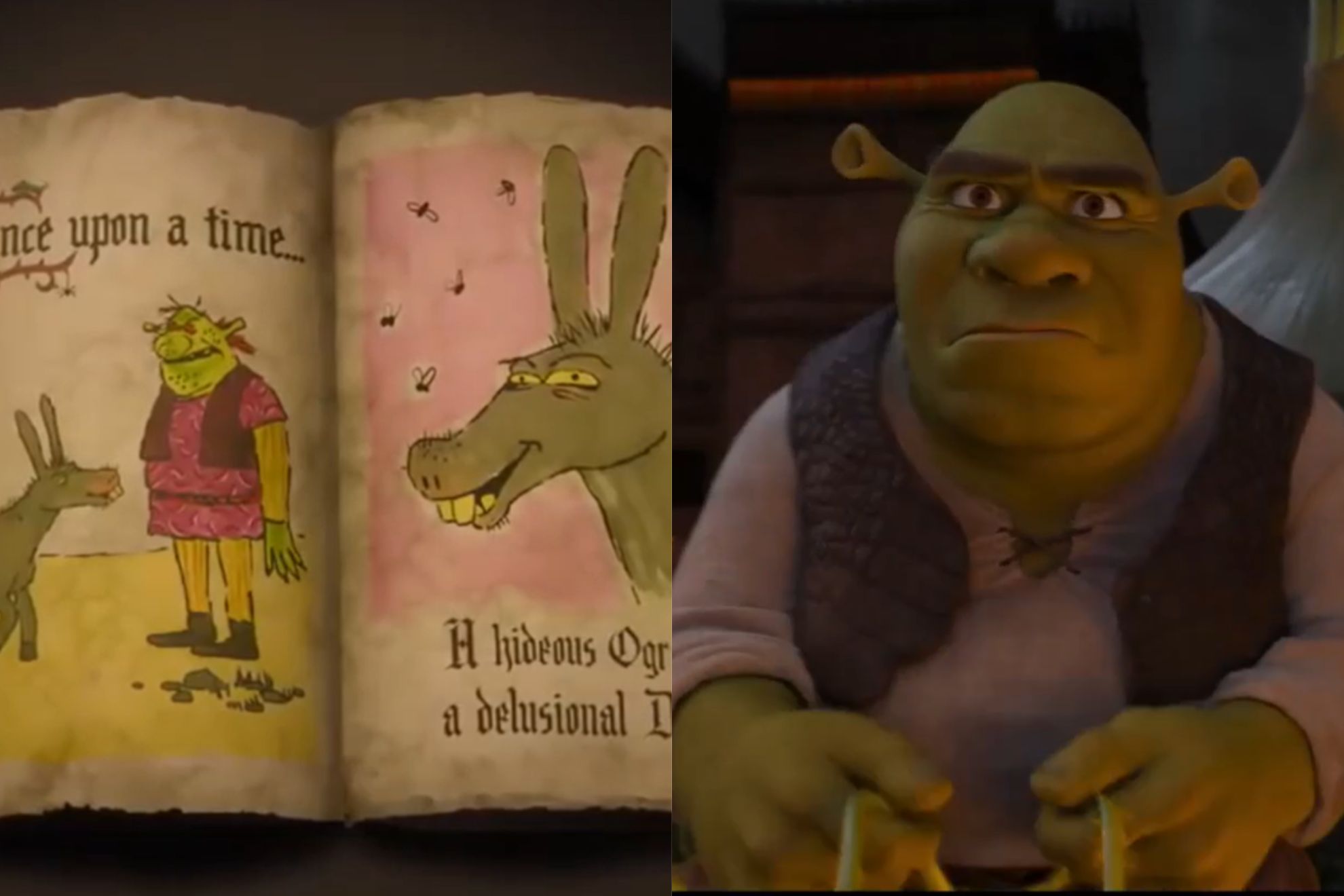
The journey to the screen has not been smooth, and that itself says something about how these revivals are managed. Shrek 5 was originally slated for July 2026, then shifted to a December 2026 berth, and was later moved again. As of mid-2026, Universal and DreamWorks have set the film for a June 30, 2027 release. A first teaser trailer arrived on June 16, 2026, opening with a storybook narrator reintroducing “a hideous ogre and a delusional donkey” and drawing immediate, franchise-sized attention online. The repeated date changes are not a sign of trouble so much as a sign of value. A studio does not nudge a small film around the calendar for a year. It reschedules a film it believes can anchor a quarter, and it waits for the slot that protects that bet.
Why Shrek specifically still carries equity
Not every dormant property is worth reviving, and the reasons Shrek qualifies are worth pulling apart. The first film arrived in 2001 and did something unusual for its moment. It poked fun at the fairy-tale formula while delivering a genuinely warm version of it, which meant it landed with both children and the adults sitting beside them. That dual appeal is the rarest and most valuable thing an animated brand can own, because it doubles the potential ticket buyer for every future installment.
The franchise then did what durable brands do. It became shorthand. Shrek lines, Shrek memes, the “Shrek is love” internet culture, the green ears on Halloween costumes - the character slipped out of the films and into the general vocabulary. A generation that saw the first movie as small children reached adulthood with the property still circulating around them, often ironically, which kept it alive in exactly the demographic that now buys its own tickets and brings its own kids. By the time a fifth film was announced, DreamWorks was not reintroducing a forgotten character. It was reactivating a name that never fully left.
That persistence is the part outsiders tend to underestimate. Brand equity in entertainment is not measured only by how much a film earned on opening weekend years ago. It is measured by whether the name still triggers an instant, unprompted reaction, and Shrek clears that bar without effort. A character that strangers can imitate, that turns up in jokes told by people too young to have seen the original in cinemas, has crossed from product into culture. Studios pay enormous sums trying to manufacture that kind of recognition for new properties. With Shrek, they already owned it, fully paid off, sitting on the shelf and waiting to be switched back on.
The Puss in Boots reminder
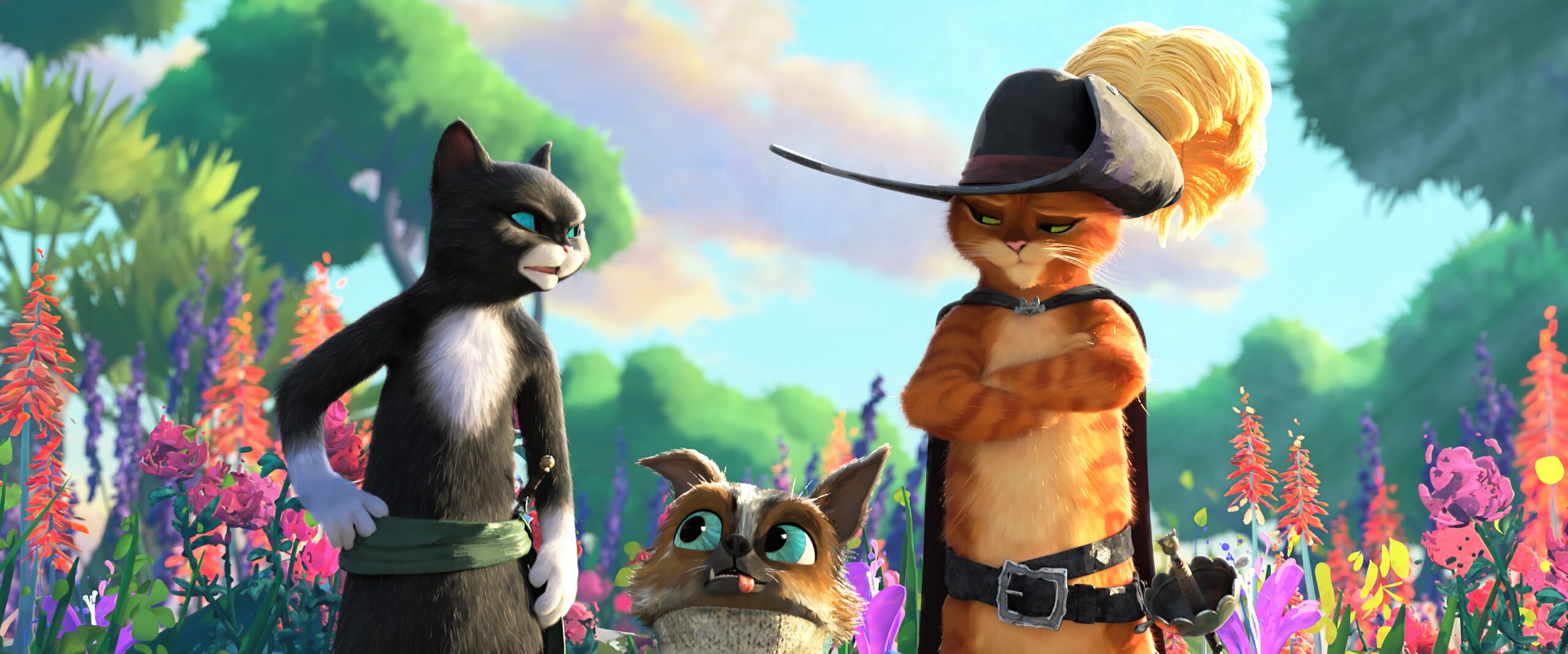
There was also a recent, concrete proof of concept, and it mattered. Puss in Boots: The Last Wish, released in late 2022, was widely treated as a surprise. The wider Shrek universe had gone quiet for years, and expectations for a spin-off sequel to a side character were modest. The film outperformed them comprehensively. By reported figures, The Last Wish grossed roughly $484 million worldwide against a production budget reported in the $90 million to $110 million range, finishing as one of the higher-grossing films of its year. It also drew strong reviews, with a 95 percent critics’ score on Rotten Tomatoes by the site’s tally, and earned a Best Animated Feature nomination at the Academy Awards.
What made The Last Wish instructive was not only the money. It was the demonstration that the Shrek universe still had creative life and commercial pull when handled with care rather than treated as a tired cash grab. Its distinctive, painterly animation style signalled ambition, not coasting. For a studio weighing whether to spend nine figures bringing the main characters back, that result functioned as a market test. The audience had answered before the question was formally asked.
The data behind animated revivals
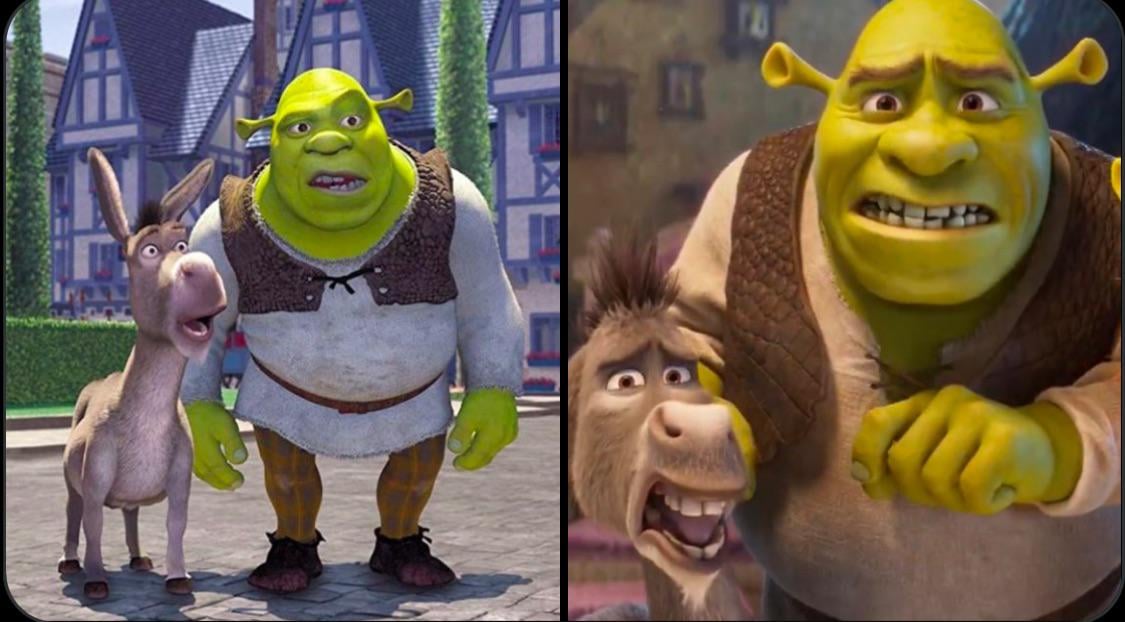
Step back from one swamp and the broader pattern becomes hard to miss. The years immediately before Shrek 5’s announcement were dominated, at the global box office, by sequels and legacy animated brands rather than original stories.
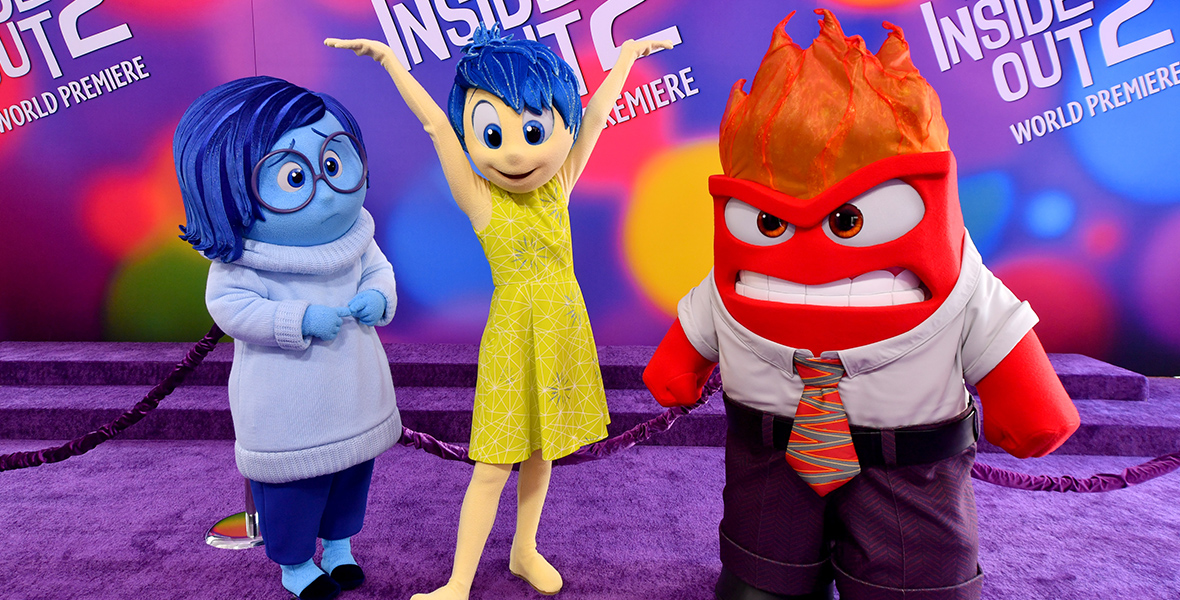
The clearest case is Inside Out 2. Released by Disney and Pixar in 2024, it grossed roughly $1.69 billion worldwide by the studio’s reported figures, becoming, per Disney, the highest-grossing animated film of all time and the highest-grossing film of its year. It was a sequel to a 2015 hit, arriving nearly a decade later, banking on viewers who had aged alongside the original.
It did not stand alone. By reported 2024 tallies, Moana 2 crossed the $1 billion mark globally, and Despicable Me 4 finished near $969 million, with the wider Despicable Me and Minions universe long established as one of animation’s most bankable engines. Mufasa: The Lion King, a prequel within Disney’s Lion King property, was reported around $700 million globally in the same period, extending a brand Disney had already revisited with its photorealistic 2019 remake. Layer in the long tail of Toy Story revivals and the steady drumbeat of Disney’s live-action remakes of its own animated classics, and a consistent picture emerges. The biggest animated money, year after year, flows toward names audiences already know.
These figures are box-office reporting attributed to studios and trade outlets, and they fluctuate as totals are finalised. The direction, however, is steady enough to shape strategy, and studios read it clearly.