
Table of Contents
- A Star-Studded Lineup for Democracy
- Hollywood’s Voice in Political Activism
- Music Legends Leading the Charge
- Concert Details and Accessibility
- Part of a Broader Cultural Movement
A Star-Studded Lineup for Democracy
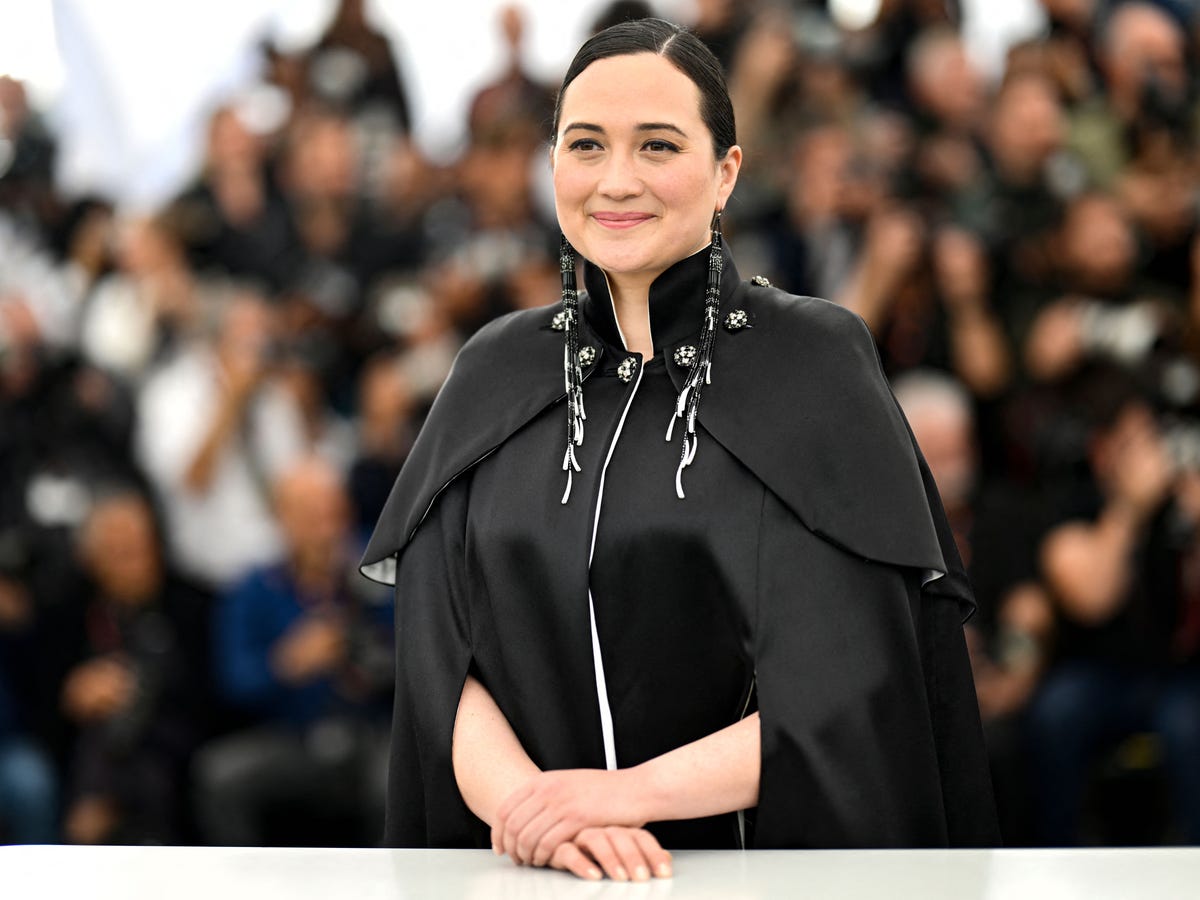
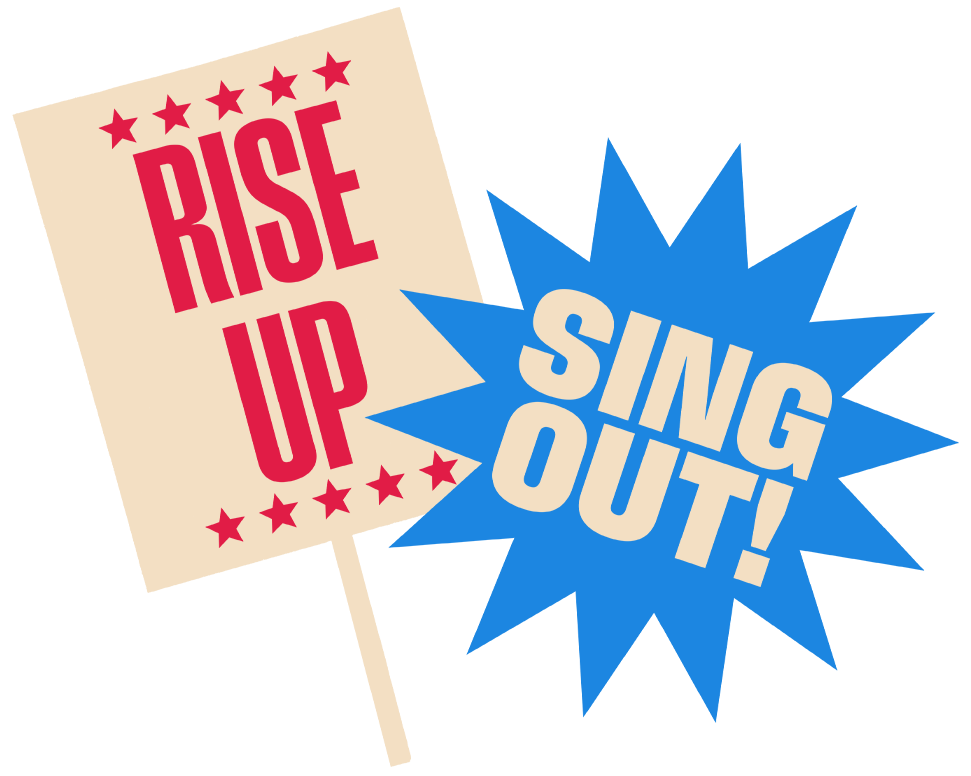
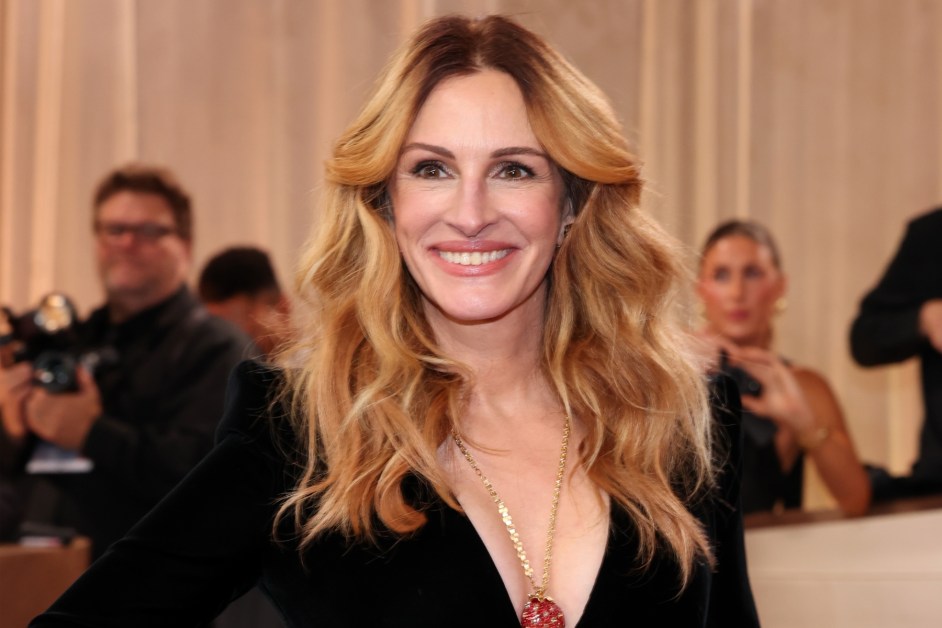
The entertainment industry is once again mobilizing its most powerful voices for a cause that transcends red carpets and award shows. Julia Roberts, the beloved “Pretty Woman” star, and Lily Gladstone, the breakout talent from “Killers of the Flower Moon,” are joining forces with music legends Patti Smith and Bette Midler for a special concert event titled “Rise Up, Sing Out.” This unique gathering represents more than just another celebrity benefit show - it’s a deliberate statement from some of entertainment’s most respected figures about the current state of American democracy. The event, scheduled to take place in New York City, promises to blend the raw power of live music with the compelling presence of Hollywood’s finest, creating an evening that organizers hope will resonate far beyond the venue’s walls.
Hollywood’s Voice in Political Activism

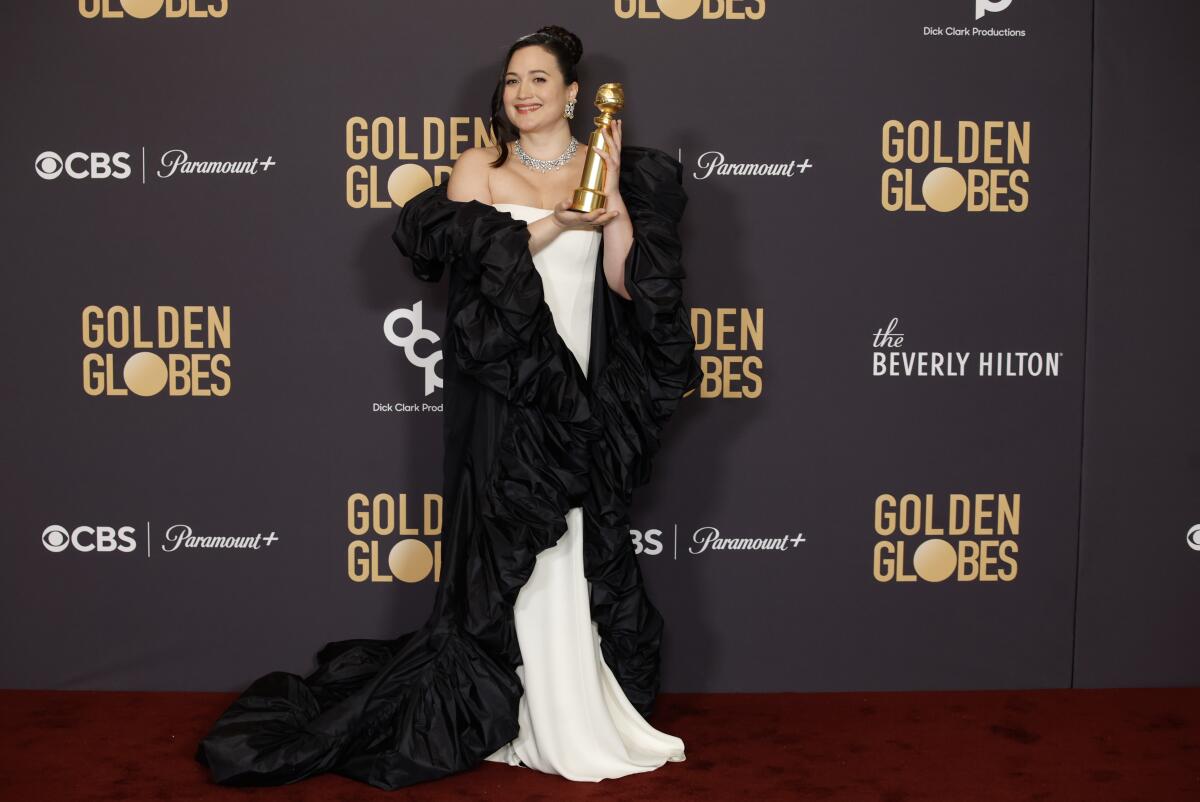
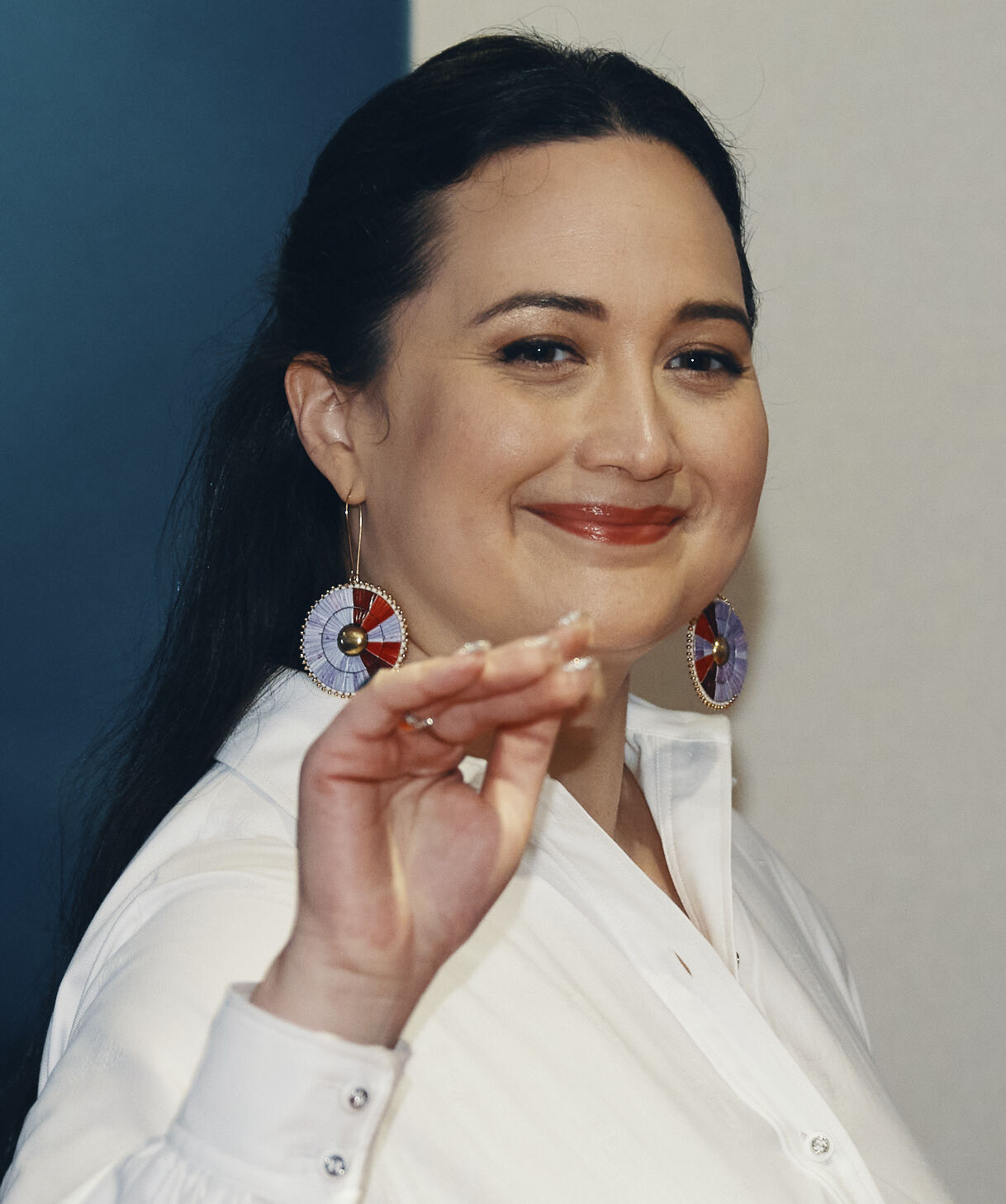
The participation of Julia Roberts and Lily Gladstone represents two different generations of Hollywood activism coming together for a common cause. Roberts, whose career has spanned over three decades, has long been known for her selective involvement in political causes, choosing her moments to speak out with careful consideration. Her presence at “Rise Up, Sing Out” carries significant weight, given her status as one of America’s most beloved actresses and her ability to connect with audiences across political divides. Meanwhile, Gladstone brings a fresh perspective as an Indigenous actress whose recent Academy Award nomination for her powerful performance in Martin Scorsese’s latest film has positioned her as one of Hollywood’s most important emerging voices. Her involvement adds crucial representation to the event, bringing attention to issues that affect Native American communities while also highlighting the broader threats to democratic institutions that impact all marginalized groups.
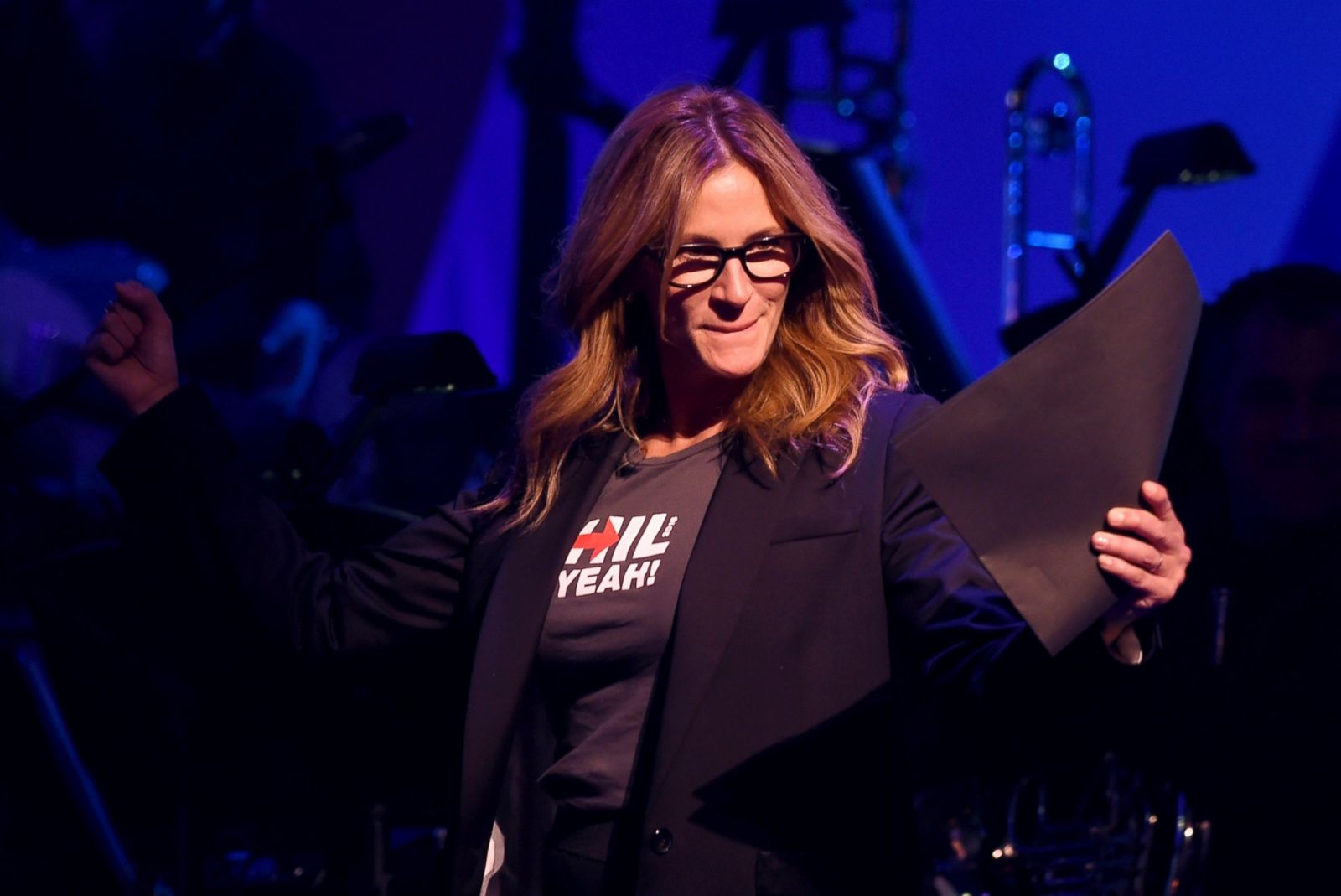
The decision by both actresses to participate in this concert reflects a growing trend among Hollywood personalities to use their platforms more deliberately in response to what they perceive as unprecedented challenges to democratic norms. Their involvement goes beyond mere celebrity endorsement - it represents a conscious choice to align themselves with a movement that views artistic expression as a form of resistance and democratic participation as a civic duty.
Music Legends Leading the Charge
While the Hollywood star power certainly draws attention, the musical backbone of “Rise Up, Sing Out” rests on the shoulders of two of America’s most iconic performers. Patti Smith, the legendary punk poet whose influence on rock music and political discourse cannot be overstated, brings decades of artistic rebellion and social consciousness to the event. Known for her uncompromising artistic vision and her ability to channel political frustration into transcendent musical moments, Smith’s participation virtually guarantees that the evening will feature performances that are both musically spectacular and politically urgent. Her 1975 debut album “Horses” revolutionized rock music, and her continued activism throughout her career has made her a beacon for artists who refuse to separate their art from their political beliefs.
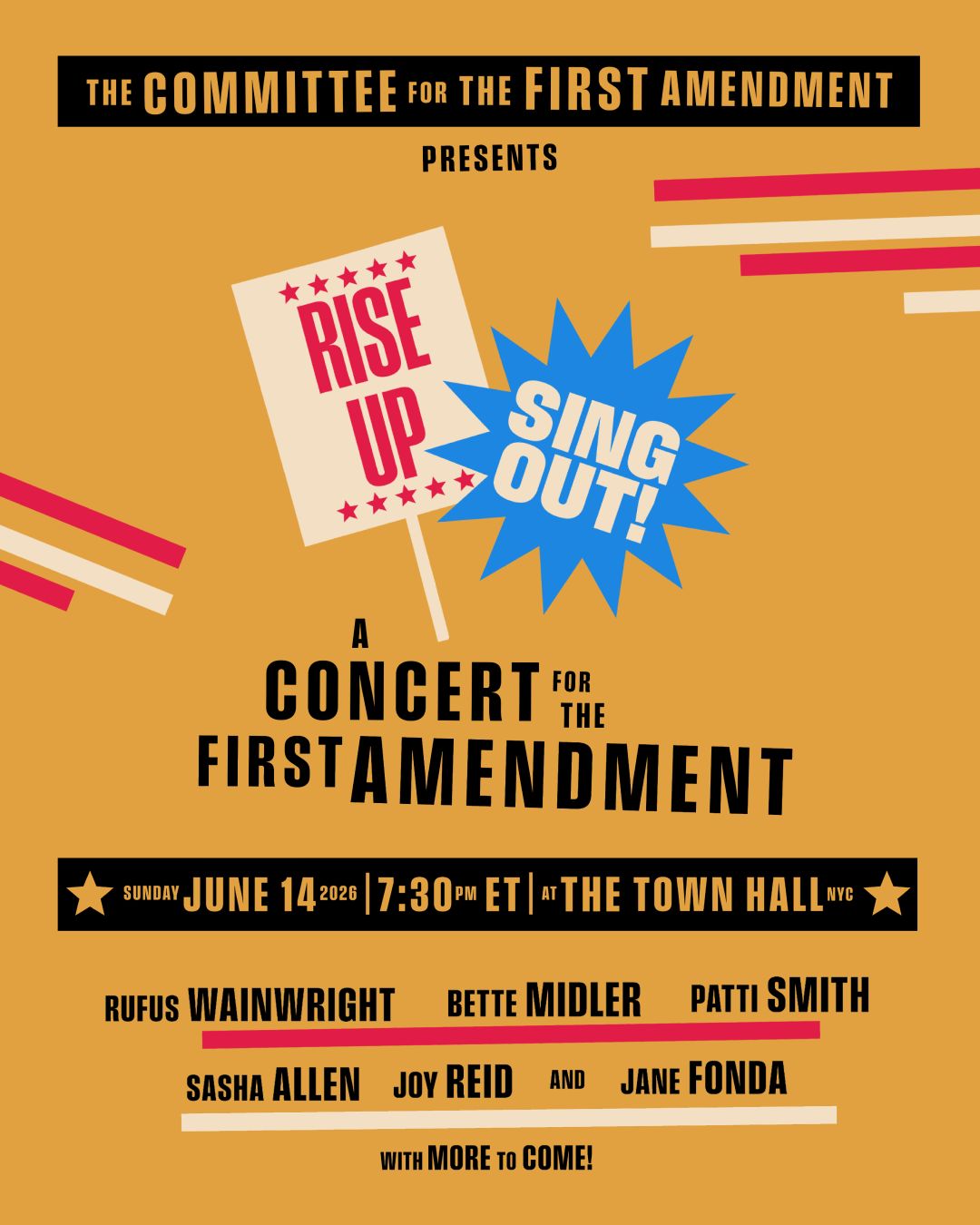
Bette Midler’s involvement adds another dimension entirely, bringing her incomparable showmanship and decades of experience in using entertainment as a vehicle for social change. The Tony, Grammy, and Emmy-winning performer has never shied away from political commentary, particularly in recent years as she’s become increasingly vocal about her concerns regarding democratic backsliding. Midler’s ability to blend humor, pathos, and sheer vocal power makes her an ideal choice for an event that seeks to inspire rather than simply protest. Her presence also ensures that the evening will have moments of levity and joy alongside its more serious messaging, recognizing that effective political art often works best when it uplifts as well as challenges.