Why Afrobeats Artists Name-Drop Lagos, Lekki and Victoria Island: A Cultural Map
Jalen Ross··11 min read
Ad SpaceArticle Top - 728x90
Advertisement
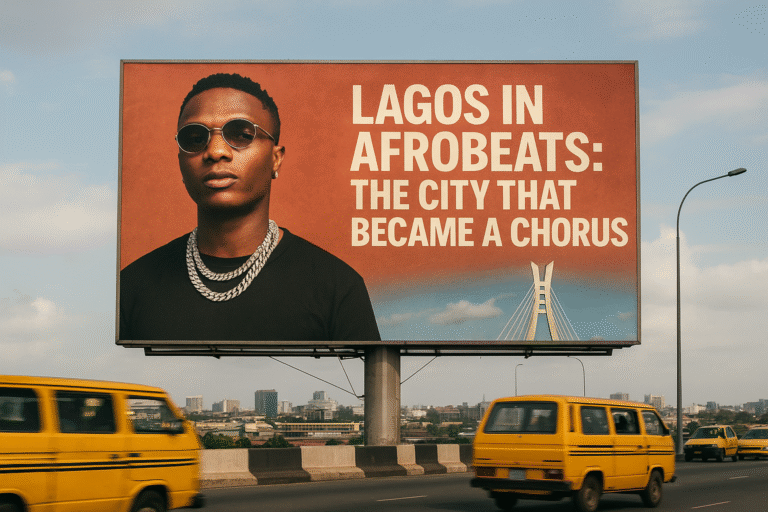
Streets become scripture in Afrobeats. Listen long enough and the genre stops sounding like songs and starts sounding like a guided tour of one specific city, with the same neighborhoods cycling through verse after verse, hook after hook, until you realize the music has been quietly drawing a map all along. Lagos is not background noise in this catalogue. It is the protagonist, the antagonist, the location scout, the costume designer, and occasionally the villain.
Other Nigerian cities exist in the lyrics, sure. Burna Boy will tip his hat to Port Harcourt. Olamide will throw a line at Ibadan. But the gravity of the genre pulls everything back to Lagos, and within Lagos to a handful of postcodes that have become as recognizable to global listeners as Compton or Atlanta’s Bankhead or London’s Peckham. Decoding why those specific neighborhoods get name-dropped, and what each one signals, is half the fun of being a real Afrobeats listener.
The Mainland and the Island: Lagos in Two Halves
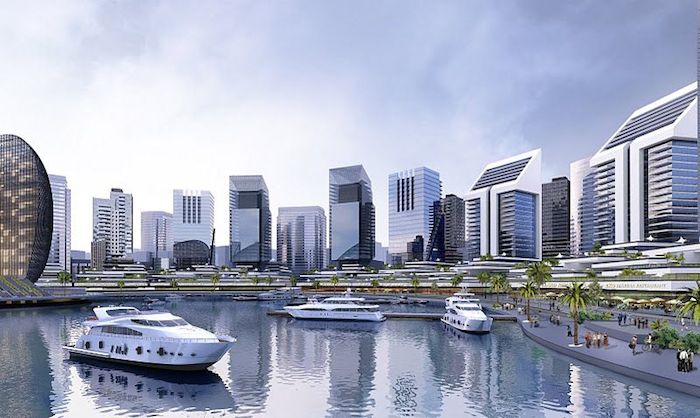
Before the neighborhood-by-neighborhood breakdown, the geography lesson. Lagos splits roughly into two: the Mainland and the Island, connected by a small handful of bridges that turn into parking lots every weekday at 6 PM. The Mainland is older, denser, louder, more populated, more working-class. The Island is newer, glossier, gated, expensive, and home to most of the wealth that did not inherit a Mainland family compound.
Afrobeats lives on both sides of that bridge, and most of the genre’s emotional tension comes from the crossing. An artist who grew up on the Mainland and now lives on the Island has crossed a line that matters more than any record sale. The music tracks that crossing constantly, sometimes with pride, sometimes with guilt, sometimes with the kind of nostalgia that only shows up after rent stops being a daily problem.
That Mainland-Island divide is why a Lekki Phase 1 name-drop lands as a flex in a Davido verse. It is why Wizkid going back to “Ojuelegba” on his breakthrough hook landed as a homecoming rather than a brag. Both artists are signaling location, but they are also signaling distance traveled, social position, and which version of Lagos shaped them.
Why the Map Matters to Global Listeners
A Toronto teenager hearing “Ojuelegba” for the first time has no reason to know that Ojuelegba is a notoriously chaotic bus interchange in Surulere on the Lagos Mainland. But the song works anyway, because Wizkid’s delivery carries the weight of the place. The specificity translates even when the geography does not. Drake heard it, jumped on the remix, and now Ojuelegba is on the list of global rap landmarks alongside St. Marks Place and Marcy Projects.
The same thing has happened with Lekki, Banana Island, Surulere, Bariga. These names travel because the songs that carry them are honest about what each address means. A listener in Atlanta might not know the postcode, but they can hear “Banana Island” land differently than “Bariga” lands, and the inflection tells them everything.
Surulere: The Soul of the Mainland
Surulere is the Brooklyn of Afrobeats, the neighborhood that produced the foundational voices and refuses to let anyone forget. Wizkid grew up there. So did countless studio rats and DJs and dancers who form the bench depth of the genre. The name itself comes from a Yoruba phrase meaning “patience has its reward,” which is a tagline a screenwriter would put on the nose, but Lagos is allowed to be on the nose about itself.
Ojuelegba, the bus stop Wizkid immortalized, sits in Surulere. It is the kind of junction where danfo buses fight for space with hawkers and motorcycle taxis and old women carrying baskets of pepper, and the soundtrack is honking and shouting and the slap of slippers on wet pavement. Wizkid grew up navigating that, and the song is essentially a letter to himself confirming he made it out without losing the part that knew the bus fare to the next neighborhood.
Olamide is the other Surulere monarch, though he reps Bariga more loudly. Both neighborhoods sit in the same Mainland working-class zone, both produced rappers who refused to sand off their accents for international markets, and both function in the music as a kind of authenticity stamp. If you can name Bariga or Surulere streets in your verses, you are not a tourist.
Bariga and Ajegunle: The Other Mainland Anchors
Bariga is Olamide’s whole brand. He started a record label called YBNL Nation that effectively functions as a Bariga-to-the-world pipeline, and his discography reads like an oral history of one specific Mainland community. Ajegunle, often shortened to “AJ City,” is the other major Mainland zone in Afrobeats lore, and it is where reggae and dancehall first took root in Nigeria. Burna Boy’s whole sonic foundation owes a debt to Ajegunle even when he is repping Port Harcourt, because the AJ sound shaped a whole generation of Lagos producers who later built the modern Afrobeats template.
Festac and Apapa get name-checked less often but carry the same Mainland working-class weight. These are neighborhoods where the music is woven into the fabric of every street corner, where every other compound has a kid trying to be the next Wizkid, and where the bus conductors quote song lyrics back at passengers.
Lekki Phase 1: The Modern Wealth Marker
Cross the bridge to the Island and the language of the music changes completely. Lekki Phase 1 is the most name-dropped luxury postcode in modern Afrobeats, and Davido has done more than anyone to embed it in the global lexicon. When the postcode turns up in his verses, the listeners who know are immediately situated in a specific tier of Lagos wealth.
Phase 1 specifically matters because Lekki itself is a long, sprawling peninsula that runs east from the older Island districts, and the further out you go the cheaper and newer the developments get. Phase 1 is the closest to the bridge, the most established, the one with the gated communities that have actual mature trees instead of saplings. Saying “Lekki Phase 1” instead of just “Lekki” is the difference between saying “West Hollywood” instead of just “LA.”
The newer Phase 2 and beyond exist in the music too, but they read as aspirational rather than arrived. An artist who can credibly drop Phase 1 in a verse is signaling that they have a deed, not a lease, and probably a generator big enough to power the whole compound during a NEPA outage.
Banana Island: The Untouchable Flex
If Lekki Phase 1 is the wealth marker, Banana Island is the ceiling. This is a small artificial island in the lagoon off Ikoyi, accessible by a single causeway, populated by oil executives and former heads of state and a small number of Afrobeats artists who have crossed every threshold the genre offers. Davido lives there. Dropping Banana Island in a verse is the closest thing Afrobeats has to flashing a black Amex.
Ad SpaceIn-Article - 300x250
Advertisement
The Banana Island name-drop also functions as a generational marker. Older Nigerian wealth lived in Ikoyi proper, in colonial-era mansions on Kingsway Road and Bourdillon. New money built Banana Island in the 2000s and immediately made it the address that mattered. When an artist reps Banana Island, they are claiming a piece of the post-oil-boom wealth narrative, the one where the kids of the diaspora came home and bought back the country one plot at a time.
Ikoyi and Victoria Island: The Old Money and the Office
Ikoyi is the original Island wealth zone, and it carries a slightly different weight in the music. Where Lekki signals new wealth and Banana Island signals max wealth, Ikoyi signals inherited wealth, the kind that has been on the Island for two or three generations. The references are quieter, more confident, less interested in showing off. An artist who drops Ikoyi in a verse is usually signaling something about lineage or institutional access, not just about money.
Victoria Island, often shortened to VI in everyday speech, is the corporate heart of Lagos. The big banks have their headquarters there. The international hotels cluster there. Eko Hotel, which is essentially the ceremonial palace of Lagos high society, sits on VI, and it is where almost every major Afrobeats album launch and award show happens. When an artist drops Eko Hotel in a verse, they are referencing a specific kind of arrival, the one where you walk past photographers into a ballroom and the bouncers know your name.
Awolowo Road and Allen Avenue: The Specific Landmarks
The geography gets sharper when artists name specific streets. Awolowo Road in Ikoyi is the luxury shopping strip, lined with boutiques and concept stores. Allen Avenue in Ikeja is the historic nightlife corridor on the Mainland, where the clubs and the strip bars and the suya spots have been packed since the 1990s. Glover Court in Ikoyi is famous for one specific suya stand that has been feeding politicians and musicians for decades, and dropping it in a verse is a kind of insider handshake.
These street-level references are what separate listeners who know Lagos from listeners who are just visiting through their headphones. The neighborhood names work as broad signals, but the street names are the secret menu, the part of the lyric that lands twice as hard if you have actually stood on the corner.
Yaba, Ikeja, and the Functional Lagos
Not every Lagos reference is about wealth or street credibility. Some neighborhoods get name-dropped because they serve a specific function in the city’s daily life. Yaba is the university zone, home to the University of Lagos and Yabatech, and it shows up in songs about student life, first love, broke nights, and the particular romance of being twenty years old in a city that is trying to chew you up.
Ikeja is the commercial heart of the Mainland, where the airport sits and where the New Afrika Shrine carries Fela Kuti’s torch every weekend. Femi and Seun Kuti still play the Shrine, and any Afrobeats artist who name-drops Ikeja is usually paying respect to that Shrine lineage. The Shrine is also where the genre’s older fans gather, and a Shrine reference in a verse is one of the few ways a modern artist can claim continuity with the Fela tradition without sounding presumptuous.
Apapa is the port, the gateway through which most of Nigeria’s imported goods arrive, and references to Apapa in Afrobeats usually carry a working-class or hustle connotation. Festac was built for FESTAC ’77, the legendary Black arts festival, and the neighborhood retains a certain cultural prestige even though it has aged into a regular middle-class zone.
The Diaspora’s Lagos: London, Toronto, Atlanta
The map gets even more interesting when it is drawn from the outside. UK Afrobeats and Afroswing artists reference Lagos constantly even though they grew up in East and South London. J Hus came up in Stratford, NSG in Hackney, Stormzy in Thornton Heath. For them, Lagos functions as a North Star, a mythologized homeland that they invoke to claim a continuity with the source. NSG’s “Options” and a hundred other UK tracks reference specific Lagos neighborhoods that the artists themselves have rarely lived in, because the names carry cultural authority that the London postcodes alone cannot provide.
Drake jumped on the “Ojuelegba” remix and never really followed up with deep Lagos references, but the Lagos shoutout on that track effectively unlocked the global market for Afrobeats. Beyonce’s “Black Is King” leaned hard into a fantasy version of Lagos imagery. The African Giant moment that propelled Burna Boy globally was inseparable from the Lagos aesthetic, even when Burna himself reps Port Harcourt on tracks like “Last Last.”
The Cities That Get Skipped
Worth noting which Nigerian cities do not get the same treatment. The major Igbo commercial cities, Aba and Onitsha and Enugu, are economic powerhouses but rarely show up in Afrobeats lyrics. The same goes for the major Hausa cities in the north, Kano and Kaduna, which have their own thriving music scenes that exist almost entirely outside the Afrobeats conversation. Port Harcourt gets occasional shoutouts mostly because of Burna Boy and a handful of other Niger Delta artists, but it is not embedded in the genre’s geography the way Lagos is.
Afrobeats as a global commercial genre was assembled in Lagos studios by Lagos producers for Lagos audiences first. The city’s dominance in the lyrics reflects its dominance in the industry’s infrastructure: the labels, the studios, the radio stations, the video directors, the management companies, the lawyers. Even an artist from Port Harcourt or Calabar has to come through Lagos to break, and by the time they break they are often repping a Lagos neighborhood as much as their hometown.
What the Map Tells You About the Genre
The Lagos that emerges from a decade of Afrobeats verses is a city of sharp contrasts held together by traffic and ambition. The Mainland kids who made it across the bridge to the Island never quite stop talking about the Mainland. The Island kids who grew up in Banana Island sometimes overcorrect and try to claim Mainland authenticity they did not earn. The diaspora kids in London and Atlanta and Toronto invoke neighborhoods they have never visited because the names alone do the work.
This is what gives the genre its texture. Afrobeats is not making up its geography. The streets are real, the buses run the routes the songs describe, the suya at Glover Court tastes the way the lyrics promise, the lights of Banana Island actually do look like that across the lagoon at night. Every name-drop is a checkable fact, which is why the music lands so heavily even when the listener has never crossed the Third Mainland Bridge in person.
Pull up a map of Lagos, mark the neighborhoods listed above, and you have drawn a rough outline of the entire commercial and cultural geography of the genre. The Mainland clusters around Surulere, Bariga, Ajegunle, Yaba, Ikeja, Festac, Apapa. The Island clusters around Lekki Phase 1, Banana Island, Ikoyi, Victoria Island. Stand on Awolowo Road on a Saturday evening with a plate of suya from Glover Court and a Wizkid track playing somewhere down the street, and the whole genre suddenly makes perfect, immediate, geographical sense.
Ad SpaceIn-Article - 300x250
Advertisement
Share
Get the recap
Loved this story? Get more like it.
Join readers who get our weekly entertainment recap - the stories worth your time, delivered every Friday.
No spam. Unsubscribe anytime. By signing up you agree to our Privacy Policy.