The Full History of the BET Awards Africa Category: Winners, Snubs and Highlights
Jalen Ross··11 min read
Ad SpaceArticle Top - 728x90
Advertisement
When BET carved out a dedicated lane for African music at the 2011 ceremony, the move felt overdue but uncertain. African superstars had been crossing borders for years, yet the continent had no permanent fixture inside the biggest Black entertainment awards show on the planet. What started as a single trophy for Best International Act: Africa grew into one of the most fought-over honours in Afropop, Afrobeats, amapiano and hiplife, and its winners list doubles as a timeline of how African music reached global streaming audiences.
The category also changed shape twice. It ran as an Africa-only prize from 2011 through 2017, then merged into a single global Best International Act from 2018, a format that African artists went on to dominate almost completely. Ahead of the 2026 ceremony, BET retired the international category altogether and folded international nominees into the main races. What follows is the year-by-year story of that fourteen-year run, the moments that defined it, and the omissions that fans still argue about.
2011: The Category Opens With a Tie
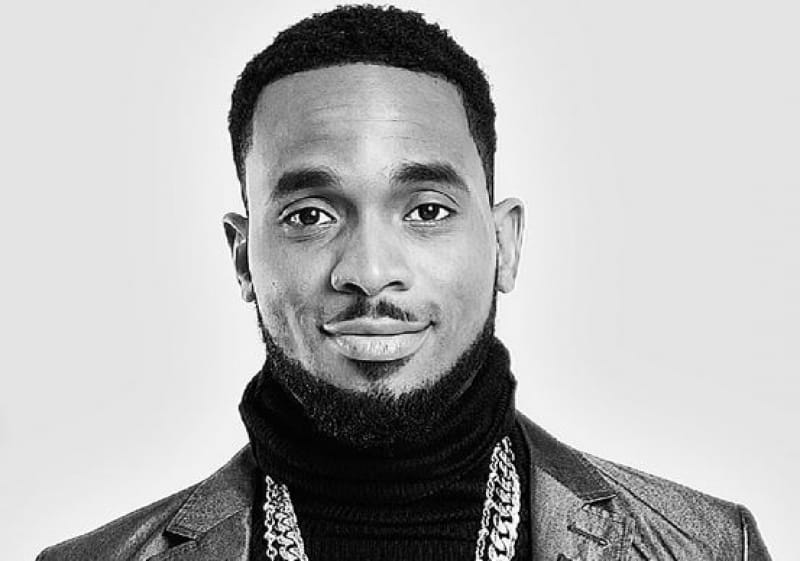
The inaugural Best International Act: Africa award went to two Nigerians at once. 2face Idibia and D’banj were announced as joint winners, beating a field that included Fally Ipupa of the Democratic Republic of Congo, South African duo Teargas, Ghana’s D-Black and the Beninese legend Angelique Kidjo. The double award was widely read as BET hedging its bets on a category it had never run before, and Ghanaian commentators at the time asked openly whether a single continental slot could ever be fair to fifty-four countries.
Whatever the criticism, the precedent mattered. Within months the trophy had become a career marker that African labels started chasing deliberately, and booking fees for both winners reportedly climbed on the European and diaspora circuits. The 2011 result told the industry that BET visibility was worth building a rollout around.
2012: Sarkodie and Wizkid Share the Trophy
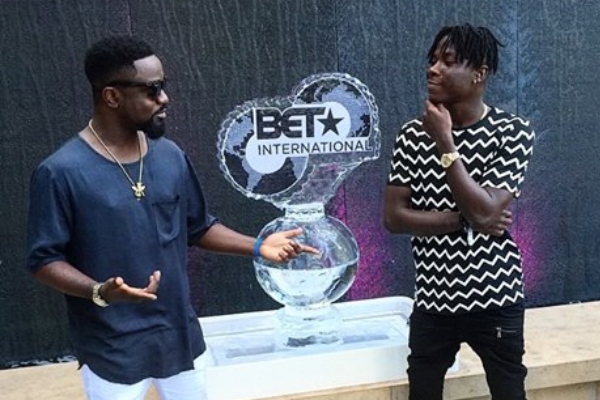
BET split the award a second year running, this time between Ghana’s Sarkodie and Nigeria’s Wizkid, with reports at the time describing the vote as too close to separate. The other nominees were Camp Mulla from Kenya, Ice Prince from Nigeria, Lira from South Africa and Mokobe from Mali. Neither winner collected the award on the live broadcast, a detail that fed straight into a complaint African artists would keep raising for years.
The 2012 result also captured a genuine moment in West African music. Sarkodie was the dominant voice of the Azonto-era hiplife wave, while Wizkid had already turned Superstar into a template for Nigerian pop crossover. Putting them on the same plaque acknowledged that the Lagos and Accra scenes were feeding each other rather than competing for a fixed pot of attention.
2013: Ice Prince’s Year
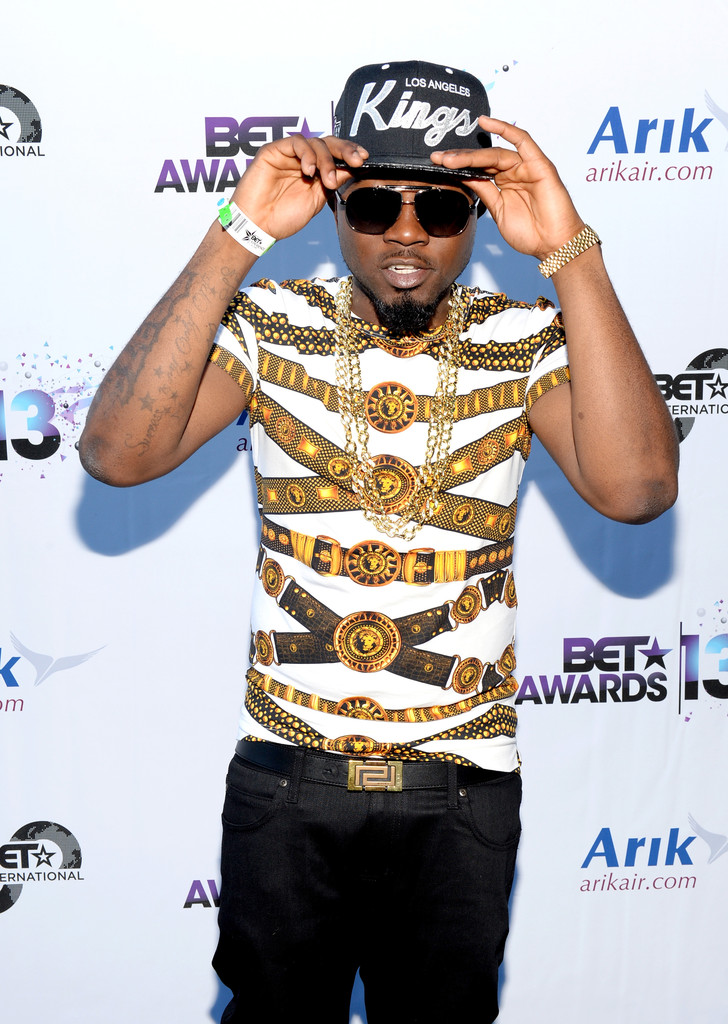
Ice Prince picked up the first outright solo win in the category in 2013, during a period when Chocolate City was arguably the most powerful African rap label outside South Africa. The Aboki rapper had built a catalogue dense with crossover singles, and the BET nod reflected how rap was finally getting room inside a category that Afropop had otherwise shaped. The 2013 win is sometimes underrated in BET conversations because Ice Prince never reached the global commercial heights of later winners, but within African rap it remains a milestone.
2014: Davido’s Aye Era
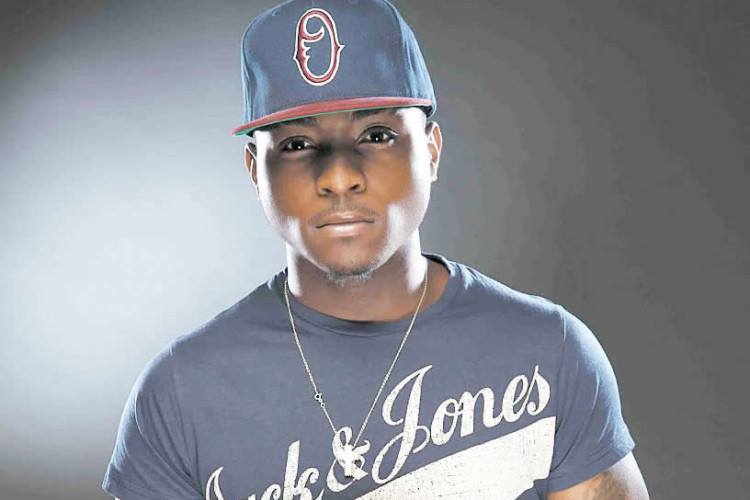
Davido’s first BET win arrived during what many fans still call his most untouchable run. Aye was already a continental anthem, Skelewu had spawned a dance challenge that travelled well beyond Nigeria, and the HKN Music boss was riding a productivity streak few peers could match. Winning out of a field that included Wizkid and Sarkodie cemented his standing inside the new big three of African pop.
The 2014 ceremony also marked the point where the Davido and Wizkid rivalry became a BET storyline in its own right. The two would trade nominations and performances for the next decade, and 2014 was the first time one of them clearly took the round.
2015: Stonebwoy Brings Ghana Back
Stonebwoy’s 2015 win was a course correction. Two years of Nigerian winners had created the impression that the category had become a Lagos affair, and the Ghanaian dancehall star arrived with a catalogue that pulled from reggae, Afrobeats and traditional Ga rhythms. His victory reminded voters that the continent extends well beyond one country’s chart cycle.
That same year the category drew its sharpest public criticism. Several African and UK nominees, Yemi Alade and Wizkid among them, complained that their awards were handed over in pre-recorded backstage segments rather than on the live show. BET publicly disputed the characterisation, but the row shaped how African artists talked about the category for years afterwards.
2016: Black Coffee Opens the South African Door
Black Coffee’s 2016 win made him the first South African artist to take a BET Award, beating a field that included Wizkid, AKA, Cassper Nyovest, Diamond Platnumz, MzVee, Serge Beynaud and Yemi Alade. It was a result almost nobody had modelled, and the winner himself said publicly afterwards that he felt Wizkid deserved it, a piece of grace that only made the moment more discussed.
The significance ran deeper than the upset. House and electronic music from Johannesburg had spent a decade building a global club footprint without institutional recognition, and the 2016 trophy was the first time a major American ceremony put a South African producer at the centre of the African conversation. It set up the pathway that Black Coffee would later widen with a Grammy.
2017: Wizkid Closes the Africa Category
Wizkid finally won the Africa award outright in 2017, the last year BET ran it as a continent-specific prize. By then One Dance had spent ten weeks at number one on the Billboard Hot 100 with him featured on it, and his work across the Starboy roster had made him the most globally visible African artist of his generation. Counting his shared 2012 award, the 2017 result gave him the most wins of anyone in the Africa-only era.
The 2017 ceremony also closed a chapter. From 2018 the regional trophies were folded into a single global Best International Act, a change BET framed as promoting African artists onto the main stage rather than sidelining them into a regional bracket.
2018: Davido and the Unified Award
Davido reclaimed the trophy in 2018, this time as the first winner of the unified Best International Act. Fall had crossed over to the United States in a slow burn, eventually charting on Billboard’s R&B listings more than two years after release, and a year of stadium touring had reasserted his commercial power. Winning the merged category also meant beating nominees from the UK and beyond rather than only continental peers.
His acceptance moment became a fan favourite. Davido used it to shout out his late mother, his collaborators and the 30 Billion Gang movement, and the clip circulated in Nigeria for weeks as the sort of communal celebration that BET nights had become back home.
Ad SpaceIn-Article - 300x250
Advertisement
2019 to 2021: The Burna Boy Three-Peat
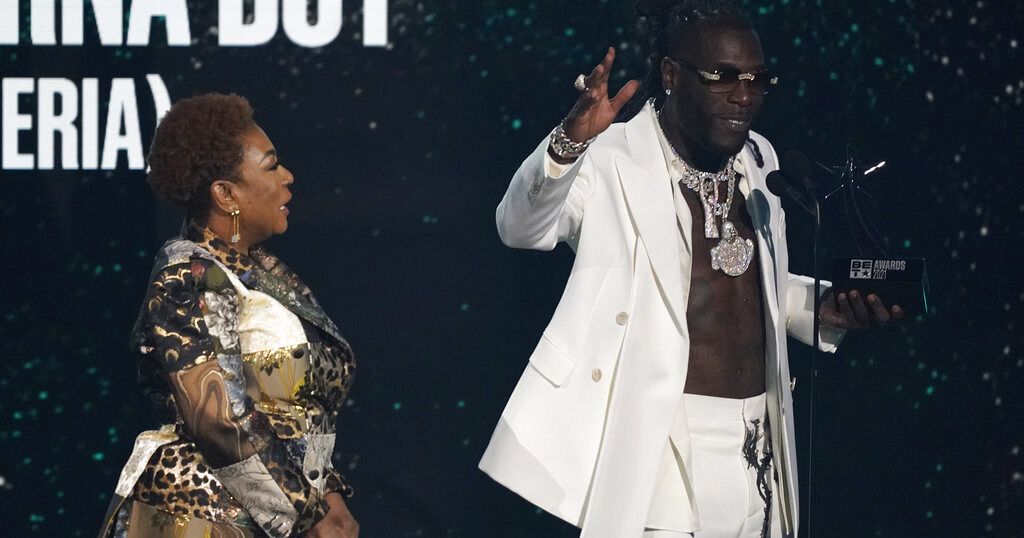
Burna Boy won the international award three years running, a streak no other artist has matched. The first came in 2019 alongside the release of African Giant, the album that permanently changed his trajectory. The Port Harcourt star had been recording for nearly a decade by then, and the trophy arrived at the exact moment the international press caught up with him.
The 2020 ceremony, delivered virtually under pandemic restrictions, gave him a second. Without a red carpet, the trophy itself became the whole conversation. A third in 2021 landed in the same year he won a Grammy for Twice as Tall, and the two together made him the most decorated African pop figure of that stretch. It also started a quiet debate about whether the nomination pool was simply being reshuffled each year while Rema, Tems and Omah Lay waited their turn.
2022: Tems Breaks the Male Streak
Tems’ 2022 victory was historic on more than one count. She was widely reported as the first woman to win BET’s international award outright, ending a run of male winners that stretched back to the category’s launch. The win came in a year when Essence with Wizkid had become the longest-charting African song in Billboard Hot 100 history and her feature on Future and Drake’s Wait For U had given her a number one single in the United States.
Her acceptance speech, delivered with the calm gravity that had become her trademark, name-checked the women in African music who had built the runway. It recalibrated the gender conversation in Afrobeats and forced the industry to acknowledge how long female stars had gone underserved by major awards bodies.
2023: Burna Boy Returns
Burna Boy came back in 2023 to claim a fourth international trophy, this time off Love, Damini and a sold-out Madison Square Garden show that had reset the ceiling for African concert touring. Few artists at BET in any genre had matched his consistency, and the category was starting to feel like a Burna Boy retrospective with occasional interruptions.
There were murmurs that the win felt too familiar. Asake had broken records during the eligibility window with Mr Money With The Vibe, and Rema’s Calm Down with Selena Gomez had peaked at number three on the Billboard Hot 100. Many fans expected one of them to break through. The result instead showed how much weight Burna’s body of work carried with BET voters.
2024: Tyla Wins for Water
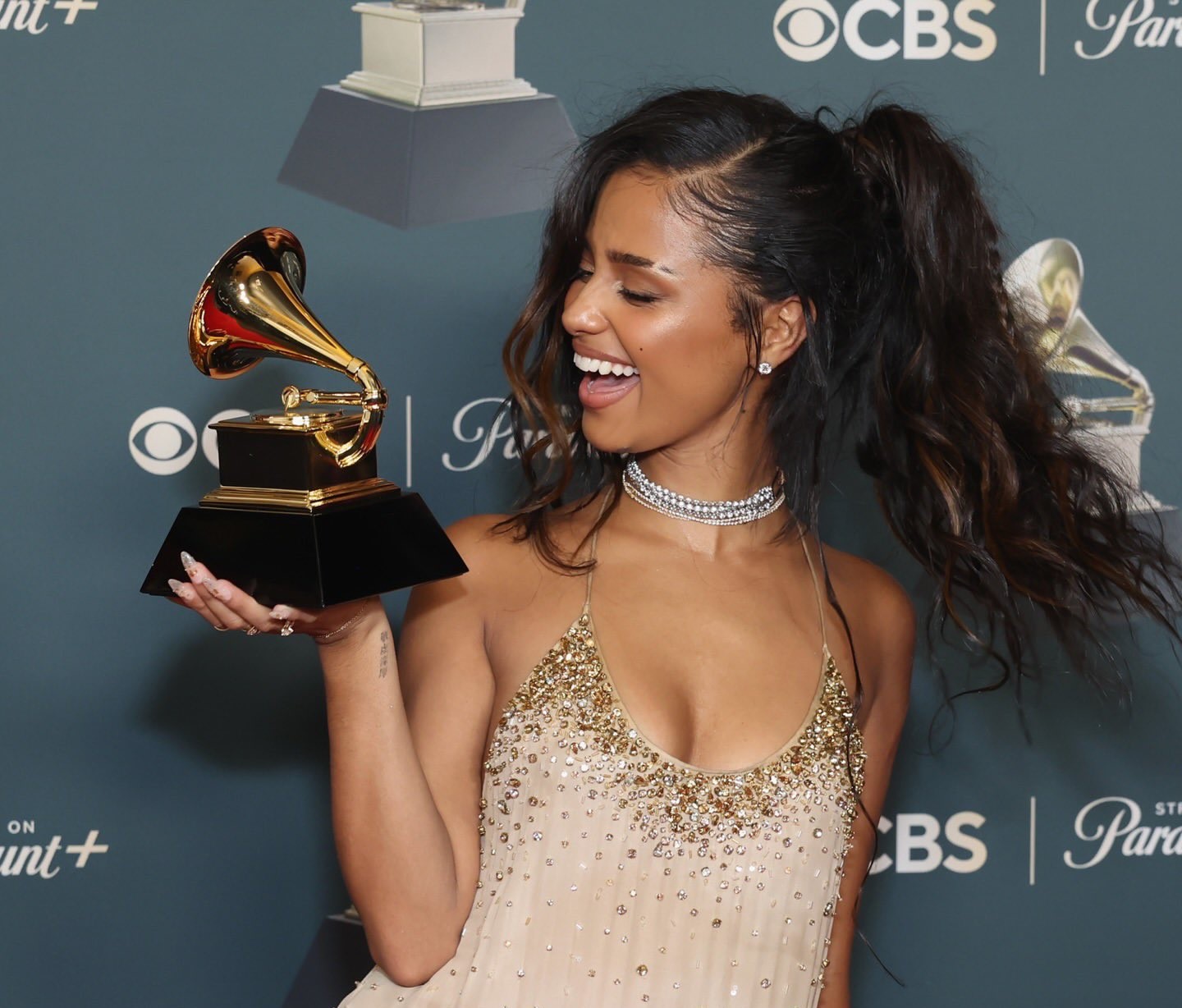
Tyla’s 2024 victory was the South African breakthrough the category had been building towards since Black Coffee. Water had spent multiple weeks inside the Billboard Hot 100 top ten, the choreography had taken over TikTok in nearly every market with a data connection, and she had already won the inaugural Best African Music Performance Grammy earlier that same year.
The win also arrived during a wider argument about BET’s international structure, with African outlets debating whether the merged format expanded representation or diluted it. What was not in dispute was the cultural impact of Water, a song that carried amapiano-adjacent rhythms onto pop radio worldwide.
2025: Ayra Starr Takes the Final Trophy
Ayra Starr won Best International Act in 2025, and the award turned out to be the last one BET ever handed out in that category. The Mavin star had spent the preceding cycle building an international touring base and collecting features that pushed her well past the Nigerian market, and the trophy read as recognition of a rise that had been steady rather than sudden.
Ahead of the 2026 ceremony, BET dropped the international category entirely and placed international artists into the main races instead. African commentators split immediately on whether that counts as promotion or erasure, since a guaranteed African winner every June disappeared along with the bracket. Ayra Starr’s name is where the category’s ledger closes.
Every Winner at a Glance
Year
Winner
Country
Category name
2011
2face Idibia and D’banj
Nigeria
Best International Act: Africa
2012
Sarkodie and Wizkid
Ghana and Nigeria
Best International Act: Africa
2013
Ice Prince
Nigeria
Best International Act: Africa
2014
Davido
Nigeria
Best International Act: Africa
2015
Stonebwoy
Ghana
Best International Act: Africa
2016
Black Coffee
South Africa
Best International Act: Africa
2017
Wizkid
Nigeria
Best International Act: Africa
2018
Davido
Nigeria
Best International Act
2019
Burna Boy
Nigeria
Best International Act
2020
Burna Boy
Nigeria
Best International Act
2021
Burna Boy
Nigeria
Best International Act
2022
Tems
Nigeria
Best International Act
2023
Burna Boy
Nigeria
Best International Act
2024
Tyla
South Africa
Best International Act
2025
Ayra Starr
Nigeria
Best International Act
The Omissions That Still Sting
No conversation about this category is complete without the names that never lifted the trophy. Asake’s absence from the winners list, despite redefining what a Nigerian pop crossover album could sound like across 2022 and 2023, remains a sore point for many fans. Rema’s Calm Down run, which charted across dozens of countries and broke streaming records for an African song, also went unrewarded here.
Omah Lay, Fireboy DML and Asake have all faced similar gaps between commercial impact and BET hardware. The pattern suggests voters leaned toward established titans rather than next-wave breakouts, a tendency that fuelled the perennial debate about whether the category kept pace with the actual sound of the continent. That is an opinion held widely rather than a verdict on anyone’s talent, and BET has never published its voting breakdowns.
How BET Stacked Up Against The Headies, MAMA and Soundcity MVP
The prestige conversation around the BET trophy cannot be separated from the broader African awards ecosystem. The Headies remain the most authoritative Nigerian pop ceremony, with a voting body deep inside the local industry. The MTV Africa Music Awards, when active, prioritised continental representation with category splits by region and language. Soundcity MVP leaned youth-focused and dance-driven.
What BET offered that none of those could match was United States visibility. Winning a Headies cemented an artist inside Nigeria. Winning a BET trophy placed them on a stage broadcast into the African American mainstream, with the licensing, touring and brand-deal momentum that tended to follow. Burna Boy, Wizkid and Davido all converted BET recognition into larger American touring within a year or two of winning.
The Davido Versus Wizkid Era, In Retrospect
Looking at the full list, Davido and Wizkid took four of the category’s trophies between them, across 2012, 2014, 2017 and 2018. Their parallel runs created the template that made the award appointment viewing for a generation of fans who tuned in specifically to see which of them would walk away with it. The record shows them as the bridge between the 2face and D’banj generation and the Burna Boy, Tems and Tyla era that followed.
What the Category Leaves Behind
Fifteen ceremonies produced eleven different winners from four countries, two joint awards in the opening years, one three-peat, and a final trophy that closed the bracket rather than opening another cycle. Nigeria took the clear majority. Ghana took two. South Africa took two, fourteen years apart, and both of those wins came from artists who arrived from outside the Afrobeats mainstream.
2face Idibia and D’banj shared the first plaque in a Los Angeles theatre in 2011. Ayra Starr collected the last one in 2025. In between, the award did roughly what it was built to do, which was to give African music a fixed address inside American awards television, and then it was written out of the script. The winners list is what survives.
Ad SpaceIn-Article - 300x250
Advertisement
Share
Get the recap
Loved this story? Get more like it.
Join readers who get our weekly entertainment recap - the stories worth your time, delivered every Friday.
No spam. Unsubscribe anytime. By signing up you agree to our Privacy Policy.