
From Ancient Greece to Modern Fame: How Aristotle's Political Genius Still Influences Today's Celebrity Culture
Entertainment

From Ancient Greece to Modern Fame: How Aristotle's Political Genius Still Influences Today's Celebrity Culture

Miki AndersonMiki Anderson··5 min read
Advertisement

Table of Contents

The Ancient Roots of Modern Influence

From Ancient Greece to Modern - The Ancient Roots of Modern Influence

In an age where celebrities wield unprecedented political influence and entertainers shape public discourse, it’s fascinating to trace the intellectual roots of these phenomena back to ancient Greece. Aristotle, the legendary philosopher who lived from 384 to 322 BCE, is widely recognized as the first systematic political scientist, and his insights into power, persuasion, and public life continue to resonate in today’s entertainment-driven world. The connection between ancient political theory and modern celebrity culture might seem unlikely at first glance, but dig deeper, and you’ll discover that Aristotle’s frameworks for understanding human behavior, social influence, and the mechanics of persuasion are more relevant than ever in our Instagram-dominated, Twitter-trending reality.
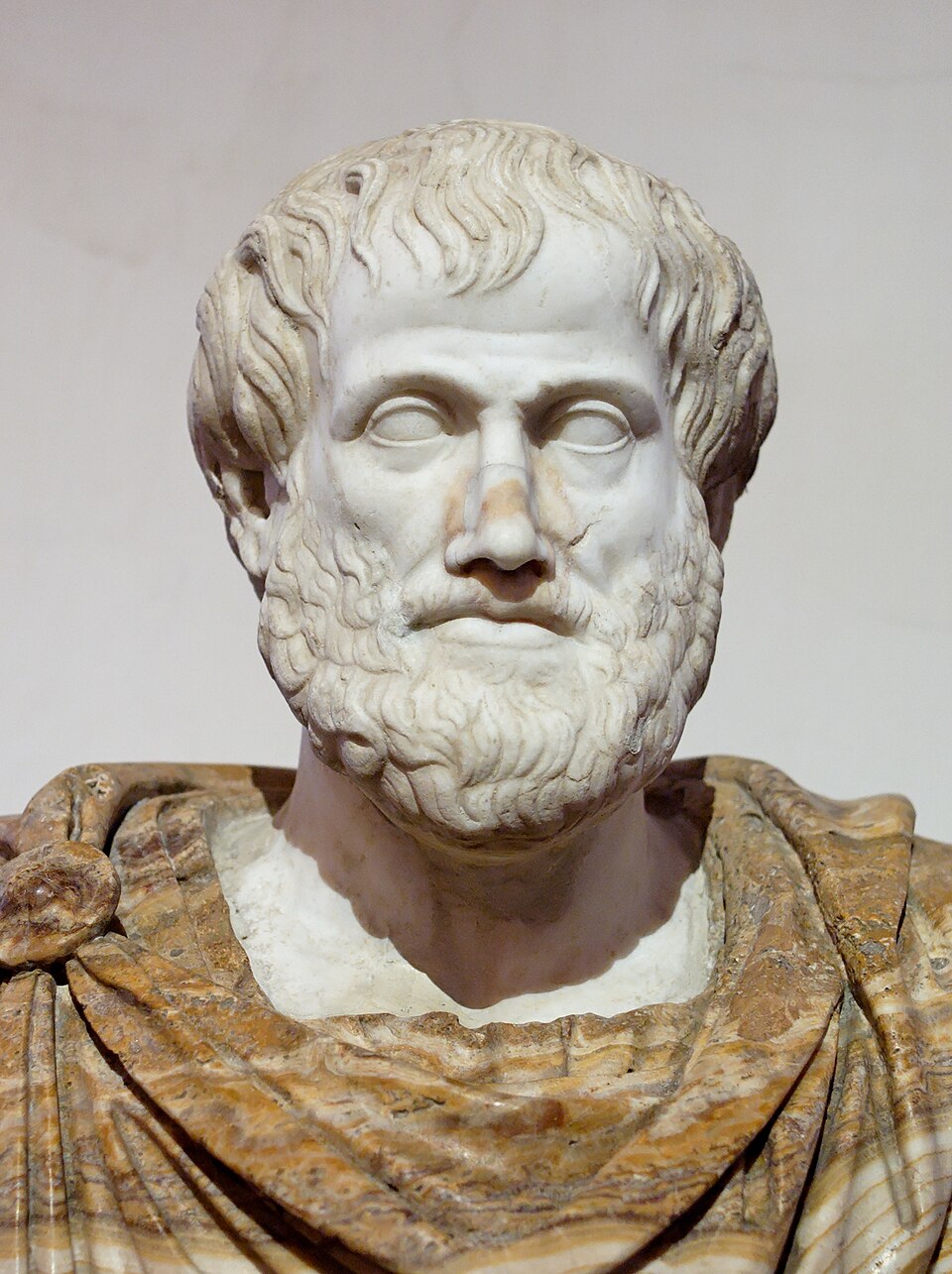
Ancient statue or bust of philosopher Aristotle
Image: Obelisk Art History

When we examine how modern entertainers navigate public opinion, build their personal brands, and leverage their platforms for social and political causes, we’re essentially watching Aristotelian principles play out in real time. From Beyoncé’s carefully crafted visual albums that blend personal narrative with political commentary, to the way African artists like Burna Boy and Davido use their global platforms to spotlight social issues, these contemporary figures are employing strategies of rhetoric and influence that Aristotle first codified over two millennia ago. The philosopher’s emphasis on ethos (credibility), pathos (emotional appeal), and logos (logical argument) forms the foundation of how successful entertainers connect with their audiences and maintain their cultural relevance.

When Politics Meets Entertainment

From Ancient Greece to Modern - When Politics Meets Entertainment

The intersection of politics and entertainment has never been more pronounced than it is today, creating a landscape that Aristotle might have found both familiar and fascinating. His seminal work “Politics” explored how individuals gain and maintain influence within society, examining the various forms of government and the role of public discourse in shaping collective decisions. Fast-forward to 2024, and we see these same dynamics playing out on red carpets, award show stages, and social media feeds across the globe. When Taylor Swift endorses political candidates, when Nollywood stars speak out about Nigerian governance, or when K-pop idols address social justice issues, they’re participating in the same fundamental process of political engagement that Aristotle analyzed in ancient Athens.
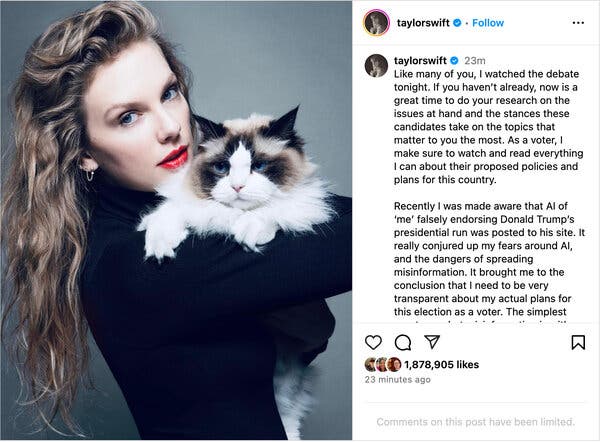
Taylor Swift making political statements or endorsements
Image: The New York Times

What makes this particularly interesting from an Aristotelian perspective is how modern celebrity culture has democratized certain aspects of political influence while concentrating others. The philosopher believed that effective political participation required both virtue and practical wisdom, qualities that he thought were essential for good governance. In today’s entertainment industry, we see how artists and performers often develop these qualities through their craft – learning to read audiences, understand human emotions, and communicate complex ideas through accessible mediums. Consider how artists like Kendrick Lamar weave sophisticated political commentary into their music, or how filmmakers like Ryan Coogler use blockbuster entertainment to explore themes of identity, power, and social justice.

The Aristotelian Framework of Celebrity Power
From Ancient Greece to Modern - The Aristotelian Framework of Celebrity Power

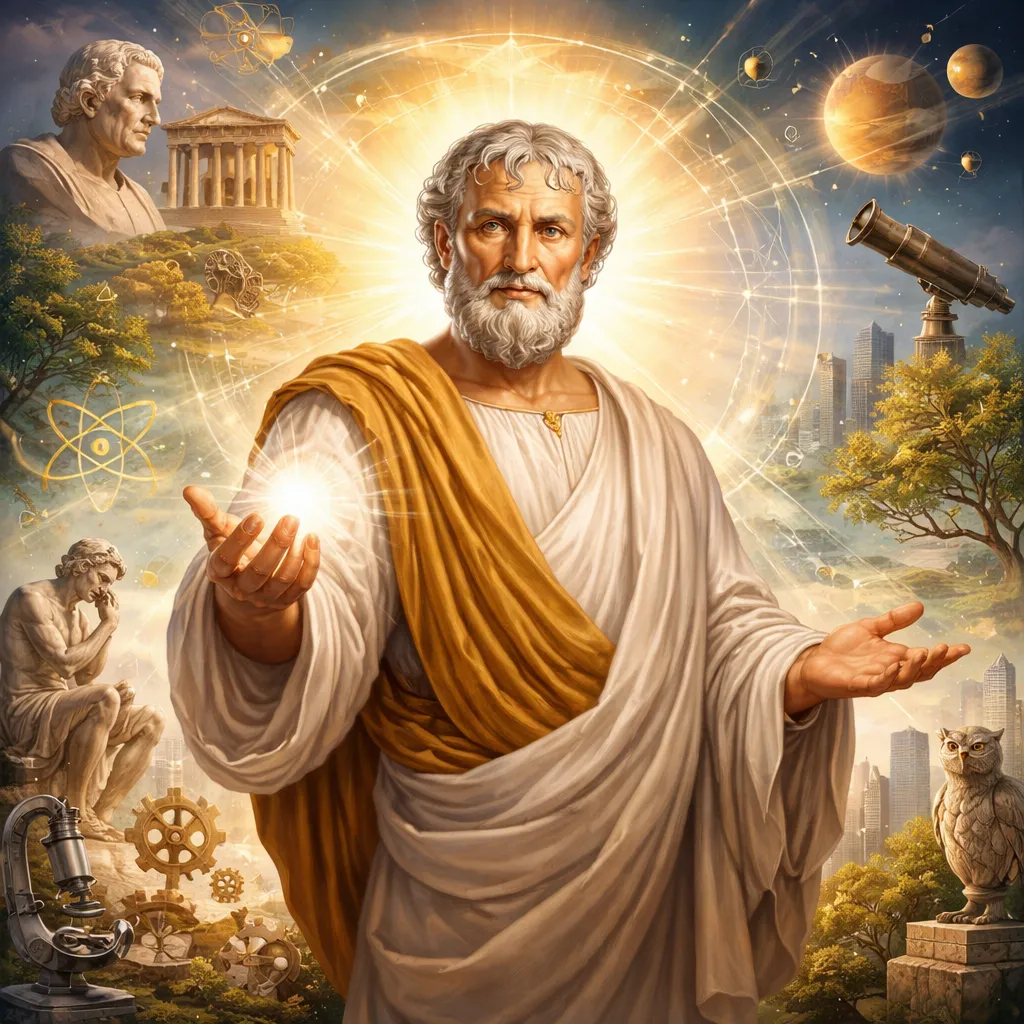
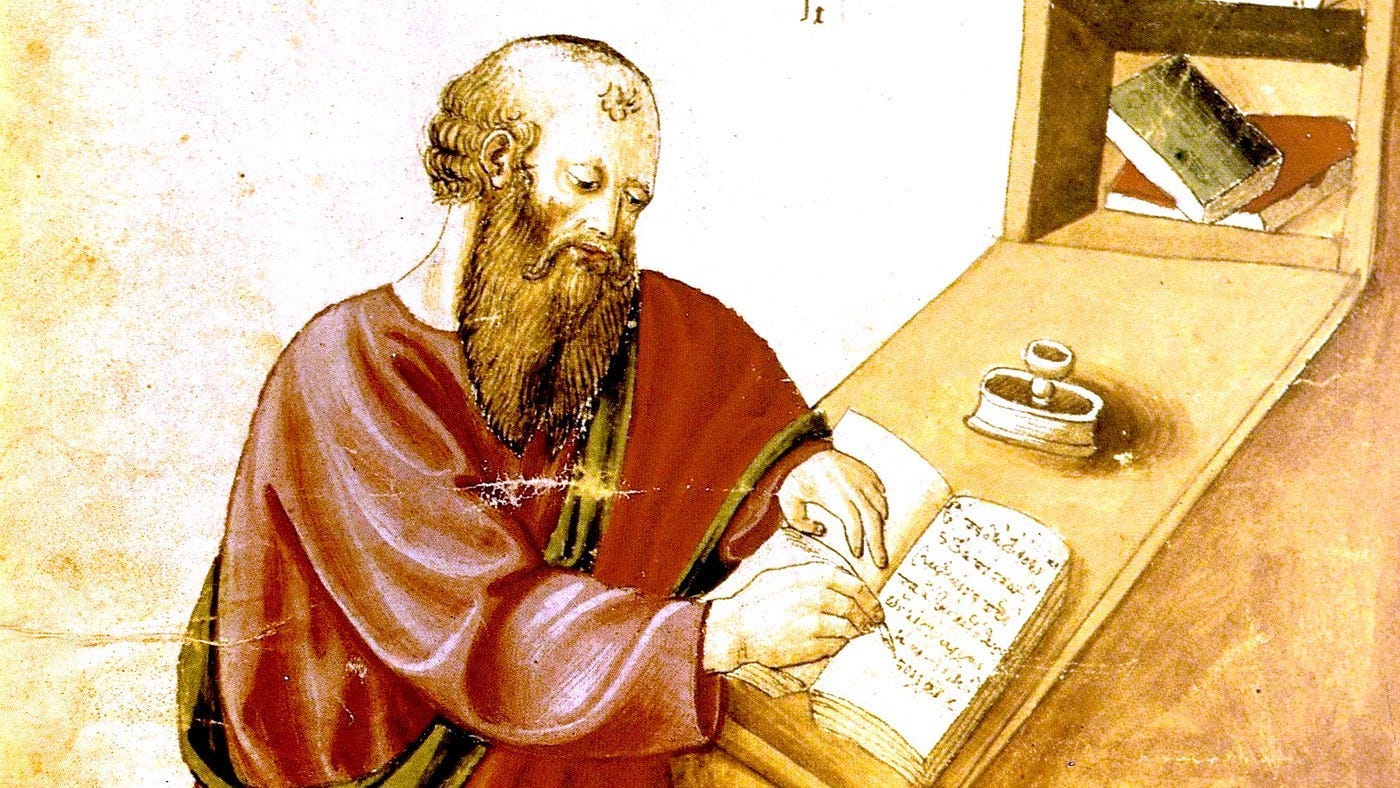
Aristotle’s analysis of different forms of power and authority provides a compelling lens through which to understand modern celebrity influence. He distinguished between various types of authority – traditional, charismatic, and rational-legal – concepts that help explain why certain entertainers become cultural icons while others remain merely popular. The philosopher’s insights into human psychology and social behavior anticipated many of the mechanisms that drive contemporary fan culture and celebrity worship. When we look at figures like Oprah Winfrey, who has maintained cultural relevance across multiple decades and platforms, we can see Aristotelian principles at work in how she combines personal authenticity (ethos) with emotional connection (pathos) and practical wisdom (logos).
Advertisement

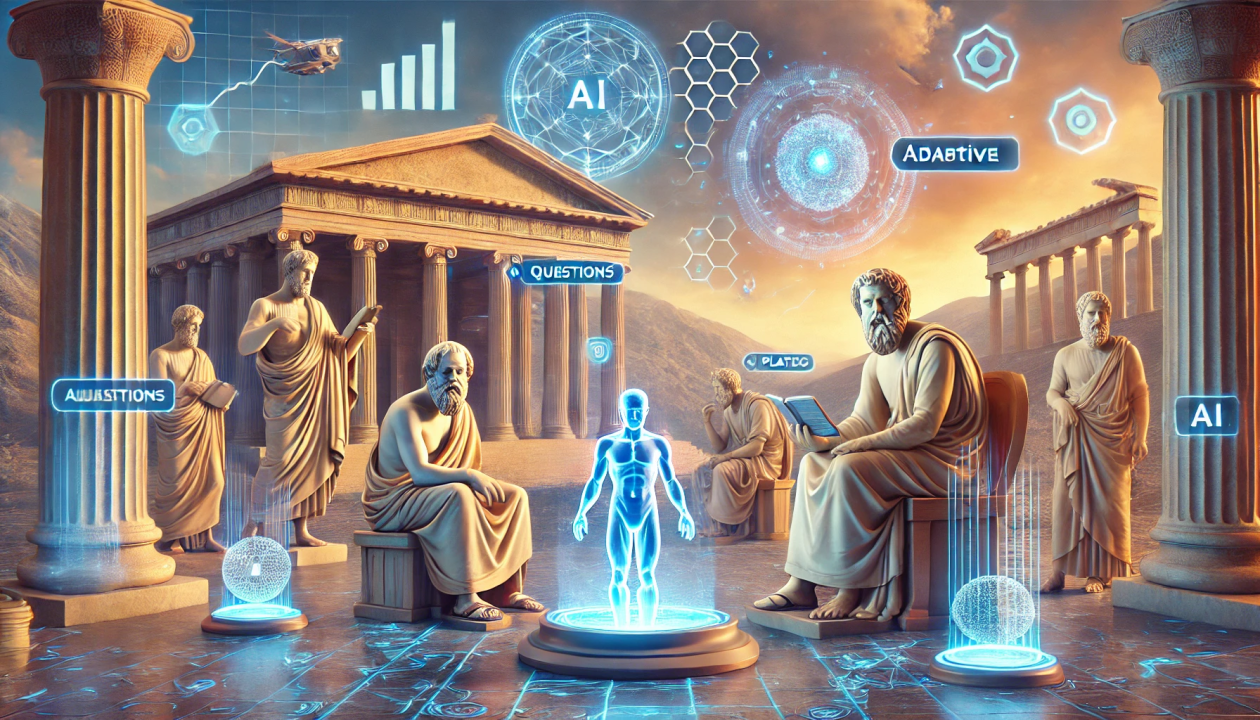
The global nature of modern entertainment has created new applications for Aristotle’s theories about human nature and social organization. African entertainment, particularly the rise of Afrobeats and Nollywood’s international expansion, demonstrates how cultural products can transcend geographical boundaries and create new forms of soft power – exactly the kind of influence through culture and ideas that Aristotle identified as particularly effective and lasting. Artists like Wizkid, Tiwa Savage, and Genevieve Nnaji aren’t just entertainers; they’re cultural ambassadors who shape international perceptions and create bridges between different societies, much like the philosopher-statesmen that Aristotle admired in his own time.

Digital Age Aristotle: Social Media and Public Opinion

From Ancient Greece to Modern - Digital Age Aristotle: Social Media and Public Opinion

Perhaps nowhere are Aristotelian principles more evident than in the realm of social media, where celebrities and influencers must master the art of persuasion on a daily basis. Aristotle’s “Rhetoric” remains one of the most insightful analyses of how communication works to influence audiences, and its principles are clearly visible in successful social media strategies. The philosopher’s emphasis on understanding your audience, adapting your message to different contexts, and maintaining credibility over time could serve as a masterclass for modern influencer marketing. When artists like Rihanna build business empires through strategic social media presence, or when actors like Michael B. Jordan use their platforms to advocate for social causes, they’re employing sophisticated understanding of audience psychology and persuasive communication.

The speed and scale of digital communication have amplified both the opportunities and the risks that Aristotle identified in public discourse. His warnings about the importance of truth and virtue in public life take on new urgency in an era of viral misinformation and cancel culture. Successful entertainers today must navigate these challenges with the same kind of practical wisdom that Aristotle advocated for political leaders – understanding that influence comes with responsibility, and that maintaining public trust requires consistent demonstration of character and competence. The careers of long-lasting entertainment figures often reflect this balance, showing how sustained success requires more than just talent; it demands the kind of ethical foundation and strategic thinking that Aristotle considered essential for effective leadership.

The Endless Quest for Knowledge

From Ancient Greece to Modern - The Endless Quest for Knowledge

The curiosity and love of learning that drove Aristotle’s wide-ranging investigations – from politics to biology to ethics to art – mirror the intellectual hunger that characterizes many of today’s most successful and influential entertainers. The philosopher’s approach to education wasn’t just about acquiring information; it was about developing the capacity for critical thinking, ethical reasoning, and creative problem-solving. These same qualities distinguish entertainers who transcend their initial fields to become cultural forces and thought leaders. Consider how figures like Donald Glover move seamlessly between music, television, and film while maintaining a consistent artistic vision, or how Issa Rae has built a multimedia empire that addresses complex social issues through entertainment.

This educational dimension of entertainment reflects another Aristotelian insight: the idea that art and culture play crucial roles in moral and intellectual development. The philosopher believed that exposure to excellent examples of human achievement could inspire people to pursue their own excellence, a concept that resonates strongly with how modern audiences engage with their favorite artists and entertainers. When young people around the world see African artists achieving global success, when they watch diverse stories being told in mainstream media, or when they encounter entertainment that challenges their assumptions and expands their horizons, they’re participating in the kind of educational process that Aristotle considered fundamental to human flourishing. The ongoing fascination with how ancient wisdom applies to modern challenges suggests that the educational journey he valued so highly remains as relevant today as it was over two thousand years ago.

Advertisement
Share
Get the recap

Loved this story? Get more like it.

Join readers who get our weekly entertainment recap - the stories worth your time, delivered every Friday.

No spam. Unsubscribe anytime. By signing up you agree to our Privacy Policy.

From Ancient Greece to Modern Fa... | Sidomex Entertainment