The Afrobeats Albums That Changed Everything: A Ranked Guide for New Fans
Jalen Ross··10 min read
Ad SpaceArticle Top - 728x90
Advertisement
Walk into any Afrobeats conversation right now and someone will eventually ask the question that splits rooms: which albums actually moved the genre forward, and which ones just rode the wave? For new fans tumbling down the rabbit hole after hearing “Calm Down” or catching a Burna Boy headliner on a festival lineup, the back catalog can feel impossibly deep. Two decades of releases, half a dozen sub-styles, regional scenes scattered across Lagos, London, Accra, and Atlanta. A ranked guide helps. Not a definitive one, because taste is taste, but a working map of the records that bent the genre’s shape.
These fifteen albums are organized by influence, not personal preference. Some shifted production styles. Some kicked open international doors. A couple essentially invented the lane that newer artists now compete inside. Each one is a chapter in how Afrobeats became the global force it is today.
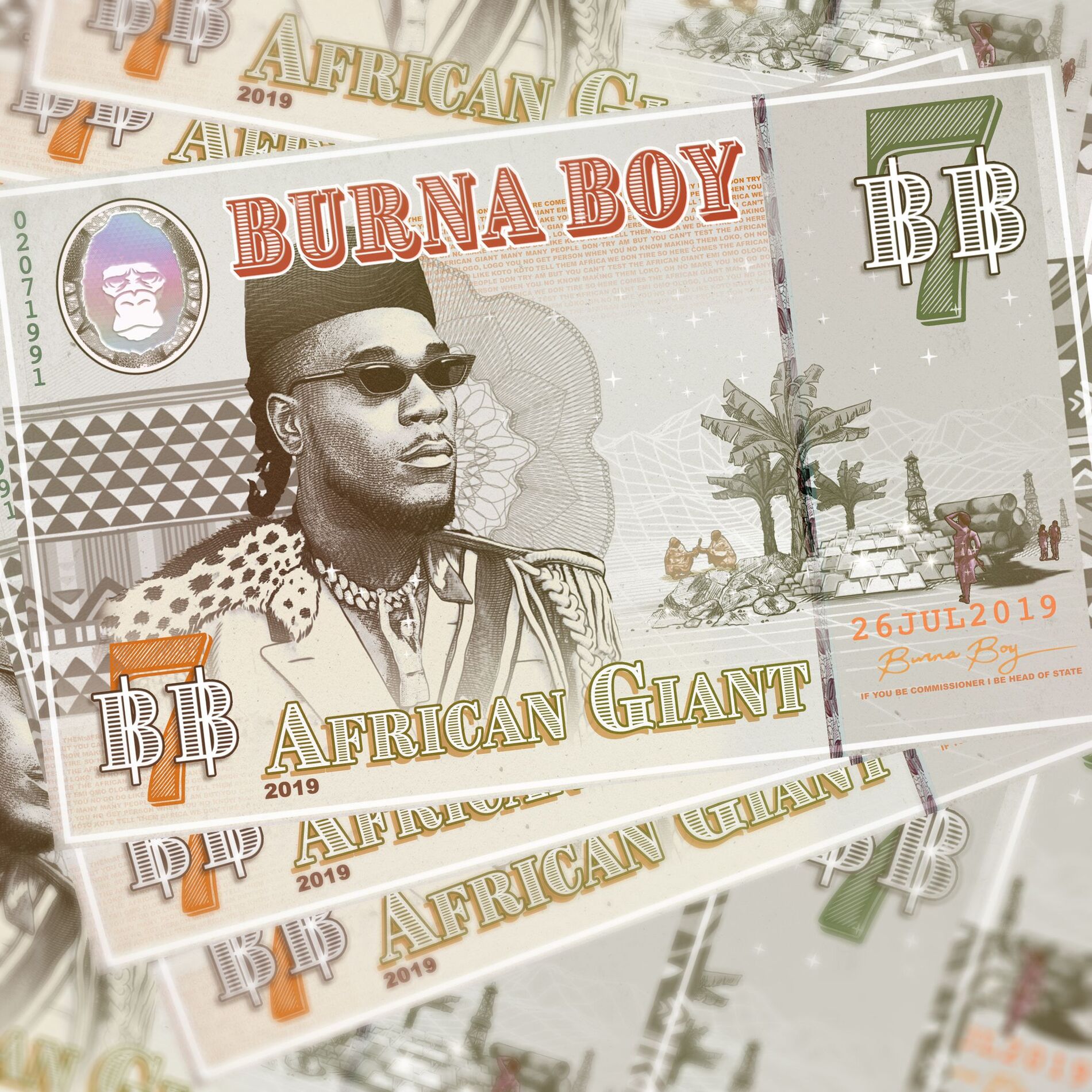
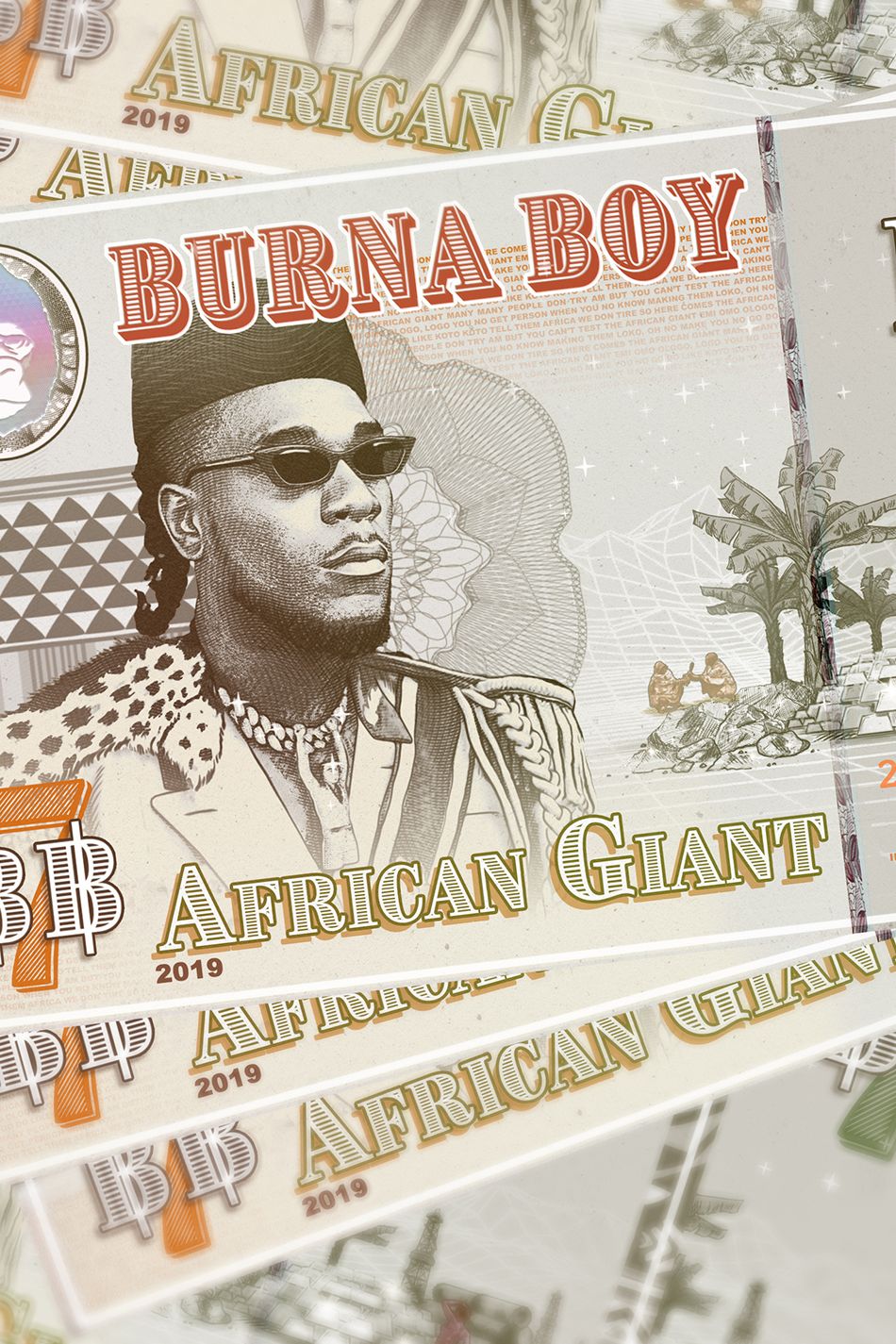
1. Burna Boy: African Giant (2019)
Damini Ogulu spent the years before this record proving he could rap, croon, and toast over almost any tempo. African Giant collected those skills and pointed them at a thesis. The title track is the kind of statement Afrobeats had been edging toward for a decade, and the guest list made the argument that this was a Pan-African and diasporic project rather than a Lagos export. Angelique Kidjo, Future, YG, Damian Marley, and Jorja Smith all turn up on it.
Production from Kel-P, Chopstix, and LeriQ holds the record together with low-slung Afrofusion grooves that lean into reggae, dancehall, and dusty highlife samples. “Anybody,” “Killin Dem,” and “Dangote” became fixtures in club rotation from Johannesburg to Houston. The Grammy nomination it earned was less the validation and more the signal that the conversation about African music in Western awards rooms had to be retooled.
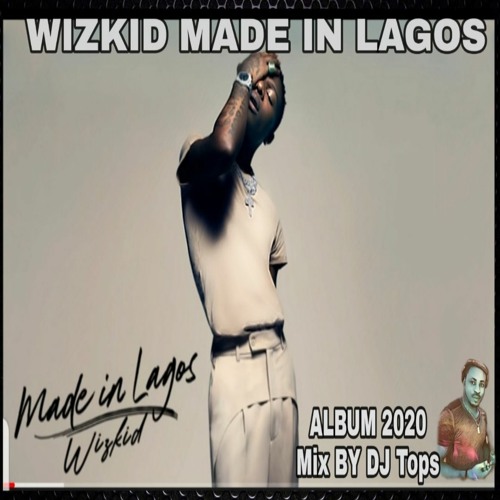
2. Wizkid: Made in Lagos (2020)
Streaming era Afrobeats has a sound, and Ayodeji Balogun built most of it on this record. Made in Lagos is hushed, intimate, and built for headphones rather than speakers stacked in a club courtyard. “Essence” with Tems was widely reported as the first Nigerian song to enter the Billboard Hot 100, and the deluxe edition with the Justin Bieber remix turned a slow burn into a year-long chart presence.
What makes the record matter beyond the trophies is the production restraint. P2J, Sarz, and Northboi pulled back the percussion and let the vocals carry weight that earlier Afropop records would have buried under brass. Tracks like “Reckless,” “Smile” with H.E.R., and “Ginger” with Burna Boy taught a generation of younger artists that intimacy can travel further than spectacle.
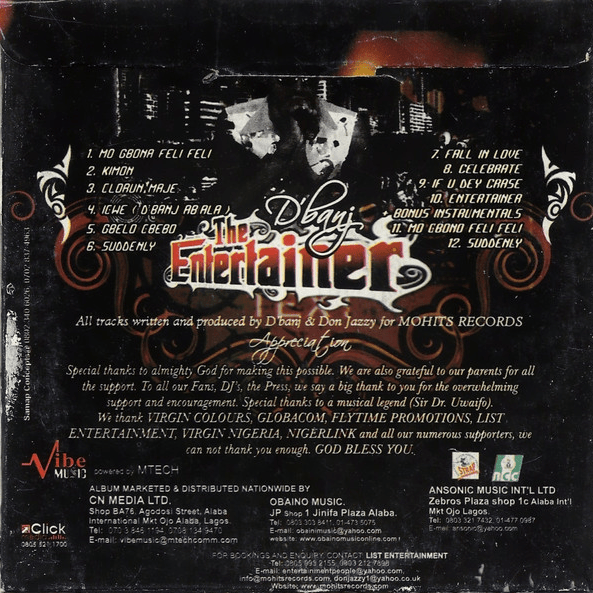
3. D’Banj: The Entertainer (2008)
Before there was a global lane, there was Dapo Daniel Oyebanjo holding a harmonica and a microphone in matching outfits with Don Jazzy in the booth. The Entertainer is the album that made Afropop a national obsession rather than a regional one. “Suddenly,” “Fall in Love,” “Olorun Maje,” “Igwe,” and “Why Me” turned into pillars of any Nigerian wedding playlist that decade.
The Mo’Hits sound, with its synth stabs, marching drums, and call-and-response hooks, set the template that artists like P-Square and Banky W would refine. Without this record, the runway for Wizkid and Davido does not exist. It is the album that proved a Nigerian pop star could fill stadiums without code-switching into American R&B.
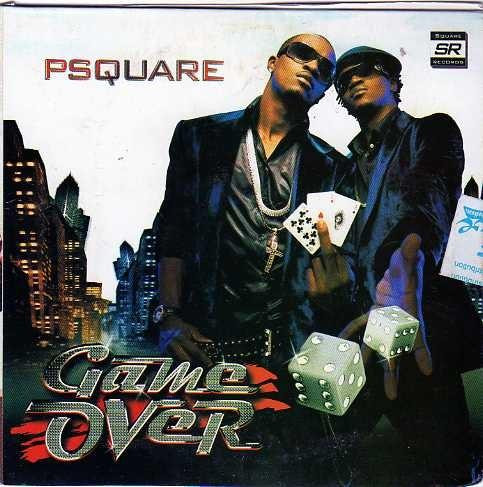
4. P-Square: Game Over (2007)
Twin brothers Peter and Paul Okoye had been releasing music for years before Game Over, but this was the record that turned them from one of the popular acts into the popular act. “Do Me,” “Roll It,” and “More Than a Friend” colonized radio. The album fused R&B harmonies with West African percussion in a way that felt accessible to listeners who had never crossed a Nigerian border.
Game Over also normalized the idea of Afropop as choreography-driven content. The accompanying videos, with their tight matching outfits and synchronized routines, gave the music a visual identity that would become standard. Ten years later, every TikTok Afrobeats dance trend owes a debt to the P-Square playbook.
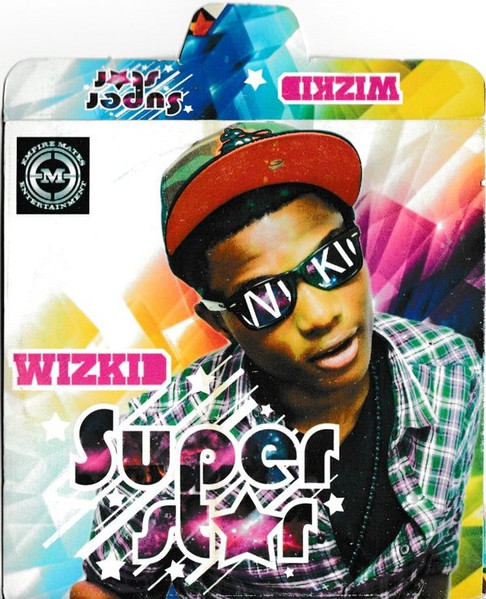
5. Wizkid: Superstar (2011)
A twenty-one-year-old kid named Ayodeji walked into Banky W’s EME label with a notebook of hooks and walked out with Superstar. “Holla at Your Boy,” “Tease Me,” “Don’t Dull,” and “Pakurumo” announced not just a new artist but a new way of writing Afropop hooks: melody-forward, English laced with Yoruba and pidgin, structured for sing-along simplicity.
Producer Samklef anchored most of the record with the kind of bouncy, mid-tempo beats that became known as the EME sound. Superstar made it clear that a young artist could front an album without leaning on senior features or imported American production. It is the proof of concept for the entire Afrobeats new generation.
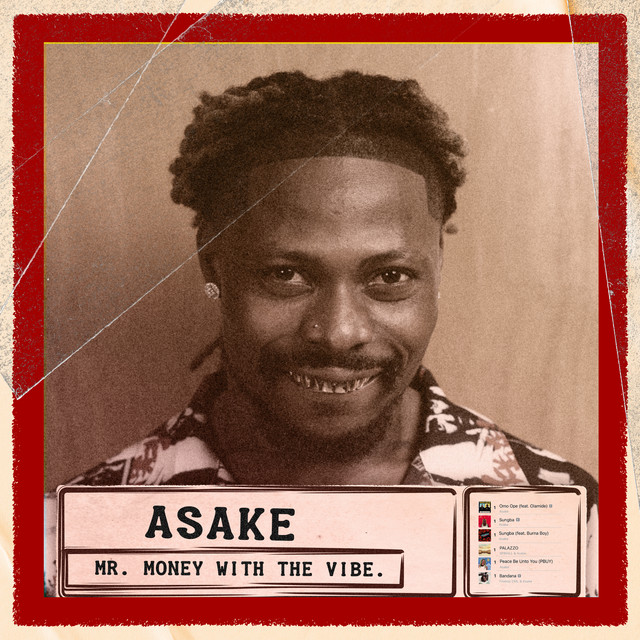
6. Asake: Mr Money With The Vibe (2022)
Ahmed Ololade arrived fully formed. Mr Money With The Vibe is the rare debut that introduces an aesthetic so complete it feels like the artist has been recording for a decade. Producer Magicsticks built a wall of fuji choirs, amapiano log drums, and pulsing Yoruba ad-libs that pulled from Lagos street music history and pushed it somewhere new.
“Sungba,” the remix with Burna Boy, “Peace Be Unto You,” “Joha,” and “Terminator” turned into anthems for a Nigerian youth culture that had been waiting for a sound that felt unapologetically local. The album hit number one on the Billboard World Albums chart, which was a first for a Nigerian debut, and it reset what a breakthrough record could sound like.
7. Burna Boy: Outside (2018)
The pivot record. Before Outside, Burna Boy was a talented Port Harcourt artist with cult appeal and one big hit in “Like to Party.” After Outside, he was on a trajectory toward becoming the genre’s most decorated export. The record introduced the world to Afrofusion as a deliberate stylistic project, not just a marketing label.
“Ye,” powered by a generation of TikTok users who mistook it for Kanye West’s album of the same name and stayed for the actual song, became the breakout single. “Heaven’s Gate” with Lily Allen, “Streets of Africa,” and “Rock Your Body” laid out the blueprint that African Giant would later perfect. Outside is the record where the ambition got loud.
8. Davido: Timeless (2023)
After more than a decade of hits, label battles, personal loss, and chart dominance, David Adeleke made the album that finally felt like an artist statement rather than a singles collection. Timeless is sprawling, generous with features, and produced with the kind of attention to sequencing that earlier Davido records were sometimes accused of skipping.
Ad SpaceIn-Article - 300x250
Advertisement
“Unavailable” with Musa Keys turned amapiano-laced Afrobeats into a global summer single. “Feel” and “Champion Sound” with Focalistic showed the cross-border collaborations that South African and Nigerian scenes were building. Timeless is Davido at his most mature, comfortable enough in his lane to let collaborators shine without losing his stamp.
9. Tems: Born in the Wild (2024)
Temilade Openiyi spent five years building anticipation through features, EPs, and the Wizkid co-sign that made “Essence” a global moment. Born in the Wild was the proper debut, and it delivered on every promise. Smoky, jazz-tinged, and structurally adventurous, the record refused the obvious move of stacking Afropop singles back to back.
“Love Me JeJe,” a reimagining of Seyi Sodimu’s 1997 classic, sat next to introspective slow burners like “Burning” and “Get It Right” with Asake. The album won the Grammy for Best Global Music Album, and it pushed the conversation about what a Nigerian female artist could sound like beyond the dance-floor expectations the industry had been imposing.
10. 2Baba: Face 2 Face (2004)
Innocent Idibia, then known as 2Face, had just left Plantashun Boiz when he recorded Face 2 Face. “African Queen” became the global hit that announced Nigerian R&B could travel, scoring placements in international films and earning rotation on MTV Africa. The rest of the record, with cuts like “Right Here” and “Nfana Ibaga,” confirmed that this was a generational vocalist.
What makes the album foundational is timing. Face 2 Face arrived just as the Nigerian music industry was professionalizing, with new labels, better distribution, and emerging television platforms. 2Baba showed the artists who followed that an album, not a string of singles, could be the unit of an Afrobeats career.
11. Rema: Rave & Roses (2022)
Divine Ikubor’s debut album is the record that produced “Calm Down,” which became the first African-led song to cross a billion Spotify streams. The Selena Gomez remix turned it into a worldwide chart fixture, but the album version had already been bending Afrobeats toward dreamier, more melodic territory.
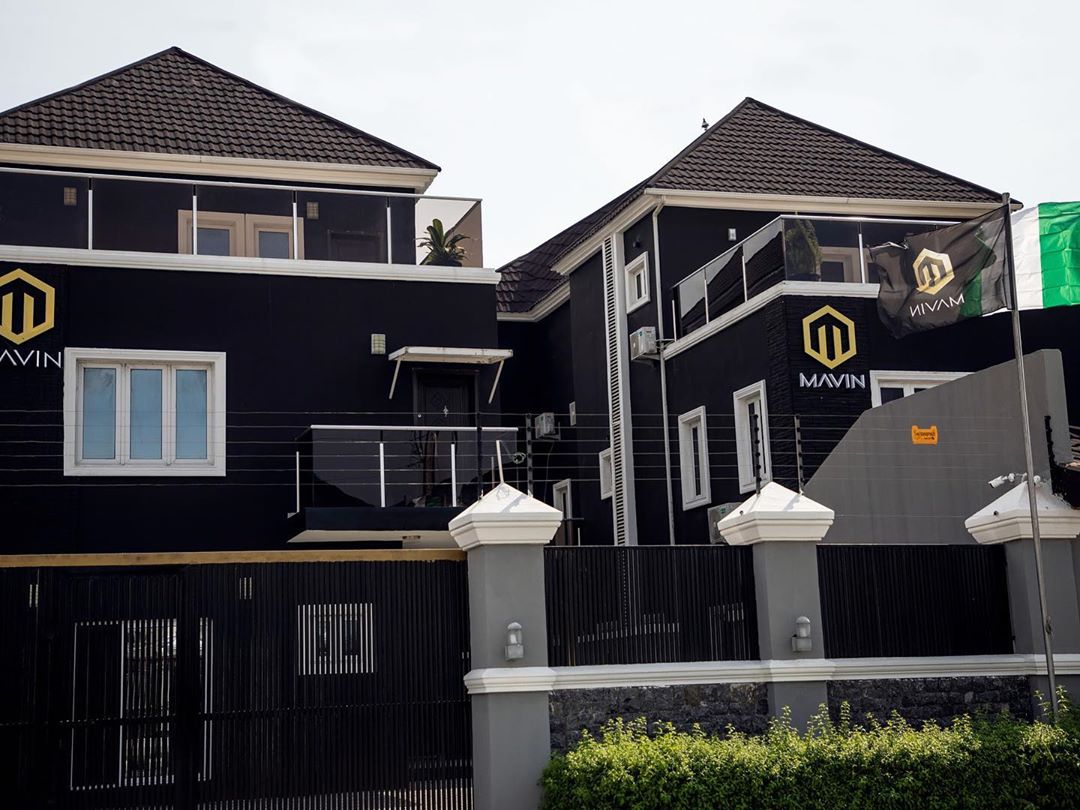
Rema’s voice, slightly nasal and instantly recognizable, sat over production from Andre Vibez and London that fused trap percussion with Indian and Arabic melodic motifs. “Soundgasm,” “Time N Affection,” and “Are You There” demonstrated that the Mavin signee was not interested in the obvious Afropop lane his peers were chasing. He wanted his own sub-genre, and he largely got it.
12. Burna Boy: Twice as Tall (2020)
The first Nigerian album to win the Grammy for Best Global Music Album. Twice as Tall was executive produced by Diddy and features Stormzy, Chris Martin, Naughty by Nature, and Youssou N’Dour. The collaborations could have felt scattered, but Burna Boy and his production team held the center, anchoring the record in Afrofusion grooves that never apologized for their West African base.
“Onyeka,” “Wonderful,” “Monsters You Made,” and “Way Too Big” reinforced the thesis that African music could be politically engaged, commercially viable, and stylistically restless all at once. The Grammy win retroactively rewrote the industry calculus about what was possible for a Nigerian album release on the world stage.
13. Olamide: Carpe Diem (2020)
Olamide Adedeji had already released ten studio albums before Carpe Diem, and he could have coasted. Instead he made the project that showed Lagos street music could fold into mainstream Afrobeats without losing its edge. The record is short, sharp, and full of guest spots from younger artists whose names read like a curator’s list of who would matter next: Phyno, Bad Boy Timz, Bella Shmurda, and Fireboy DML.
“Infinity” with Omah Lay became one of the biggest Nigerian singles of 2020. “Loading” introduced Bad Boy Timz to a national audience. The album is also notable for cementing YBNL’s role as the talent pipeline of Nigerian music, an A-and-R operation that has launched more careers than any major label in the country.
14. Tems: Higher EP (2020)
Five tracks. Twenty minutes. Recorded mostly in Lagos before the world knew her name. Higher is technically an EP rather than an album, but its impact warrants the rule-bend. The title track became the song that pulled Wizkid into the studio for “Essence,” which is to say this short release rerouted the trajectory of multiple careers.
The production, sparse and built around Tems’s husky alto, gave Afrobeats permission to slow down. Before Higher, the international perception of the genre leaned on club tempos and percussion-heavy arrangements. Tems showed that whisper and space could carry just as far. The EP is the seed of the streaming-era ballad lane that artists like Ayra Starr, Bloody Civilian, and Tyla now occupy.
15. M.I. Abaga: Talk About It (2008)
Hip-hop in Nigeria had been bubbling for years before Jude Abaga released his debut, but Talk About It was the record that proved Naija rap could carry an album rather than a mixtape. “Crowd Mentality,” “Anoti,” and “Safe” leaned into intricate wordplay, layered production, and a clarity of voice that hadn’t been heard at album scale in Nigerian rap before.
The reason a hip-hop record sits on an Afrobeats list is that the lineage matters. M.I. trained or championed many of the rappers who would later cross over into Afro-fusion, including Ice Prince, Jesse Jagz, and a young Olamide. Without Talk About It validating the format, the Afrobeats rap lane that Show Dem Camp, Boj, and the alté scene would later occupy doesn’t have the same foundation.
Afrobeats Albums That Just Missed the Cut
Honorable mentions that almost made the list and absolutely deserve a place in a serious listening rotation: Davido’s Omo Baba Olowo (2012) as the wealthy-kid-with-something-to-prove debut, Wizkid’s Sounds From The Other Side (2017) as the misunderstood international experiment that aged better than the reviews suggested, Asake’s Work of Art (2023) and Lungu Boy (2024) as the follow-ups that proved Mr Money was not a fluke, Ayra Starr’s 19 & Dangerous (2021) and The Year I Turned 21 (2024) as the Mavin pop-star arrival, Fireboy DML’s Apollo (2020) as the Afro-life balladry showcase, Tiwa Savage’s Celia (2020) as the queen-of-Afrobeats statement, Adekunle Gold’s Catch Me If You Can (2022) as the genre-hopping pivot, Davido’s A Better Time (2020) as the lockdown-era star vehicle, Burna Boy’s Love, Damini (2022) as the confessional turn, Olamide’s Eyan Mayweather (2015) as the Lagos street-rap masterwork, Rema’s Heis (2024) as the trap-rap reset, and the Show Dem Camp Palm Wine Music series as the chillest summer soundtrack catalog Nigerian music has produced.
Where a New Afrobeats Listener Should Start
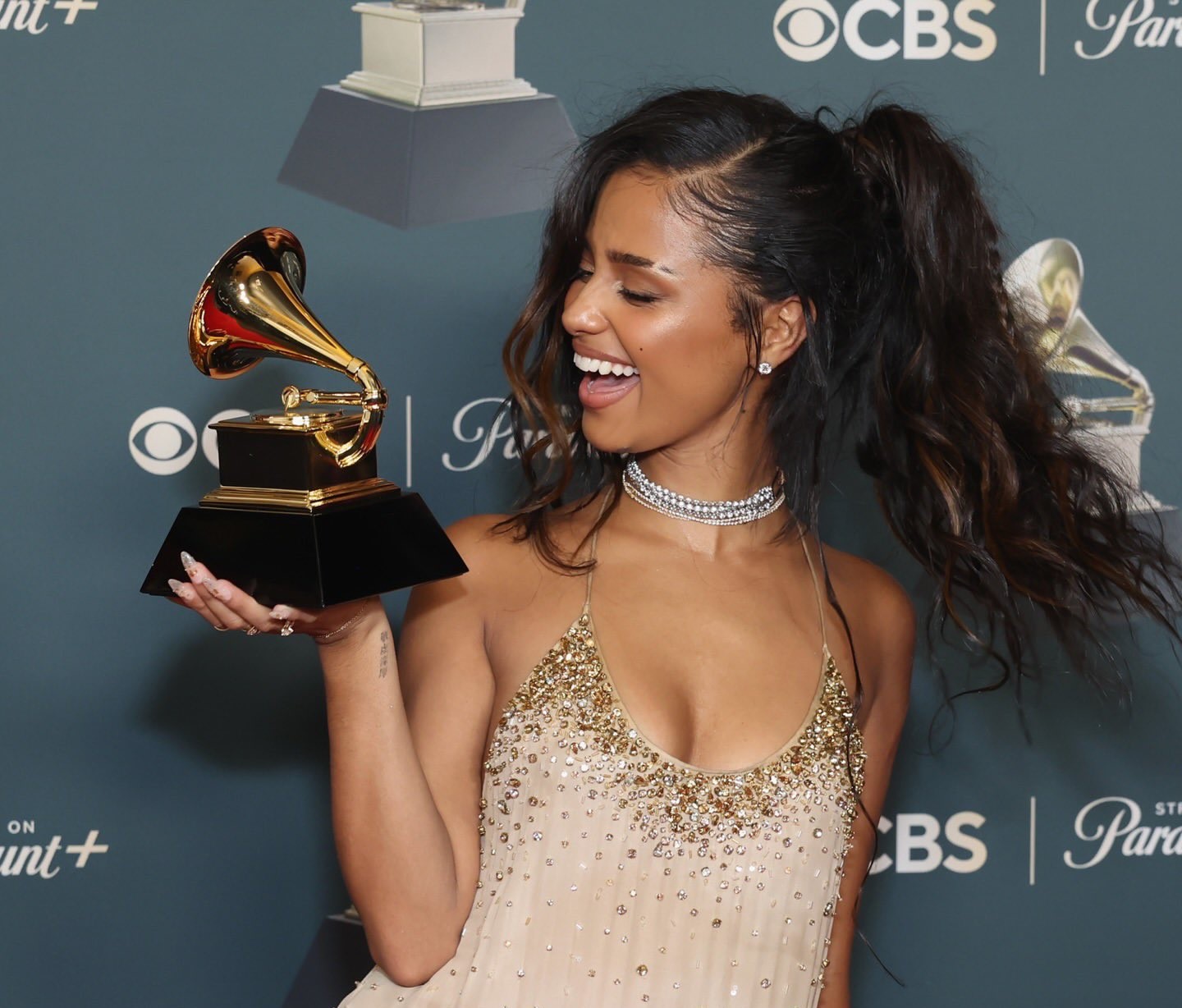
Drop the needle anywhere on this list and you land inside a moment that mattered. Burna Boy in a Brooklyn record store signing copies of African Giant the week it dropped. Asake on the O2 Arena stage in 2023, choir behind him, every single voice in the building singing the hook to “Organise.” Tems collecting her first Grammy in Los Angeles, holding the award with both hands. The albums are the documents. The scenes they produced are the proof.
Ad SpaceIn-Article - 300x250
Advertisement
Share
Get the recap
Loved this story? Get more like it.
Join readers who get our weekly entertainment recap - the stories worth your time, delivered every Friday.
No spam. Unsubscribe anytime. By signing up you agree to our Privacy Policy.