Anne Hathaway: The Oscar Winner's Career, Reinvention, and the Private Life She Protects
Nova Patricks··10 min read
Ad SpaceArticle Top - 728x90
Advertisement
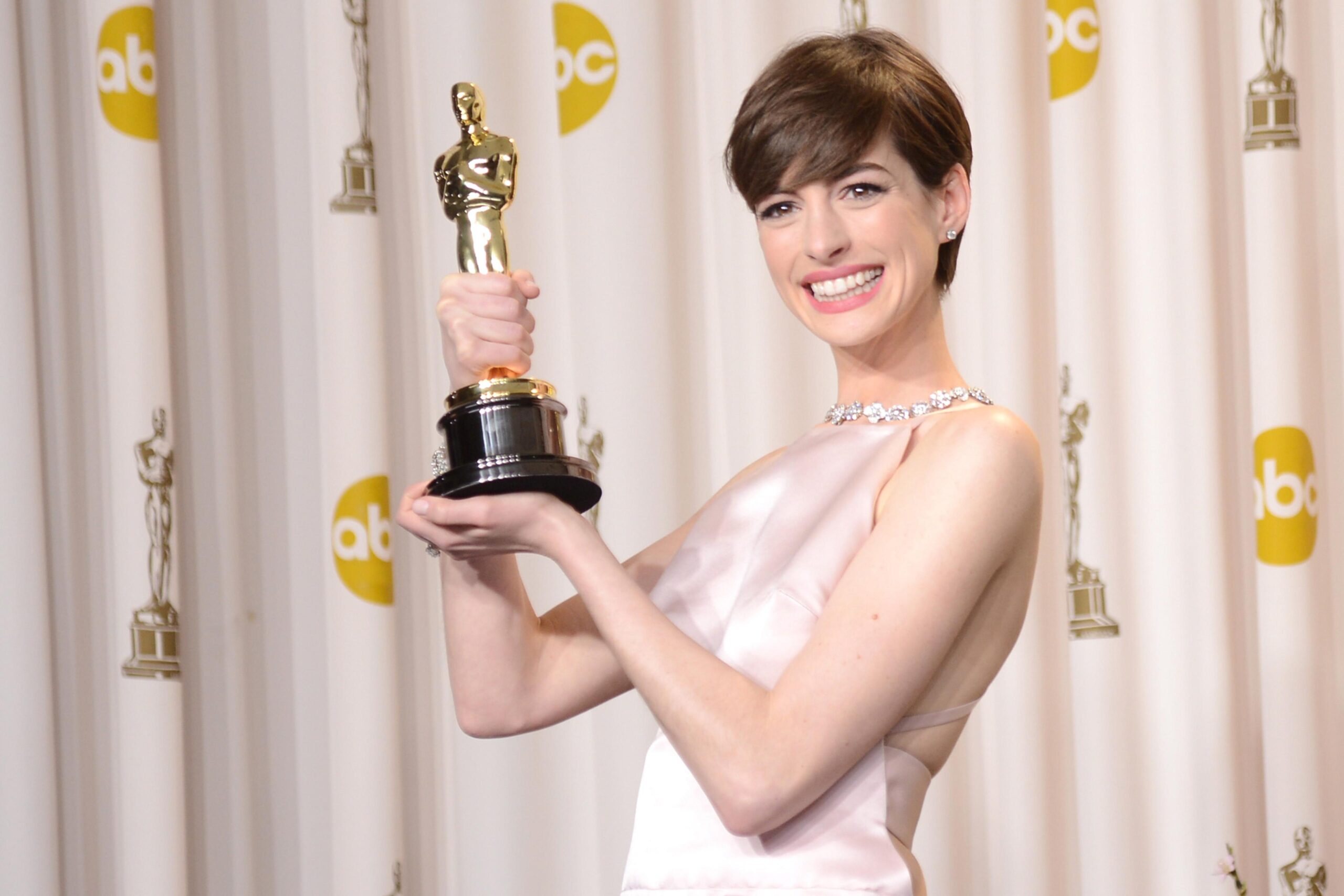
The stage at the Dolby Theatre was bright and the room was full of people who had been watching her for more than a decade, and when the envelope opened on Oscar night in February 2013, the woman in the pale satin gown rose to accept the award for Best Supporting Actress. “It came true,” she said, the first line of her speech echoing the dream her character had sung about in “Les Miserables.” She meant it as a small, sincere flourish. Within hours the internet had decided the line was a crime. That single sentence, spoken in a moment that should have been the high point of a young actor’s life, became one of the most picked-apart utterances in modern awards history, and it tells you almost everything about the strange double life Anne Hathaway has lived: adored and ridiculed, often for the very same qualities, frequently at the very same time.
To understand how an actor wins the highest honor in her field and walks offstage into a wall of mockery, you have to go back to the beginning, to a teenager from Brooklyn who became famous playing a girl who discovers she is a princess.
The Princess Diaries Kid Who Grew Up On Screen
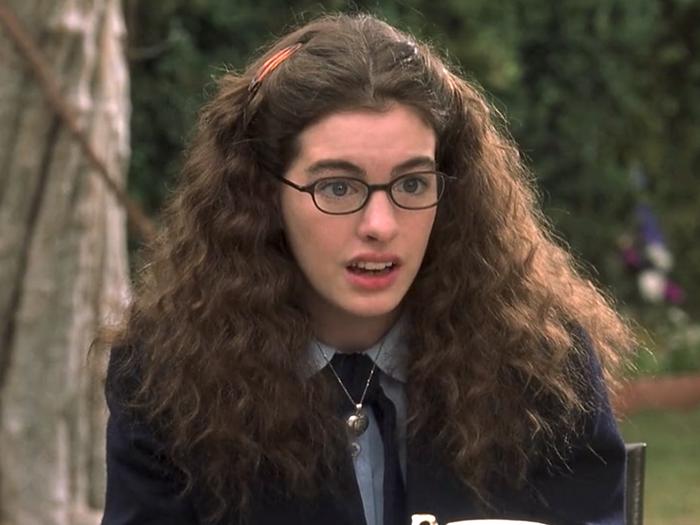
Anne Jacqueline Hathaway was born on November 12, 1982, in the Brooklyn borough of New York City. Her father, Gerald, worked as a labor attorney; her mother, Kate, was a former actress, and the family’s theatrical streak ran through the household early. After a stint on the short-lived television series “Get Real” at the end of the 1990s, Hathaway landed the role that would define the first chapter of her career: Mia Thermopolis, the awkward San Francisco teenager who learns she is heir to a European throne, in Disney’s “The Princess Diaries” in 2001.
She was eighteen, all elbows and enormous brown eyes, and the film made her a household name to a generation of young viewers. A run of family-friendly pictures followed, including “Ella Enchanted” in 2004, and for a while it looked as though Hathaway might be locked into the tiara-and-glass-slipper lane that Hollywood reserves for pretty, polished ingenues. That she was not is a credit to her restlessness. The actress who could carry a fairy tale wanted to do more than smile through one.
The Devil Wears Prada and the Movie-Star Turn
The pivot arrived in two parts. First came Ang Lee’s “Brokeback Mountain” in 2005, a serious adult drama that signaled she was willing to leave the Disney sandbox behind. Then, in 2006, came the film that turned a popular young actress into a genuine movie star: “The Devil Wears Prada.”
As Andy Sachs, the rumpled aspiring journalist who lands a job as assistant to an ice-cold fashion magazine editor, Hathaway played the audience’s surrogate inside a glittering, merciless world. The picture belonged in many ways to Meryl Streep’s withering Miranda Priestly, but it needed a center of gravity to make the satire land, and Hathaway gave it one. The film was her biggest commercial success to that point and remains one of the most quoted comedies of its era. It proved she could anchor a major studio release and hold the screen opposite one of the greatest actors alive.
From there the roles grew braver. In 2008 she earned her first Academy Award nomination, for Best Actress, playing a barbed, self-destructing recovering addict in Jonathan Demme’s “Rachel Getting Married.” It was raw, unglamorous work, the opposite of a tiara, and it announced that the princess could break your heart.
The Oscar
Then came Fantine. Director Tom Hooper’s 2012 film adaptation of the musical “Les Miserables” asked Hathaway to play a dying, destitute mother who sells her hair, her teeth, and finally her body to survive. She cut her hair on camera, sang the despairing anthem “I Dreamed a Dream” in long unbroken takes recorded live on set rather than lip-synced to a studio track, and delivered a performance of such concentrated anguish that it dominated the conversation around the film.
The work won her the Academy Award for Best Supporting Actress at the ceremony held in February 2013, along with a British Academy Film Award and a Golden Globe. By any ordinary measure she had reached the summit. The trophy capped a body of work that already included a billion-dollar blockbuster, Christopher Nolan’s “The Dark Knight Rises,” in which she had played a sleek, morally slippery Catwoman opposite Christian Bale earlier in 2012.
Yet Hathaway has since spoken candidly about how hollow the victory felt in the moment. She later admitted she struggled to summon “uncomplicated happiness” on that stage, that she had poured so much of herself into the role of a woman in agony that she had not fully climbed back out, and that standing in a gown accepting praise for portraying suffering sat uneasily with her. The discomfort she felt was private. The reaction she got was anything but.
The Hathahate Years and What They Revealed About Internet Culture
What happened next has become a small case study in the cruelty of early-2010s online culture. “Hathahate,” as it came to be labeled, was a wave of viral mockery that fixated on Hathaway’s earnestness, her theatre-kid enthusiasm, her habit of seeming to want the approval of the room. Think pieces multiplied. Compilation posts catalogued her supposedly most irritating moments. The very sincerity that made her a compelling performer was reframed, almost overnight, as something fake and grating.
The striking thing, in hindsight, is how little she actually did to provoke it. There was no scandal, no feud, no public disgrace. There was a poised young woman enjoying a surge of success, and a culture that had decided, for reasons it never fully articulated, that her happiness was annoying. Many observers have since read the episode as a textbook example of the gendered scrutiny that lands on visible, ambitious women, the way confidence in a man reads as charisma and the same confidence in a woman reads as try-hard.
The cost was not only emotional. Hathaway has said the toxicity affected her career in concrete terms. “A lot of people wouldn’t give me roles because they were so concerned about how toxic my identity had become online,” she recalled in one widely reported reflection. An actor at the peak of her profession, fresh off an Oscar, found doors quietly closing because of a meme.
Ad SpaceIn-Article - 300x250
Advertisement
One filmmaker refused to play along. Christopher Nolan, who had directed her as Catwoman, cast her again in his 2014 science-fiction epic “Interstellar,” handing her a substantial, emotionally weighty role as an astronaut at a moment when the industry was treating her as radioactive. “I had an angel in Christopher Nolan, who did not care about that and gave me one of the most beautiful roles I’ve had,” she has said. It was a lifeline, and she has never stopped naming it as one.
The Comeback and the Reappraisal
The slow turn of public sentiment is one of the more satisfying arcs in recent Hollywood memory. Hathaway kept working steadily through the back half of the 2010s, taking the breezy heist comedy “Ocean’s 8” in 2018, where she gamely sent up the very vanity the internet had accused her of, and stacking up a body of work that simply outlasted the backlash.
Then the culture changed its mind. As the mob mentality of the early 2010s came in for its own reckoning, a reappraisal of “Hathahate” set in. Audiences and commentators began to recognize that the pile-on had been baseless and ugly, and that the woman at the center of it had absorbed an enormous amount of unearned cruelty with relative grace. Hathaway herself has spoken about choosing not to “live in fear” of being hated, framing the experience, with the distance of years, as something that ultimately taught her resilience rather than something that broke her.
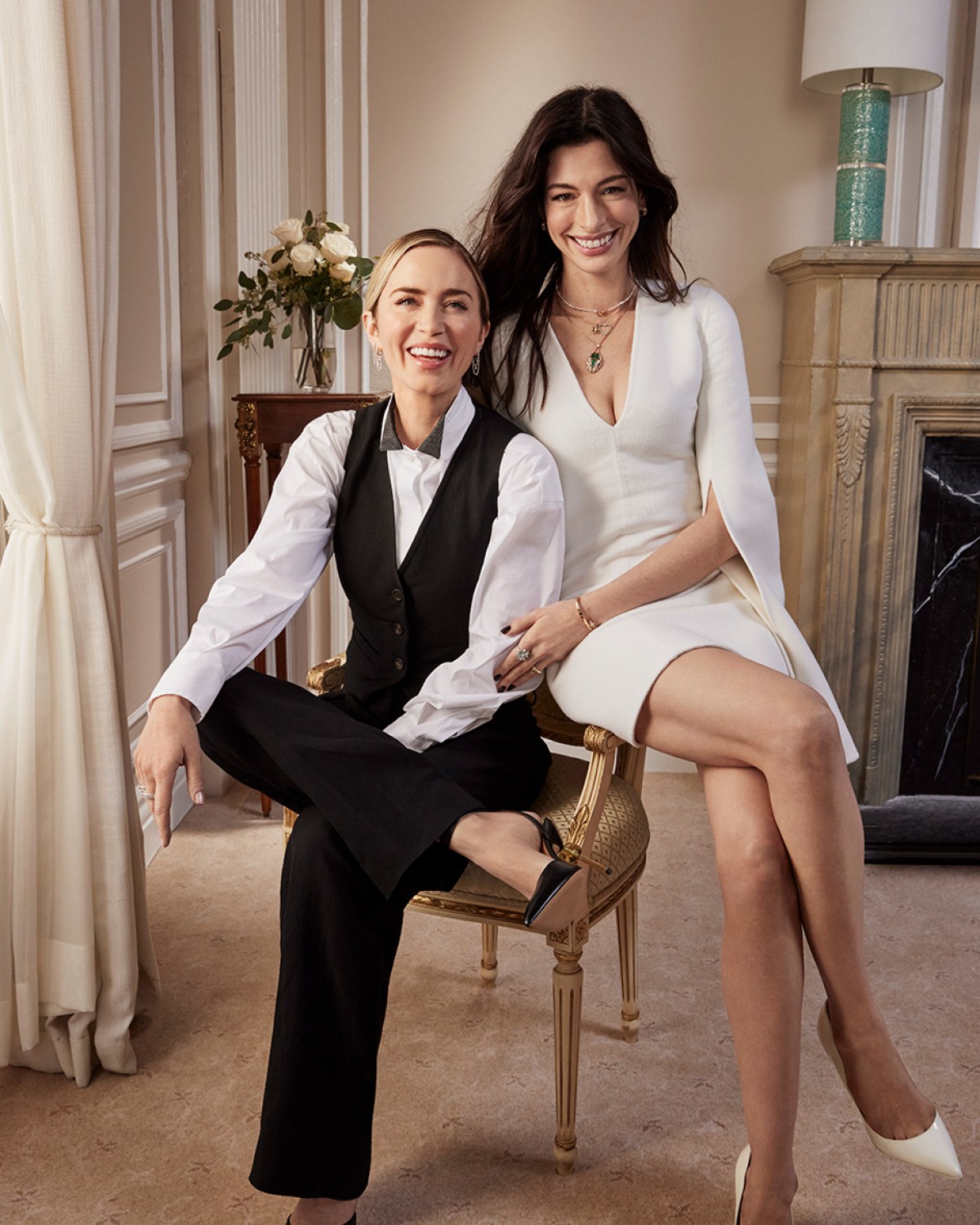
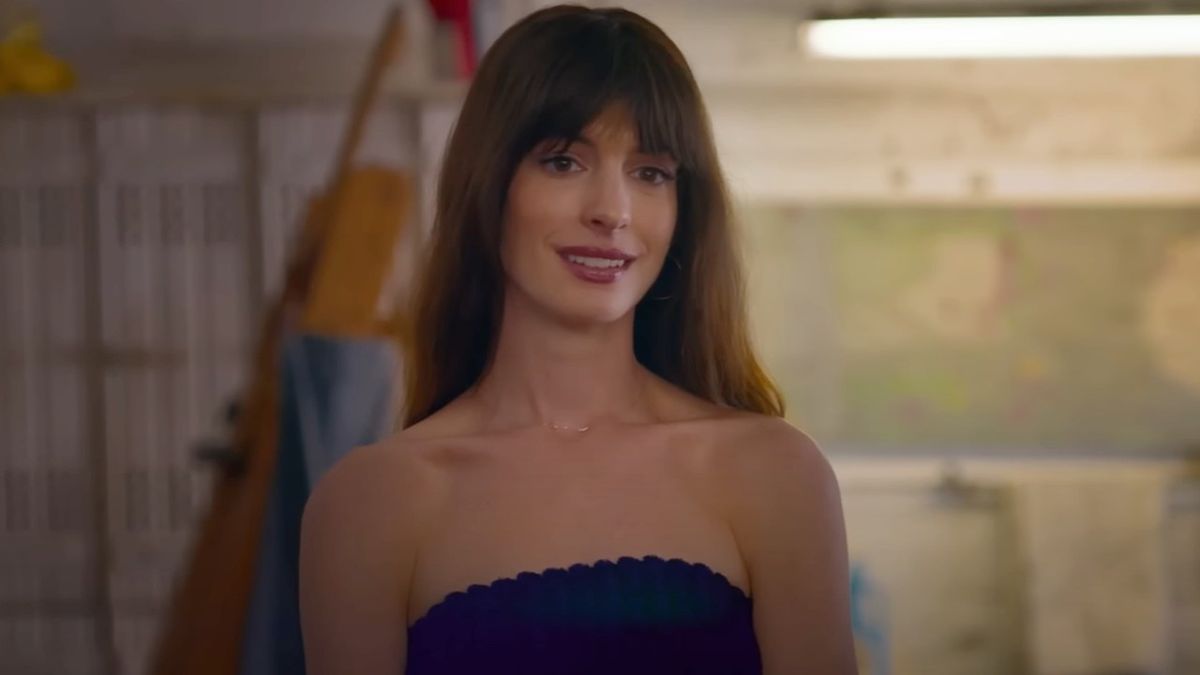
Her 2024 romantic drama “The Idea of You,” in which she played a single mother who falls for a much younger pop star, became a streaming hit and a fresh reminder of her easy on-screen warmth. By the time she returned to one of her signature roles in “The Devil Wears Prada 2,” released in cinemas on May 1, 2026, reuniting her with Streep, Emily Blunt, and Stanley Tucci, the reappraisal was complete. The same year saw her take a darker swing as a troubled pop star in director David Lowery’s A24 drama “Mother Mary,” which reached limited release in April 2026. The actress the internet had once tried to cancel was, two decades into her career, busier and more admired than ever.
The Private Life She Guards
If Hathaway learned anything from the years of public scrutiny, it shows most clearly in the firm line she has drawn around her family. She married actor and jewelry designer Adam Shulman in 2012, and the marriage has been, by every public account, a steady one. She is a mother. Beyond those plain facts, she has chosen, deliberately and consistently, to keep her family out of the public eye, and the reasons she gives are entirely her own.
She has explained the choice in her own words more than once. Reflecting on the rare occasion she shared a glimpse of her family online, she said, “Almost as soon as I’d done it, I wished that I hadn’t,” describing the feeling that she had “broken some kind of a seal in inviting people into my life.” Speaking to Porter, she framed the decision around her children’s autonomy rather than her own comfort: “My family has needs, and one of the needs of children is that they need to be able to define their own lives.” She added that the privacy “is not just about me,” that she sees herself as one member of a team, and that protecting that shared space is non-negotiable.
What she has been willing to discuss, openly and generously, is the difficult road to becoming a parent. In 2019 she used a pregnancy announcement to speak directly to others struggling to conceive, writing that “for everyone going through infertility and conception hell, please know it was not a straight line to either of my pregnancies.” She told the Associated Press that the experience was “really painful and very isolating and full of self-doubt,” and explained that she had chosen to be honest precisely because she knew how lonely it felt to see other people’s good news while quietly carrying disappointment. She has also spoken about a miscarriage she went through in 2015, while performing in a demanding off-Broadway show, choosing to name it rather than hide it.
The distinction she draws is instructive. The parts of the journey that belong to her, the grief, the uncertainty, the body’s refusal to follow a tidy script, she has offered up to help others feel less alone. The parts that belong to her children she keeps for them. It is a thoughtful, deliberate boundary from someone who learned the hard way what unwanted exposure can do.
The Fashion and Brand Presence
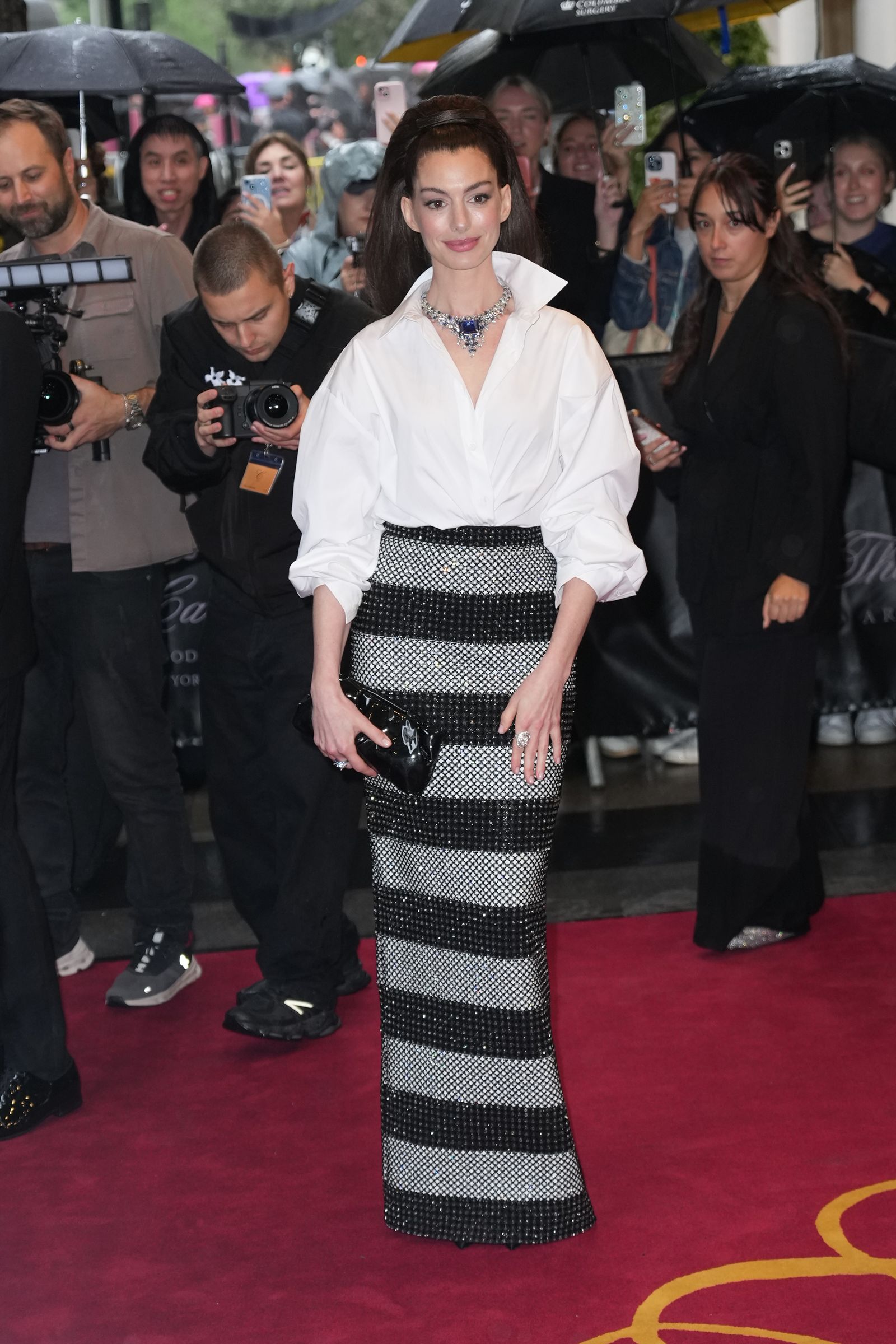
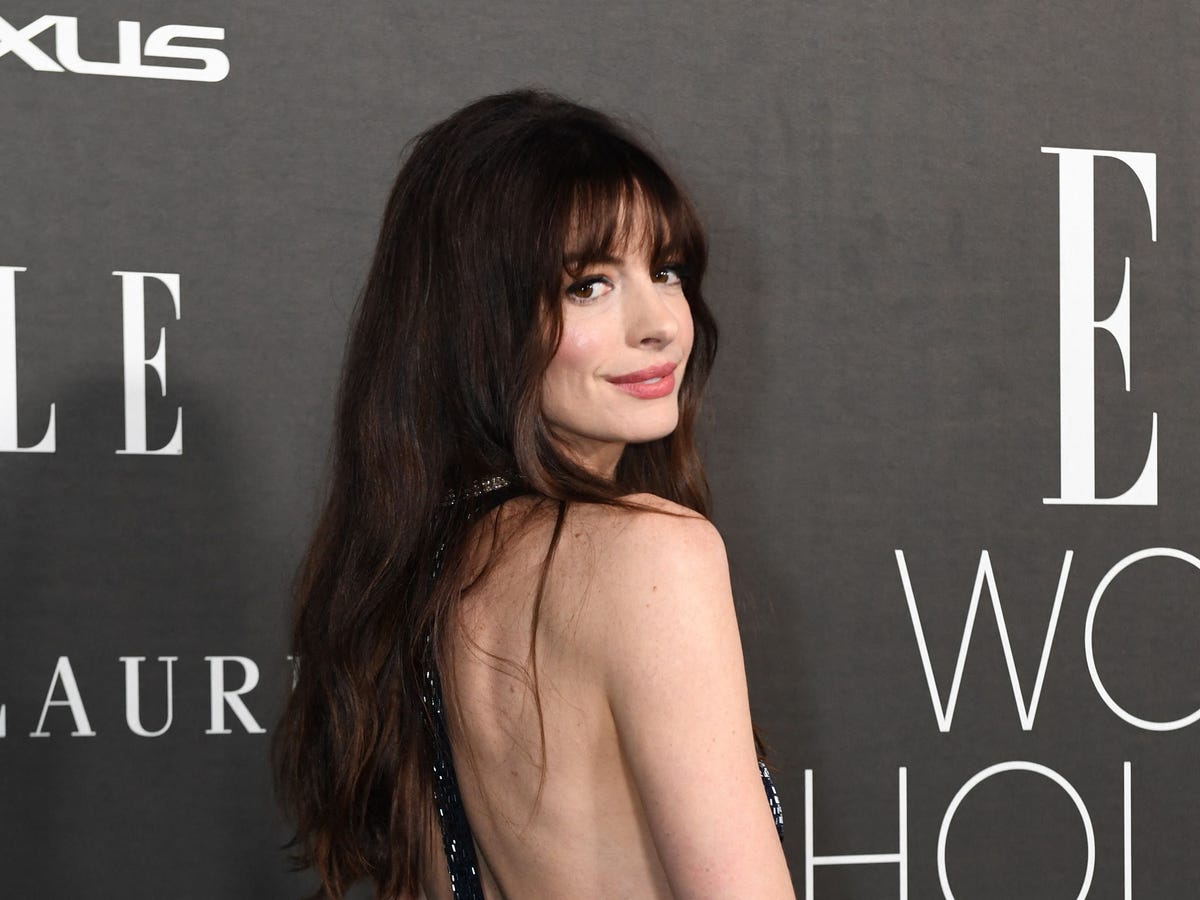
For all her wariness of the spotlight, Hathaway has become one of the most reliable fixtures of red-carpet and fashion-house culture. A regular at major shows and a face for luxury campaigns, she has built a second public identity as a style figure whose appearances are dissected and celebrated in equal measure, a long way from the gawky teenager of “The Princess Diaries.” Her husband’s background as a jewelry designer, including the brand he co-founded and the engagement ring he helped create for her, adds a personal thread to that world. Where the early-career fame felt thrust upon her, this version feels chosen, a public persona she controls rather than one that controls her.
Where She Stands Now
Estimates of Hathaway’s wealth vary, with the widely cited Celebrity Net Worth placing her fortune at roughly 80 million dollars as of 2026, a figure built across more than two decades of studio films, prestige dramas, and brand partnerships. Her films have collectively grossed billions worldwide. The numbers, though, are the least interesting thing about where she has arrived.
The more compelling story is the shape of the arc itself. Here is an actor who broke through as a fairy-tale ingenue, proved she could carry serious adult drama, won the industry’s top award, survived a baseless and corrosive public pile-on, watched a reluctant culture admit it had been wrong, and emerged on the other side with her talent intact and her dignity enlarged. She did it without lashing out, without a tell-all score-settling memoir, without trading her family’s privacy for sympathy.
What “Hathahate” tried to punish was her sincerity. What the reappraisal finally honored was the same thing. Anne Hathaway never changed the essential quality that made people love her and then pretend to hate her. She simply outlasted everyone who could not decide which it was, and along the way she figured out exactly how much of herself to give the world and exactly how much to keep.
Ad SpaceIn-Article - 300x250
Advertisement
Share
Get the recap
Loved this story? Get more like it.
Join readers who get our weekly entertainment recap - the stories worth your time, delivered every Friday.
No spam. Unsubscribe anytime. By signing up you agree to our Privacy Policy.