The 20 Greatest Nigerian Female Musicians of All Time, Ranked and Defended
Music

The 20 Greatest Nigerian Female Musicians of All Time, Ranked and Defended

Jalen RossJalen Ross··13 min read
Advertisement

Every few months someone on Nigerian X reignites the argument about which woman deserves the crown of greatest Nigerian female musician, and every time the conversation collapses into stan wars rather than criticism. That is a shame, because the history involved is one of the most extraordinary stories in African cultural life. It runs through Yoruba highlife and waka in the 1970s, the reggae and pop experiments of the 1980s, the collapse and rebuild of the industry in the 1990s, and the global Afrobeats decade that followed.
The 20 greatest Nigerian female musicians ranked

So here is an actual ranking, counted down from twenty to one, with a defence attached to every placement. Four things decided the order. Influence, meaning how much of what came afterwards would look different without them. Catalogue, meaning the depth and quality of the body of work rather than the size of one hit. Longevity, meaning whether the career survived contact with a changing industry. Cultural impact, meaning what the music did outside the charts. Streaming totals and award counts inform the picture but never decide it on their own, because half the women on this list were making career-defining records before Nigeria had a functioning distribution system, let alone a Spotify account.
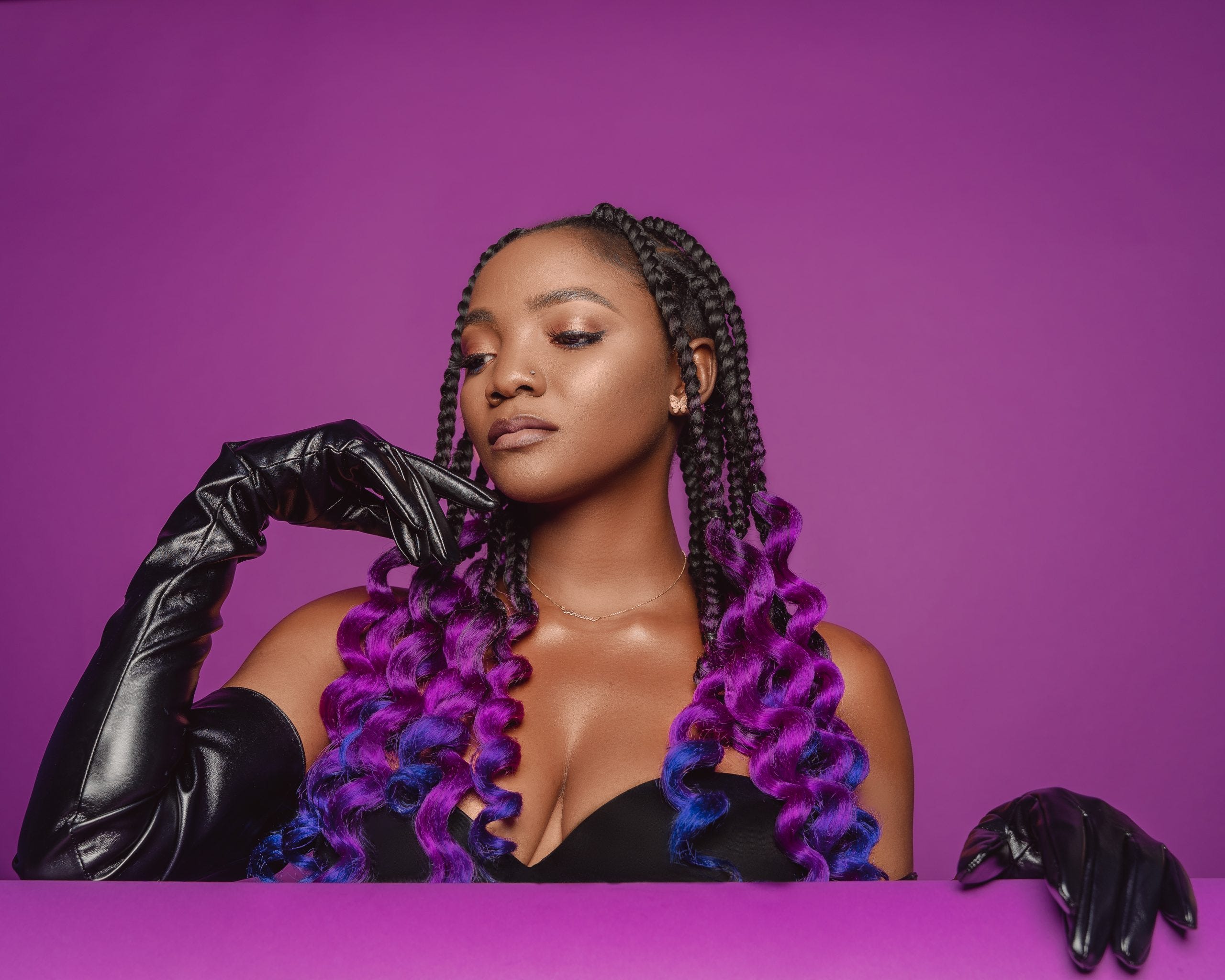
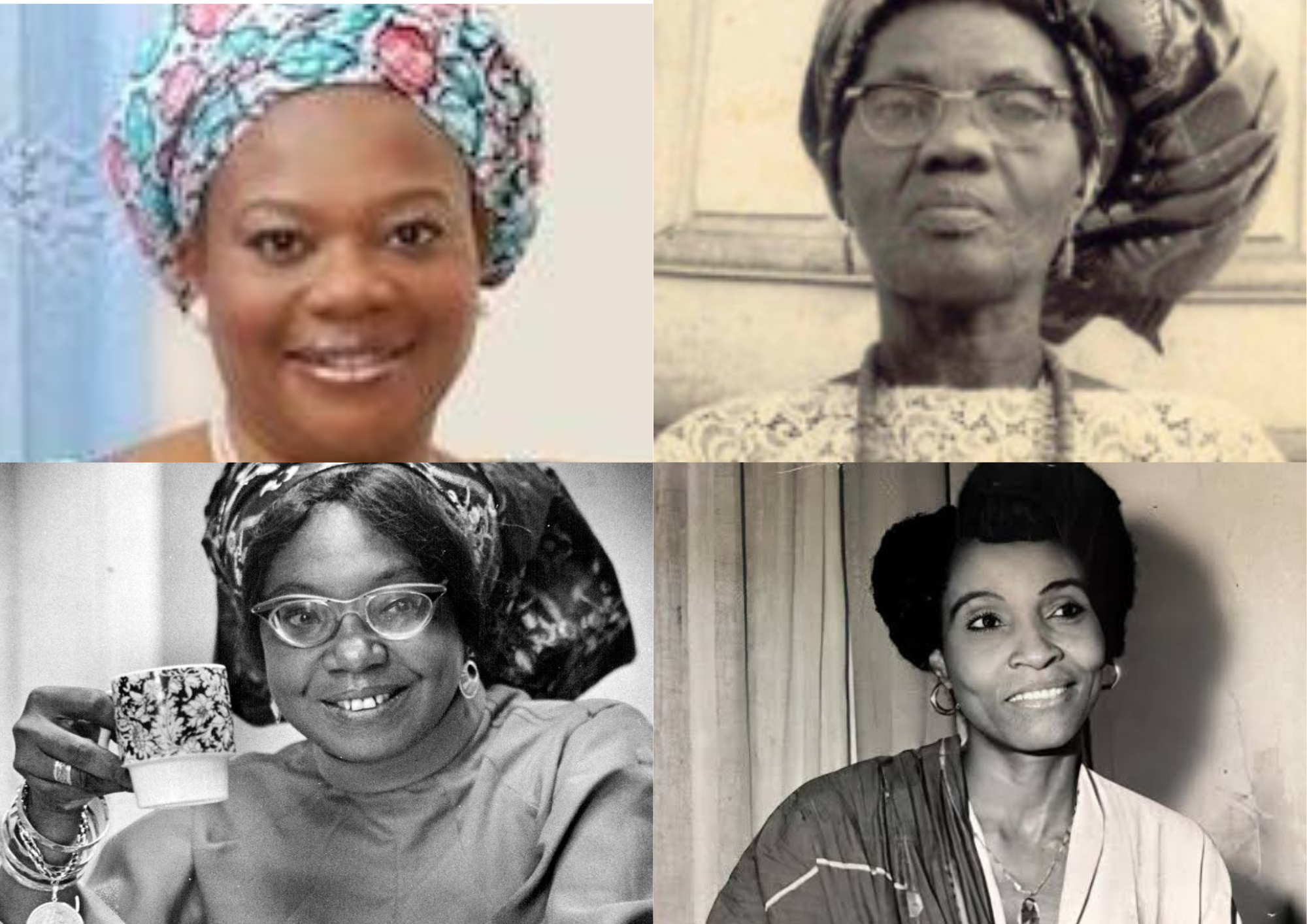
Nigerian female musicians performing at a live concert
Image: The Naija Way on Substack

Numbers 20 to 16

Greatest Nigerian female musicians, the opening five places

20. Mo’Cheddah

She arrived at the front of the Nigerian pop conversation while still a teenager, winning early Headies recognition at an age when most of her peers were still chasing a first single. The music was bright, brash, hip-hop adjacent, and unmistakably hers, and the visual identity she built around it made her one of the most recognisable young women in Nigerian entertainment for a stretch of the early 2010s. What keeps her at twenty rather than higher is the catalogue. The peak was genuine and it was short, and the later career moved more toward fashion and business than toward the run of records the top half of this list demands. The influence is real anyway: she showed a generation of Nigerian girls that the entry point was a personality, not a permission slip.

19. Seyi Shay

Few Nigerian singers have arrived with a stronger technical foundation. She had already worked as a backing vocalist in the UK and spent time in a group before returning to Lagos, and it showed immediately in the control and the phrasing. Right Now, Yolo Yolo and Weekend Vibes gave her a run of singles that worked on radio and in clubs without ever sounding thrown together, and her live performances have consistently been better than her chart position suggested. She sits at nineteen because the commercial peak never fully matched the ability, and because the album-length statements came less often than the talent warranted. As a vocalist, though, she is comfortably inside the top ten of anyone who has ever done this in Nigeria.

18. Waje

By most accounts inside the industry she has the most technically gifted voice of her generation, and the evidence is on other people’s records as much as her own. Her feature on P-Square’s Do Me is one of the most recognisable vocal hooks in 2000s Nigerian pop, and the run of guest appearances that followed made her the singer other artists called when a song needed to be lifted. Her solo catalogue is where the case gets harder. The debut album is genuinely underrated and the material is strong, but the commercial machinery never assembled behind her the way it did for peers with less voice and more infrastructure. Eighteen is a placement for a career that produced more great singing than great career management.

17. Sasha P

Nigerian female rap essentially begins its modern commercial chapter with her. She was the first woman in the scene to be treated as a serious label proposition rather than a novelty, and the recognition she picked up at the Headies in the mid-2000s broke a barrier that had not previously been tested. The bars were sharp, the delivery was unbothered, and she held her own on records with the biggest male rappers of the era at a time when that was not a fair fight. Her catalogue is thinner than her importance, which is why she sits here rather than higher, but almost every Nigerian woman who has picked up a microphone to rap since has been working inside a door she opened.

16. Weird MC

Ijoya is one of those records that stops being a song and becomes a piece of national furniture. Weird MC had already been rapping for years by the time it landed in the mid-2000s, having built a reputation in the UK and Nigeria as a lyricist who refused every expectation attached to being a woman in hip-hop. The song fused rap with Yoruba percussion and a hook that has outlived most of the era around it, and it remains a fixture at Nigerian weddings and parties two decades later. Sixteen reflects a catalogue that is smaller than the impact, and an artist whose most important contribution may simply have been existing, visibly and uncompromisingly, in a scene that had no template for her.

Numbers 15 to 11
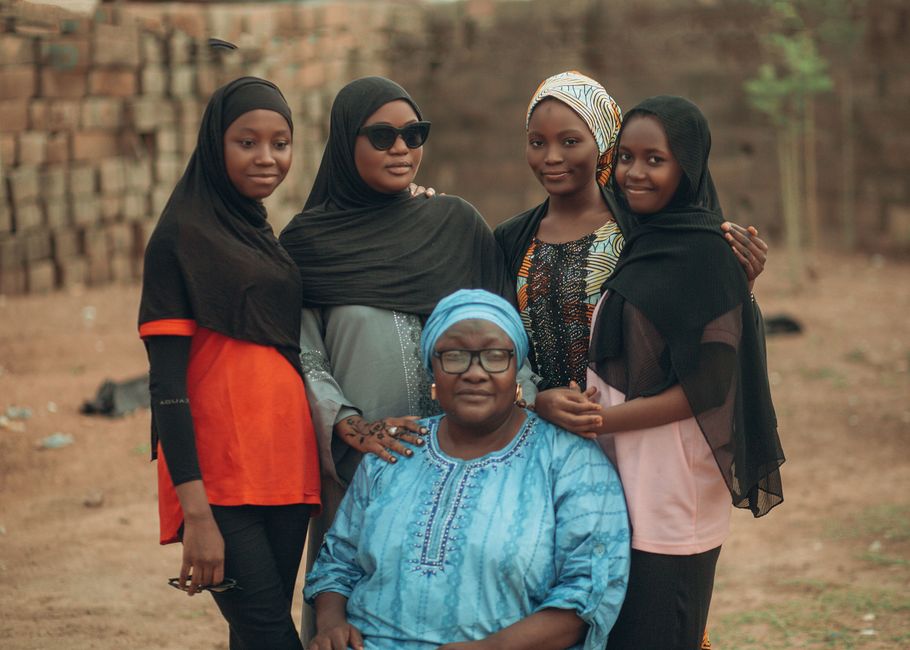
Greatest Nigerian female musicians, places fifteen to eleven

15. Niniola

She built a lane rather than joining one. While Nigerian pop was consolidating around a fairly narrow rhythmic template, Niniola was pulling South African house structures into Yoruba-language songwriting and producing records like Maradona and Sicker that sounded like nothing else on Lagos radio. The Afro-house identity she committed to was commercially riskier than the alternative and it aged far better, and her work has circulated among international producers in a way few Nigerian women’s catalogues have. Fifteen accounts for a body of work that is consistent rather than enormous. It does not account for the number of records made since that would not exist in their current form without hers.

14. Chidinma

She won a national talent competition, which is usually a sentence that precedes a short career, and then spent the next decade proving the format wrong. Kedike is one of the most durable Nigerian pop singles of the 2010s, and the run around it established her as a genuine songwriter rather than a well-cast winner. What lifts her to fourteen is the second act. Her move into gospel could have ended her commercial relevance and instead produced some of the most widely heard music of her career, reaching an audience that had never followed her pop work. Very few Nigerian artists of any gender have successfully rebuilt an audience from the ground up in mid-career.

13. Teni

The songwriting came first and it still explains everything. Before she was a star she was the person other artists went to for a hook, and when she started keeping the songs the results were immediate. Case, Askamaya and Uyo Meyo are structurally clever records disguised as easy ones, and Uyo Meyo in particular is one of the most emotionally direct songs Nigerian pop produced in that decade. She also broke a persistent assumption about what a Nigerian female pop star was allowed to look and sound like, and did it without ever appearing to negotiate about it. Thirteen is a placement for a career that is still comparatively young and already carries more genuinely great songs than most twenty-year runs.

12. Simi

She is the most complete musician in the modern Nigerian pop cohort, and it is not particularly close. Simi came up as an engineer and songwriter as well as a singer, and the fingerprints of that training are all over records like Joromi, Duduke and the Simisola album, where the arrangements are cleaner and the writing more deliberate than the genre norm. Duduke became one of the defining Nigerian songs of its year and did it with almost no gimmick attached. She sits at twelve rather than higher because her commercial reach has stayed largely continental while several artists below her in ability have gone further. On craft alone she would be top five.

11. Omawumi

The runner-up finish on West African Idols was the introduction and almost immediately became the least interesting thing about her. Omawumi built a recording career that consistently chose the harder option, working with highlife, soul and jazz textures at moments when the market was rewarding straightforward pop, and her debut album remains a reference point for what a genuinely powerful Nigerian voice sounds like with real songwriting underneath it. She has also had one of the steadiest careers on this list, moving between music, acting and public life without any of them undercutting the others. Eleven reflects an artist whose respect inside the industry has always run ahead of her streaming numbers.

Numbers 10 to 6
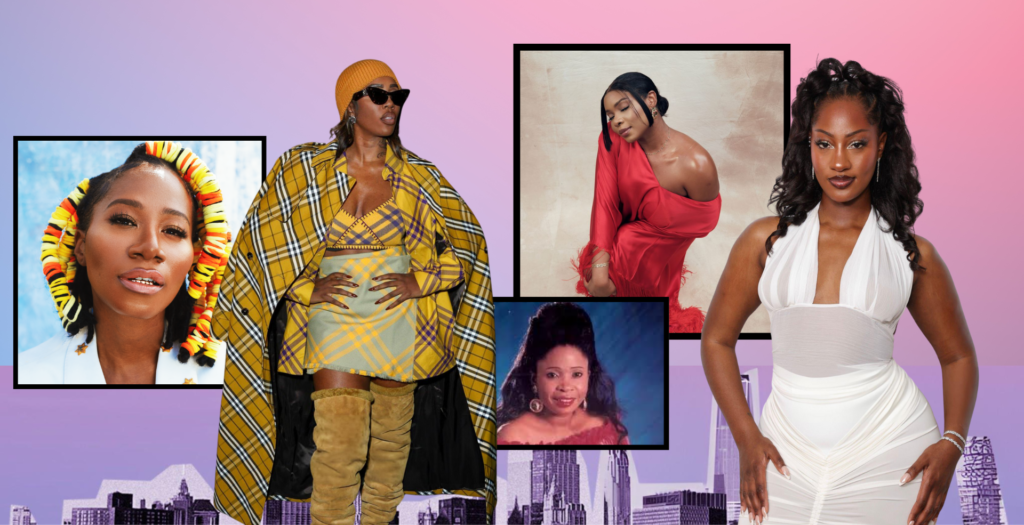
Greatest Nigerian female musicians, the top ten

10. Ayra Starr

Ranking an artist this young inside a top ten requires a defence, and hers is straightforward: she has already done things no Nigerian woman had done before. Rush earned a Grammy nomination in the first Best African Music Performance field, Gimme Dat put her back on the ballot at the 2026 ceremony, and she won BET’s Best International Act in 2025, the final year the category existed. The albums behind those singles are coherent rather than assembled, and she has held an international touring base without softening the Nigerian character of the music. Ten is a placement based on what is already on the record, not on projection, and it is the placement most likely to look conservative in a decade.
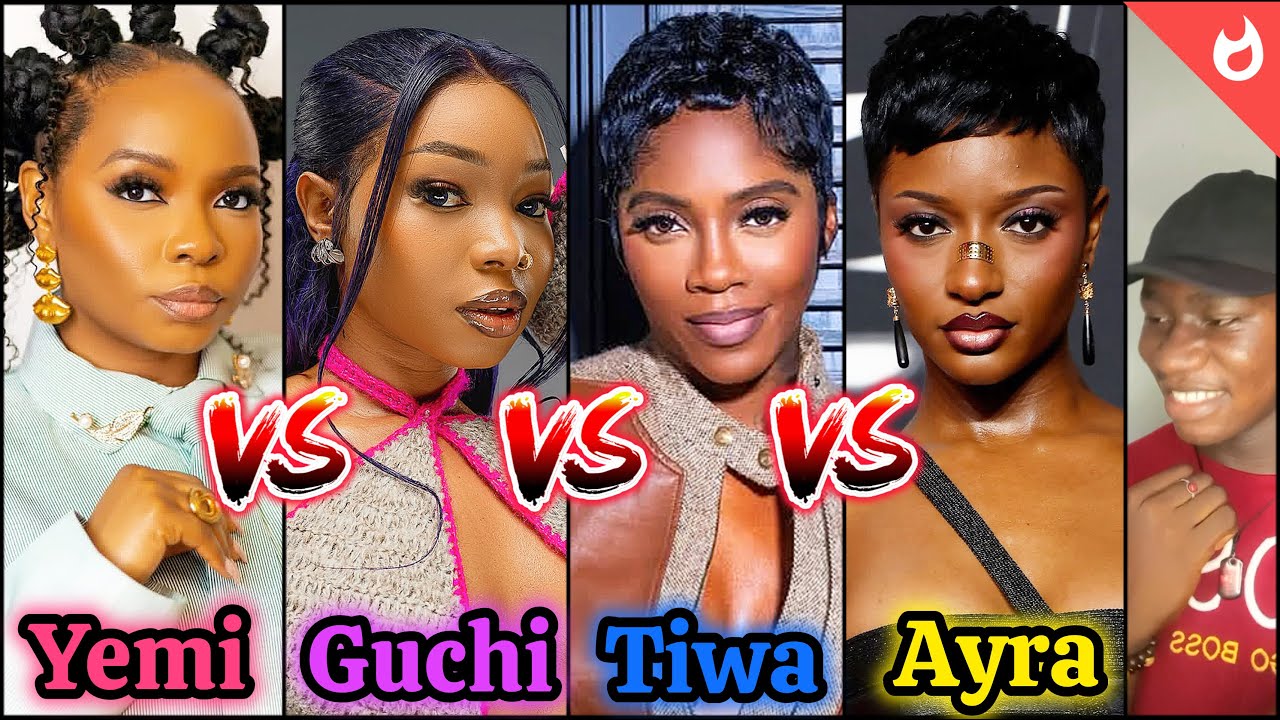
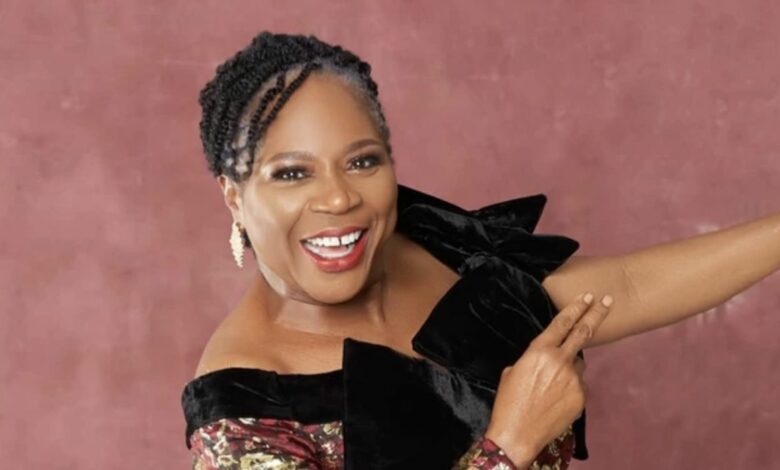
Advertisement

9. Evi Edna Ogholi

Nigeria’s most important female reggae artist, and one of the very few African women of her era to own a genre lane outright. Happy Birthday and Obaro remain instantly recognisable to Nigerians who were not born when they were recorded, and her run through the late 1980s and into the 1990s made her a continental figure at a time when almost no infrastructure existed to make that possible. What earns ninth place is the combination of genre ownership and staying power. She was not a woman working inside a men’s genre with permission. She was the reference point, and the Nigerian reggae records that followed were measured against hers.

8. Salawa Abeni

The Queen of Waka Music holds a title formally conferred on her, which is a distinction almost nobody else on this list can claim. She was still a teenager when her breakout record made her a national name, and she went on to build waka from a traditional Yoruba form into a commercially viable genre with an audience that crossed class and region. The catalogue is enormous by any standard, the career has now run for five decades, and her influence sits underneath a great deal of Yoruba popular music that never credits it directly. Eighth place reflects genre creation, sheer volume and a longevity record that only two or three artists here can approach.

7. Sinach

Any list that ignores gospel to keep the conversation inside Afrobeats is not a list of the greatest Nigerian female musicians, and Sinach is the proof. Way Maker became one of the most widely sung contemporary worship songs anywhere in the world, covered by major American and European gospel artists and translated into dozens of languages, and it earned her songwriting recognition in the United States that no Nigerian songwriter had previously received. That is a scale of reach that dwarfs most Nigerian pop hits. Seventh place is a straightforward reading of impact: she wrote a song that entered the global church repertoire, which is a longer-lasting achievement than a chart run.

6. Yemi Alade

Johnny made her, and the two decades of work around it are why she ranks here rather than in the twenties. The video became one of the most-watched African music videos of its era, and she used the platform to build something genuinely pan-African rather than Nigerian with export ambitions, recording in English, Yoruba, French and Swahili and touring Francophone and East African markets that most Lagos artists never bother with. Her appearance on Beyonce’s The Lion King: The Gift confirmed a status she had already earned on the road. Sixth place is for reach and consistency: more albums, more countries and more sustained continental relevance than almost anyone else in her generation.

Numbers 5 to 1

5. Asa

She belongs in a category of her own, and that is precisely the argument for putting her fifth. Asa’s self-titled 2007 debut arrived with Jailer and Fire on the Mountain, songs that used folk and soul structures to deliver social criticism sharp enough to survive the decade intact, and Beautiful Imperfection deepened rather than repeated the formula. She built a devoted audience across West Africa and Europe without ever chasing a Nigerian radio trend, which cost her chart positions and bought her something more durable. Fifth place recognises an artist whose catalogue holds up front to back, whose songwriting is the strongest on this list, and who proved a Nigerian woman could go global without going pop.

4. Tems

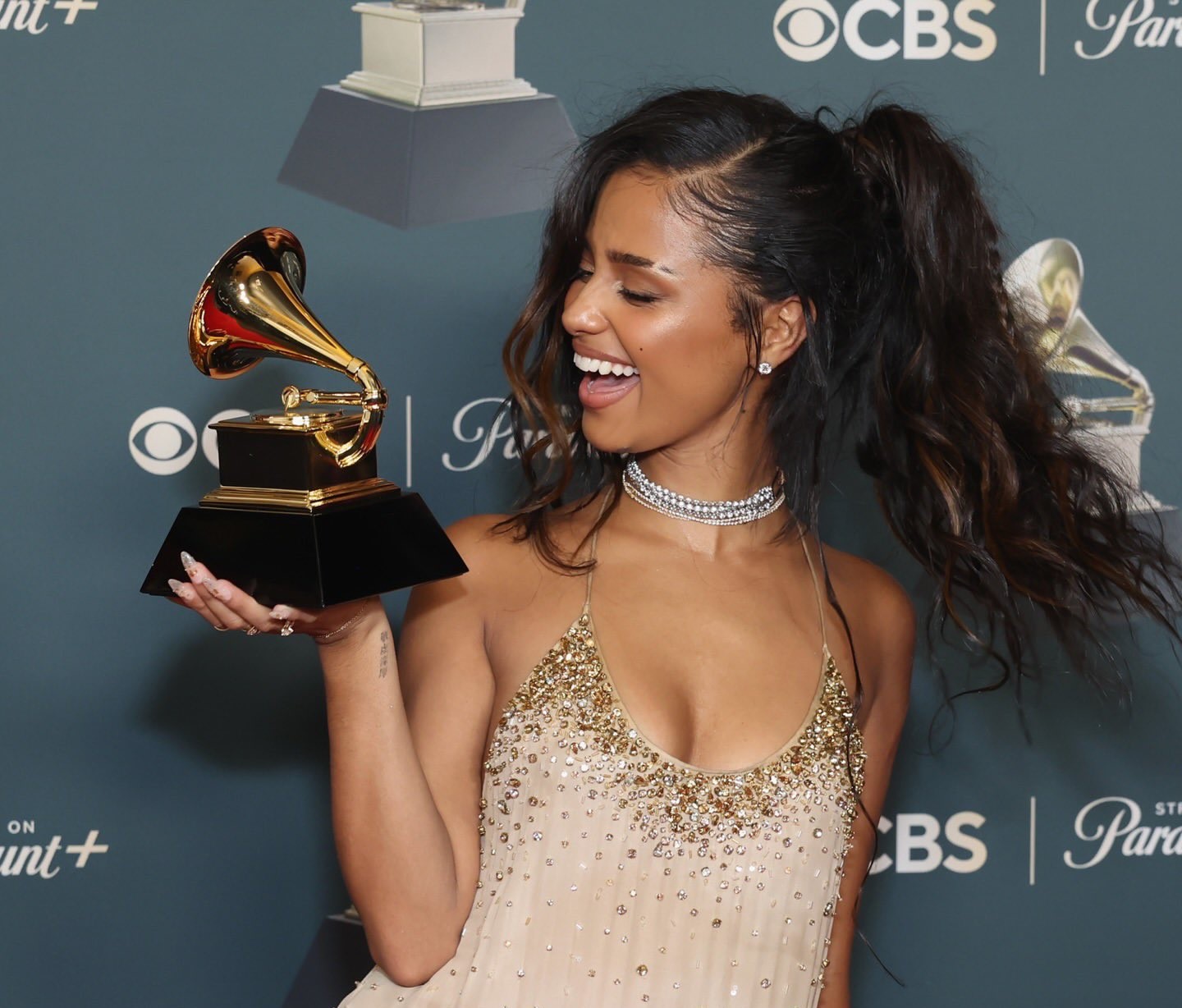
The most decorated Nigerian woman in music history, and the case is on paper. She won Best Melodic Rap Performance at the 2023 Grammys for Wait for U with Future and Drake, becoming the first African woman to win in a rap field, then won Best African Music Performance in 2025 for Love Me JeJe as a lead artist. Her writing on Lift Me Up drew an Oscar nomination, Essence with Wizkid rewrote what an African song could do on the Billboard Hot 100, and Born in the Wild established her as an album artist rather than a feature. Fourth rather than higher only because the career is still short. On trajectory alone she is coming for the top two.

3. Christy Essien-Igbokwe

Nigeria’s Lady of Songs, and the first Nigerian woman to build a truly national audience across ethnic and linguistic lines in a country with hundreds of them. Seun Rere is still sung by people three generations removed from its release, and the run of albums around it made her a household name at a moment when that required constant touring and no digital shortcuts. What lifts her to third is what she did off the record. She became the first woman elected president of the Performing Musicians Association of Nigeria, fighting for the rights of artists who had none, and that institutional work shaped the industry every artist below her later entered.

Yemi Alade performing at a major African music concert
Image: Yemi Alade

2. Tiwa Savage

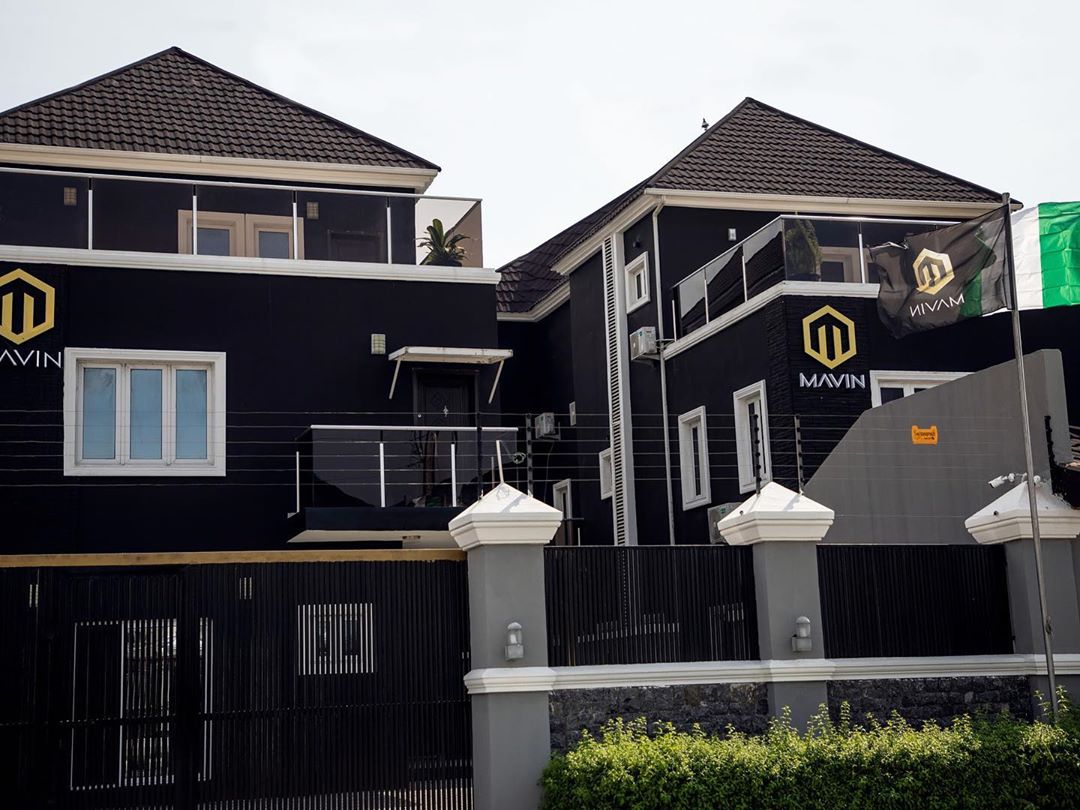
Nobody did more to make a career like the ones on the lower half of this list structurally possible. She signed to Mavin Records in 2012 and became the label’s most visible artist, released Once Upon a Time into a market that had no template for a Nigerian female pop star operating at that scale, and then spent a decade converting that position into business leverage that no Nigerian woman had previously held. The Roc Nation management deal, the Universal relationship, the MTV Europe Music Award for Best African Act, the Water & Garri project and its film extension: each of those moves widened the range of what was available to the women who came after her. The catalogue is strong. The career architecture is historic, and the second placement is for both.

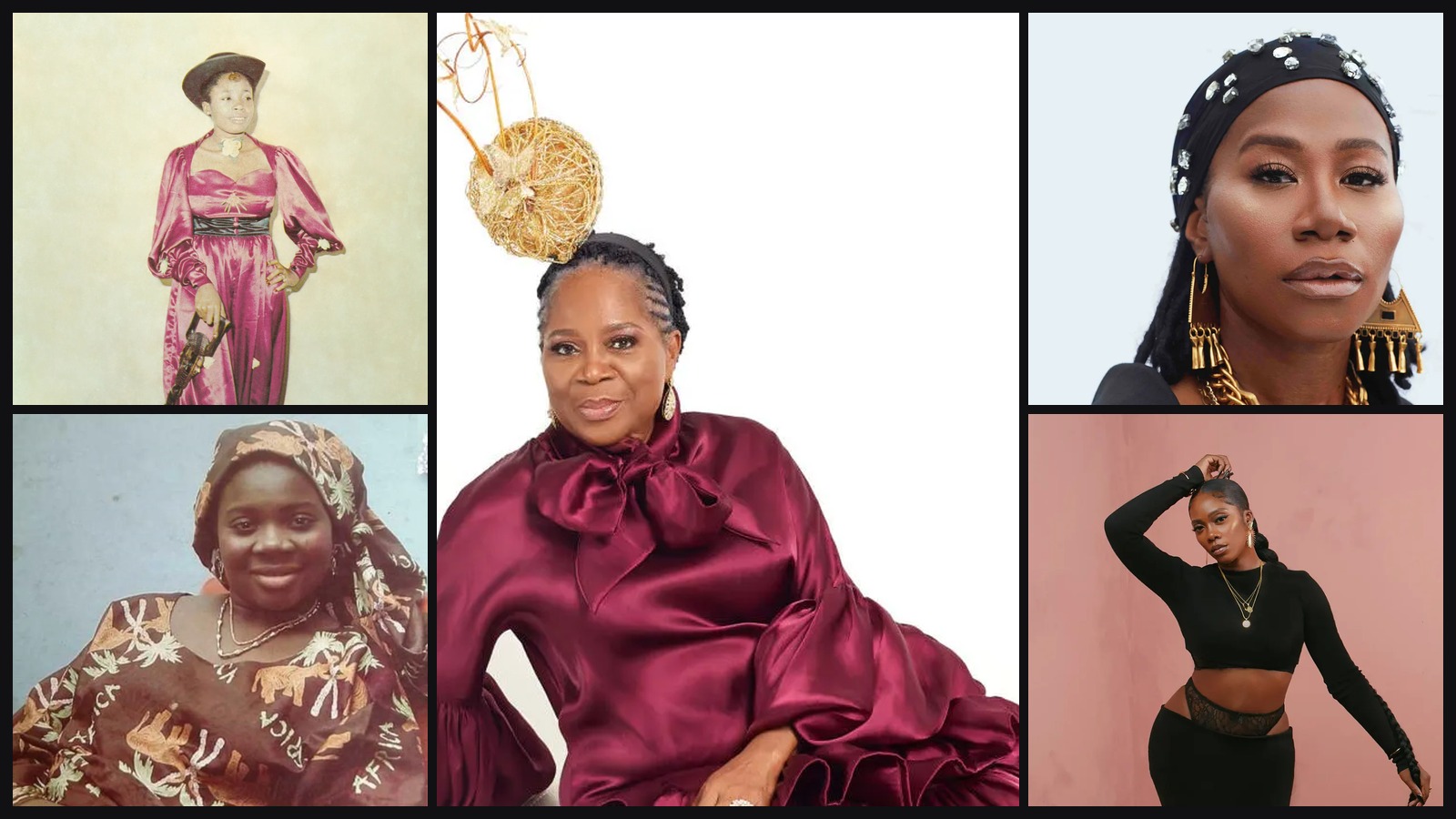
Onyeka Onwenu legendary Nigerian singer and cultural icon
Image: The Guardian Nigeria News

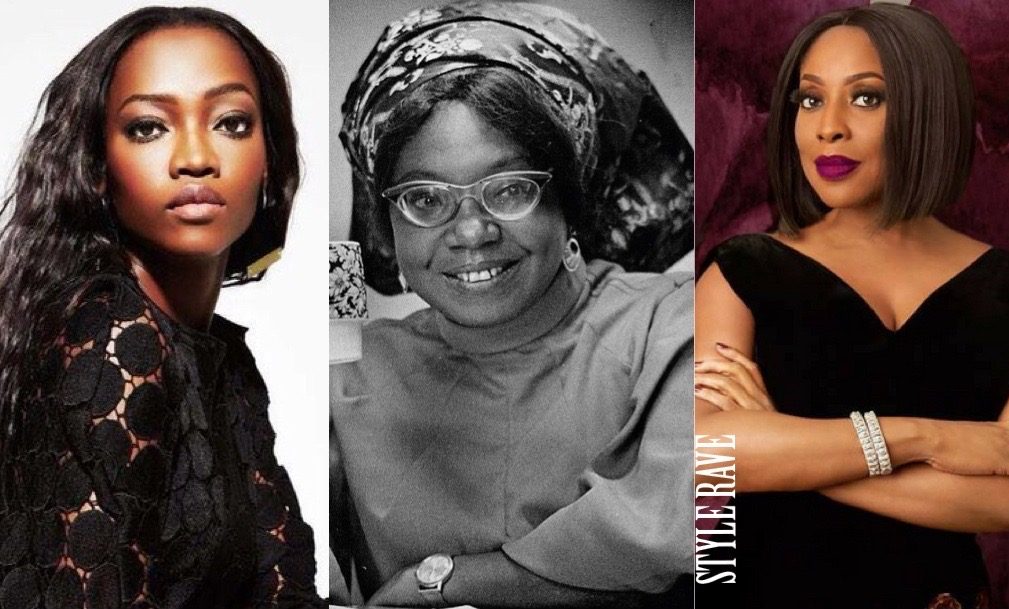
1. Onyeka Onwenu

The Elegant Stallion takes the top place because she is the only artist here who scores at the maximum on all four criteria at once. The voice was extraordinary and controlled. The catalogue ran across decades and genres, including the King Sunny Ade duets that fused juju with pop years before anyone was calling that fusion a strategy. The longevity was total, running from the late 1970s until her death in 2024 and taking in acting, broadcasting and public office along the way.

The cultural impact is the clincher. She wrote and sang about identity, women’s lives and national conscience at a time when Nigerian popular music mostly did not, and her documentary work put her in direct confrontation with power in a way that carried genuine risk. One Love and the songs around it are still in national rotation. Every argument this article has just spent two thousand words having, about whether commercial reach or craft or influence should decide these things, resolves in her favour on every count, which is the cleanest definition of a number one.

Who Just Missed

Greatest Nigerian female musicians, honourable mentions

Twenty places is not enough and the cuts hurt. Stella Monye carried highlife through decades when the genre had no commercial support. Funmi Adams and the fuji-adjacent traditionalists kept forms alive that later pop borrowed freely from. Aramide and Lola Rae both made records better than their reach suggested. Ric Hassani’s frequent collaborators and the alte women around Lady Donli built a scene that this ranking barely touches. And Tiwa and Yemi aside, the modern cohort is deep enough that a list written five years from now will look substantially different in its bottom half.

What the Ranking Actually Argues

Read the order from twenty back to one and a pattern emerges that has nothing to do with era. The women near the top are the ones who did more than make records. Onyeka Onwenu argued with the state. Christy Essien-Igbokwe built an institution. Tiwa Savage built a business template. Sinach wrote something that outgrew the music industry entirely. Salawa Abeni created a genre and then held it for fifty years.

The women lower down are, in almost every case, artists whose talent was never the limiting factor. Waje can out-sing most of the top ten. Sasha P and Weird MC were operating without any of the infrastructure their successors inherited. That is the uncomfortable thing this list surfaces: the ranking measures opportunity as much as ability, and the gap between them has been the defining condition of Nigerian women’s music for fifty years. The twenty names above closed it anyway, one record at a time.

Advertisement
Share
Get the recap

Loved this story? Get more like it.

Join readers who get our weekly entertainment recap - the stories worth your time, delivered every Friday.

No spam. Unsubscribe anytime. By signing up you agree to our Privacy Policy.

The 20 Greatest Nigerian Female... | Sidomex Entertainment