
Why Invincible Is the Animated Superhero Show Nigerian Fans Cannot Stop Talking About
Movies

Why Invincible Is the Animated Superhero Show Nigerian Fans Cannot Stop Talking About

Nova PatricksNova Patricks··9 min read
Advertisement

A teenage boy stands in an empty street, blood on his face, listening to his own father explain, calmly, why none of the people they were supposed to protect actually matter. The buildings around them are rubble. Bodies are scattered like dropped toys. And the man delivering this speech is not a villain in the usual sense – he is the hero everyone on the planet trusted, the strongest being alive, the dad who tucked his son in at night. That single scene, buried in the back half of a first season, is the moment a generation of viewers realised this cartoon was not playing by anybody’s rules. It is also, more than five years later, the kind of moment Nigerian group chats are still sending to friends with the caption “you HAVE to watch this.”

That show is Invincible, and the conversation around it has not cooled down. If anything, in 2026 it is louder than ever.

What Invincible actually is
Why Invincible - What Invincible actually is

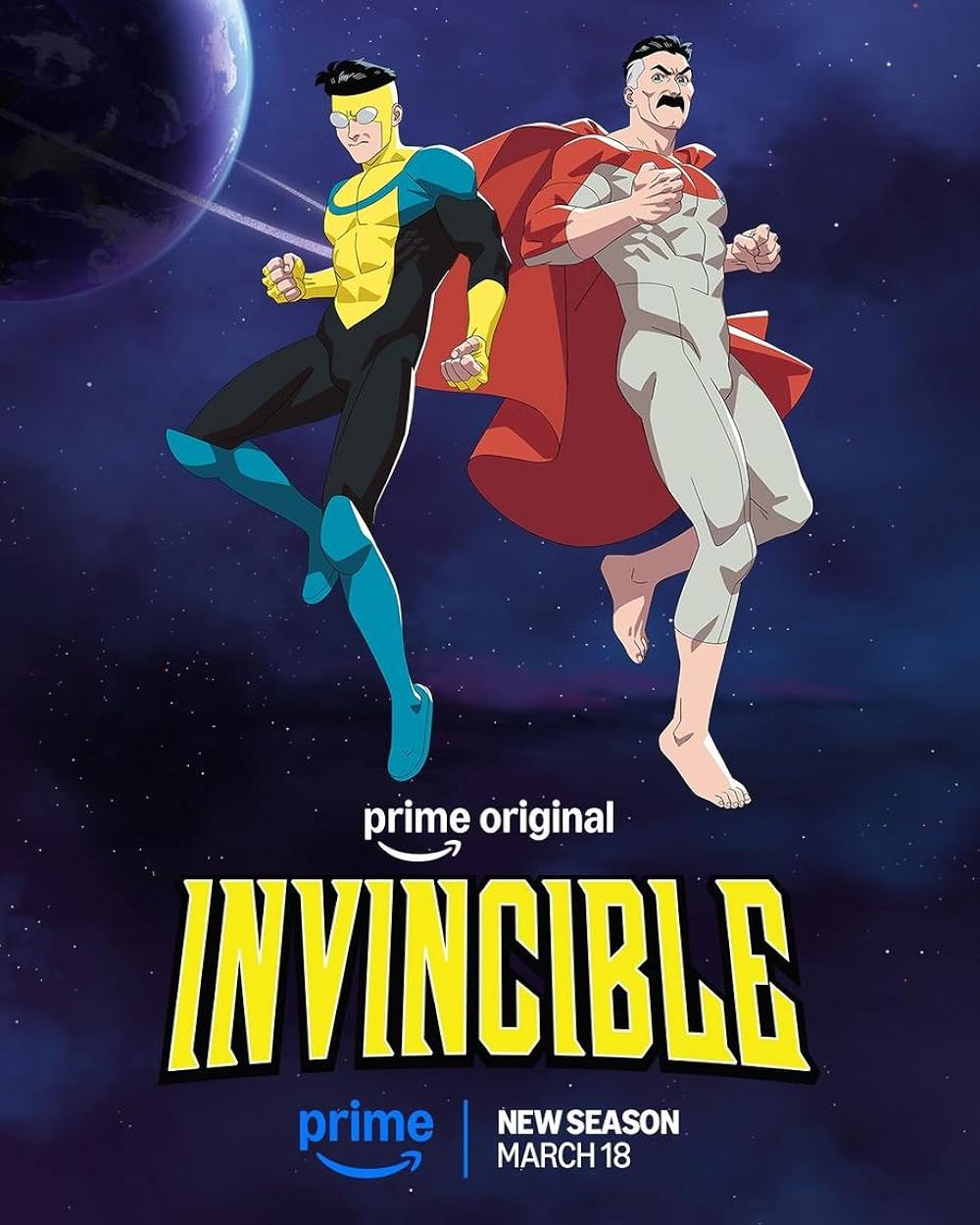
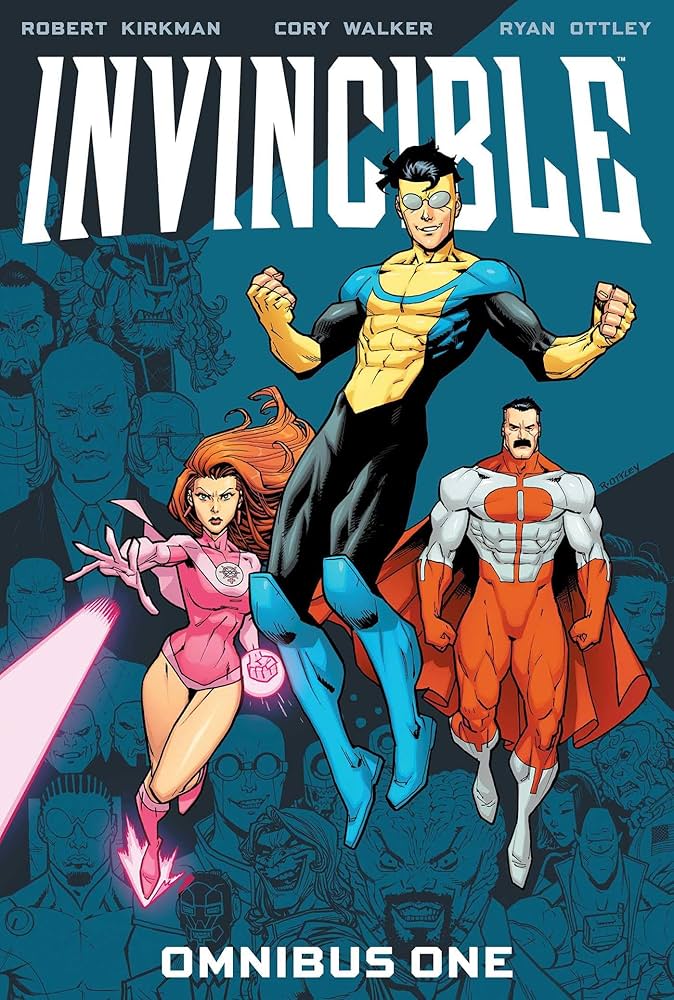
Strip away the noise and Invincible is an adult animated superhero series streaming exclusively on Amazon Prime Video. It is based on the comic book of the same name, created by Robert Kirkman with artists Cory Walker and Ryan Ottley, and published through Image Comics. The comic ran from 2003 to 2018 across 144 issues, telling one long, complete story rather than the endless reboots that define most cape franchises. Kirkman is the same writer behind The Walking Dead, which tells you something about his comfort with consequences, grief, and characters you love getting hurt. Because the comic finished its run, the show is adapting a story that already has a known ending, which is rare in serialised television and gives the writers room to plant payoffs years in advance.

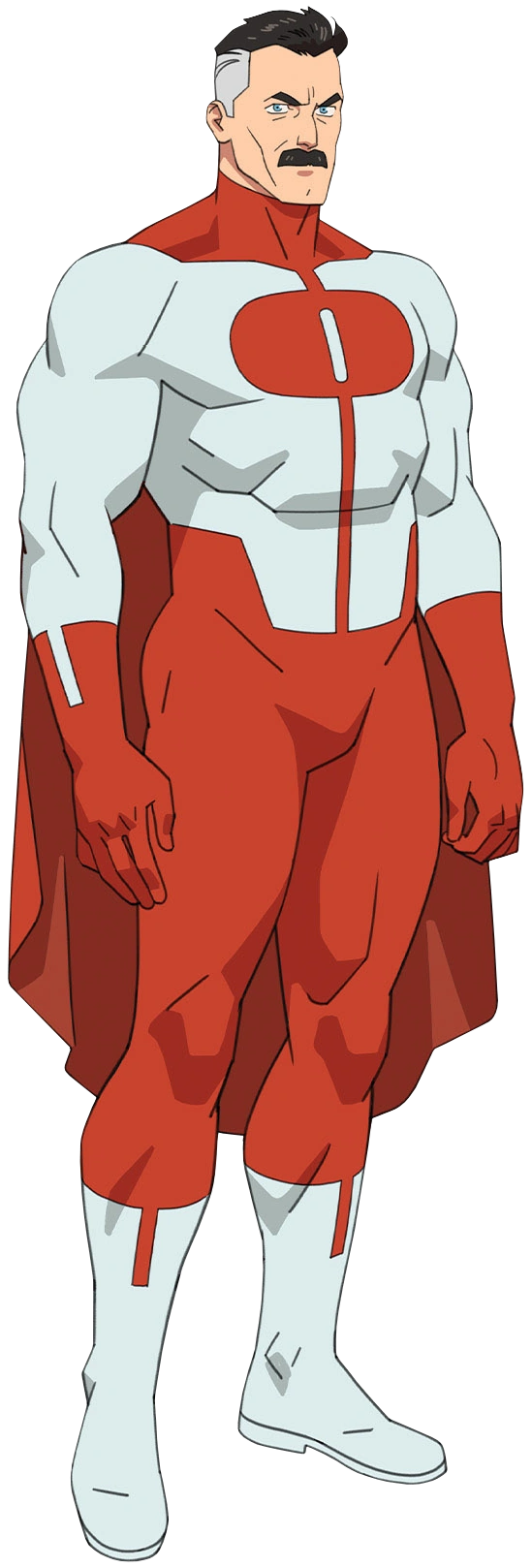
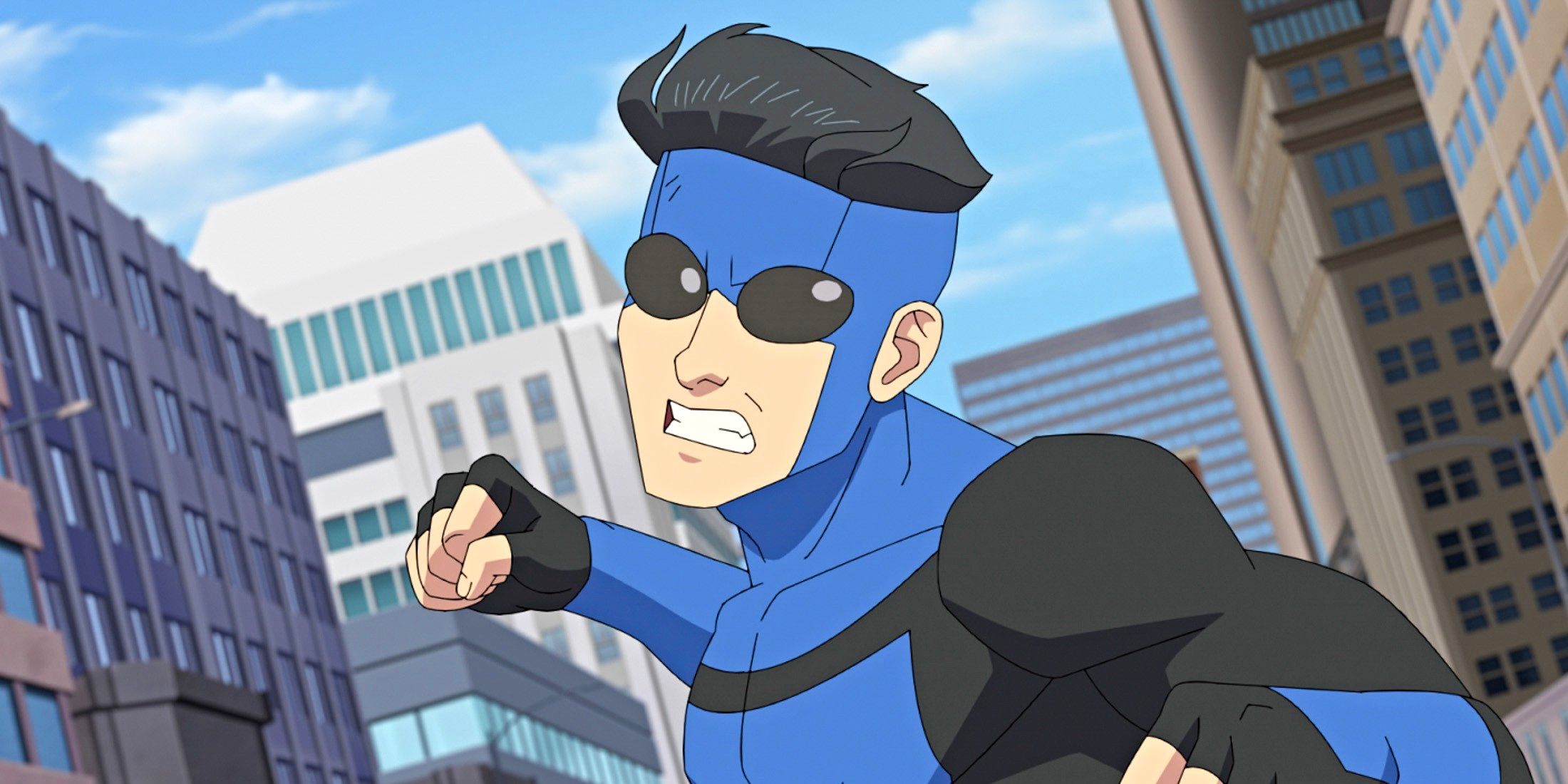
The animated adaptation premiered on Prime Video in March 2021. The premise sounds deceptively simple. Mark Grayson is a fairly normal teenager whose father, Nolan, is Omni-Man, an alien from the planet Viltrum and the most powerful superhero on Earth. On his seventeenth birthday Mark finally develops powers of his own and takes the name Invincible, expecting to follow his dad into the family business of saving the world. What he gets instead is an education in how brutal that world really is, and in who his father actually is underneath the cape.

To say more about that first season would spoil the gut-punch that made the show famous. What matters is the structure: Invincible looks, at a glance, like a bright Saturday-morning cartoon, and then it uses that disguise to tell a story about power, family, trauma, and the cost of doing the right thing.

The cast and the voice work
Why Invincible - The cast and the voice work

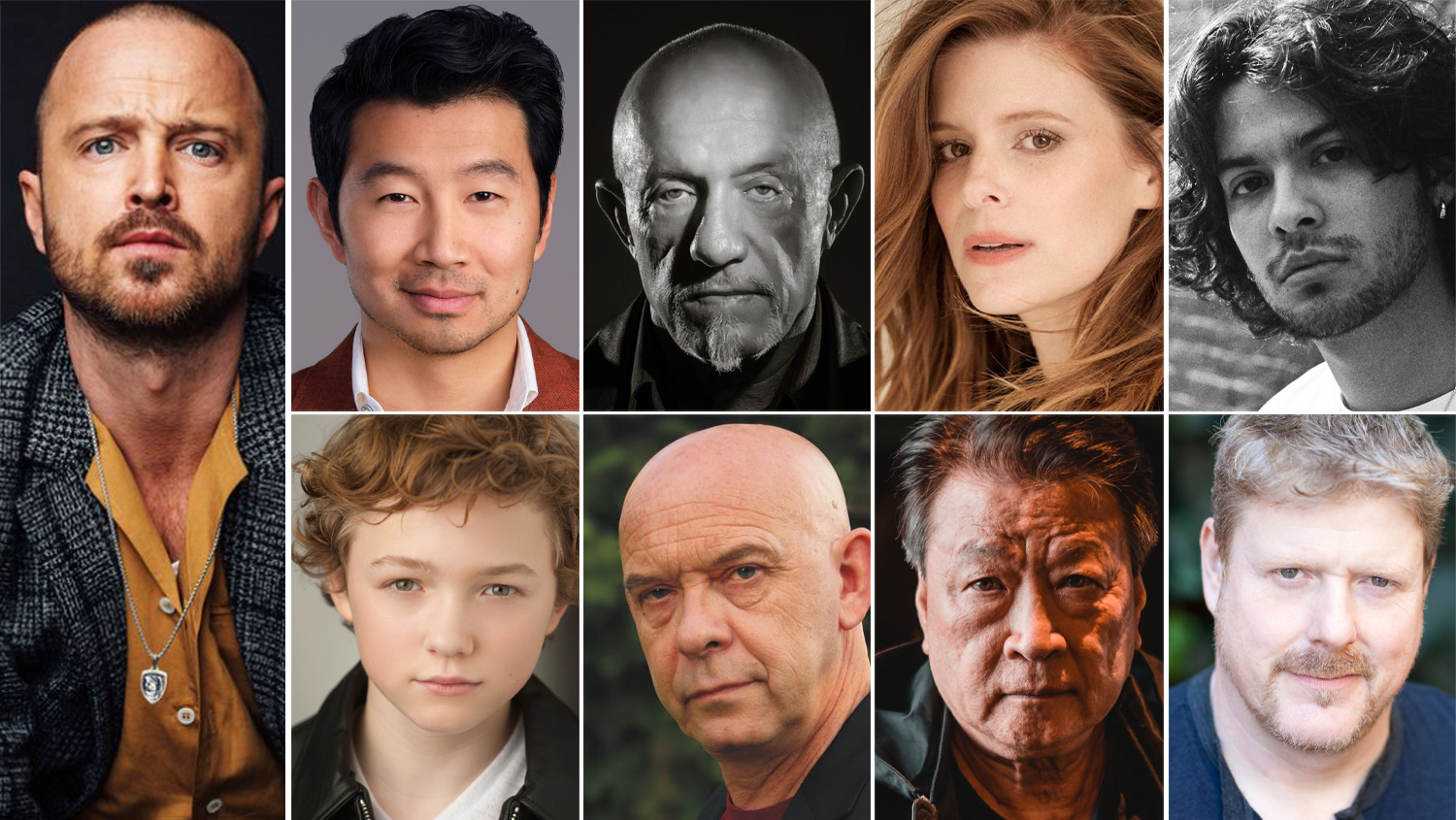
Part of why the show carries such weight is the voice ensemble, which reads more like a prestige film cast than a typical animated lineup. Steven Yeun, known to a global audience from The Walking Dead and the Oscar-nominated film Minari, voices Mark Grayson and gives him a cracking, earnest vulnerability that anchors everything. J.K. Simmons, the Oscar winner from Whiplash, voices Omni-Man, and his performance is the show’s secret weapon. Simmons can make a single line of dialogue land like a slap, swinging from warmth to menace without ever raising his voice.

Around them sits a deep bench. Sandra Oh voices Mark’s mother, Debbie Grayson, the human heart of a family caught between two worlds. The wider cast across the seasons has folded in Gillian Jacobs, Jason Mantzoukas, Zachary Quinto, and a rotating roster of recognisable names, with later seasons recruiting actors like Aaron Paul, Simu Liu, Jonathan Banks, and Kate Mara. For a Nigerian audience raised on dubbed cartoons and stiff localisation, the sheer quality of the acting is a genuine novelty. These are film-grade performances poured into animation, and you can hear the difference in every quiet, devastating exchange.

Why it subverts the superhero genre
Why Invincible - Why it subverts the superhero genre

The superhero genre, by 2026, is exhausted. Audiences have sat through dozens of films and series where the stakes are loudly announced and then quietly undone, where nobody important truly dies, and where the moral universe is colour-coded and safe. Invincible was built specifically to break that comfort.

It does this by taking the most familiar superhero furniture – the alien protector, the powered teenager, the secret identity, the team of costumed heroes – and asking what those things would actually mean if you treated them seriously. What does it cost a teenager to be told he is special and then watch people die because he was not fast enough? What kind of man becomes a planet’s protector, and what is he protecting it for? The show refuses to let heroism be free. Every victory has a body count, every powerful person has an agenda, and loyalty is something the story is always willing to test to destruction.

This is why fans describe it as the show that “ruined” other superhero stories for them. Once you have watched a series that genuinely commits to consequences, the ones that flinch start to feel hollow.

The genre had been so thoroughly mapped by the time Invincible arrived that subversion itself had become a cliche, with plenty of shows promising to be the “dark, grown-up” take and then pulling their punches at the last moment. What separates Invincible is that it does not treat darkness as a marketing pose. It earns its bleakness through character, building people you care about over hours of screen time and then asking whether their values can survive contact with the world. The result feels less like edginess for its own sake and more like a writer following his premise all the way to its honest conclusion.

The violence-with-purpose debate
Why Invincible - The violence-with-purpose debate

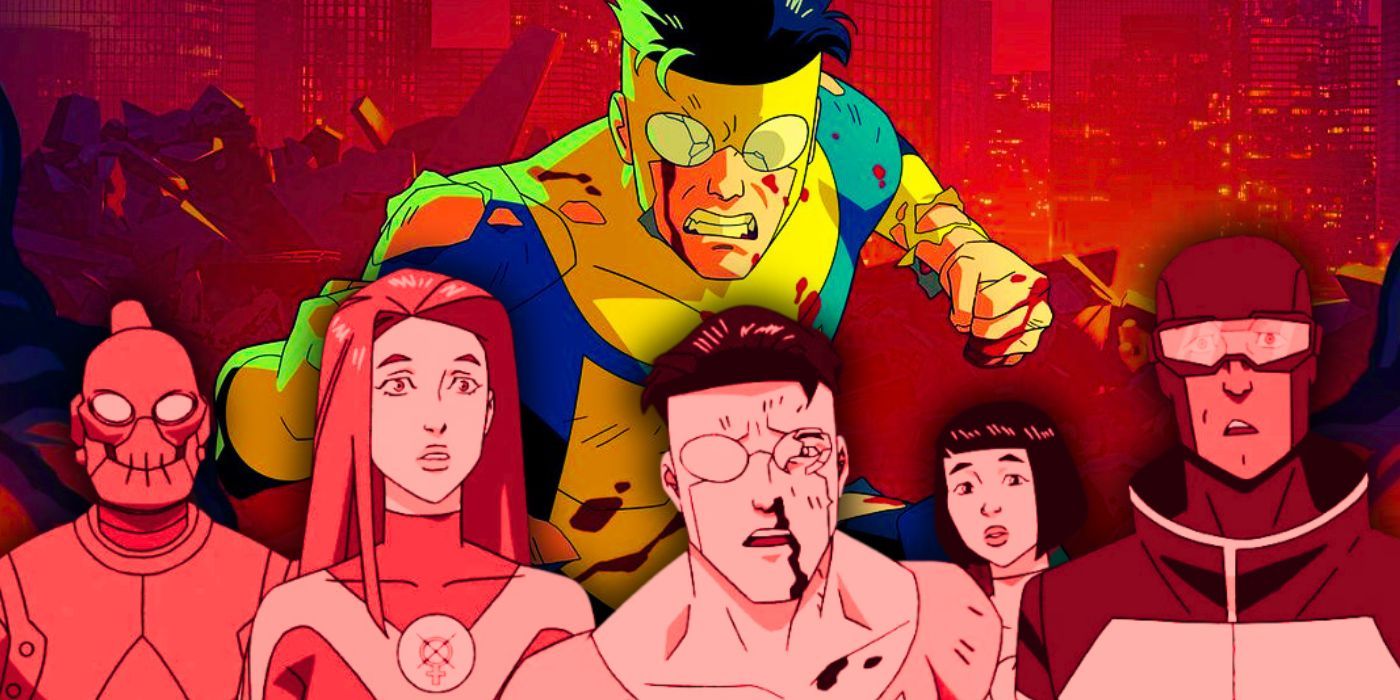
No conversation about Invincible lasts long before the violence comes up. The show is graphic in a way that shocks first-time viewers – bones break, bodies come apart, and the camera does not look away. This has fuelled an ongoing debate among fans and critics about whether the brutality is gratuitous or earns its place.

The case for it is straightforward. In most superhero media a punch is weightless. A hero throws a villain through a building and both stand up moments later, dusted off and unharmed. Invincible insists that when two beings who can level cities actually fight, the result is horror. The violence is not a thrill so much as a reminder of stakes – a constant argument that this power is dangerous and that the people caught underneath it are real. The show ties almost every act of carnage to character and consequence rather than spectacle for its own sake.
Advertisement

The counter-argument, raised by some viewers, is that the intensity can tip past the point of meaning into shock for shock’s sake. That tension is part of the appeal. Invincible is one of the few shows that makes its audience genuinely argue about whether it went too far, and that argument keeps the discourse alive between seasons.

The streaming-era fandom

Why Invincible - The streaming-era fandom

Invincible is also a creature of its moment. It arrived in an era where a show no longer needs a weekly broadcast slot to dominate culture. It needs clips. And Invincible is built, almost accidentally, to be clipped. Its biggest moments are self-contained explosions of emotion that travel beautifully across social platforms, stripped of context and dropped into the feeds of people who have never seen a single full episode.

That is how a huge slice of the audience meets the show for the first time. A thirty-second clip of a fight, a meme built around one of Omni-Man’s lines, a reaction video of someone watching a particular scene for the first time. The fandom polices spoilers fiercely precisely because the show’s power depends on its twists landing cold, which has created an unusual culture of fans desperate to get newcomers to watch before the internet ruins it for them. That protective energy is a huge part of why the conversation never dies. Every wave of new viewers becomes a new wave of evangelists.

Why it resonates with Nigerian and African viewers

Why Invincible - Why it resonates with Nigerian and African viewers

For Nigerian audiences, the appetite for this kind of storytelling has been building for years, and Invincible lands directly in the gap. African viewers have long consumed superhero content, but mostly the family-safe, heavily sanitised kind. Invincible offers something that treats them as adults – a story with moral complexity, real stakes, and themes of family duty, generational expectation, and the weight a father places on a son that translate cleanly across cultures.

The relationship between Mark and his father sits at the centre of that resonance. A story about a young man inheriting an impossible legacy from a powerful father, about the pressure to live up to a name, about respect tangled with fear, reads very differently in a context where family obligation and the authority of elders carry enormous weight. The show’s emotional engine is not the punching. It is the question of how much you owe the people who made you, and what you do when their version of right turns out to be monstrous.

Access matters too. Prime Video operates as a paid subscription service in Nigeria, and as of 2026 the platform remains active across the region even after Amazon stepped back from funding local African original productions in early 2024. That pullback drew real frustration, but it did not pull the existing catalogue, and Invincible remains available to subscribers. For a fanbase that organises around clips and word of mouth, having the actual show within reach, on a platform many households already use for football and films, removes the final barrier between curiosity and bingeing.

There is also the pride of being early. Nigerian fan culture rewards the person who was talking about something before it became huge, and Invincible has given that crowd plenty to claim. Long before the mainstream caught up, the comments sections and group chats were already deep in theories, debates, and recommendations.

The show also slots neatly into a broader shift in how young Nigerians consume entertainment. The same audience driving Afrobeats onto global charts and pushing Nollywood titles onto international streaming platforms is comfortable moving between local and foreign content without treating either as more legitimate. An adult animated American series about a Viltrumite teenager is not a strange import to that audience. It is one more thread in a media diet that ranges across continents, judged on whether the storytelling is good rather than where it was made. Invincible passes that test easily, which is why it sits in the conversation alongside homegrown favourites rather than apart from them.

Where the story stands now

The reason the talk has spiked rather than faded is timing. The fourth season arrived on Prime Video in March 2026, rolling out across the following weeks rather than dropping all at once, which kept the conversation churning episode by episode. That season escalated the conflict that the series had been building toward for years, the long-feared war between Earth’s heroes and the Viltrumite empire that Mark’s father once served. New antagonists entered the picture, voiced by a cast that included Lee Pace, Matthew Rhys, and Danai Gurira, raising the scale of the threat considerably.

Without spoiling the specifics, the fourth season brought that war era to a close and left Mark and the planet in a tense, unresolved place rather than a tidy resolution. It is the kind of ending that sends fans straight back to the comics to guess what comes next, which is exactly the behaviour that keeps a trend trending.

What is next

The future is already secured. Prime Video confirmed a fifth season of Invincible in 2025, with reports indicating a release window in 2027 and voice work for the season already well underway. That gives the fandom a long runway to dissect what just happened, argue about the comic storylines still to be adapted, and pull in the next round of newcomers through clips and recommendations.

For Nigerian viewers, that long wait is not dead air. It is fuel. A two-year gap between seasons is exactly the kind of vacuum a clip-driven, theory-hungry fandom fills with rewatches, debates, and the endless project of dragging one more friend into the show before someone spoils it for them. The boy in the bloody street, listening to his father explain why nothing matters, is still doing the work of pulling people in. And for a story this committed to consequences, that staying power feels less like luck and more like the whole point.

Advertisement
Share
Get the recap

Loved this story? Get more like it.

Join readers who get our weekly entertainment recap - the stories worth your time, delivered every Friday.

No spam. Unsubscribe anytime. By signing up you agree to our Privacy Policy.

Why Invincible Is the Animated S... | Sidomex Entertainment