
Table of Contents
- The Phone as Identity: A Cultural Shift Nobody Planned
- What the Infinix HOT 70 Actually Brings to the Table
- The Afrobeats-Nollywood Effect on Tech Taste
- Camera Culture and the Rise of the Everyday Content Creator
- Affordable and Aspirational: The New Status Code
- The HOT 70 Verdict: More Than a Phone, It’s a Vibe
The Phone as Identity: A Cultural Shift Nobody Planned
There was a time when choosing a smartphone came down to a checklist - storage capacity, battery life, camera megapixels, and which brand your tech-savvy cousin swore by. That era is not completely over, but something significant has changed in the way people, particularly younger Africans, approach the decision. The smartphone has quietly evolved into something more personal, almost intimate. It sits in your hand during your morning commute, it captures your Saturday outing in Lagos or Nairobi, it holds your entire social life within a few apps. It is, in ways that feel both obvious and underestimated, an extension of who you are and how you want the world to see you.
This shift is not accidental. It mirrors a broader cultural moment happening across Africa, where personal branding, self-expression, and aesthetic consciousness have become deeply embedded in how young people move through the world. The explosion of Afrobeats on the global stage, the international visibility of Nollywood storytelling, and the rise of African social media influencers have all contributed to a generation that takes “how things look” very seriously - and that includes the device they are seen holding. So when Infinix released the HOT 70, the conversation that followed was not just about specs. It was about identity, and whether this phone could speak to a generation that demands both substance and style from everything it touches.
What the Infinix HOT 70 Actually Brings to the Table
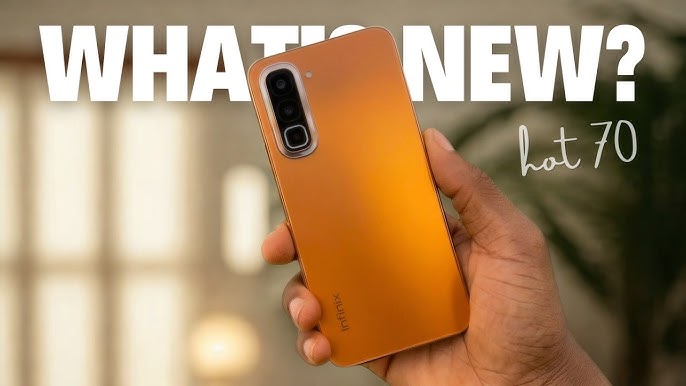
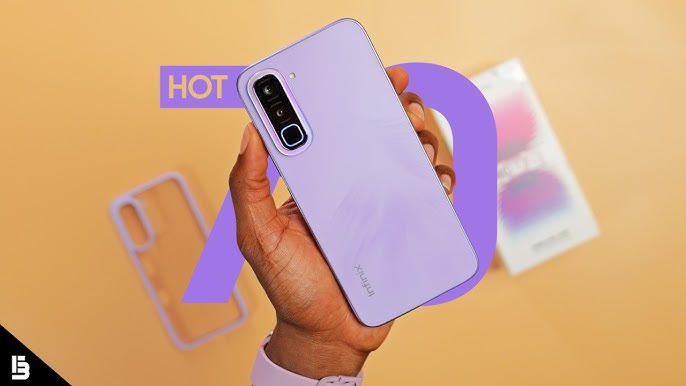
Let’s be clear: the Infinix HOT 70 is not trying to compete with a flagship iPhone or a Samsung Galaxy Ultra. It was never designed to do that, and that is precisely what makes it interesting. What Infinix has done with the HOT 70 is something arguably harder - they have built a phone that looks and feels premium at a price point that does not require anyone to take out a loan or silently weep at a bank transfer notification. The design language is clean and modern, with a slim profile and colour options that feel intentional rather than accidental. Holding it does not feel like a compromise. It feels like a choice.
Under the hood, the HOT 70 runs on a capable processor designed for smooth everyday performance - social media scrolling, streaming, video calls, and light gaming all sit comfortably within its range. The battery capacity is generous, which matters enormously in markets where power supply remains inconsistent and charging your phone three times a day is simply not an option most people have. The camera system, while not pushing boundaries, is tuned well for portrait shots, outdoor photography, and the kind of casual content creation that defines how young people use their phones daily. What Infinix has essentially delivered is a thoughtfully balanced device - one that respects the intelligence of its audience enough not to oversell and underdeliver.
The Afrobeats-Nollywood Effect on Tech Taste

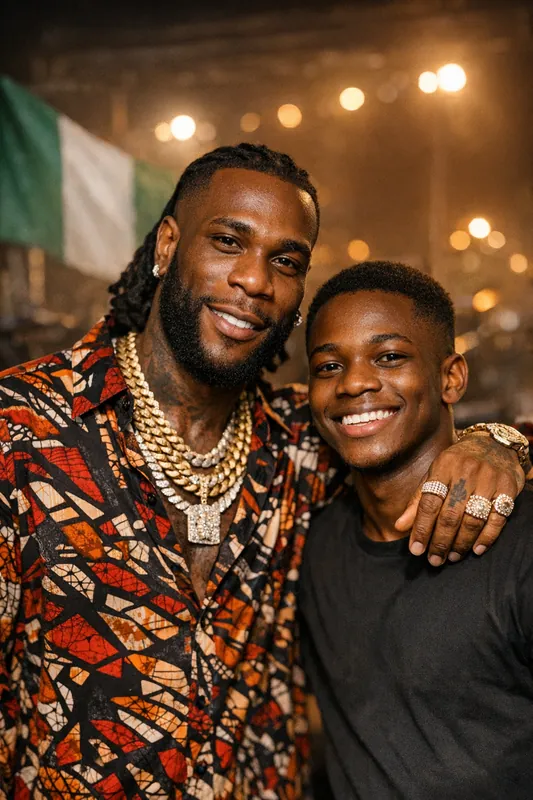
You cannot talk about the lifestyle aspirations of young Africans in 2024 and 2025 without talking about the cultural industries shaping those aspirations. Afrobeats, which has now fully claimed its seat at the global table through artists like Burna Boy, Davido, Wizkid, Tems, and Ayra Starr, has done something remarkable beyond just music - it has exported an entire aesthetic. The videos, the fashion, the Lagos street style, the Accra nightlife, the Nairobi hustle - all of it has fed into a visual identity that young Africans are actively living and broadcasting online every single day. Similarly, Nollywood’s evolution from home video to globally streamed prestige content on platforms like Netflix has elevated the way African stories are told and how African creatives present themselves to the world.

In this context, the smartphone becomes a cultural tool. It is how a fan in Ibadan films herself dancing to the latest Asake record and posts it before the algorithm moves on. It is how a young Nollywood enthusiast reviews a new Prime Video African original and builds a following doing it. The phone you hold in these moments becomes part of your content, part of your frame, part of your personal narrative. Infinix understands this ecosystem better than many give them credit for. Their ongoing presence as a brand in African markets, their marketing campaigns that lean into local culture, and their consistent effort to price devices within realistic reach of their target demographic all reflect a company that has done its homework on where African youth culture is heading.