
How Does Broadway Work? A Complete Guide to How Shows Get Produced
Theater & Performing Arts

How Does Broadway Work? A Complete Guide to How Shows Get Produced

Tristan Melo|
Ad SpaceArticle Top - 728x90
Advertisement

What Makes a Show “Broadway”?

Understanding how does Broadway work starts with understanding what “Broadway” actually means. The term does not refer to any show performed in New York City, or even any show performed in the Times Square theater district. Broadway has a specific, legally defined meaning. A Broadway production is a show that performs in one of the 41 professional theaters located in the Theater District of Midtown Manhattan (roughly between 41st and 54th Streets, from Sixth to Eighth Avenues) that has a seating capacity of 500 or more. The one exception is the Vivian Beaumont Theater at Lincoln Center, which sits outside the traditional Theater District but is classified as a Broadway house.

This definition matters because it determines which union contracts apply, which awards a show is eligible for, and how it is perceived by the industry and the public. A show performing in a theater with 100 to 499 seats in the same neighborhood is classified as Off-Broadway, not Broadway, even if it is physically located on Broadway the street. Venues with fewer than 100 seats are classified as Off-Off-Broadway. Each classification carries different union requirements, pay scales, and production standards.

The Broadway League, the national trade association for the Broadway industry, reported that the 2022-2023 season generated $1.58 billion in gross revenue from approximately 12.3 million attendees. These numbers reflect Broadway’s position as one of the most significant cultural and economic engines in New York City, generating an estimated $14.7 billion in total economic activity when indirect spending on restaurants, hotels, transportation, and retail is included.

Finding Material: Where Broadway Shows Come From

Every Broadway show begins with source material, and understanding where that material comes from is fundamental to understanding how does Broadway work. Broadway shows broadly fall into two categories: original works (musicals or plays written specifically for the stage) and adaptations (works based on existing intellectual property such as movies, books, albums, or television shows).

In the current Broadway landscape, adaptations of existing properties dominate the commercial market. Shows like “The Lion King” (adapted from the Disney animated film), “Hamilton” (adapted from Ron Chernow’s biography), “Beetlejuice” (adapted from the Tim Burton film), and “MJ: The Musical” (based on the music of Michael Jackson) all draw on pre-existing brand recognition that helps sell tickets. Studios like Disney Theatrical Group and Warner Bros. Theatre Ventures actively develop their film libraries for the stage, viewing Broadway as both a revenue stream and a marketing tool that keeps their intellectual property culturally relevant.

Original musicals and plays still reach Broadway, but they typically follow a longer development path. A songwriter or playwright might spend two to five years writing a show, then present it in readings and workshops before a producer becomes involved. Developmental programs like the Public Theater’s Public Works, the National Alliance for Musical Theatre’s Festival of New Musicals, and regional theaters across the country serve as incubators for new work. “Dear Evan Hansen,” “Next to Normal,” and “Fun Home” all began at Off-Broadway or regional theaters before transferring to Broadway.

The Producing Process: From Page to Stage

The journey from a finished script to a Broadway opening night is long, expensive, and uncertain. Understanding this process is essential to grasping how does Broadway work at its most fundamental level.

Securing the Rights

A producer who wants to bring a show to Broadway must first secure the rights to the material. For an original work, this means negotiating an option agreement with the writers (the book writer, composer, and lyricist for a musical, or the playwright for a play). The option gives the producer the exclusive right to develop and produce the work for a defined period – typically 12 to 18 months – in exchange for an option payment that usually ranges from $5,000 to $25,000. For adaptations of existing properties, the rights negotiation can be far more complex and expensive, involving the original creators, their estates, or the corporations that own the underlying intellectual property.

Workshops and Readings

Before investing millions of dollars in a full production, most shows go through a development process that includes staged readings and workshops. A reading is a relatively simple presentation where actors sit or stand with scripts in hand and perform the show for an invited audience. A workshop is more elaborate – actors rehearse for two to four weeks and present the show with basic staging, costumes, and sometimes minimal sets. Workshops serve two purposes: they help the creative team refine the material based on audience response, and they give potential investors a tangible preview of what the show could become.

Out-of-Town Tryouts and Pre-Broadway Runs

Many Broadway shows test themselves in front of paying audiences before opening in New York. These pre-Broadway engagements – often called out-of-town tryouts – take place at regional theaters around the country, with popular destinations including Washington D.C. (the Kennedy Center), Chicago (the Goodman Theatre or Oriental Theatre), Boston, and San Francisco. A pre-Broadway run typically lasts three to eight weeks and allows the creative team to make changes to the show based on real audience reactions. “Come From Away” ran at the La Jolla Playhouse and Seattle Repertory Theatre before transferring to Broadway. “The Band’s Visit” developed at the Atlantic Theater Company Off-Broadway before its Broadway transfer.

Raising Capital

Broadway shows are financed through a limited liability company (LLC) structure, where the producer serves as the managing member and investors (called limited partners) contribute capital in exchange for a share of the show’s profits. A new Broadway musical typically requires $10 million to $25 million in capitalization – the total amount of money needed to open the show and sustain it through its first months of performances. Straight plays generally require less – typically $3 million to $8 million. The most expensive Broadway productions in history have cost upward of $75 million, with “Spider-Man: Turn Off the Dark” reportedly costing $75 million before its eventual opening.

Key Roles in a Broadway Production

A Broadway production involves dozens of specialized roles, each contributing to the final product that audiences see on stage. Understanding these roles clarifies how does Broadway work as a collaborative enterprise.

The Producer

The Broadway producer is the person (or group of people) who makes everything happen. The producer finds the material, secures the rights, assembles the creative team, raises the money, hires the general manager, negotiates with theater owners for a venue, oversees marketing and advertising, and ultimately bears financial responsibility for the production. Producing on Broadway is a high-risk, high-reward business – roughly 75 to 80 percent of Broadway shows fail to recoup their initial investment. The producers who succeed tend to have deep industry knowledge, strong relationships, and the ability to identify material with broad commercial appeal.

The Director

The director shapes the creative vision of the production, making decisions about how the story is told through staging, performance, pacing, and visual design. On a musical, the director collaborates closely with the choreographer to integrate dance and movement into the storytelling. Directors like Thomas Kail (“Hamilton”), Marianne Elliott (“The Curious Incident of the Dog in the Night-Time,” “Company”), and Sam Mendes (“Cabaret,” “The Ferryman”) are among the most sought-after talents on Broadway.

The Choreographer

For musicals, the choreographer creates all of the dance and staged movement in the show. This role has evolved significantly over the decades – where choreographers once simply staged dance numbers, today’s Broadway choreographers are often co-directors who shape the physical storytelling of the entire production. Choreographers like Andy Blankenbuehler (“Hamilton,” “Bandstand”), Camille A. Brown (“for colored girls…” “Lempicka”), and Steven Hoggett (“Harry Potter and the Cursed Child”) have elevated choreography into an essential storytelling tool.

The Stage Manager

The production stage manager is one of the most critical and underappreciated roles in Broadway. During rehearsals, the stage manager records all blocking (actors’ movements), maintains the “bible” of the show (a comprehensive document tracking every cue, prop placement, and scene change), and coordinates communication between all departments. Once the show opens, the stage manager “calls the show” – delivering precise verbal cues over headset that trigger every lighting change, sound effect, scenic movement, and spotlight. A Broadway show may have 500 or more individual cues in a single performance, and the stage manager must call each one with split-second accuracy, night after night, for the entire run.
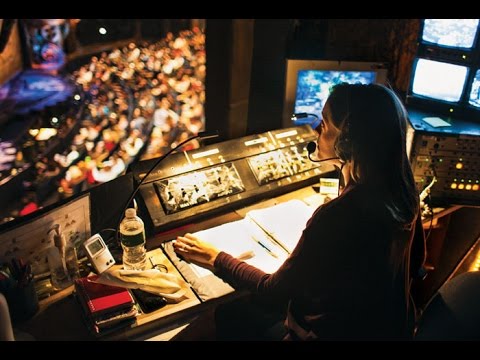
Backstage view of Broadway theater during performance with stage managers and crew
Image: YouTube

The Economics of Broadway

The financial structure of Broadway is unlike almost any other entertainment business, and understanding it is central to understanding how does Broadway work. A Broadway musical’s capitalization – the money raised to mount the production – typically ranges from $10 million to $25 million. This covers the cost of sets, costumes, orchestrations, rehearsals, marketing, theater rent deposits, and all other pre-opening expenses. The most capitalized shows in Broadway history include “Spider-Man: Turn Off the Dark” (approximately $75 million), “King Kong” ($35 million), and “Frozen” ($30 million).

Once a show opens, it faces weekly running costs – the expense of keeping the show alive eight performances per week. Weekly running costs for a Broadway musical typically range from $600,000 to $1.2 million per week, covering cast salaries, crew wages, theater rent, orchestra costs, marketing, insurance, royalties, and general management fees. A straight play generally has lower weekly costs, typically $250,000 to $500,000 per week, because it requires fewer performers and no orchestra.

For a show to “recoup” – meaning the investors get their money back – it must earn enough weekly profit (gross revenue minus running costs) to eventually repay the entire capitalization amount. A musical that costs $15 million to open and earns $200,000 per week in profit would take 75 weeks (approximately 18 months) to recoup. In practice, most Broadway shows never recoup. The ones that do – hits like “Hamilton,” “The Lion King,” “Wicked,” and “The Book of Mormon” – generate extraordinary returns for their investors, sometimes returning 10 to 20 times the original investment over the life of the show including tours and international productions.

Ticket Pricing and Revenue

Broadway ticket pricing has evolved dramatically in recent decades. The average ticket price for a Broadway show in the 2022-2023 season was approximately $123, but this figure masks enormous variation. Prices for the most in-demand shows routinely exceed $300 for premium seats, and dynamic pricing – where ticket prices fluctuate based on demand, similar to airline tickets – has become standard practice across the industry.
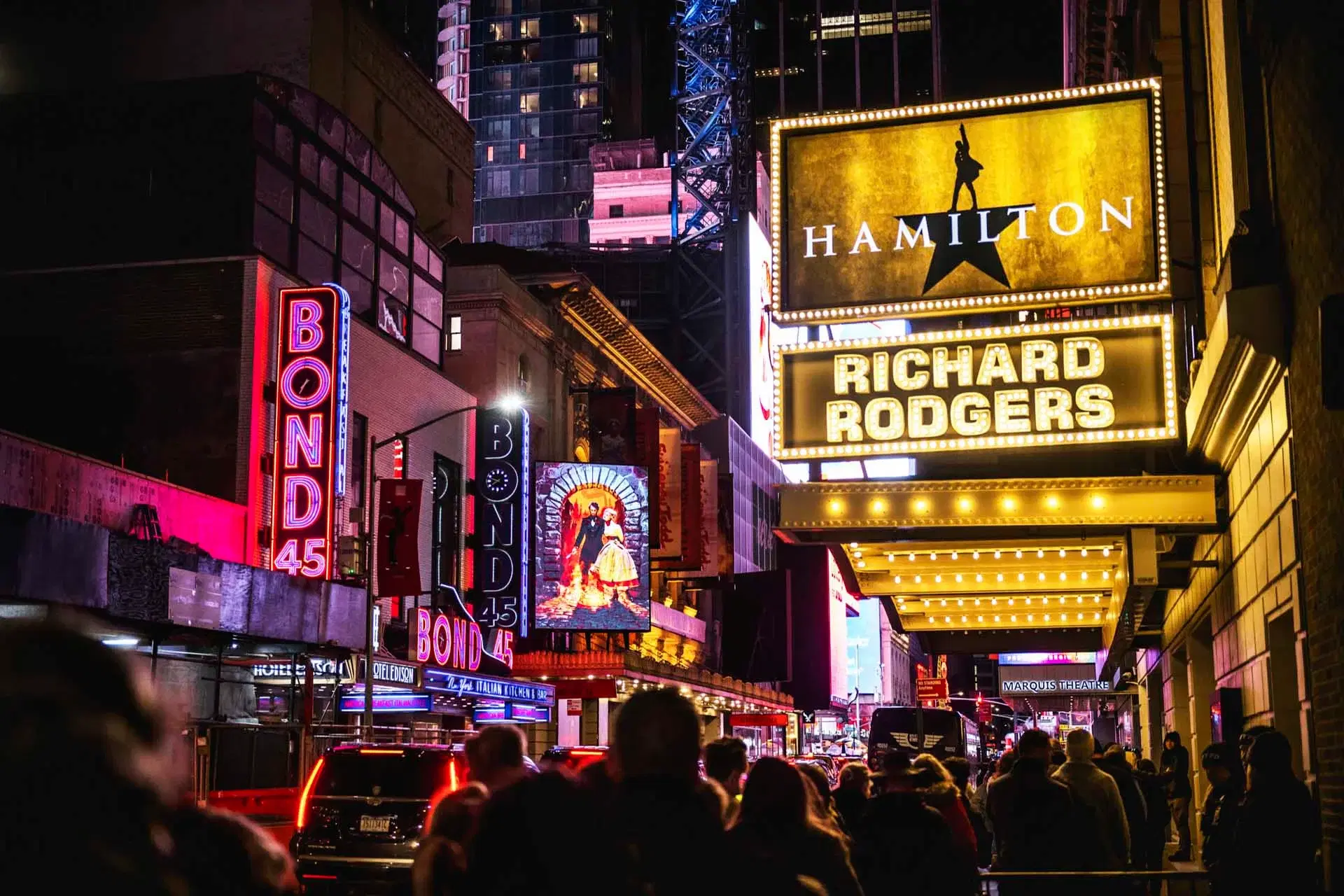
“Hamilton” pioneered premium pricing on Broadway, offering a limited number of the best seats at $849 each – a price point that was initially controversial but has since been adopted by other hit shows. The logic behind premium pricing is straightforward: if scalpers (ticket resellers) are selling seats for $1,000 or more on the secondary market, the producers argue that the show itself should capture that value rather than letting it flow to middlemen. “Hamilton” reportedly generates over $3 million per week in gross revenue during strong selling periods.

For budget-conscious theatergoers, several programs make Broadway more accessible. The TKTS booth in Times Square sells same-day tickets at 20 to 50 percent off face value. Digital lotteries and rush ticket programs offer a limited number of discounted seats – often $30 to $40 – for each performance. The “Hamilton” digital lottery offers $10 front-row seats to 46 winners per show. These programs serve both as a goodwill gesture and as a marketing tool, creating social media buzz and building a younger, more diverse audience base.

The Tony Awards and Their Impact

The Antoinette Perry Awards for Excellence in Theatre – universally known as the Tony Awards – are Broadway’s most prestigious honors and have a measurable impact on a show’s commercial performance. The Tony Awards ceremony, broadcast nationally on CBS, serves as a three-hour advertisement for Broadway, featuring live performances from nominated musicals that reach millions of viewers. A Best Musical win can boost a show’s weekly gross by 30 to 50 percent or more in the weeks following the ceremony.

The Tony voter pool is relatively small – approximately 700 to 800 voting members of the Broadway League and the American Theatre Wing – compared to the Academy Awards’ roughly 10,000 voters. This smaller electorate means that Tony campaigns are more targeted and personal. Producers typically spend $200,000 to $500,000 on Tony Award campaigns, including advertisements in industry publications, screenings and events for voters, and promotional materials. For a show that is on the bubble financially, a Tony win can mean the difference between closing and running for years.

Notable Tony Award winners that saw dramatic commercial boosts include “Dear Evan Hansen,” which saw its weekly gross jump significantly after its 2017 Best Musical win, and “Hadestown,” whose 2019 Best Musical victory propelled it from modest sales to becoming one of the season’s top-grossing shows. Conversely, shows that are expected to win but do not can see immediate negative effects at the box office, as theatergoers flock to the perceived “winner” instead.

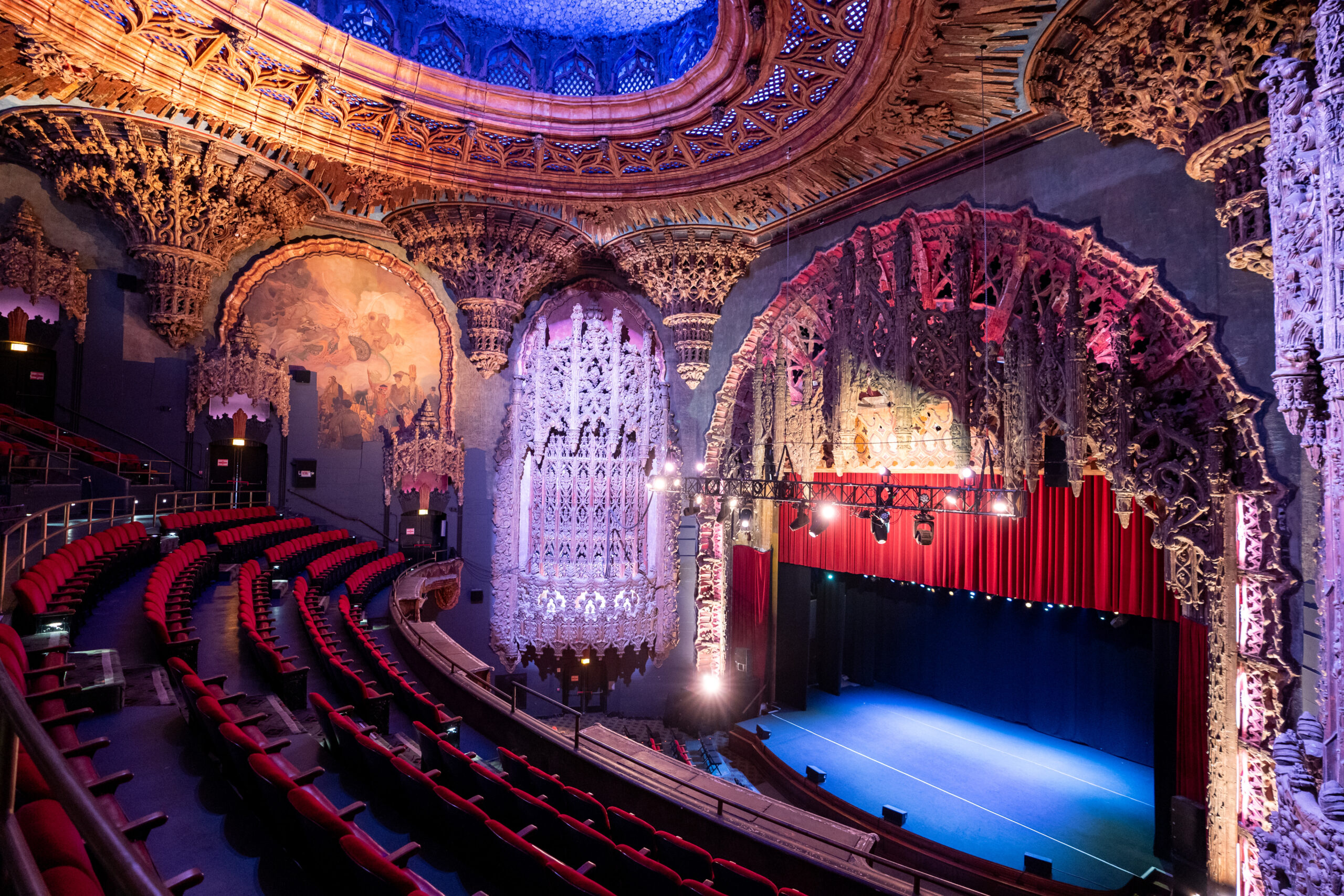
Ornate Broadway theater interior with packed audience and dramatic stage lighting
Image: Anything But Gray Events

Off-Broadway vs Broadway

Off-Broadway is not a lesser version of Broadway – it is a distinct and vital part of New York’s theatrical ecosystem. Off-Broadway theaters seat 100 to 499 people and operate under different union contracts that allow for lower production costs. This economic flexibility makes Off-Broadway the primary incubator for new work, experimental productions, and shows that might not have the commercial profile to justify a Broadway-scale investment.

Many of Broadway’s biggest hits originated Off-Broadway. “Hamilton” began at the Public Theater. “Little Shop of Horrors” started at the WPA Theatre. “Rent” premiered at New York Theatre Workshop. “Fun Home” debuted at the Public Theater. The Off-Broadway run serves as a proving ground – if a show sells well and generates critical buzz in a smaller venue, producers gain confidence that it can succeed on the larger Broadway scale. Not every Off-Broadway hit transfers to Broadway, and not every transfer succeeds, but the pathway from Off-Broadway to Broadway is one of the most well-established routes in the American theater.

Economically, Off-Broadway shows operate on much smaller scales. A typical Off-Broadway musical might capitalize at $1 million to $4 million, with weekly running costs of $75,000 to $200,000. Ticket prices are generally lower – averaging $60 to $90 – though premium Off-Broadway shows can charge $150 or more. The smaller scale means that Off-Broadway shows can recoup their investment with more modest sales volumes, making them less risky for investors while still offering significant returns if a show becomes a hit.

How Shows Close

Every Broadway show eventually closes, and the decision to shut down a production is fundamentally economic. When a show’s weekly revenue consistently falls below its weekly running costs – meaning it is losing money every week – the producers face a clear choice: close the show or continue absorbing losses in hopes that business will improve. Most producers will tolerate a few weeks of losses during traditionally slow periods (January and February, for example), but sustained losses typically lead to a closing notice.

The closing process follows a standard protocol. Producers issue a closing notice to the cast, crew, and theater owner, typically providing two to four weeks’ notice before the final performance. The closing announcement often generates a surge in ticket sales as fans rush to see the show before it disappears – a phenomenon known as the “closing bump.” Some shows have received such strong closing bumps that their producers rescinded the closing notice and extended the run.

The average Broadway show runs for approximately six months to one year, though this figure is skewed by the many shows that close within weeks of opening. Shows that survive their first year and become established hits can run for years or even decades. The criteria for a “successful” run depend entirely on the show’s capitalization and economics. A play that cost $3 million to produce and runs for 20 weeks at a profit might fully recoup, making it a financial success. A musical that cost $20 million and runs for 18 months might still close without recouping, making it a financial failure despite its substantial run.

The Longest-Running Shows in Broadway History

Broadway’s longest-running shows represent the pinnacle of commercial success in the American theater. “The Phantom of the Opera” holds the all-time record, having played 13,981 performances over its 35-year run from January 1988 to April 2023. Andrew Lloyd Webber’s gothic romantic musical grossed over $1.3 billion on Broadway alone and spawned productions around the world that have collectively grossed over $6 billion.

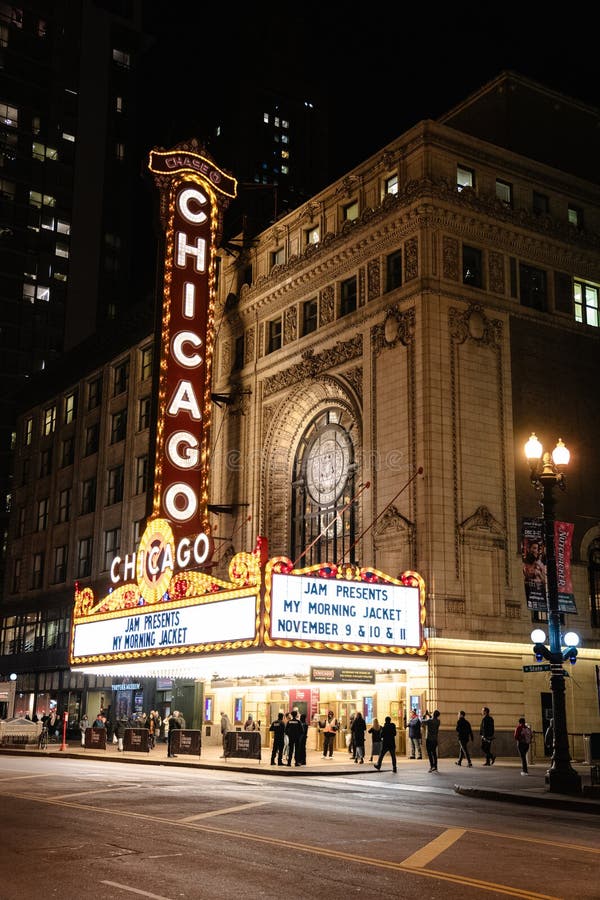
“Chicago” is the longest-running American musical in Broadway history, having played over 10,000 performances since its 1996 revival opened. The show’s remarkably lean production – with a small cast, a visible onstage orchestra, and minimal scenery – keeps its weekly running costs relatively low, allowing it to remain profitable even during periods of moderate ticket sales. “The Lion King,” which opened in 1997, has grossed over $1.7 billion on Broadway, making it the highest-grossing show in Broadway history. Its combination of spectacular visual design, family appeal, and the Disney brand has kept it consistently among Broadway’s top-grossing shows for over 25 years.

“Wicked” has been a Broadway powerhouse since its 2003 opening, consistently grossing over $2 million per week and regularly setting house records at the Gershwin Theatre. “Hamilton,” despite being a relatively recent arrival (opening in 2015), has already become one of the highest-grossing shows in Broadway history and has spawned multiple touring companies, a London production, and a filmed version released on Disney+. These long-running shows demonstrate that when how does Broadway work clicks perfectly – the right material, the right creative team, the right timing – the results can be spectacular both artistically and commercially.

Broadway theater marquee illuminated at night with crowds gathering for evening performance
Image: Dreamstime.com

Key Takeaways

  • A “Broadway” show must perform in one of 41 designated theaters in Manhattan’s Theater District with 500 or more seats – the classification determines union contracts, awards eligibility, and industry status.
  • Broadway musicals typically require $10 million to $25 million in capitalization, with weekly running costs of $600,000 to $1.2 million, and roughly 75 to 80 percent of shows never recoup their investment.
  • The producing process involves securing rights, developing material through readings and workshops, out-of-town tryouts, raising capital from investors, and assembling a creative team.
  • Ticket pricing has evolved to include dynamic pricing and premium seats at $300 or more, while lottery programs and TKTS discounts provide affordable access for budget-conscious theatergoers.
  • Tony Awards have a measurable impact on box office performance, with Best Musical winners often seeing 30 to 50 percent revenue increases in the weeks following the ceremony.
  • Off-Broadway serves as Broadway’s primary incubator, with many of the biggest hits – including “Hamilton” – developing in smaller venues before transferring to Broadway.

Frequently Asked Questions

How much do Broadway tickets cost?

Broadway ticket prices vary widely. The average ticket price across all shows is approximately $120 to $130, but prices range from $30 (through lottery and rush programs) to $500 or more for premium seats at the most popular shows. Mid-range seats for most shows typically cost $80 to $200. Dynamic pricing means that the same seat can cost different amounts depending on the day, time, and demand. The TKTS booth in Times Square offers same-day discounts of 20 to 50 percent, and many shows offer digital lottery tickets for $30 to $40.

How long does a Broadway show typically run?

The average Broadway show runs approximately six months to one year, but there is enormous variation. Some shows close within weeks of opening if ticket sales are poor. Others run for decades – “The Phantom of the Opera” ran for 35 years. Musicals generally have longer runs than plays because they appeal to a broader audience including tourists. A show’s run length depends primarily on its ability to sell enough tickets each week to cover its running costs and eventually recoup its investment.

How do Broadway actors get paid?

Broadway actors are members of the Actors’ Equity Association union, which negotiates minimum salary scales. The current minimum weekly salary for a Broadway ensemble performer is approximately $2,300, though many actors earn above the minimum based on their role, star status, or negotiating leverage. Leading performers in major productions can earn $10,000 to $100,000 or more per week. Actors also receive contributions to health insurance and pension plans through Equity. The standard Broadway schedule is eight performances per week – typically six evening shows and two matinees.

Can anyone produce a Broadway show?

Technically, anyone with sufficient capital and the ability to secure a Broadway theater can produce a show. There are no licensing requirements or formal qualifications for Broadway producers. However, the practical barriers are enormous. Raising $10 million or more requires a network of investors, and theater owners strongly prefer working with experienced producers who have a track record of successful productions. Most new producers enter the field by co-producing alongside established producers, gradually building experience and investor relationships before leading a production independently.

What is the difference between Broadway and the West End?

Broadway refers to the theater district in New York City, while the West End refers to the equivalent theater district in London. Both are considered the pinnacle of English-language commercial theater. The two markets operate under different union structures, different economic models, and different audience patterns, but they are deeply interconnected. Many shows transfer between Broadway and the West End – “Hamilton,” “Wicked,” “The Lion King,” and dozens of others play in both markets simultaneously. London’s West End typically has lower production and running costs than Broadway, partly due to smaller theaters and different union agreements.

Ad SpaceIn-Article - 300x250
Advertisement
Share
How Does Broadway Work? A Complete Guide to How Shows Get Produced - Sidomex Entertainment