
Table of Contents
- Health Concerns Prompt Potential Action
- Entertainment Industry Implications
- African Collaboration Networks at Risk
- Nollywood’s Regional Connections
- Music Industry Faces Uncertainty
- Looking Ahead: Balancing Health and Industry
Health Concerns Prompt Potential Action
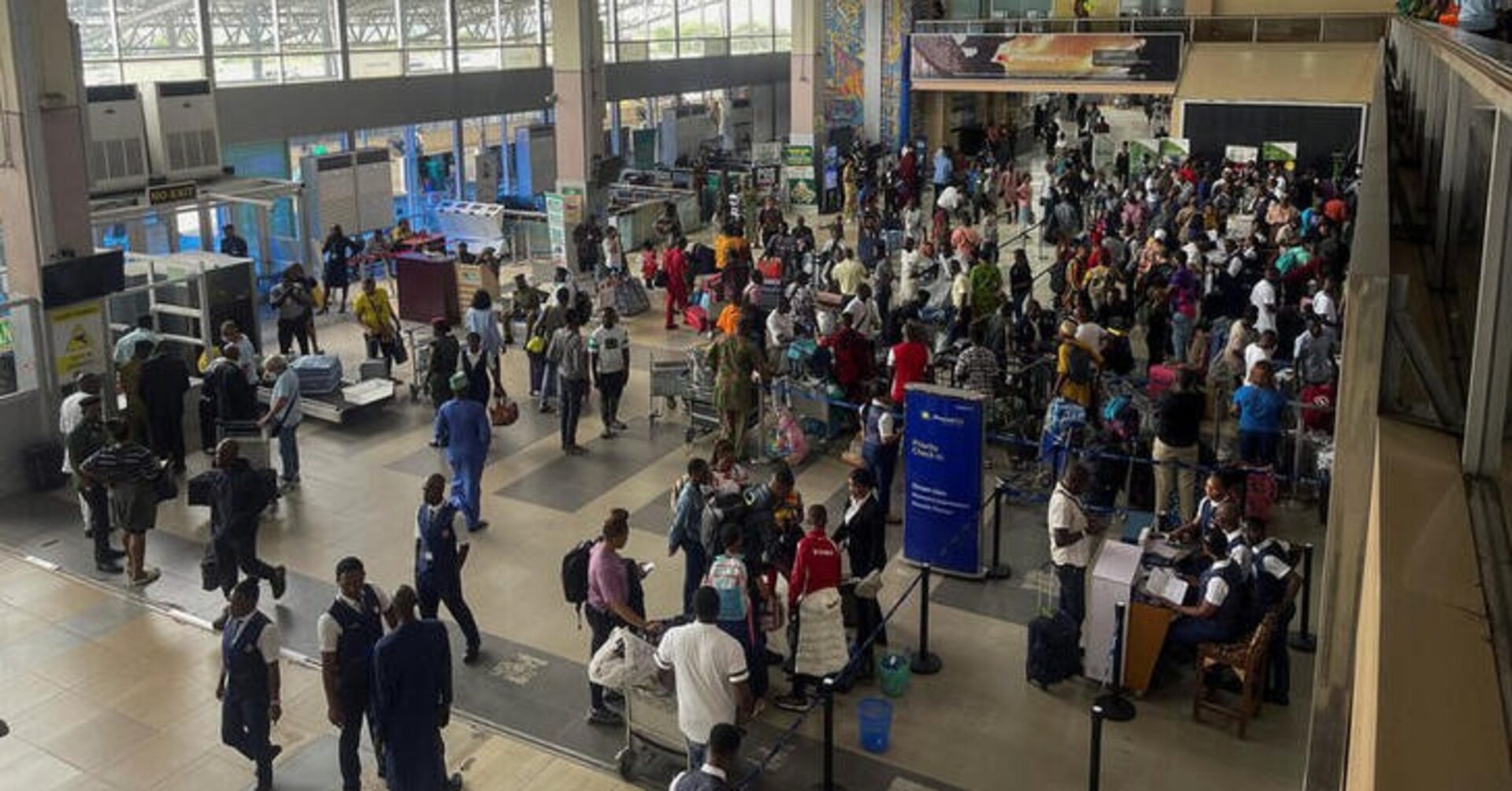
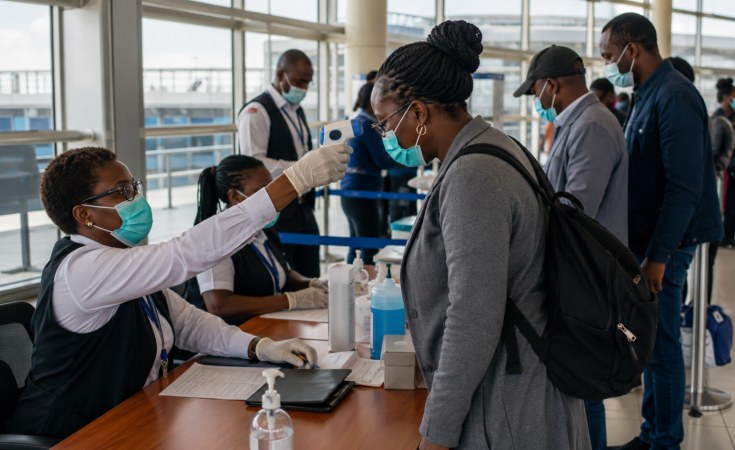
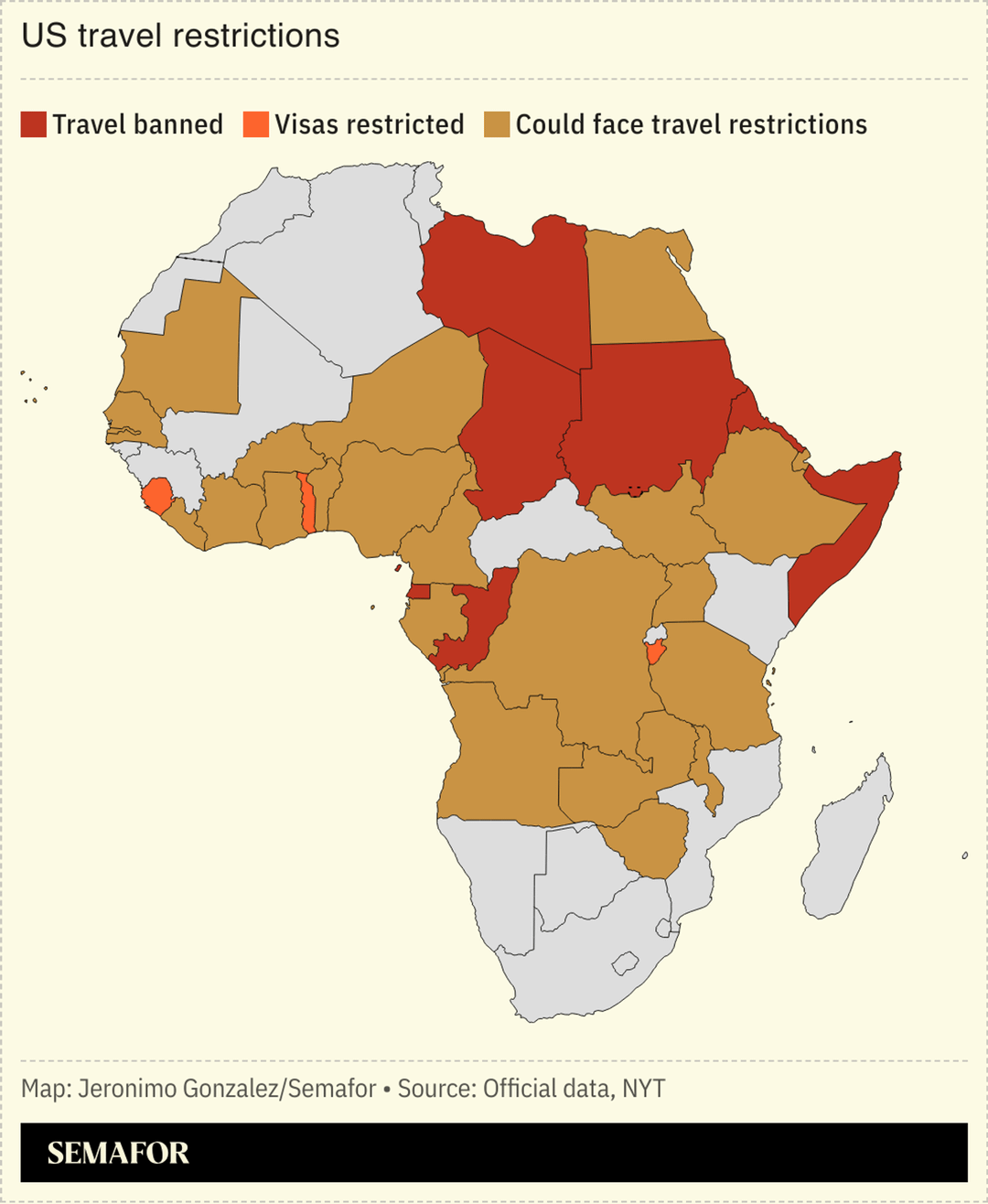
Nigerian health authorities are currently evaluating the implementation of flight restrictions from Uganda, the Democratic Republic of Congo (DRC), and South Sudan as concerns mount over the potential spread of Ebola virus disease. This development comes as Africa’s entertainment powerhouse grapples with balancing public health priorities against the growing interconnectedness of the continent’s creative industries. The considerations reflect Nigeria’s cautious approach to preventing another outbreak, drawing from the country’s experience during the 2014 Ebola crisis that briefly affected Lagos, the heart of Nollywood and Nigeria’s entertainment sector.
The potential restrictions underscore the delicate balance between maintaining cultural and economic ties across Africa while safeguarding public health. Nigeria’s entertainment industry has become increasingly international in scope, with regular movement of artists, film crews, and industry professionals across African borders. These proposed measures would directly impact the flow of talent and creative collaboration that has fueled the continent’s cultural renaissance in recent years. The timing is particularly significant as African entertainment continues to gain global recognition, with platforms like Netflix investing heavily in African content and Afrobeats artists achieving unprecedented international success.
Entertainment Industry Implications

The proposed travel restrictions could significantly disrupt the entertainment ecosystem that has flourished across East and West Africa in recent years. Nigerian production companies have increasingly looked to other African markets for filming locations, co-production opportunities, and talent exchange programs. Uganda, in particular, has emerged as an attractive destination for Nollywood productions seeking diverse landscapes and lower production costs. The country’s film industry, while smaller than Nigeria’s, has been growing steadily and has benefited from partnerships with Nigerian filmmakers and producers.

Similarly, the Democratic Republic of Congo has been building its entertainment industry, with Congolese musicians and actors increasingly collaborating with Nigerian artists. The vibrant music scenes in Kinshasa and other Congolese cities have produced artists who regularly perform in Nigeria and collaborate on cross-border projects. Any flight restrictions would immediately impact scheduled concerts, film shoots, and music video productions that rely on the free movement of artists and crews between these countries. The ripple effects could extend beyond immediate projects to long-term partnerships and investment plans that entertainment companies have been developing across the region.
African Collaboration Networks at Risk
The potential restrictions come at a time when African entertainment industries have been working harder than ever to build sustainable collaboration networks across the continent. Organizations like the African Union’s cultural initiatives and various film festivals have fostered connections between creators from different African countries, leading to increasingly sophisticated co-productions and artistic exchanges. These relationships have been crucial in elevating African stories and talent on the global stage, creating a new narrative that moves beyond colonial-era divisions.
Music festivals, film screenings, and cultural events that bring together artists from across Africa could face significant challenges if travel restrictions are implemented. The African entertainment calendar is filled with cross-border events that rely on the participation of artists from multiple countries. Major festivals in Lagos, Kampala, and other African cities have become important networking hubs where deals are made, collaborations are born, and cultural exchange flourishes. The interruption of these gatherings could slow the momentum that African entertainment has been building in recent years.