
Table of Contents
- The Climate Warning That’s Shaking Entertainment
- Music Festivals Face Heat Wave Reality
- Hollywood Productions Under Pressure
- African Entertainment Scene Adapts to Change
- Entertainment Giants Take Action
- The Road Ahead for Entertainment
The Climate Warning That’s Shaking Entertainment
The World Meteorological Organisation’s latest warning about record-breaking temperatures before 2030 isn’t just another climate report - it’s a wake-up call that’s reverberating through every corner of the entertainment industry. As the organization predicts unprecedented heat waves in the coming years, entertainment executives, artists, and event organizers are scrambling to understand what this means for an industry built around gathering people together, often outdoors, in increasingly dangerous conditions. The implications stretch far beyond simple discomfort, threatening the very foundation of how we experience live entertainment, from Coachella’s desert stages to outdoor film premieres under the Hollywood sign.
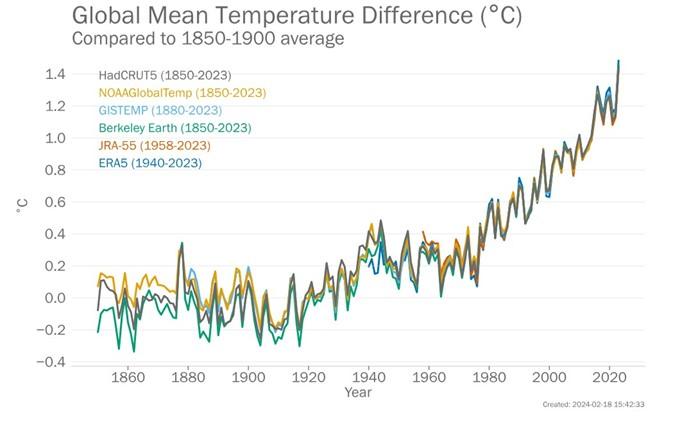
This climate reality check comes at a time when the entertainment industry is already grappling with sustainability concerns and the environmental impact of large-scale productions and events. The WMO’s projection that global temperatures will continue breaking records well before the end of this decade forces industry leaders to confront an uncomfortable truth: the traditional models of entertainment production and consumption may need radical reimagining. From the logistics of keeping festival-goers safe in extreme heat to the massive energy requirements of air-conditioning indoor venues during prolonged heat waves, every aspect of entertainment is under scrutiny.
Music Festivals Face Heat Wave Reality
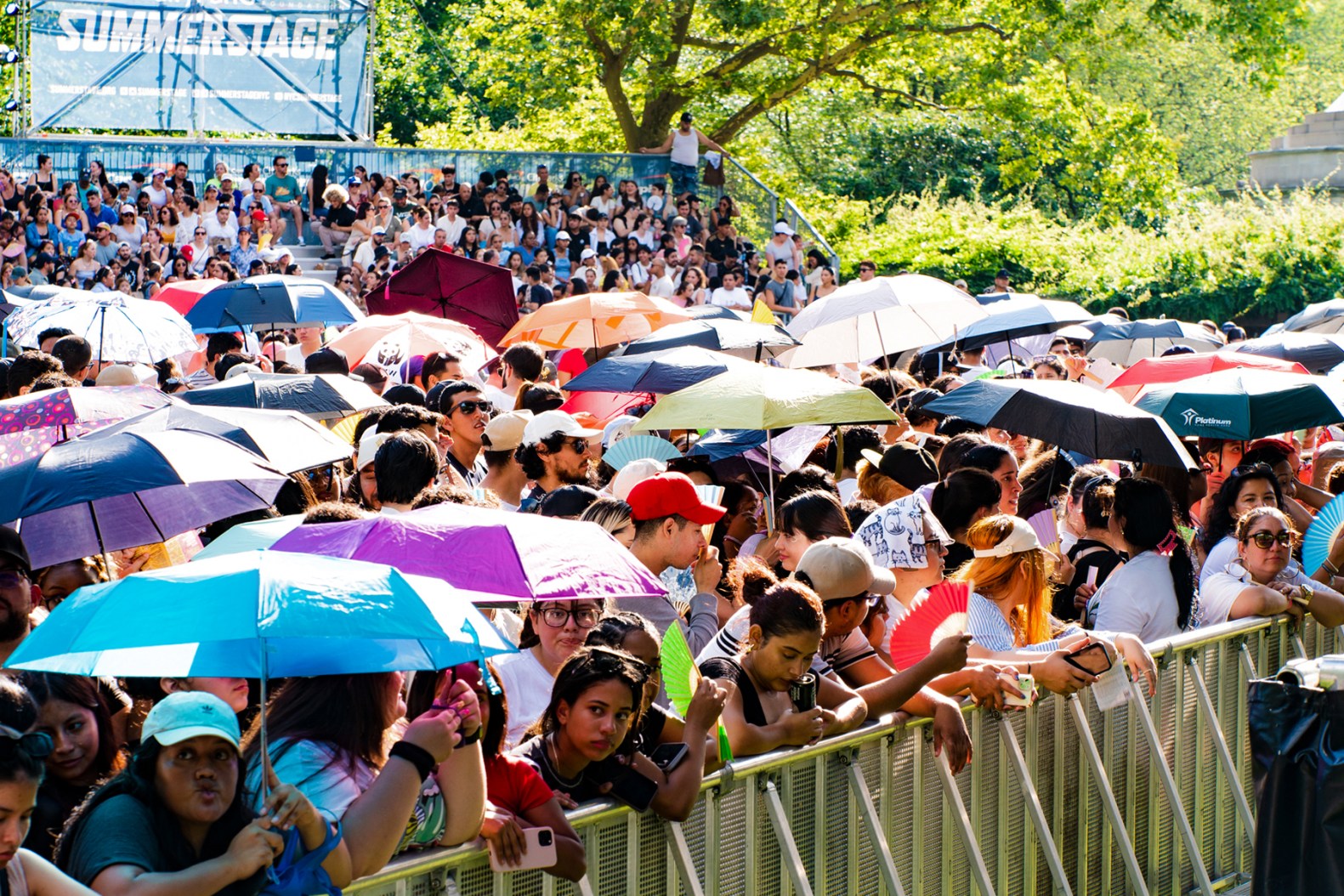
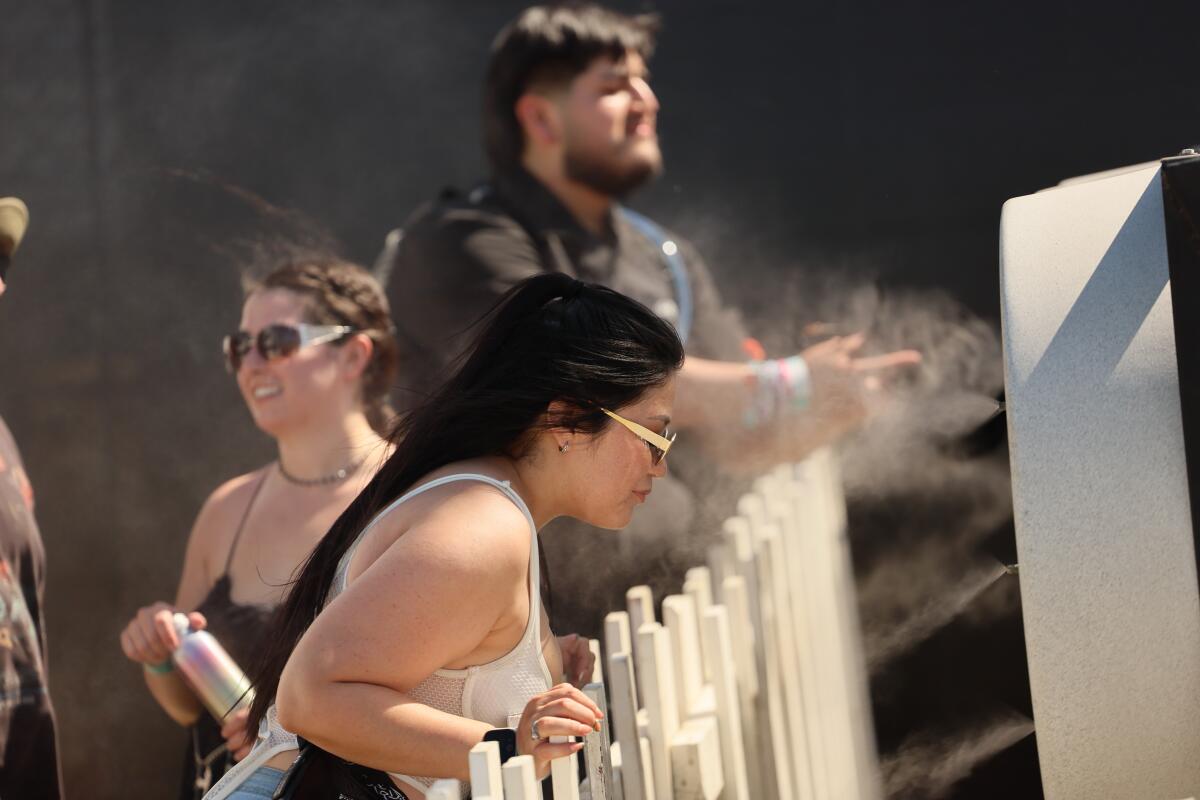
Music festivals, the crown jewels of summer entertainment, are already feeling the heat - literally. Festival organizers worldwide are witnessing firsthand how rising temperatures transform what should be celebratory gatherings into potential health hazards. Coachella, traditionally held in the California desert, has seen temperatures soar beyond comfortable levels in recent years, forcing organizers to invest heavily in cooling stations, medical facilities, and water distribution systems that would have been considered excessive just a decade ago. The iconic festival’s signature palm tree installations now compete with industrial cooling fans and misting systems that have become as essential as the main stage sound equipment.
European festivals face similar challenges, with events like Glastonbury and Reading Festival experiencing unprecedented heat waves that test both performer endurance and audience safety. The romantic notion of dancing under the summer sun takes on a darker tone when temperatures regularly exceed safe thresholds for extended outdoor activity. Festival insurance costs are skyrocketing as extreme weather events become more frequent and severe, forcing smaller festivals out of business while larger ones invest millions in climate adaptation strategies. The ripple effects extend to artist touring schedules, with many performers now requiring specific clauses in their contracts regarding temperature thresholds and cooling requirements for both stages and backstage areas.
Hollywood Productions Under Pressure

The film and television industry faces equally daunting challenges as rising temperatures disrupt traditional production schedules and locations. Outdoor shoots in historically temperate locations like Los Angeles and Atlanta now require extensive heat management protocols, driving up production costs and creating new safety concerns for cast and crew. Major studios are already adjusting their filming calendars, avoiding summer shoots in regions that were once considered manageable, while others are investing in portable air conditioning systems powerful enough to cool entire outdoor sets.

The insurance implications alone are staggering, with production companies now factoring extreme weather delays into every budget calculation. Marvel’s recent productions have incorporated climate contingency planning as standard practice, recognizing that a single heat-related production shutdown can cost millions in delays and rescheduling. The trend toward controlled studio environments and green screen technology isn’t just about creative flexibility anymore - it’s about survival in an industry where traditional outdoor filming windows are rapidly shrinking. Even indoor productions aren’t immune, as air conditioning costs for soundstages during extended heat waves can double or triple normal operating expenses.
African Entertainment Scene Adapts to Change
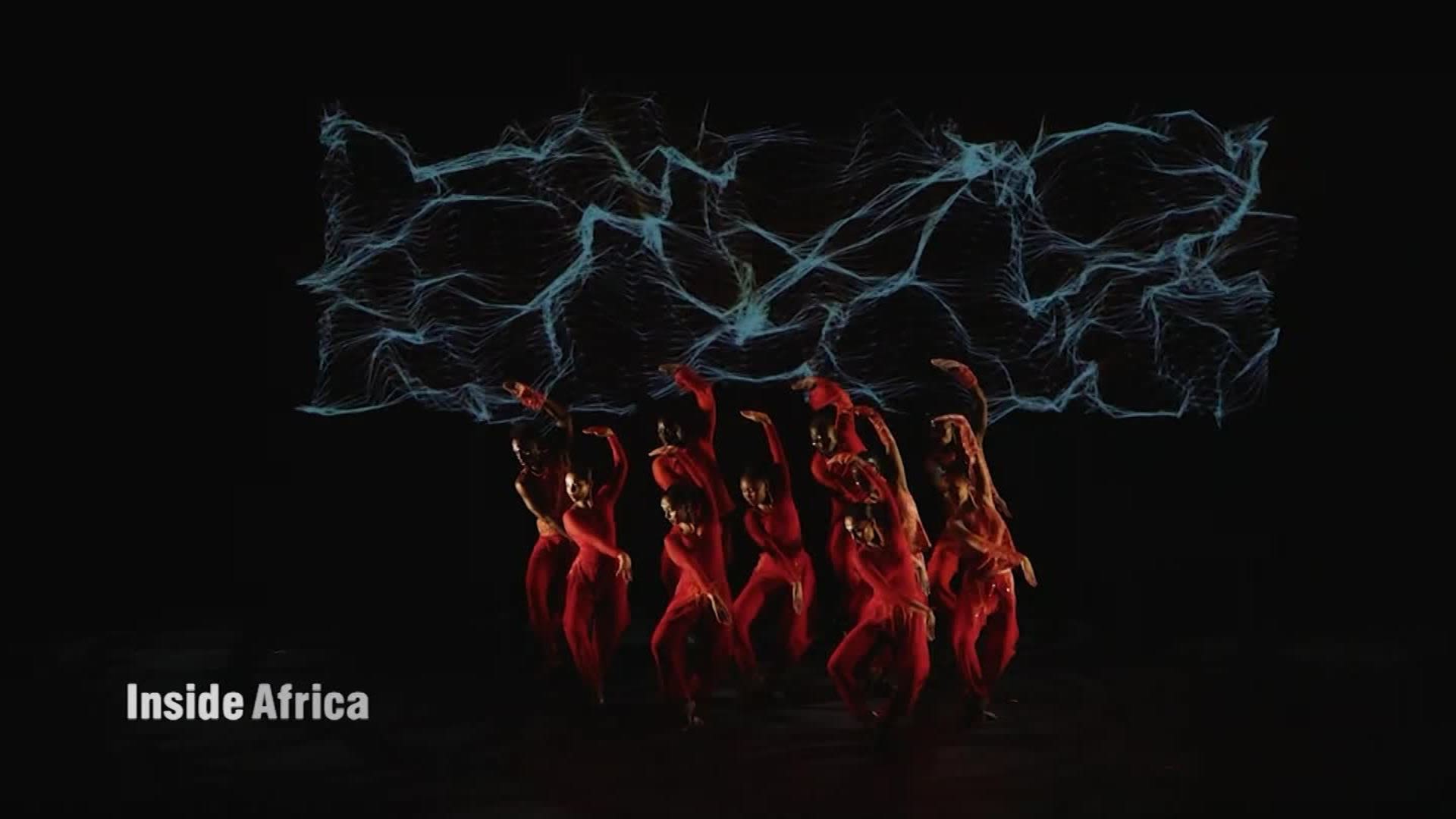
The African entertainment industry, from Nollywood film sets to major Afrobeats festivals, faces unique challenges as temperatures rise across the continent. Nigeria’s booming film industry has long adapted to hot climates, but recent temperature spikes in Lagos and other production hubs are pushing even seasoned filmmakers to their limits. Burna Boy’s recent outdoor concerts required unprecedented cooling infrastructure, while festivals like Ghana’s Afrochella are pioneering innovative approaches to heat management that may become models for events worldwide.