The Book of Mormon's Original Broadway Cast Set for Special Tony Awards Reunion Performance
Miki Anderson··5 min read
Ad SpaceArticle Top - 728x90
Advertisement
# Table of Contents
- [A Broadway Reunion 15 Years in the Making](#reunion)
- [The Cultural Impact That Changed Musical Theater](#impact)
- [From South Park Creators to Broadway Legends](#creators)
- [What This Reunion Means for Musical Theater](#significance)
- [The Legacy Continues](#legacy)
A Broadway Reunion 15 Years in the Making
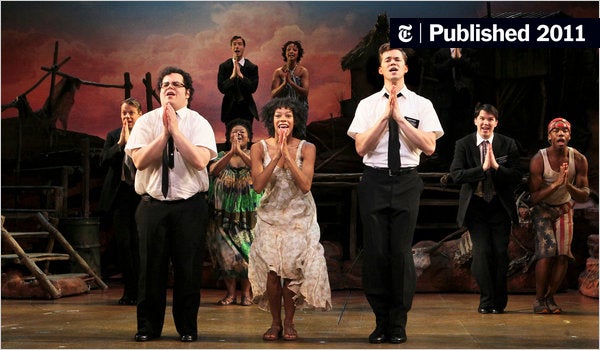
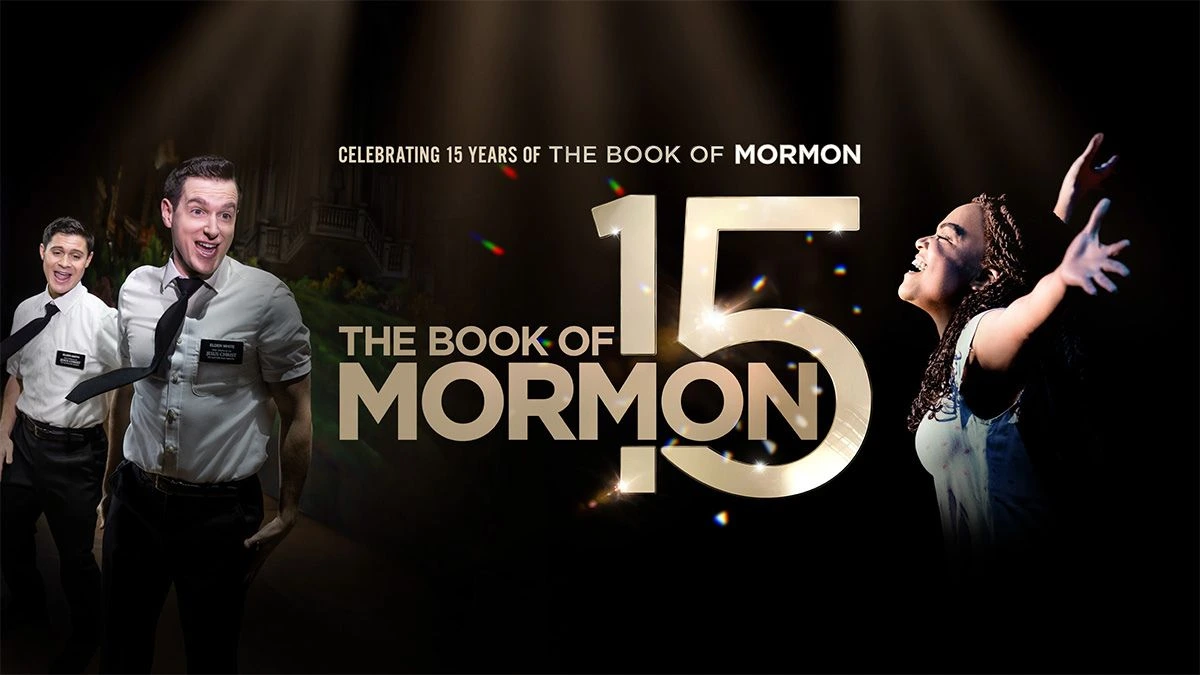
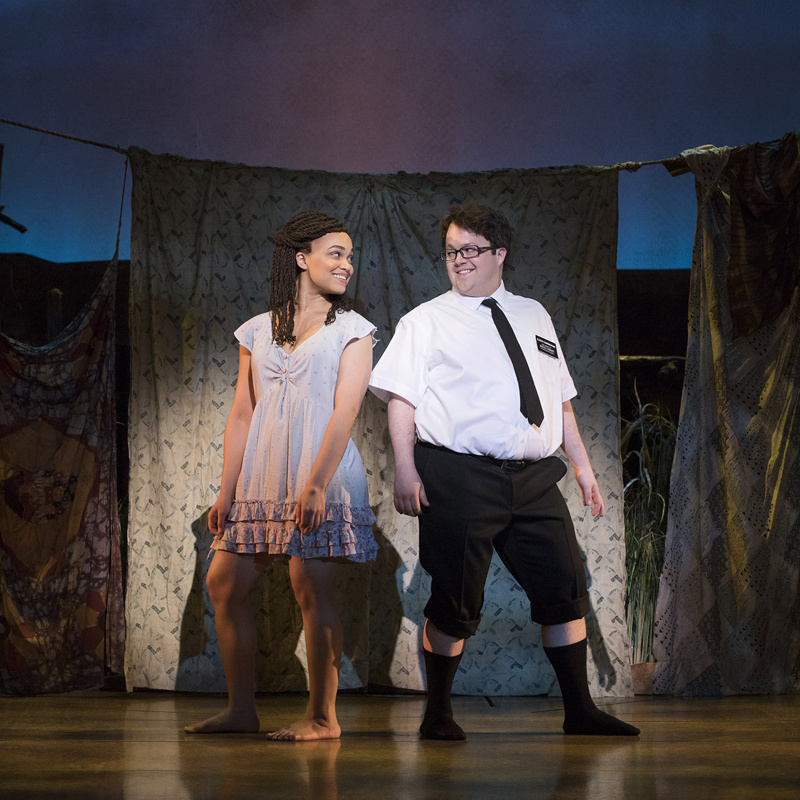
The Great White Way is about to witness a truly historic moment as the original cast of “The Book of Mormon” prepares to reunite for a special performance at the 2026 Tony Awards ceremony. This highly anticipated reunion will mark exactly 15 years since the irreverent musical first shocked and delighted audiences, ultimately sweeping the Tony Awards with an unprecedented nine victories. The performance promises to bring back the magic that made this South Park creators’ Broadway debut one of the most talked-about theatrical phenomena of the 21st century. For theater enthusiasts worldwide, this reunion represents more than just nostalgia - it’s a celebration of how bold, unconventional storytelling can reshape an entire industry.
Image: Playbill
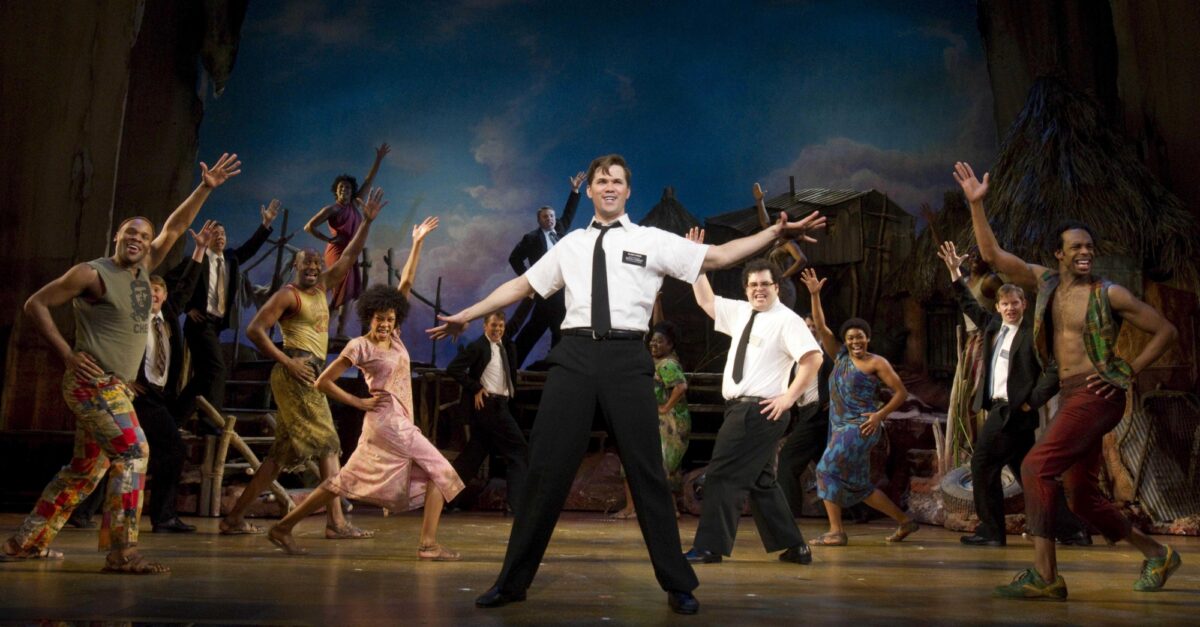
The announcement has sent ripples of excitement throughout the Broadway community, particularly among fans who witnessed the original production’s groundbreaking run. Andrew Rannells and Josh Gad, who originated the roles of Elder Price and Elder Cunningham respectively, are expected to headline the reunion performance, though specific details about which cast members will participate remain under wraps. The timing couldn’t be more perfect, as 2026 marks not only the show’s 15th anniversary but also represents a significant milestone for musical theater as it continues to evolve and embrace more diverse, unconventional narratives. Industry insiders suggest this performance could set a new standard for anniversary celebrations at the Tony Awards, potentially inspiring similar reunions for other landmark productions.
The Cultural Impact That Changed Musical Theater
When “The Book of Mormon” first opened at the Eugene O’Neill Theatre in March 2011, few could have predicted the seismic shift it would create in musical theater. The show’s blend of razor-sharp satire, infectious melodies, and surprisingly heartfelt moments about faith and friendship struck a chord with audiences who had grown accustomed to more traditional Broadway fare. Critics initially wondered whether mainstream theater audiences would embrace such irreverent humor, but the overwhelming positive response proved that Broadway was ready for something boldly different. The musical’s success opened doors for other unconventional productions and demonstrated that audiences craved fresh perspectives on familiar themes.
The show’s cultural impact extended far beyond theater district boundaries, sparking conversations about religion, satire, and artistic freedom in mainstream media. Its nine Tony Award wins - including Best Musical, Best Original Score, and Best Direction - validated the creative risks taken by Trey Parker, Matt Stone, and Robert Lopez. The production proved that audiences were hungry for intelligent comedy that didn’t shy away from controversial topics, paving the way for a new generation of musicals that tackled complex social issues with humor and humanity. The success also demonstrated the commercial viability of creator-driven projects, encouraging other established artists from different media to explore Broadway opportunities.
From South Park Creators to Broadway Legends
The journey of “The Book of Mormon” from concept to Broadway sensation represents one of the most successful cross-media transitions in entertainment history. Trey Parker and Matt Stone, already established as animation innovators through “South Park,” partnered with “Avenue Q” composer Robert Lopez to create something entirely unprecedented in musical theater. Their collaboration brought together Parker and Stone’s fearless satirical voice with Lopez’s understanding of Broadway conventions, resulting in a show that felt both familiar and revolutionary. The creative team’s willingness to spend seven years developing the project demonstrated their commitment to getting the Broadway formula exactly right.
Ad SpaceIn-Article - 300x250
Advertisement
What made their transition so remarkable was how seamlessly they adapted their irreverent humor for live theater while maintaining the heart that makes their best work resonate. The musical showcased their ability to create complex characters within their satirical framework, proving that their talents extended well beyond animated comedy. Robert Lopez’s contribution cannot be overstated - his experience bridging contemporary themes with traditional musical theater structures helped ground Parker and Stone’s ambitious vision. Together, they created a template for how artists from other media could successfully transition to Broadway without compromising their unique creative voices.
What This Reunion Means for Musical Theater
The upcoming Tony Awards reunion performance represents more than just a nostalgic celebration - it’s a testament to how “The Book of Mormon” fundamentally changed Broadway’s relationship with contemporary culture. In an era where streaming services and digital entertainment compete fiercely for attention, live theater must continually prove its relevance and uniqueness. This reunion serves as a powerful reminder of Broadway’s ability to create communal experiences that simply cannot be replicated through screens. The performance will likely showcase why the musical’s blend of spectacle, humor, and genuine emotion continues to draw audiences from around the world to experience it live.
Image: Broadway Shows
The timing of this reunion also coincides with Broadway’s ongoing efforts to diversify its offerings and attract younger audiences who might not traditionally consider musical theater. “The Book of Mormon” proved that Broadway could successfully court audiences who grew up with “South Park” and similar irreverent entertainment, bridging generational and cultural gaps that had previously seemed insurmountable. By bringing back the original cast for this special performance, the Tony Awards ceremony is acknowledging the show’s role in expanding Broadway’s demographic reach. This celebration could inspire other productions to take similar creative risks, knowing that audiences are more receptive to unconventional storytelling than many industry veterans previously believed.
The Legacy Continues
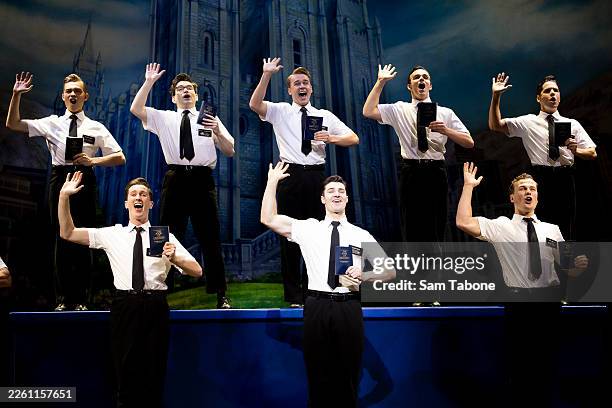
As “The Book of Mormon” approaches its 15th anniversary, its influence on contemporary musical theater becomes increasingly apparent in new productions that embrace similar boldness and cultural relevance. The show’s success created space for musicals that tackle controversial subjects with intelligence and humor, inspiring creators to trust audiences’ sophistication and openness to challenging material. Productions like “Hamilton,” “Dear Evan Hansen,” and “Come From Away” have all benefited from the precedent “The Book of Mormon” set for innovative storytelling approaches. The 2026 reunion performance will serve as both a celebration of past achievements and an inspiration for future theatrical innovations.
Image: Broadway Shows
The enduring popularity of “The Book of Mormon” also demonstrates the importance of creator-driven content in an increasingly corporate entertainment landscape. Parker, Stone, and Lopez maintained creative control throughout the development process, resulting in a distinctly personal artistic vision that resonated with millions of theatergoers worldwide. Their success story continues to encourage other artists to pursue passion projects that might initially seem uncommercial or risky. As the theater industry looks toward the future, this reunion performance will remind everyone involved of the magic that happens when talented creators are given the freedom and resources to fully realize their ambitious visions.
The 2026 Tony Awards ceremony promises to be a landmark event, with “The Book of Mormon” reunion serving as a centerpiece celebration of how far Broadway has come in embracing diverse voices and unconventional narratives. For longtime fans and newcomers alike, this performance represents an opportunity to witness theatrical history while looking forward to the next generation of boundary-pushing productions that will undoubtedly follow in its footsteps.
Ad SpaceIn-Article - 300x250
Advertisement
Share
Get the recap
Loved this story? Get more like it.
Join readers who get our weekly entertainment recap - the stories worth your time, delivered every Friday.
No spam. Unsubscribe anytime. By signing up you agree to our Privacy Policy.