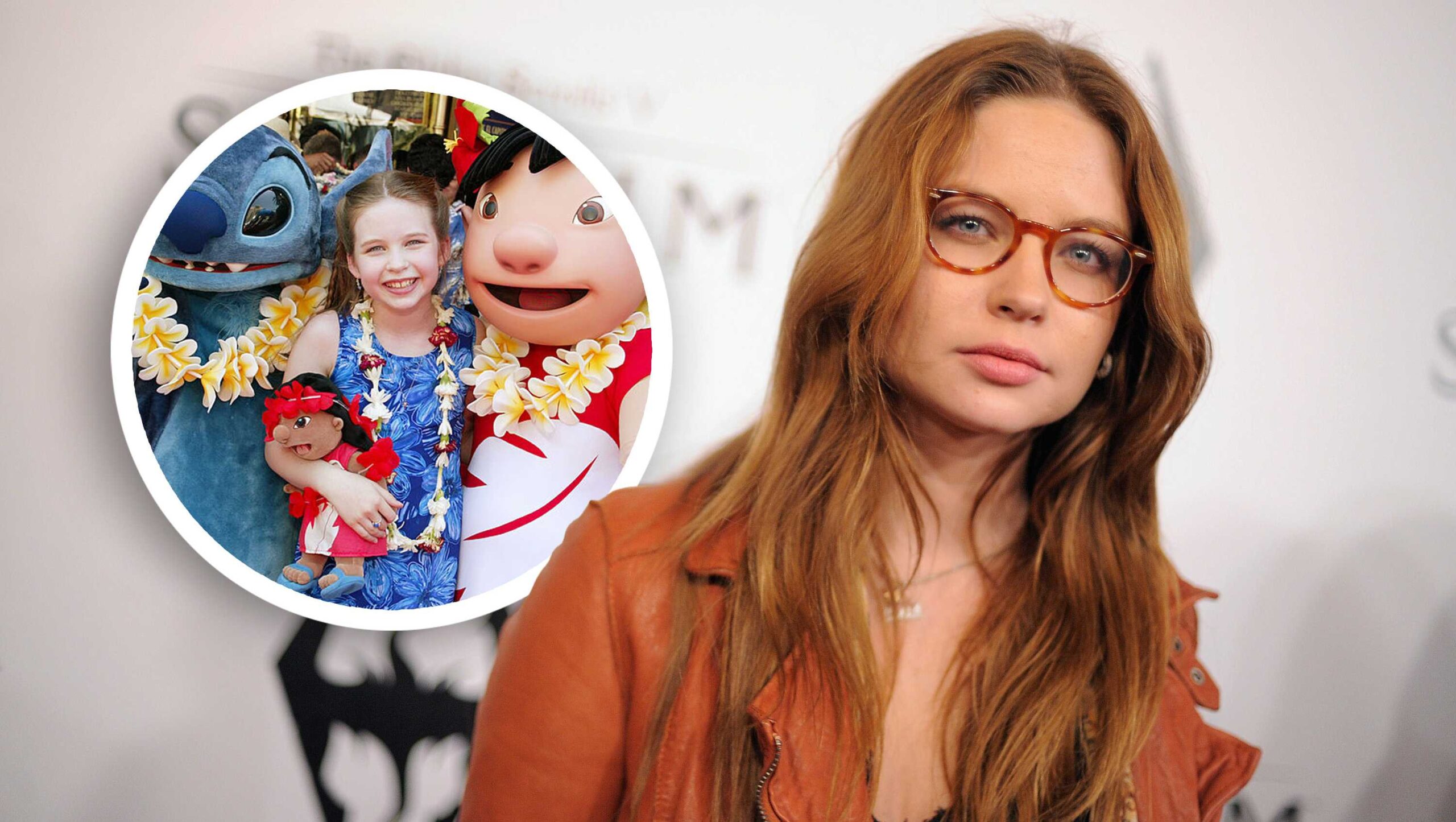

A small girl with a tangle of dark hair stood at a microphone in a Los Angeles recording booth at the end of the 1990s, reading lines as a lonely Hawaiian child who collected photographs of tourists and talked to a fish named Pudge. She was eight years old. She did not yet know that the strange blue creature her character would adopt was going to become one of the most recognised faces in Disney history, or that the warmth she poured into that role would outlive almost everything else about her public life. The voice belonged to Daveigh Chase. For a generation of children who grew up on “Lilo & Stitch,” it was simply the sound of Lilo herself.
Chase died on June 16, 2026, in Los Angeles. She was 35. Her death was confirmed by her father, John Schwallier, and reported by Variety, The Hollywood Reporter, Deadline and NBC News. The loss reaches across two very different audiences who rarely overlap: the families who knew her as the heart of a beloved animated film, and the horror fans who still flinch at the image of a pale child climbing out of a television set. That she could be both, and be both convincingly before she was a teenager, says almost everything about the talent the industry discovered and then, in too many ways, lost track of.
An Albany girl who chased the spotlight
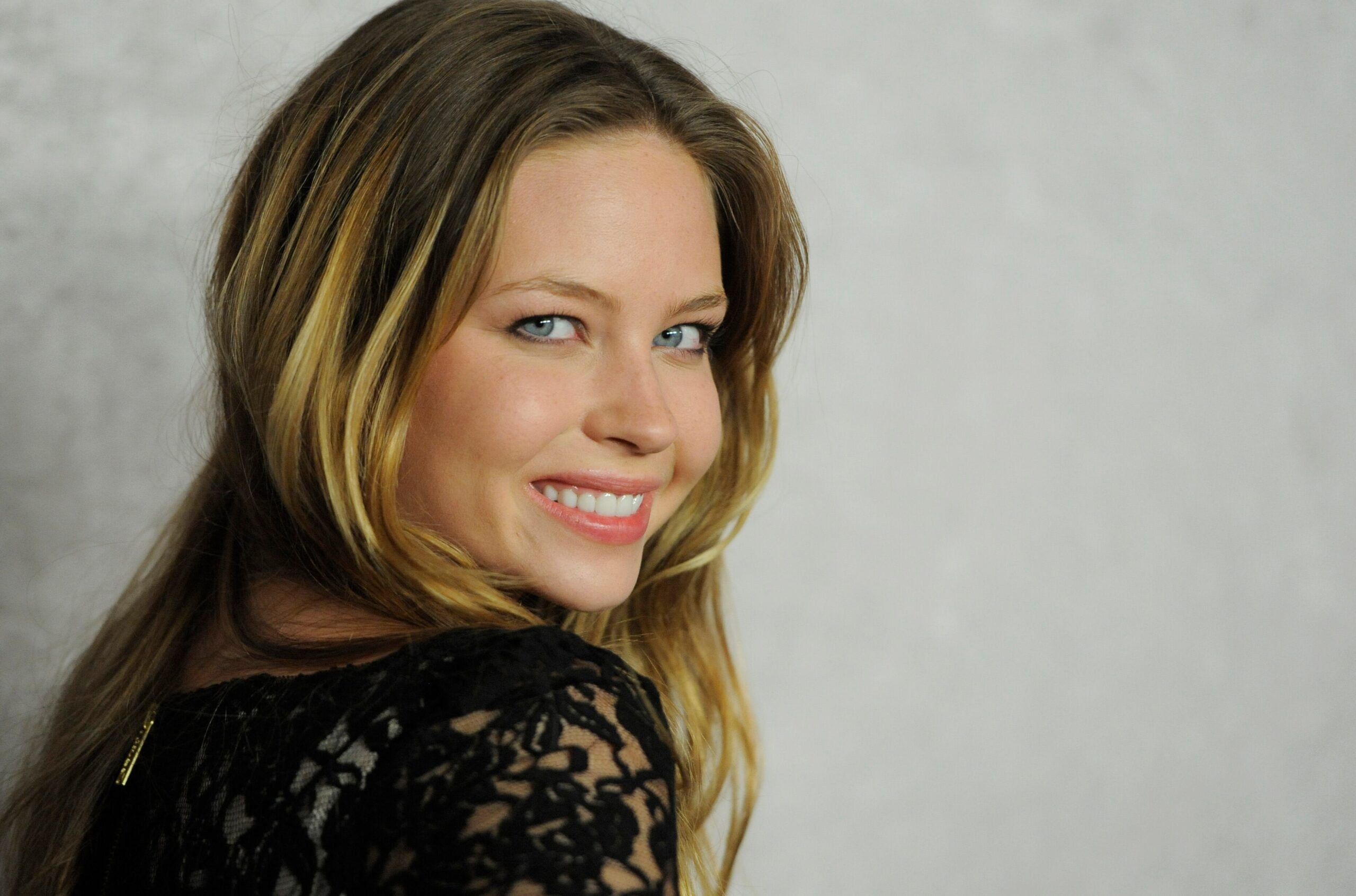
Daveigh Elizabeth Chase was born on July 24, 1990, in Las Vegas, Nevada. After her parents, Cathy Chase and John Schwallier, divorced, her name was settled as Daveigh Elizabeth Chase, and she was raised in Albany, Oregon, far from the studios that would soon employ her. Local coverage at the time, including a 2002 profile in the Albany Democrat-Herald, framed her as a small-town girl following an outsized dream straight into the spotlight. It is a familiar shape for a child-star origin story, and yet the speed with which she travelled from a mid-sized Oregon town to the heart of a Disney production line was anything but ordinary.
The dream arrived early. She began picking up screen work as a child in the late 1990s, with an appearance on “Sabrina the Teenage Witch” in 1998 among her first credits, followed by a run of guest spots and television movies. By the turn of the millennium she was a working child actress with a growing reel, the kind of young performer casting directors quietly circulate to one another. What set her apart was range. She could be eerie or tender, ordinary or otherworldly, and she could do it on cue. Voice directors, who cannot lean on a young actor’s face to sell a scene, prize exactly that kind of vocal flexibility, and it would soon become her calling card.
The year that made her, twice over
For most actors a single iconic role is a career. Chase landed two in the same stretch, and they could not have been more opposite.
In 2002 she voiced Lilo Pelekai in Disney’s “Lilo & Stitch,” the story of a motherless Hawaiian girl raised by her older sister who befriends a destructive blue alien disguised as a dog and tries to civilise him using Elvis Presley records as a guide. Chase had won the role years earlier, around 1998, and her performance gave the film its emotional spine. Lilo was odd, grieving and fiercely loyal, and Chase made every one of those qualities land without ever tipping into sentimentality. She voiced a child who had lost both parents and was clinging to her sister and to a notion of belonging, and she did it without ever making the grief feel performed. The film became a hit, spawned a franchise, and turned its central catchphrase about family - “ohana means family, and family means nobody gets left behind” - into a cultural touchstone that has long outlived the movie’s release.
The recognition followed. Chase won the 2003 Annie Award for Outstanding Voice Acting in an Animated Feature Production for Lilo, the animation industry’s own salute to a performance that carried a film, and she also took home a Young Artist Award for her voice work. She then carried the character forward across the franchise: the direct-to-video “Stitch! The Movie,” the long-running “Lilo & Stitch: The Series,” in which she voiced Lilo across 65 episodes, and the 2006 finale “Leroy & Stitch,” which marked the last time she gave the character her voice. For the better part of a decade, Lilo and Daveigh Chase were inseparable.
The same period brought another piece of voice work that has only grown in stature. She provided the English-language voice of Chihiro in the American dub of Hayao Miyazaki’s Studio Ghibli masterpiece “Spirited Away,” one of the most acclaimed animated films ever made and the winner of the Academy Award for Best Animated Feature. To anchor the English version of a film that careful and that beloved, again playing a frightened girl finding her courage in a strange world, was no small assignment for a performer barely into her teens.
Then there was Samara. The 2002 horror film “The Ring,” Gore Verbinski’s remake of the Japanese chiller, cast Chase as Samara Morgan, the drowned child whose cursed videotape kills anyone who watches it within seven days. The role required almost no dialogue and enormous physical control, and the image of Samara crawling jerkily from a well and then through a television screen became one of the defining horror visuals of the decade. It has been imitated, parodied and homaged so many times that it has become shorthand for the genre itself, and the unsettling stillness at its centre was Chase’s. The performance won her the 2003 MTV Movie Award for Best Villain, beating a field that included Mike Myers, Colin Farrell, Willem Dafoe and Daniel Day-Lewis. A 12-year-old girl had out-villained some of the most respected actors of her era. She was also credited on the 2005 sequel “The Ring Two” through the use of archive footage from the original.
That she voiced one of cinema’s most comforting children and embodied one of its most frightening ones inside the same calendar year is a feat few performers of any age have matched. The same instrument that made Lilo feel like a real, hurting kid made Samara feel like something that should not exist. Both depended on a control over tone that most working adults never fully master.